
absorb
US /əbˈsɔrb, -ˈzɔrb/
UK /əb'sɔ:b/
- Transitive Verb
- To take up all attention / energy of something
- To take in a liquid; soak up
B1TOEICMoreachieve
US /əˈtʃiv/
UK /ə'tʃi:v/
- Transitive Verb
- To succeed in doing good, usually by working hard
- To succeed in reaching a particular goal, status, or standard, often after effort or perseverance.
A2TOEICMoreaffect
US /əˈfɛkt/
UK /ə'fekt/
- Transitive Verb
- To cause a change in something else
- To pretend to have or feel (something).
- Noun
- (Psychology) Emotion or feeling.
A2TOEICMoreauthentic
US /ɔˈθɛntɪk/
UK /ɔ:ˈθentɪk/
- Adjective
- From a reliable source; accurate; true
B1Morebeneficial
US /ˌbɛnəˈfɪʃəl/
UK /ˌbenɪˈfɪʃl/
- Adjective
- Giving an advantage, having a helpful effect
- Promoting or contributing to physical or mental well-being.
B1TOEICMorecapable
US /ˈkepəbəl/
UK /'keɪpəbl/
- Adjective
- Being able to do something very well; proficient
- Having the ability, fitness, or quality necessary to do or achieve a specified thing.
A2Morecause
US /kɔz/
UK /kɔ:z/
- Noun
- Belief, goal or organization that people support
- Reason for
- Transitive Verb
- To make something happen; create effect or result
A2Morecheck out
US /tʃɛk aʊt/
UK /tʃek aut/
- Phrase
- Phrasal Verb
- To find out information about something
- To take books out of a library
A1Morecompetitive
US /kəmˈpɛtɪtɪv/
UK /kəmˈpetətɪv/
- Adjective
- Being strongly driven to win or be better than
- As good as or better than others.
B1Moreconstantly
US /ˈkɑnstəntlɪ/
UK /ˈkɒnstəntli/
- Adverb
- Frequently, or without pause
- In a way that is unchanging or faithful
B1Morecriticism
US /ˈkrɪtɪˌsɪzəm/
UK /ˈkrɪtɪsɪzəm/
- Noun (Countable/Uncountable)
- Article or essay that judges quality
- Negative judgment of something
A2Morecynicism
US /ˈsɪnɪˌsɪzəm/
UK /'sɪnɪsɪzəm/
- Uncountable Noun
- Belief that bad motivates things/people are bad
B2Moredementia
US /dɪˈmɛnʃə/
UK /dɪˈmenʃə/
- Uncountable Noun
- Illness characterized by loss of memory
B2Moredeserve
US /dɪˈzɚv/
UK /dɪ'zɜ:v/
- Transitive Verb
- To be worthy of, e.g. getting praise or attention
A2TOEICMoredisguise
US /dɪsˈɡaɪz/
UK /dɪs'ɡaɪz/
- Noun (Countable/Uncountable)
- Change in appearance so you will not be noticed
- The act of concealing the identity or true nature of something.
- Transitive Verb
- To change your appearance to not be noticed
- To hide something so it will not be noticed
B1Moredish out
US /dɪʃ aʊt/
UK /diʃ aut/
- Phrasal Verb
- To give or say things to people without thinking about them carefully
- To criticize a person
A2Moredown with
US /daʊn wɪð/
UK /daun wið/
- Adjective
- Suffering from an illness.
- Agreeable to; in favor of.
- Interjection
- An expression of opposition to something.
A1Moreencounter
US /ɛnˈkaʊntɚ/
UK /ɪn'kaʊntə(r)/
- Verb (Transitive/Intransitive)
- To come up against a problem or trouble; meet
- To meet someone or something unexpectedly
- Noun
- A chance meeting; unexpected or unplanned meeting
B1TOEICMoreenvious
US /ˈɛnviəs/
UK /ˈenviəs/
- Adjective
- Wishing you had what someone else has
B1Moreharsh
US /hɑrʃ/
UK /hɑ:ʃ/
- Adjective
- Rough; tough; hard to experience or accept
- Being severe and unkind
B1Morehave to
US /hæv tu/
UK /ˈhæv tə/
- Auxiliary Verb
- Must do
A1Morehypocritical
US
UK
- Adjective
- Behaving in a way that you criticize in others
B2Morein a while
US /ɪn e hwaɪl/
UK /in ə hwail/
- Phrase
- In a short period of time; soon.
- For a short period of time; soon.
A2Morein disguise
US /ɪn dɪsˈɡaɪz/
UK /in disˈɡaiz/
- Phrase
- Having altered one's appearance to conceal one's identity.
- Seeming different from what it really is; concealing the true nature.
B2Morein fact
US /ɪn fækt/
UK /in fækt/
- Adverb
- Used to emphasize the truth of a statement, especially one that contrasts with or contradicts something else.
- Used to introduce a more detailed or surprising piece of information.
- Phrase
- Used to emphasize the truth of a statement, especially one that is surprising or contrary to what might be expected.
C1Morein the long run
US
UK
- Phrase
- Eventually; over a long period of time.
A1Moreincredibly
US /ɪnˈkrɛdəblɪ/
UK /ɪnˈkredəbli/
- Adverb
- To a great degree; very; amazingly
- Extremely; so much so it is hard to believe
A2Moreindividual
US /ˌɪndəˈvɪdʒuəl/
UK /ˌɪndɪˈvɪdʒuəl/
- Countable Noun
- Single person, looked at separately from others
- A single thing or item, especially when part of a set or group.
- Adjective
- Made for use by one single person
- Having a distinct manner different from others
A2Moreinfluence
US / ˈɪnfluəns/
UK /'ɪnflʊəns/
- Verb (Transitive/Intransitive)
- To affect or change something indirectly
- To persuade someone to do something.
- Noun (Countable/Uncountable)
- The power to affect what happens, to persuade etc.
- A person or thing that affects someone or something in an important way.
A2TOEICMoreinstead of
US /ɪnˈstɛd ʌv/
UK /inˈsted ɔv/
- Preposition
- When one thing is replaced by another
- Adverb
- As a substitute or alternative.
A1Morejealousy
US /ˈdʒɛləsi/
UK /ˈdʒeləsi/
- Uncountable Noun
- Unhappy feeling of wanting what someone else has
B1Morelack
US /læk/
UK /læk/
- Verb (Transitive/Intransitive)
- To not have, or not have enough, of something
- Uncountable Noun
- The state of not having or not having enough of
A2TOEICMorelash
US /læʃ/
UK /læʃ/
- Countable Noun
- Small hairs that grow above and below your eyes
- A quick hit with a narrow stick or whip
- Transitive Verb
- To hit something violently or forcefully
- To tie something in place tightly
B2Morelash out
US /læʃ aʊt/
UK /læʃ aut/
- Phrasal Verb
- To suddenly attempt to hit someone or something.
- To criticize someone angrily.
A1Moremanipulate
US /məˈnɪpjəˌlet/
UK /mə'nɪpjʊleɪt/
- Transitive Verb
- To try to control others to gain an advantage
- To handle or work in a skillful manner
B1Moremessy
US /ˈmɛsi/
UK /'mesɪ/
- Adjective
- Being complex or difficult to fix
- Being untidy or dirty
A2Moremooch off
US /mutʃ ɔf/
UK /mu:tʃ ɒf/
- other
- To live at another's expense without paying or contributing.
B2Moremotivation
US /ˌmotəˈveʃən/
UK /ˌməʊtɪ'veɪʃn/
- Uncountable Noun
- Reason behind why someone did something
- Enthusiasm for doing something.
B1TOEICMorenegative
US /ˈnɛɡətɪv/
UK /'neɡətɪv/
- Noun
- The opposite to a positive electrical charge
- In grammar, containing words such as 'no' or 'not'
- Adjective
- Being harmful, unwanted or unhelpful
- In mathematics, being less than zero
A2Morenext to
US /nɛkst tu/
UK /nekst tu:/
- Preposition
- Being located along side another
- In comparison with
- Adverb
- Almost; nearly
A1Moreonce in a while
US //wʌns ɪn ə waɪl//
UK
- Phrase
- Occasionally; not very often.
- Occasionally; not very often.
A2Moreplay the victim
US
UK
- Intransitive Verb
- To act as if one is a victim in order to gain sympathy or avoid responsibility.
A1Morerelationship
US /rɪˈleʃənˌʃɪp/
UK /rɪˈleɪʃnʃɪp/
- Noun (Countable/Uncountable)
- Connection between two or more people or things
- Way people interact or live with each other
A2TOEICMoreresearch
US /rɪˈsɚtʃ, ˈriˌsɚtʃ/
UK /rɪ'sɜ:tʃ/
- Verb (Transitive/Intransitive)
- To study in order to discover new ideas and facts
- To study the market relating to marketing products and services.
- Noun (Countable/Uncountable)
- Study done to discover new ideas and facts
- A particular area or topic of study.
A2TOEICMoresneaky
US /ˈsniki/
UK /ˈsni:ki/
- Adjective
- Deceptive and underhand
B2Morestrive
US /straɪv/
UK /straɪv/
- Intransitive Verb
- To work hard/make effort to achieve something
B2TOEICMoresweet talk
US
UK
- Uncountable Noun
- Flattering or persuasive talk; cajolery.
- Transitive Verb
- To persuade someone with flattery or charm.
A1Moretake in
US
UK
- Phrasal Verb
- To allow to enter; receive as a guest
- To include or add
- Transitive Verb
- To absorb (liquid).
- To understand or comprehend something.
A1Moretension
US /ˈtɛnʃən/
UK /'tenʃn/
- Uncountable Noun
- Feeling of anxiety and inability to relax
- Degree to which something is stretched tight
A2TOEICMoreto let
US /tu lɛt/
UK /tu let/
- Preposition
- Indicates that a property is available for rent.
A2Moretolerate
US /ˈtɑ:ləreɪt/
UK /ˈtɒləreɪt/
- Transitive Verb
- To be able to adjust to changes of various kinds
- To be able to survive under specific conditions
B1Moretoxic
US /ˈtɑksɪk/
UK /ˈtɒksɪk/
- Adjective
- Poisonous; harmful
- (Of relationships) harmful; causing conflict
B2Moreverbal
US /ˈvɚbəl/
UK /ˈvə:bəl/
- Adjective
- Concerning verbs
- Using speech, rather than being written
- Noun
- Word that is made from a verb
B1Moreverbally
US /ˈvɜ:rbəli/
UK /ˈvɜ:bəli/
- Adverb
- Through speech; using words
B2Morevictim
US /ˈvɪktɪm/
UK /ˈvɪktɪm/
- Noun
- Person/thing affected by an unpleasant event
- Person feeling helpless in times of bad luck
B1TOEICMorewalk away from
US /wɔk əˈwe frʌm/
UK /wɔ:k əˈwei frɔm/
- Phrasal Verb
- To leave a situation or relationship, especially when it is difficult or unpleasant.
A2Morewatch out
US /wɑtʃ aʊt/
UK /wɔtʃ aut/
- Phrasal Verb
- To be careful; to be alert to danger
A1Morework out
US /wɚk aʊt/
UK /wə:k aut/
- Phrasal Verb
- To find a way to do something, by thinking
A1More
Vocabulary
- have to: Must do
- instead of: When one thing is replaced by another
- to let: Indicates that a property is available for rent.
- work out
- lash out: To suddenly attempt to hit someone or something.
- walk away from: To leave a situation or relationship, especially when it is difficult or unpleasant.
- in disguise: Having altered one's appearance to conceal one's identity.
- in a while: In a short period of time; soon.
- once in a while: Occasionally; not very often.
- in fact: Used to emphasize the truth of a statement, especially one that contrasts with or contradicts something else.
- in the long run: Eventually; over a long period of time.
- mooch off: To live at another's expense without paying or contributing.
- next to: Being located along side another
- down with: Suffering from an illness.
- sweet talk: Flattering or persuasive talk; cajolery.
- watch out: To be careful; to be alert to danger
- play the victim: To act as if one is a victim in order to gain sympathy or avoid responsibility.
- dish out: To give or say things to people without thinking about them carefully
- take in: To allow to enter; receive as a guest
- check out
- constantly: Frequently, or without pause
- authentic: From a reliable source; accurate; true
- individual: Single person, looked at separately from others
- incredibly: To a great degree; very; amazingly
- situation: Place, position or area that something is in
- deserve: To be worthy of, e.g. getting praise or attention
- improve: To make, or become, something better
- negative: The opposite to a positive electrical charge
- encounter: To come up against a problem or trouble; meet
- develop: To explain something in steps and in detail
- manipulate: To try to control others to gain an advantage
- achieve: To succeed in doing good, usually by working hard
- motivation: Reason behind why someone did something
- relationship: Connection between two or more people or things
- harsh: Rough; tough; hard to experience or accept
- influence: To affect or change something indirectly
- capable: Being able to do something very well; proficient
- toxic: Poisonous; harmful
- research: To study in order to discover new ideas and facts
- lack: To not have, or not have enough, of something
- criticism: Article or essay that judges quality
- dementia: Illness characterized by loss of memory
- victim: Person/thing affected by an unpleasant event
- absorb: To take up all attention / energy of something
- affect: To cause a change in something else
- strive: To work hard/make effort to achieve something
- tolerate: To be able to adjust to changes of various kinds
- disguise: Change in appearance so you will not be noticed
- cause: Belief, goal or organization that people support
- behavior: The way a person or thing acts; manner
- messy: Being complex or difficult to fix
- tension: Feeling of anxiety and inability to relax
- apply: To spread a substance or liquid over a surface
- compare: To consider how similar and different things are
- create: To make, cause, or bring into existence
- risk: To do something potentially dangerous or foolish
- competitive: Being strongly driven to win or be better than
- sneaky: Deceptive and underhand
- break: To create a new record e.g. running the 100m dash
- normal: Standard or regular way of doing something
- verbal: Concerning verbs
- envious: Wishing you had what someone else has
- beneficial: Giving an advantage, having a helpful effect
- prefer: To like something better than something else
- information: Collection of facts and details about something
- continue: To do something without stopping, or after pausing
- build: Your physical shape; physique
- worse: Comparative of 'bad'; more bad
- jealousy: Unhappy feeling of wanting what someone else has
- verbally: Through speech; using words
- cynicism: Belief that bad motivates things/people are bad
- lash: Small hairs that grow above and below your eyes
- hypocritical: Behaving in a way that you criticize in others
Get the full experience in the app
Learn anywhere with detailed sentence and usage analysis
01:03
She took a brave step forward, leaving behind her comfort zone to chase her dreams.
Vocabulary
- brave
adj. Having courage
- comfort zone
phr. A familiar situation where one feels safe
Explanation
a brave step is a noun phrase, where brave is an adjective modifying the noun step, meaning "a courageous step".
forward is an adverb modifying step, meaning "ahead".
The whole phrase serves as the object, answering the "what" of took (verb) — she took a brave step forward.
Get the full experience in the app
Look up words anytime with pronunciation, part of speech, and usage
brave
US/brev/
UK/breɪv/
adj.Brave
v.t.To bravely face
A2 Elementary
Get the full experience in the app
Practice speaking anytime and get instant pronunciation feedback
Try this speaking exercise.
Try practicing with this sentence.
80
0
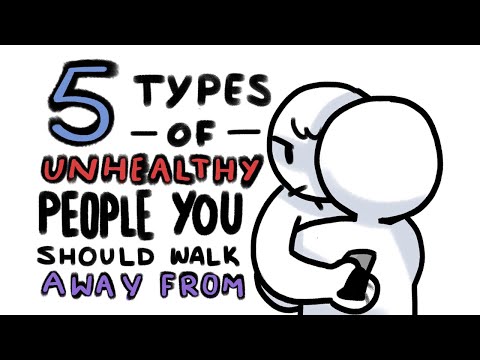
羅世康 posted on 2019/03/29Ever feel drained by certain people in your life? This video dives into 5 types of toxic friends, like the constantly negative or manipulative ones, and gives you practical phrases to set boundaries. You'll learn simple sentence structures and pick up useful vocabulary for navigating tricky relationships!
Learn this video on the APP!
The VoiceTube App has more in-depth practice for videos!