
account for
US /əˈkaʊnt fɔr/
UK /əˈkaunt fɔ:/
- Phrasal Verb
- To explain the cause or reason for something
- To form a particular amount or part of something.
- Verb (Transitive/Intransitive)
- To supply a reason or explanation for something.
- To form a particular amount or proportion of something.
A1Moreacidification
US /əˌsɪdəfɪ'keɪʃən/
UK /əˌsɪdɪfɪ'keɪʃən/
- Uncountable Noun
- The process of becoming or converting into an acid
C1Moreapart from
US /əˈpɑrt frʌm/
UK /əˈpɑ:t frɔm/
- Preposition
- Except for; not considering
- In addition to; as well as
around the world
US /əˈraʊnd ði wɜrld/
UK /əˈraund ðə wɜː(r)ld/
- Phrase
- In or to many countries.
- In various places throughout the world.
A2Moreat least
US /æt list/
UK /æt li:st/
- Adverb
- As a minimum
- Not less than
- Phrase
- No less than; at the minimum
- Used to indicate that something is positive in a bad situation.
C2Moreban
US /bæn/
UK /bæn/
- Transitive Verb
- To make something illegal or not allowed
- To prohibit someone from participating in a particular online community or game.
- Noun (Countable/Uncountable)
- Official action preventing something happening
- A prohibition from participating in a particular online community or game.
B1Moreblame
US /blem/
UK /bleɪm/
- Transitive Verb
- To say someone is responsible for something bad
- Noun (Countable/Uncountable)
- Act of saying someone did something bad
A2TOEICMorecarbon
US /ˈkɑrbən/
UK /'kɑ:bən/
- Uncountable Noun
- Chemical element with an atomic number of 6
B1Morecollect
US /kəˈlɛkt/
UK /kəˈlekt/
- Adverb
- By asking the receiver of a call to pay for it
- Transitive Verb
- To ask for money, e.g. for a charity
- To gather things, people together in one place
A2Morecombine
US /kəmˈbaɪn/
UK /kəmˈbaɪn/
- Verb (Transitive/Intransitive)
- To mix several things together to form one thing
- To harvest by means of a combine.
- Noun (Countable/Uncountable)
- A harvesting machine for cutting, threshing, and cleaning grain.
- A mixture of different things.
A2Morecommit
US /kəˈmɪt/
UK /kə'mɪt/
- Transitive Verb
- To do something bad, usually a crime
- To promise your permanent love or loyalty (to)
A2TOEICMoreconcentrate
US /ˈkɑnsənˌtret/
UK /'kɒnsntreɪt/
- Verb (Transitive/Intransitive)
- To cause to be present in large amount or number
- To pay great attention to a task; focus
- Noun (Countable/Uncountable)
- A substance made by removing water or other diluents; a concentrated form of something.
A2Moreconsume
US /kənˈsum/
UK /kən'sju:m/
- Transitive Verb
- To eat, drink, buy or use up something
- To take all your energy; focus the attention
A2TOEICMorecoral
US /ˈkɑrəl/
UK /'kɒrəl/
- Adjective
- Color that is a combination of pink and orange
- Noun
- Marine substance made from bones of sea creatures
B2Moredecompose
US /ˌdi:kəmˈpoʊz/
UK /ˌdi:kəmˈpəʊz/
- Verb (Transitive/Intransitive)
- To cause (chemical) to separate into smaller parts
- To gradually be destroyed by natural processes
B2Moredioxide
US /daɪˈɑksaɪd/
UK /daɪˈɒksaɪd/
- Noun
- An oxide containing two oxides per molecule
B2Moredisastrous
US /dɪˈzæstrəs/
UK /dɪˈzɑ:strəs/
- Adjective
- Having very unfortunate or terrible consequences
- Having extremely negative or terrible consequences.
B1Moredump
US /dʌmp/
UK /dʌmp/
- Transitive Verb
- To end a romantic relationship
- To put something somewhere without care
- Noun
- A place where waste or garbage is left.
- A copy of data from one part of a computer system to another.
B1Moreeliminate
US /ɪˈlɪməˌnet/
UK /ɪ'lɪmɪneɪt/
- Transitive Verb
- To completely remove; to get rid of
- To remove from a contest by beating them
B1TOEICMoreexpose
US /ɪkˈspoʊz/
UK /ɪk'spəʊz/
- Transitive Verb
- To make visible, without covering or protection
- To allow light through a cameras lens onto film
A2TOEICMorefragment
US /ˈfræɡmənt/
UK /'fræɡmənt/
- Countable Noun
- Part that is broken off of something
- Intransitive Verb
- To be broken into pieces
- (Of computer file) to be broken into pieces
B1Moreglobally
US /'ɡloʊbəlɪ/
UK /'ɡləʊbəlɪ/
- Adverb
- Throughout the world
B1Moreharm
US /hɑrm/
UK /hɑ:m/
- Transitive Verb
- To damage, injure, or hurt someone or something
- Noun
- Damage or injury
A2Moreimpact
US /ˈɪmˌpækt/
UK /'ɪmpækt/
- Noun
- A striking effect or result to hit with force
- Act or force of one thing hitting something else
- Verb (Transitive/Intransitive)
- To hit or strike someone or something with force
- To have a strong effect on someone or something.
A2TOEICMorein any case
US /ɪn ˈɛni kes/
UK /in ˈeni keis/
- Phrase
- Whatever happens; regardless of what has happened or may happen.
A1Morelandfill
US /'lændfɪl/
UK /'lændfɪl/
- Noun (Countable/Uncountable)
- Burial of garbage, as to build up low-lying land
- A site for the disposal of waste materials by burial.
- Transitive Verb
- To fill (land) with waste material.
C1Moremarine
US /məˈrin/
UK /mə'ri:n/
- Countable Noun
- Soldier trained to serve on land and sea
- Adjective
- Of the ocean or ocean plants and animals
- Concerning sailing or doing business by sea
B1Moremicro
US /ˈmaɪkro/
UK /'maɪkrəʊ/
- Noun
- A prefix meaning 'very small'
B2Morepanic
US /ˈpænɪk/
UK /'pænɪk/
- Uncountable Noun
- Overwhelming feeling of fear and anxiety
- Intransitive Verb
- To feel sudden anxiety and fear and cannot think
B1Moreper year
US
UK
- Phrase
- For each year; annually.
A2Moreperception
US /pɚˈsɛpʃən/
UK /pəˈsepʃn/
- Noun (Countable/Uncountable)
- Way in which one sees or understands something
- The ability to see, hear, or become aware of something through the senses.
B1Moreplastic
US /ˈplæstɪk/
UK /'plæstɪk/
- Uncountable Noun
- Stiff but usually flexible man-made material
- Adjective
- Being easily formed or shaped
A2Morepoison
US /ˈpɔɪzən/
UK /ˈpɔɪzn/
- Transitive Verb
- To affect something in a very negative way
- To hurt or kill with a dangerous substance
- Noun (Countable/Uncountable)
- Substance that can kill when eaten/drunk
- Something that has a harmful or destructive influence.
A2Morepollution
US /pəˈluʃən/
UK /pəˈlu:ʃn/
- Uncountable Noun
- Dangerous substances released into an environment
- The action of polluting; the state of being polluted.
B1TOEICMorereach
US /ritʃ/
UK /ri:tʃ/
- Verb (Transitive/Intransitive)
- To come to or arrive at a goal or destination
- To be long enough to get to a certain place
- Uncountable Noun
- Power or control someone has over something
A2TOEICMoresolid
US /ˈsɑlɪd/
UK /'sɒlɪd/
- Adjective
- Being able to be trusted; reliable
- Substance that is hard or of fixed shape
- Noun
- Something firm or hard; not gas or liquid
A2Moresoutheast
US /saʊθˈist, saʊˈist/
UK /ˌsaʊθ'i:st/
- Noun
- Location in the southeastern part of an area
B2Morestrict
US /strɪkt/
UK /strɪkt/
- Adjective
- Tending to enforce rules; severe
- (Of orders) that must be obeyed
A2Moresubsequently
US /ˈsʌbsɪˌkwɛntlɪ/
UK /ˈsʌbsɪkwəntli/
- Adverb
- After something else has happened; as a result
B1Moretackle
US /ˈtækəl/
UK /'tækl/
- Transitive Verb
- To start working on a difficult problem
- To grab and throw a person to the ground
- Noun (Countable/Uncountable)
- Equipment used in fishing
- Arrangement of ropes and wheels used for lifting
B1TOEICMoreugly
US /ˈʌɡli/
UK /ˈʌgli/
- Adjective
- (E.g. of a situation) bad; likely to turn nasty
- Unpleasant to look at; not attractive
B1Morevirtually
US /ˈvɚtʃuəli/
UK /ˈvɜ:tʃuəli/
- Adverb
- In an almost complete or entire manner
B1Morewaste
US /west/
UK /weɪst/
- Transitive Verb
- To kill or severely harm someone
- To use valuable things ineffectively
- Uncountable Noun
- Materials left over after a process has finished
A2TOEICMore
Vocabulary
- around the world: In or to many countries.
- apart from: Except for; not considering
- account for: To explain the cause or reason for something
- per year: For each year; annually.
- at least: As a minimum
- in any case: Whatever happens; regardless of what has happened or may happen.
- perception: Way in which one sees or understands something
- eliminate: To completely remove; to get rid of
- situation: Place, position or area that something is in
- panic: Overwhelming feeling of fear and anxiety
- improve: To make, or become, something better
- tackle: To start working on a difficult problem
- impact: A striking effect or result to hit with force
- develop: To explain something in steps and in detail
- consume: To eat, drink, buy or use up something
- solid: Being able to be trusted; reliable
- fear: Unpleasant feeling caused by being aware of danger
- amount: Quantity of something
- commit: To do something bad, usually a crime
- environment: Natural world in which plants and animals live
- concentrate: To cause to be present in large amount or number
- blame: To say someone is responsible for something bad
- strict: Tending to enforce rules; severe
- virtually: In an almost complete or entire manner
- dump: To end a romantic relationship
- similar: Nearly the same; alike
- reach: To come to or arrive at a goal or destination
- account: An advantage
- introduce: To open an essay to set the scene
- drop: Distance between a higher and a lower level
- throw: To use your arm to make something fly in the air
- rest: Time when one relaxes, sleeps, or is inactive
- produce: Fresh foods such as fruits and vegetables
- suggest: To mention something that could be done; propose
- expose: To make visible, without covering or protection
- plastic: Stiff but usually flexible man-made material
- combine: To mix several things together to form one thing
- marine: Soldier trained to serve on land and sea
- waste: To kill or severely harm someone
- dioxide: An oxide containing two oxides per molecule
- carbon: Chemical element with an atomic number of 6
- harm: To damage, injure, or hurt someone or something
- fragment: Part that is broken off of something
- landfill: Burial of garbage, as to build up low-lying land
- ban: To make something illegal or not allowed
- natural: Being as one would expect; being usual or normal
- subsequently: After something else has happened; as a result
- decompose: To cause (chemical) to separate into smaller parts
- poison: To affect something in a very negative way
- disastrous: Having very unfortunate or terrible consequences
- pollution: Dangerous substances released into an environment
- collect: By asking the receiver of a call to pay for it
- coral: Color that is a combination of pink and orange
- globally: Throughout the world
- ugly: (E.g. of a situation) bad; likely to turn nasty
- micro: A prefix meaning 'very small'
- acidification: The process of becoming or converting into an acid
- southeast: Location in the southeastern part of an area
Get the full experience in the app
Learn anywhere with detailed sentence and usage analysis
01:03
She took a brave step forward, leaving behind her comfort zone to chase her dreams.
Vocabulary
- brave
adj. Having courage
- comfort zone
phr. A familiar situation where one feels safe
Explanation
a brave step is a noun phrase, where brave is an adjective modifying the noun step, meaning "a courageous step".
forward is an adverb modifying step, meaning "ahead".
The whole phrase serves as the object, answering the "what" of took (verb) — she took a brave step forward.
Get the full experience in the app
Look up words anytime with pronunciation, part of speech, and usage
brave
US/brev/
UK/breɪv/
adj.Brave
v.t.To bravely face
A2 Elementary
Get the full experience in the app
Practice speaking anytime and get instant pronunciation feedback
Try this speaking exercise.
Try practicing with this sentence.
80
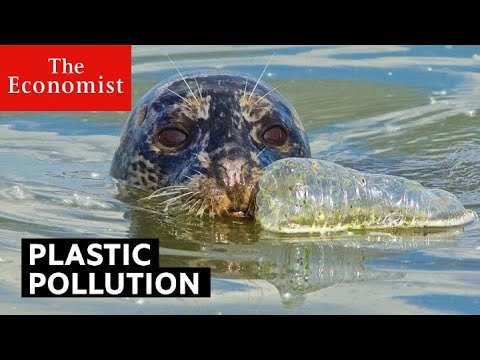
Plastic pollution: is it really that bad? | The Economist
0
Aniceeee posted on 2019/02/25Ever wondered just how bad plastic pollution *really* is? This investigative video from The Economist dives deep into ocean plastics and microplastics, exploring the impact of single-use items and highlighting key areas like Southeast Asia. You'll pick up advanced vocabulary and gain a deeper understanding of this critical global issue!
Learn this video on the APP!
The VoiceTube App has more in-depth practice for videos!