
ability
US /əˈbɪlɪti/
UK /ə'bɪlətɪ/
- Noun (Countable/Uncountable)
- The power, resources or skill to do something
- A particular skill or talent.
A2TOEICMoreacademia
US /ˌækəˈdimiə/
UK /ˌækəˈdi:miə/
- Uncountable Noun
- Academic world; universities and their staff
- The environment or culture of universities and colleges, characterized by intellectual pursuits.
B2Moreaccent
US /ˈækˌsɛnt/
UK /'æksent/
- Transitive Verb
- To give emphasis to (a point you are making)
- Noun
- Feature of a design, e.g. a stripe on a shirt
- Correct spoken emphasis on a part of a word
A2Moreadopt
US /əˈdɑ:pt/
UK /əˈdɒpt/
- Transitive Verb
- To legally take a child into your family
- To take on responsibility for something
A2TOEICMoreaffirmative
US /əˈfɜ:rmətɪv/
UK /əˈfɜ:mətɪv/
- Adjective
- Saying 'yes'; confirming; agreeing to
- Noun
- A statement or answer that expresses agreement or consent.
B2Moreas one
US
UK
- Adverb
- Acting or moving together at the same time.
- In complete agreement or unity.
- Phrase
- With a single voice or opinion; unanimously.
- In perfect harmony or unison.
A1Moreat home
US /æt hom/
UK /æt həum/
- Phrase
- In one's own residence or country.
- Adjective
- Feeling comfortable and relaxed.
at least
US /æt list/
UK /æt li:st/
- Adverb
- As a minimum
- Not less than
- Phrase
- No less than; at the minimum
- Used to indicate that something is positive in a bad situation.
C2Moreaudience
US /ˈɔdiəns/
UK /ˈɔ:diəns/
- Noun (Countable/Uncountable)
- Group of people attending a play, movie etc.
A2TOEICMoreback into
US /bæk ˈɪntu/
UK /bæk ˈɪntuː/
- Phrasal Verb
- To drive a vehicle backwards into a space or area.
- To accidentally collide with something while moving backwards.
A1Morebilingual
US /baɪˈlɪŋɡwəl/
UK /ˌbaɪˈlɪŋgwəl/
- Adjective
- Being able to speak two languages well
- Noun
- Person able to use two languages well
B2Moreclassify
US /ˈklæsəˌfaɪ/
UK /'klæsɪfaɪ/
- Transitive Verb
- To arrange things into groups of similar items
- To keep some information secret from the public
B2Moreclothe
US /kloʊð/
UK /kləʊð/
- Transitive Verb
- To put a certain type of clothing on someone; dress
B1Morecommunicate
US /kəˈmjunɪˌket/
UK /kə'mju:nɪkeɪt/
- Verb (Transitive/Intransitive)
- To give and exchange information
- To convey or make known (information, feelings, etc.)
A2Morecringe
US /krɪndʒ/
UK /krɪndʒ/
- Intransitive Verb
- To crouch or move back suddenly, as in fear
- To behave in a servile or submissive way.
- Transitive Verb
- To cause someone to feel embarrassed or uncomfortable.
C1Moredeck
US /dɛk/
UK /dek/
- Noun
- Floor built into a ship, bus, plane or home
- Transitive Verb
- To hit someone hard enough to knock them down
B1Moredepending on
US
UK
- Phrasal Verb
- To rely on for support (financial or emotional)
- Influenced or determined by.
- Preposition
- Subject to; contingent on
- Relying on someone or something for support or assistance.
A2Moredepth
US /dɛpθ/
UK /depθ/
- Noun
- Distance below a surface
A2Moredirect
US /dɪˈrɛkt, daɪ-/
UK /də'rekt/
- Transitive Verb
- To tell someone in a very clear way to do something
- To show the way by conducting or leading
- Adverb
- Coming straight from something
A2TOEICMoreeliminate
US /ɪˈlɪməˌnet/
UK /ɪ'lɪmɪneɪt/
- Transitive Verb
- To completely remove; to get rid of
- To remove from a contest by beating them
B1TOEICMoreenglish speaker
US
UK
- Noun
- A person who speaks English.
- A person with fluency in English.
A2Moreescalator
US /ˈɛskəˌletɚ/
UK /ˈeskəleɪtə(r)/
- Noun (Countable/Uncountable)
- Moving electrical stairway in public buildings
- Intransitive Verb
- To increase or rise; to intensify.
C1Moreface down
US /fes daʊn/
UK /feis daun/
- Verb (Transitive/Intransitive)
- To confront or deal with someone or something in a brave or determined way.
- Phrasal Verb
- To confront and defeat someone in a contest or confrontation.
A1Morefluency
US /ˈfluːənsi/
UK /ˈflu:ənsi/
- Uncountable Noun
- Ability to do something well and with ease
- Ability to speak or write a language easily
B1TOEICMorefluent
US /'fluːənt/
UK /ˈflu:ənt/
- Adjective
- Doing something well and with ease
- Able to speak or write a language fully and easily
B1TOEICMoreget out of
US /ɡɛt aʊt ʌv/
UK /ɡet aut ɔv/
- Phrasal Verb
- To leave or escape responsibilities, troubles
- To leave a small, enclosed vehicle
A1Morego beyond
US /ɡo biˈɑnd/
UK /ɡəu biˈjɔnd/
- Phrasal Verb
- To do more than planned or expected; exceed
A1Morego on
US /ɡo ɑn/
UK /ɡəu ɔn/
- Phrasal Verb
- To continue doing something
- To happen (usually negative)
- Interjection
- Used to encourage someone
A1Morehave to
US /hæv tu/
UK /ˈhæv tə/
- Auxiliary Verb
- Must do
A1Morehebrew
US /ˈhibru/
UK /ˈhi:bru:/
- Noun
- Ancient Semitic language now spoken in Israel
C2Morehop
US /hɑp/
UK /hɒp/
- Noun
- Dance party
- Small jump, often on one foot
- Intransitive Verb
- To move from one place to another
- To make small jump, as from one foot to the other
B2Morein depth
US /ɪn dɛpθ/
UK /in depθ/
- Adverb
- Thoroughly and carefully; in detail.
in fact
US /ɪn fækt/
UK /in fækt/
- Adverb
- Used to emphasize the truth of a statement, especially one that contrasts with or contradicts something else.
- Used to introduce a more detailed or surprising piece of information.
- Phrase
- Used to emphasize the truth of a statement, especially one that is surprising or contrary to what might be expected.
C1Morein the end
US /ɪn ði ɛnd/
UK /in ðə end/
- Phrase
- Finally; after a period of time or series of events.
- Ultimately; as the final result or consequence.
A1Morein the world
US /ɪn ði wɜrld/
UK /in ðə wɜː(r)ld/
- Phrase
- Used to emphasize a question expressing surprise, confusion, or disbelief.
- Used to indicate the extent or degree of something, often in a superlative sense.
A1Moreinteract
US /ˌɪntɚˈækt/
UK /ˌɪntər'ækt/
- Intransitive Verb
- To talk or do things with each other
A2Moreinteract with
US /ˌɪntɚˈækt wɪð/
UK /ˌɪntərˈækt wið/
- Phrase
- Verb (Transitive/Intransitive)
- To engage in communication or action involving mutual or reciprocal influence.
- To use a computer interface to achieve a specific goal.
A2Morelook at
US /lʊk æt/
UK /luk æt/
- Phrasal Verb
- To use your eyes to focus on something
- To focus your eyes on something carefully
A1Morenative
US /ˈnetɪv/
UK /ˈneɪtɪv/
- Noun (Countable/Uncountable)
- Someone from or born in a specific country
- Original inhabitant, e.g. before others
- Adjective
- Caused by natural ability; innate
A2Morenext to
US /nɛkst tu/
UK /nekst tu:/
- Preposition
- Being located along side another
- In comparison with
- Adverb
- Almost; nearly
A1Moreof course
US /ʌv kɔː(r)s/
UK /ɔv kɔː(r)s/
- Adverb
- Sure ; Certainly
- Phrase
- For sure; certainly
A2Moreof theirs
US /ʌv ðɛrz/
UK /əv ðeəz/
- other
- Belonging to them; their possession or property.
A2Moreon the table
US /ɑn ði ˈtebəl/
UK /ɔn ðə ˈteibl/
- Phrase
- Located on the surface of a table.
- Available for consideration or discussion.
A1Moreopening up
US
UK
- Phrasal Verb
- Revealing one's thoughts and feelings; becoming more communicative.
- Creating new opportunities or possibilities.
B2Morepick it up
US
UK
- Phrasal Verb
- To lift something from a surface.
- To collect something or someone.
A2Moreprocess
US /ˈprɑsˌɛs, ˈproˌsɛs/
UK /prə'ses/
- Transitive Verb
- To organize and use data in a computer
- To deal with official forms in the way required
- Noun (Countable/Uncountable)
- Dealing with official forms in the way required
- Set of changes that occur slowly and naturally
A2TOEICMorepronunciation
US /prəˌnʌnsiˈeʃən/
UK /prəˌnʌnsiˈeɪʃn/
- Noun (Countable/Uncountable)
- How a word is said; how a word sounds
- The manner in which someone utters a word.
B1Morereach
US /ritʃ/
UK /ri:tʃ/
- Verb (Transitive/Intransitive)
- To come to or arrive at a goal or destination
- To be long enough to get to a certain place
- Uncountable Noun
- Power or control someone has over something
A2TOEICMorerequire
US /rɪˈkwaɪr/
UK /rɪ'kwaɪə(r)/
- Transitive Verb
- To demand that someone does something
- To need to do something, to make it necessary
A2TOEICMoreride down
US /raɪd daʊn/
UK /raɪd daʊn/
- other
- To catch or stop someone by chasing on horseback or vehicle.
B2Morescratching the surface
US
UK
- Verb (Transitive/Intransitive)
- To deal with a subject or problem without analyzing it thoroughly.
A1Moreshow of hands
US
UK
- Noun
- A way of voting in which people raise their hands to show that they support something.
A1Moresit with
US /sit wɪð/
UK /sit wið/
- Phrasal Verb
- To stay with someone and provide support or comfort.
- To take time to consider or accept something.
A1Morespeed up
US /spid ʌp/
UK /spi:d ʌp/
- Phrasal Verb
- To move more quickly
A2Morestandard
US /ˈstændəd/
UK /'stændəd/
- Noun
- Official unit of measuring something
- Principle of behaving in a moral way
- Adjective
- Being the accepted normal level of quality
- (Of a language) being the most accepted in a place
A2TOEICMorestart in
US /stɑrt ɪn/
UK /stɑ:t in/
- Phrasal Verb
- To begin a job or activity.
A1Morestatus
US /ˈstetəs, ˈstætəs/
UK /'steɪtəs/
- Uncountable Noun
- Position or rank relative to others in a society
- Legal position of a person or thing
A2TOEICMoresuch as
US /sʌtʃ æz/
UK /sʌtʃ æz/
- Preposition
- For example; like
A1Moreswitch
US /swɪtʃ/
UK /swɪtʃ/
- Noun
- A change or shift from one method to another
- Thing you move to turn electrical items on or off
- Transitive Verb
- To exchange or replace something for another thing
A2TOEICMorethe following
US
UK
- Adjective
- Next in order or sequence.
- Uncountable Noun
- What is about to be said or written.
B1Morethink about
US /θɪŋk əˈbaʊt/
UK /θiŋk əˈbaut/
- Phrasal Verb
- To consider something carefully.
- To remember or call to mind.
A1Moreturned out
US
UK
- Phrasal Verb
- To arrive for a public event or entertainment
- To happen to be in the end
- Transitive Verb
- To extinguish or switch off lights.
A1Moreunconsciously
US /ʌnˈkɑnʃəslɪ/
UK /ʌnˈkɒnʃəsli/
- Adverb
- Without thinking; not deliberately
- Without intending to; involuntarily.
B1Moreused to
US /juzd tu/
UK /ˈju:st tə/
- Adjective
- Did regularly before, but don't do now
- Auxiliary Verb
- Have done before, but do not do now
A1Morevocabulary
US /voˈkæbjəˌlɛri/
UK /və'kæbjələrɪ/
- Uncountable Noun
- Words that have to do with a particular subject
- The words that a person knows
B1TOEICMoreweird
US /wɪrd/
UK /wɪəd/
- Adjective
- Odd or unusual; surprising; strange
- Eerily strange or disturbing.
B1Morewith it
US /wɪð ɪt/
UK /wið it/
- Adjective
- Intelligent, alert, and up-to-date.
- Understanding and knowledgeable about current trends or information.
A1Morework on
US /wɚk ɑn/
UK /wə:k ɔn/
- Phrasal Verb
- To devote effort to improve or develop something
- To try to persuade or influence someone.
A1Morewrite down
US /raɪt daʊn/
UK /rait daun/
- Phrasal Verb
- To record in writing
A1More
Vocabulary
- have to: Must do
- work on: To devote effort to improve or develop something
- of course: Sure ; Certainly
- write down: To record in writing
- at home: In one's own residence or country.
- go on: To continue doing something
- in depth: Thoroughly and carefully; in detail.
- interact with
- start in: To begin a job or activity.
- look at: To use your eyes to focus on something
- in the world: Used to emphasize a question expressing surprise, confusion, or disbelief.
- ride down: To catch or stop someone by chasing on horseback or vehicle.
- used to: Did regularly before, but don't do now
- turned out: To arrive for a public event or entertainment
- next to: Being located along side another
- get out of: To leave or escape responsibilities, troubles
- the following: Next in order or sequence.
- show of hands: A way of voting in which people raise their hands to show that they support something.
- english speaker: A person who speaks English.
- face down: To confront or deal with someone or something in a brave or determined way.
- on the table: Located on the surface of a table.
- opening up: Revealing one's thoughts and feelings; becoming more communicative.
- back into: To drive a vehicle backwards into a space or area.
- as one: Acting or moving together at the same time.
- of theirs: Belonging to them; their possession or property.
- go beyond: To do more than planned or expected; exceed
- such as: For example; like
- in the end: Finally; after a period of time or series of events.
- in fact: Used to emphasize the truth of a statement, especially one that contrasts with or contradicts something else.
- think about: To consider something carefully.
- at least: As a minimum
- scratching the surface: To deal with a subject or problem without analyzing it thoroughly.
- with it: Intelligent, alert, and up-to-date.
- pick it up: To lift something from a surface.
- depending on: To rely on for support (financial or emotional)
- sit with: To stay with someone and provide support or comfort.
- speed up: To move more quickly
- weird: Odd or unusual; surprising; strange
- pronunciation: How a word is said; how a word sounds
- process: To organize and use data in a computer
- accent: To give emphasis to (a point you are making)
- eliminate: To completely remove; to get rid of
- native: Someone from or born in a specific country
- vocabulary: Words that have to do with a particular subject
- audience: Group of people attending a play, movie etc.
- interact: To talk or do things with each other
- fluent: Doing something well and with ease
- sentence: (Of a judge) to decide the punishment of
- ability: The power, resources or skill to do something
- status: Position or rank relative to others in a society
- bit: Device put in a horse's mouth to control it
- reach: To come to or arrive at a goal or destination
- direct: To tell someone in a very clear way to do something
- require: To demand that someone does something
- adopt: To legally take a child into your family
- fluency: Ability to do something well and with ease
- communicate: To give and exchange information
- bilingual: Being able to speak two languages well
- switch: A change or shift from one method to another
- standard: Official unit of measuring something
- social: Involving activity with people, e.g. in free time
- depth: Distance below a surface
- unconsciously: Without thinking; not deliberately
- hop: Dance party
- learn: To get knowledge or skills by study or experience
- cringe: To crouch or move back suddenly, as in fear
- deck: Floor built into a ship, bus, plane or home
- lot: What happens to a person in life from chance; fate
- language: Words or signs used to communicate messages
- point: An item to be discussed
- active: Moving around a lot or doing many things
- head: To hit a ball with your head in a game
- person: Man, woman or child
- turn: To become (a particular age)
- great: Very good; better than before
- affirmative: Saying 'yes'; confirming; agreeing to
- part: Division of a book
- area: Amount of measured space
- understand: To know the meaning of language, what someone says
- escalator: Moving electrical stairway in public buildings
- classify: To arrange things into groups of similar items
- academia: Academic world; universities and their staff
- clothe: To put a certain type of clothing on someone; dress
- hebrew: Ancient Semitic language now spoken in Israel
Get the full experience in the app
Learn anywhere with detailed sentence and usage analysis
01:03
She took a brave step forward, leaving behind her comfort zone to chase her dreams.
Vocabulary
- brave
adj. Having courage
- comfort zone
phr. A familiar situation where one feels safe
Explanation
a brave step is a noun phrase, where brave is an adjective modifying the noun step, meaning "a courageous step".
forward is an adverb modifying step, meaning "ahead".
The whole phrase serves as the object, answering the "what" of took (verb) — she took a brave step forward.
Get the full experience in the app
Look up words anytime with pronunciation, part of speech, and usage
brave
US/brev/
UK/breɪv/
adj.Brave
v.t.To bravely face
A2 Elementary
Get the full experience in the app
Practice speaking anytime and get instant pronunciation feedback
Try this speaking exercise.
Try practicing with this sentence.
80
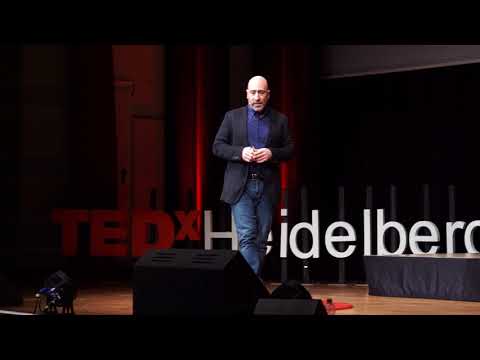
How to Talk Like a Native Speaker | Marc Green | TEDxHeidelberg
0
Claire posted on 2019/01/22Ever wondered how to sound more like a native English speaker? This engaging TEDx talk dives into practical techniques for accent reduction and achieving cultural fluency, sharing personal stories that make learning fun and memorable. You'll pick up tips on simple sentence structures and advanced vocabulary that you can use in everyday conversations!
Learn this video on the APP!
The VoiceTube App has more in-depth practice for videos!