
after all
US /ˈæftɚ ɔl/
UK /ˈɑ:ftə ɔ:l/
- Adverb
- In spite of what was expected; used to introduce a statement that supports a previous statement or explains why it was made
- Considering everything; used to indicate that something is happening or is true despite some difficulty or obstacle
- Phrase
- Despite what was expected or thought; in spite of everything.
- Taking everything into consideration; considering that.
B1Moreallow for
US
UK
- Verb (Transitive/Intransitive)
- To take into consideration
A1Moreample
US /ˈæmpəl/
UK /'æmpl/
- Adjective
- (Of quantity, amount) more than enough
B2TOEICMoreappoint
US /əˈpɔɪnt/
UK /ə'pɔɪnt/
- Transitive Verb
- To officially choose a person for a job, position
A2TOEICMorearound the world
US /əˈraʊnd ði wɜrld/
UK /əˈraund ðə wɜː(r)ld/
- Phrase
- In or to many countries.
- In various places throughout the world.
A2Moreas long as
US /æz lɔŋ æz/
UK /æz lɔŋ æz/
- Conjunction
- For the period that; provided that.
- For the length of time that
- Preposition
- On the condition that; providing that.
- Having the same length as.
A1Moreas soon as
US /æz sun æz/
UK /æz su:n æz/
- Phrase
- In a short time after (something happens)
- Without any delay; immediately
- Conjunction
- At the moment that, or immediately after.
A1Moreat a time
US /æt e taɪm/
UK /æt ə taim/
- Phrase
- Separately; one by one
- Simultaneously; together
A1Moreauthorize
US /ˈɔθəˌraɪz/
UK /'ɔ:θəraɪz/
- Transitive Verb
- To officially or legally allow or give permission
B2TOEICMoreback to work
US
UK
- Phrase
- Returning to one's job or professional duties after a period of absence.
- Interjection
- An expression used to urge or remind people to resume working.
A1Morebill
US /bɪl/
UK /bɪl/
- Noun
- Plan for a new law being discussed by a government
- Sign or poster advertising something
- Transitive Verb
- To request payment by handing over an invoice
A2TOEICMoreborrowing
US /ˈbɑroɪŋ, ˈbɔr-/
UK /ˈbɔrəʊɪŋ, ˈbɔ:r-/
- Transitive Verb
- To take and later return something from another
- To carry one number to another column when adding
A2Morebreach
US /britʃ/
UK /bri:tʃ/
- Transitive Verb
- To break laws or barriers (e.g. walls)
B1TOEICMorebudget
US /ˈbʌdʒɪt/
UK /'bʌdʒɪt/
- Noun (Countable/Uncountable)
- Amount of money planned to be spent
- Verb (Transitive/Intransitive)
- To make a plan for how to spend your money
A2TOEICMoreburn down
US /bɚn daʊn/
UK /bə:n daun/
- Phrasal Verb
- To destroy (usually buildings) by burning
A1Morecause
US /kɔz/
UK /kɔ:z/
- Noun
- Belief, goal or organization that people support
- Reason for
- Transitive Verb
- To make something happen; create effect or result
A2Moreceiling
US /ˈsilɪŋ/
UK /ˈsi:lɪŋ/
- Noun (Countable/Uncountable)
- Top part of a room above your head
- Greatest level that is allowed; limit
- Transitive Verb
- To round a number up to the nearest integer
- To provide a room with a ceiling.
A2Morechaos
US /ˈkeˌɑs/
UK /'keɪɒs/
- Noun (plural)
- State of utter confusion or disorder
- Uncountable Noun
- Complete disorder and confusion.
- Behavior so unpredictable as to appear random, owing to great sensitivity to small changes in conditions.
B1Morecharacterization
US /ˌkærəktəraɪ'zeɪʃn/
UK /ˌkærəktəraɪˈzeɪʃn/
- Uncountable Noun
- The way someone or something is described
A2Morecome back
US /kʌm bæk/
UK /kʌm bæk/
- Phrasal Verb
- To reply to someone, often forcefully
- To be remembered
A1Morecommittee
US /kəˈmɪti/
UK /kəˈmɪti/
- Countable Noun
- Group of people who do or decide something
- A body of people formally appointed to consider or take action on a particular matter.
A2Moreconfidence
US /ˈkɑnfɪdəns/
UK /'kɒnfɪdəns/
- Uncountable Noun
- Feeling that you can do well at something
- Feeling you can trust someone
A2Moreconsumer
US /kənˈsumɚ/
UK /kənˈsju:mə(r)/
- Countable Noun
- Person who buys goods or services
- An economic agent who uses goods and services.
- Adjective
- Relating to people who buy goods and services.
A2Morecredibility
US /ˌkrɛdəˈbɪlɪti/
UK /ˌkredəˈbɪləti/
- Uncountable Noun
- Quality of being believable or deserving of trust
B2Morecredit rating
US /ˈkrɛdɪt ˈretɪŋ/
UK /ˈkredit ˈreitiŋ/
- Noun
- An evaluation of the credit risk of a prospective debtor, predicting their ability to pay back the debt, and an implicit forecast of the likelihood of the debtor defaulting.
C1Moredeal with
US /dil wɪð/
UK /di:l wið/
- Verb (Transitive/Intransitive)
- To buy or sell goods or services.
- Phrasal Verb
- To take action to solve a problem or manage a situation.
- To be about; concern.
A1Moredebt
US /dɛt/
UK /det/
- Noun (Countable/Uncountable)
- Sum of money owed to someone that is not yet paid
- A moral or social obligation.
A2TOEICMoredecide
US /dɪˈsaɪd/
UK /dɪ'saɪd/
- Verb (Transitive/Intransitive)
- To make a choice or choose after thinking about it
- To make a legal judgment in court
A2TOEICMoredefault
US /dɪˈfɔlt/
UK /dɪ'fɔ:lt/
- Noun (Countable/Uncountable)
- Automatic setting when no indicated preference
- Failure to meet an agreement or make a payment
- Verb (Transitive/Intransitive)
- To fail to meet as agreed; failure to pay
- To return to a previously determined state
B2TOEICMoredeficit
US /ˈdɛfɪsɪt/
UK /ˈdefɪsɪt/
- Noun (Countable/Uncountable)
- Amount less than what is needed or required
- The amount by which expenditure or liabilities exceed income or assets.
B1Moredemand
US /dɪˈmænd/
UK /dɪ'mɑ:nd/
- Noun (Countable/Uncountable)
- Desire customers have to buy product, service
- A strong request for someone to do something
- Transitive Verb
- To strongly request someone to do something
- To need something.
A2TOEICMoredemocracy
US /dɪˈmɑkrəsi/
UK /dɪ'mɒkrəsɪ/
- Noun (Countable/Uncountable)
- System of government in which everyone is equal
- Principles of social equality and respect for the individual within a society.
B1Moredime
US /daɪm/
UK /daɪm/
- Countable Noun
- Coin worth 10 US cents
B2Moredown with
US /daʊn wɪð/
UK /daun wið/
- Adjective
- Suffering from an illness.
- Agreeable to; in favor of.
- Interjection
- An expression of opposition to something.
A1Moreeconomic
US /ˌɛkəˈnɑmɪk, ˌikə-/
UK /ˌi:kəˈnɒmɪk/
- Adjective
- Concerning trade, industry, and money
- Financially worthwhile; profitable.
- Noun
- A system relating to economics
- A factor relating to economics
A2Moreentitlement
US /ɛnˈtaɪtlmənt/
UK /ɪnˈtaɪtlmənt/
- Uncountable Noun
- Right (to benefits) granted by law, contract
- The belief that one is inherently deserving of privileges or special treatment.
B2Moreextreme
US /ɪkˈstrim/
UK /ɪk'stri:m/
- Adjective
- Very great in degree
- Farthest from a center
- Noun
- Effort that is thought more than is necessary
- The furthest point or limit of something.
B1Morefor a minute
US
UK
- Phrase
- For a short period of time; briefly.
- Used to indicate a sudden realization or thought.
A1Morefrom the start
US /frʌm ði stɑrt/
UK /frɔm ðə stɑ:t/
- Phrase
- From the very beginning; from the outset.
A1Moreglobal
US /ˈgloʊbl/
UK /ˈgləʊbl/
- Adjective
- Concerning, involving, affecting all of something
- Of, affecting, or involving the entire world
A2TOEICMorego through with
US /ɡo θru wɪð/
UK /ɡəu θru: wið/
- Phrasal Verb
- To complete a promise or plan that is difficult
A1Moregot to
US /ɡɑt tu/
UK /gɔt tu:/
- Verb (Transitive/Intransitive)
- To arrive at some place
- To have the opportunity or permission to do something
- Phrasal Verb
- To appeal to the emotions of; move
- To finally begin to start something after a delay
A1Morehardship
US /ˈhɑrdˌʃɪp/
UK /ˈhɑ:dʃɪp/
- Uncountable Noun
- When life is not easy, e.g. through being poor
B1Morehash
US /hæʃ/
UK /hæʃ/
- Noun (Countable/Uncountable)
- A mixture of meat, potatoes, and vegetables cut into small pieces and baked or fried
- The symbol # on a phone or computer keyboard
C1Morehash out
US /hæʃ aʊt/
UK /hæʃ aut/
- Phrasal Verb
- To discuss something thoroughly in order to reach an agreement or solution.
have to
US /hæv tu/
UK /ˈhæv tə/
- Auxiliary Verb
- Must do
A1Morehead up
US /hɛd ʌp/
UK /hed ʌp/
- Phrasal Verb
- To lead or manage a team, project, or organization.
A1Morein business
US /ɪn ˈbɪznɪs/
UK /in ˈbiznis/
- Phrase
- Actively operating as a commercial enterprise.
- Having a commercial partnership or association.
A1Morein exchange for
US /ɪn ɪksˈtʃendʒ fɔr/
UK /in iksˈtʃeindʒ fɔ:/
- Phrase
- Given or done as an equivalent or substitute for.
B1Morein half
US /ɪn hæf/
UK /in hɑ:f/
- Adverb
- Divided into two equal parts.
- Partially; to some extent.
A1Morein particular
US /ɪn pɚˈtɪkjəlɚ/
UK /in pəˈtikjulə/
- Phrase
- Specifically; especially.
- Detailed or precise.
A1Morein private
US /ɪn ˈpraɪvɪt/
UK /in ˈpraivit/
- Phrase
- Not in public; in a place where other people cannot see or hear you
- In a confidential manner; not intended for general knowledge
B1Morein terms of
US
UK
- Phrase
- With regard to; concerning a particular aspect.
A1Morein the house
US
UK
- Phrase
- Located inside a building used as a dwelling.
- Within a legislative body, such as a parliament or congress.
A1Morein the past
US
UK
- Phrase
- During a former period of time; previously.
A1Morein the world
US /ɪn ði wɜrld/
UK /in ðə wɜː(r)ld/
- Phrase
- Used to emphasize a question expressing surprise, confusion, disbelief
- Used to indicate the extent or degree of something, often in a superlative sense
A1Moreinconvenience
US /ˌɪnkənˈvinjəns/
UK /ˌɪnkənˈvi:niəns/
- Uncountable Noun
- Quality of being difficult or annoying to do
B1TOEICMoreironically
US /aɪ'rɒnɪklɪ/
UK /aɪ'rɒnɪklɪ/
- Adverb
- Contrary to plan or expectation
B2Moreirresponsible
US /ˌɪrɪˈspɑ:nsəbl/
UK /ˌɪrɪˈspɒnsəbl/
- Adjective
- Acting without thinking of the consequences
A2Moreof course
US /ʌv kɔː(r)s/
UK /ɔv kɔː(r)s/
- Adverb
- Sure ; Certainly
- Phrase
- For sure; certainly
A2Moreon earth
US /ɑn ɚθ/
UK /ɔn ə:θ/
- Phrase
- Used to emphasize a question expressing surprise or anger.
- Used to emphasize that something is not possible or will not happen.
A1Moreon time
US /ɑn taɪm/
UK /ɔn taim/
- Phrase
- Adjective
- Arriving at or done by the required time
- Meeting a deadline; punctual in fulfilling obligations.
A1Moreout there
US /aʊt ðɛr/
UK /aut ðɛə/
- Adverb
- In or to a place that is far away
- Existing in the universe
- Adjective
- Unconventional; strange; avant-garde
- Existing or available.
A1Morepass a bill
US
UK
- Transitive Verb
- To approve a proposed law.
A2Moreplunge
US /plʌndʒ/
UK /plʌndʒ/
- Intransitive Verb
- (Of prices, hopes etc.) to decrease very quickly
- Verb (Transitive/Intransitive)
- To dive (into water)
B1TOEICMoreput aside
US
UK
- Phrasal Verb
- To save money regularly.
- To temporarily ignore or forget something, such as a disagreement or problem.
A1Moreransom
US /ˈrænsəm/
UK /ˈrænsəm/
- Noun
- Money demanded for the release of a prisoner
B2Morereasonable
US /ˈrizənəbəl/
UK /ˈri:znəbl/
- Adjective
- Being somewhat good, but not great
- Fair and sensible; appropriate
A2TOEICMorerecession
US /rɪˈsɛʃən/
UK /rɪˈseʃn/
- Uncountable Noun
- Act of moving backward gradually
- Decreased business activity, when work is scarce
- Noun
- a period of low economic activity
- period of economic decline
B2TOEICMorereckless
US /ˈrɛklɪs/
UK /'rekləs/
- Adjective
- Being dangerous and not caring about the results
B2Morereconsider
US /ˌrikənˈsɪdɚ/
UK /ˌri:kənˈsɪdə(r)/
- Verb (Transitive/Intransitive)
- To think whether to change an earlier decision
B1TOEICMorereform
US /rɪˈfɔrm/
UK /rɪ'fɔ:m/
- Transitive Verb
- To re-shape something to a better condition
- To (cause to) lead a non-criminal life
- Noun
- An improvement, especially in a person's behaviour or in the structure of something
A2Morereject
US /rɪˈdʒɛkt/
UK /rɪˈdʒekt/
- Noun (Countable/Uncountable)
- Goods that are not suitable for sale at full price
- Person others do not like, or refuse to accept
- Transitive Verb
- To decide that something is not good enough
- To refuse, deny to believe, accept, or consider
A2TOEICMoreshut down
US /ʃʌt daʊn/
UK /ʃʌt daun/
- Phrasal Verb
- To close an operating system, e.g. on a computer
- To stop a factory/machine from operating
- Transitive Verb
- To deactivate a nuclear reactor.
- To turn off a computer or other electronic device.
A2Moreshutdown
US /ˈʃʌtˌdaʊn/
UK /ˈʃʌtdaʊn/
- Noun
- Termination of operations
C2Moresit down
US /sit daʊn/
UK /sit daun/
- Phrasal Verb
- To take a seat
A1Morespending
US /ˈspɛndɪŋ/
UK /ˈspendɪŋ/
- Gerund
- To use money to pay for something
- To use time in order to do something
A2Morespring for
US
UK
- Phrasal Verb
- To pay for something, often unexpectedly or generously.
A1Morestrategy
US /ˈstrætədʒi/
UK /'strætədʒɪ/
- Noun (Countable/Uncountable)
- Careful plan or method for achieving a goal
- Branch of military dealing with command
A2TOEICMoretalking about
US
UK
- Phrasal Verb
- To discuss a particular topic.
- To be constantly mentioning or bringing up a subject.
A1Morethink about
US /θɪŋk əˈbaʊt/
UK /θiŋk əˈbaut/
- Phrasal Verb
- To consider something carefully.
- To remember or call to mind.
A1Morethreaten
US /ˈθrɛtn/
UK /ˈθretn/
- Transitive Verb
- To cause something potential harm, or put at risk
- To say you may harm or hurt someone
A2Morethrough with
US
UK
- Phrase
- Having had enough (of trouble); wanting to stop
A1Moreto do with
US
UK
- Phrasal Verb
- To be about something; concern
A1Morevote
US /vot/
UK /vəʊt/
- Verb (Transitive/Intransitive)
- To make a choice for or against, as in an election
- Noun
- Act of deciding who to choose in an election
A2Morevote in
US /voʊt ɪn/
UK /vəut ɪn/
- other
- To elect someone into a position by voting.
B1Morewith it
US /wɪð ɪt/
UK /wið it/
- Adjective
- Intelligent, alert, and up-to-date.
- Understanding and knowledgeable about current trends or information.
A1Morework to do
US
UK
- Phrase
- Tasks or activities that need to be accomplished.
- Obligations or responsibilities that require effort and attention.
A1More
Vocabulary
- in the house: Located inside a building used as a dwelling.
- got to: To arrive at some place
- deal with
- sit down: To take a seat
- hash out: To discuss something thoroughly in order to reach an agreement or solution.
- pass a bill: To approve a proposed law.
- out there: In or to a place that is far away
- in the world: Used to emphasize a question expressing surprise, confusion, disbelief
- have to: Must do
- think about: To consider something carefully.
- burn down: To destroy (usually buildings) by burning
- in business: Actively operating as a commercial enterprise.
- in private: Not in public; in a place where other people cannot see or hear you
- in particular: Specifically; especially.
- in exchange for: Given or done as an equivalent or substitute for.
- from the start: From the very beginning; from the outset.
- down with: Suffering from an illness.
- after all: In spite of what was expected; used to introduce a statement that supports a previous statement or explains why it was made
- shut down: To close an operating system, e.g. on a computer
- vote in: To elect someone into a position by voting.
- back to work: Returning to one's job or professional duties after a period of absence.
- as soon as: In a short time after (something happens)
- for a minute: For a short period of time; briefly.
- credit rating: An evaluation of the credit risk of a prospective debtor, predicting their ability to pay back the debt, and an implicit forecast of the likelihood of the debtor defaulting.
- go through with: To complete a promise or plan that is difficult
- through with: Having had enough (of trouble); wanting to stop
- with it: Intelligent, alert, and up-to-date.
- of course: Sure ; Certainly
- allow for: To take into consideration
- in the past: During a former period of time; previously.
- talking about: To discuss a particular topic.
- at a time: Separately; one by one
- come back: To reply to someone, often forcefully
- in half: Divided into two equal parts.
- on time
- to do with: To be about something; concern
- in terms of
- head up: To lead or manage a team, project, or organization.
- spring for: To pay for something, often unexpectedly or generously.
- as long as: For the period that; provided that.
- around the world: In or to many countries.
- on earth: Used to emphasize a question expressing surprise or anger.
- put aside: To save money regularly.
- work to do: Tasks or activities that need to be accomplished.
- house: Place where a specific activity or business occurs
- pay: To give money for goods or work done
- talk: Style of speaking
- party: Social event often with food, drinks and dancing
- people: Persons sharing culture, country, background, etc.
- long: Person's name
- good: Proper, appropriate or right
- business: A company formed for making profit
- time: Speed at which music is played; tempo
- open: To make accessible or able to be used, e.g. road
- put: To move or place a thing in a particular position
- work: The product of some artistic or literary endeavor
- week: Period of seven days from Sunday to Saturday
- show: To be easily seen or displayed
- great: Very good; better than before
- ceiling: Top part of a room above your head
- spending: To use money to pay for something
- bill: Plan for a new law being discussed by a government
- pass: Act of giving a ball to another player in a sport
- care: To feel interest, concern, or worry
- borrowing: To take and later return something from another
- office: Room or building used for business
- health: (Person, company) being in a good condition; well
- improve: To make, or become, something better
- price: Person's name
- fair: Neither very good nor very bad; average
- point: An item to be discussed
- decide: To make a choice or choose after thinking about it
- add: To include as well
- middle: Place that is halfway between two things
- government: Group of people and system that rule a nation
- economic: Concerning trade, industry, and money
- vote: To make a choice for or against, as in an election
- raise: To increase a bet above another when playing cards
- reasonable: Being somewhat good, but not great
- deal: To cope with something - usually troubles
- demand: Desire customers have to buy product, service
- extreme: Very great in degree
- increase: To make or become larger in size or amount
- inconvenience: Quality of being difficult or annoying to do
- position: Person's opinion or attitude about something
- act: To behave in a certain way
- basic: At the most important or easiest (beginner) level
- irresponsible: Acting without thinking of the consequences
- chance: The way something happens without planning
- budget: Amount of money planned to be spent
- debt: Sum of money owed to someone that is not yet paid
- reject: Goods that are not suitable for sale at full price
- recession: Act of moving backward gradually
- economy: Using money, resources in a careful, effective way
- chaos: State of utter confusion or disorder
- confidence: Feeling that you can do well at something
- cause: Belief, goal or organization that people support
- committee: Group of people who do or decide something
- democracy: System of government in which everyone is equal
- threaten: To cause something potential harm, or put at risk
- consumer: Person who buys goods or services
- strategy: Careful plan or method for achieving a goal
- global: Concerning, involving, affecting all of something
- entitlement: Right (to benefits) granted by law, contract
- authorize: To officially or legally allow or give permission
- plunge: (Of prices, hopes etc.) to decrease very quickly
- deficit: Amount less than what is needed or required
- reconsider: To think whether to change an earlier decision
- appoint: To officially choose a person for a job, position
- hardship: When life is not easy, e.g. through being poor
- ample: (Of quantity, amount) more than enough
- reform: To re-shape something to a better condition
- ironically: Contrary to plan or expectation
- credibility: Quality of being believable or deserving of trust
- reckless: Being dangerous and not caring about the results
- shutdown: Termination of operations
- default: Automatic setting when no indicated preference
- ransom: Money demanded for the release of a prisoner
- hash: A mixture of meat, potatoes, and vegetables cut into small pieces and baked or fried
- dime: Coin worth 10 US cents
- characterization: The way someone or something is described
- breach: To break laws or barriers (e.g. walls)
Get the full experience in the app
Learn anywhere with detailed sentence and usage analysis
01:03
She took a brave step forward, leaving behind her comfort zone to chase her dreams.
Vocabulary
- brave
adj. Having courage
- comfort zone
phr. A familiar situation where one feels safe
Explanation
a brave step is a noun phrase, where brave is an adjective modifying the noun step, meaning "a courageous step".
forward is an adverb modifying step, meaning "ahead".
The whole phrase serves as the object, answering the "what" of took (verb) — she took a brave step forward.
Get the full experience in the app
Look up words anytime with pronunciation, part of speech, and usage
brave
US/brev/
UK/breɪv/
adj.Brave
v.t.To bravely face
A2 Elementary
Get the full experience in the app
Practice speaking anytime and get instant pronunciation feedback
Try this speaking exercise.
Try practicing with this sentence.
80
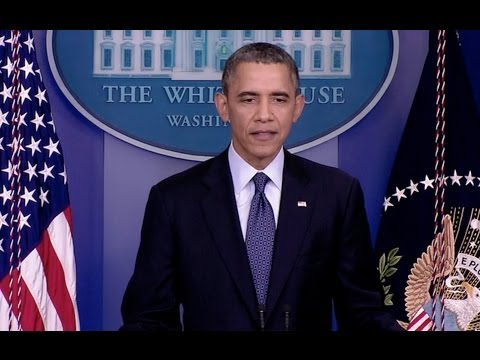
President Obama Delivers a Statement on the Government Shutdown
0
VoiceTube posted on 2013/10/14Ever wondered what happens during a government shutdown and why it matters to the middle class? President Obama's statement dives deep into budget negotiations and debt ceiling issues, giving you a chance to pick up essential vocabulary for understanding complex political discussions. This is a fantastic opportunity to boost your comprehension of urgent appeals and gain cultural depth!
Learn this video on the APP!
The VoiceTube App has more in-depth practice for videos!