
accumulate
US /əˈkjumjəˌlet/
UK /əˈkju:mjəleɪt/
- Verb (Transitive/Intransitive)
- To gather or acquire so that you have more of it
C2Moreafter all
US /ˈæftɚ ɔl/
UK /ˈɑ:ftə ɔ:l/
- Adverb
- In spite of what was expected; used to introduce a statement that supports a previous statement or explains why it was made
- Considering everything; used to indicate that something is happening or is true despite some difficulty or obstacle
- Phrase
- Despite what was expected or thought; in spite of everything.
- Taking everything into consideration; considering that.
B1Moreantibiotic
US /ˌæntibaɪˈɑ:tɪk/
UK /ˌæntibaɪˈɒtɪk/
- Adjective
- (Drug) used to fight certain kinds of diseases
- Noun
- Medicine that kills bacteria to fight infections
B1Moreat home
US /æt hom/
UK /æt həum/
- Phrase
- In one's own residence or country.
- Adjective
- Feeling comfortable and relaxed.
at least
US /æt list/
UK /æt li:st/
- Adverb
- As a minimum
- Not less than
- Phrase
- No less than; at the minimum
- Used to indicate that something is positive in a bad situation.
C2Moreback then
US
UK
- Phrase
- At that time in the past.
A1Morebacteria
US /bækˈtɪriə/
UK /bæk'tɪərɪə/
- Noun (plural)
- The very small creatures that can cause disease
B2Morebacterial
US /bæk'tɪərɪrl/
UK /bæk'tɪərɪəl/
- Adjective
- Concerning or caused by bacteria
B2Morebacterium
US /bækˈtɪriəm/
UK /bæk'tɪərɪəm/
- Countable Noun
- The very small creatures that can cause disease
B2Morebased on
US
UK
- Phrasal Verb
- To use something as the foundation or starting point for something else.
- Preposition
- Using something as the main idea or foundation.
- Relying on something as evidence or justification.
A1Morebiotech
US /ˌbaɪoˈtɛk/
UK /'baɪəʊtek/
- Noun
- Shortened form of biotechnology
C2Morecause
US /kɔz/
UK /kɔ:z/
- Noun
- Belief, goal or organization that people support
- Reason for
- Transitive Verb
- To make something happen; create effect or result
A2Morechronic
US /ˈkrɑnɪk/
UK /'krɒnɪk/
- Adjective
- Always or often doing something, e.g. lying
- (Of disease) over a long time; serious
B1Moreclue
US /klu/
UK /klu:/
- Noun
- Information that helps explain something; hint
B1Morecommission
US /kəˈmɪʃən/
UK /kə'mɪʃn/
- Noun (Countable/Uncountable)
- Money paid for a service, e.g. money exchanging
- An official role or title in the military
- Transitive Verb
- To hire someone, order work to be done for payment
- To formally ask someone to create or produce something.
A2TOEICMorecultivate
US /ˈkʌltəˌvet/
UK /'kʌltɪveɪt/
- Transitive Verb
- To grow plants, crops etc.
- To cause to grow by education; to enlighten
B1Morecure
US /kjʊr/
UK /kjʊə(r)/
- Noun
- Something that solves a problem or makes it better
- Medical treatment making a sick person healthy
- Transitive Verb
- To fix or improve a problem
- To make someone healthy or make a disease go away
B1Moredisease
US /dɪˈziz/
UK /dɪˈzi:z/
- Noun (Countable/Uncountable)
- Illness that affects a person, animal, or plant
- A disorder of structure or function in a plant, especially one caused by a pathogen.
- Transitive Verb
- To affect with disease; to corrupt or sicken.
A2TOEICMoredna
US
UK
- Noun (Countable/Uncountable)
- Chemical in living cells with genetic information
B2Moreelectron
US /ɪˈlektrɑ:n/
UK /ɪˈlektrɒn/
- Countable Noun
- A negatively charged particle
B2Moreestimate
US /ˈɛstəˌmet/
UK /'estɪmət/
- Noun (Countable/Uncountable)
- Guess or calculation of cost, size or value
- A judgment or opinion.
- Transitive Verb
- To guess or calculate the cost, size or value of
- To form an approximate idea or judgment of.
A2TOEICMoreexpectancy
US /ɪkˈspɛktənsi/
UK /ɪkˈspektənsi/
- Uncountable Noun
- Excited feeling that something is will happen soon
B1TOEICMoreextremely
US /ɪk'strimlɪ/
UK /ɪkˈstri:mli/
- Adverb
- In a way that is much more than usual or expected
- Remarkably; unusually.
B1Morefor the most part
US
UK
- Phrase
- Generally; mostly; on the whole.
- Mostly; generally; in most cases.
A1Moreforget about
US /fɚˈɡɛt əˈbaʊt/
UK /fəˈɡet əˈbaut/
- Phrasal Verb
- To stop thinking about something; to ignore something.
A1Moregenomic
US /dʒi:'ŋoʊmɪk/
UK /dʒi:'ŋəʊmɪk/
- Adjective
- Concerning the set of genetic material in a cell
B2Moreget here
US
UK
- Intransitive Verb
- To arrive at a specific location.
A1Morego back to
US /ɡo bæk tu/
UK /ɡəu bæk tu:/
- Phrasal Verb
- To return to a starting point
A1Morego on
US /ɡo ɑn/
UK /ɡəu ɔn/
- Phrasal Verb
- To continue doing something
- To happen (usually negative)
- Interjection
- Used to encourage someone
A1Moregoing on
US /ˈɡoɪŋ ɑn/
UK /ˈgəʊɪŋ ɔn/
- Phrasal Verb
- To continue doing something
- To happen (usually negative)
A1Moreillness
US /ˈɪlnɪs/
UK /ˈɪlnəs/
- Uncountable Noun
- Unhealthy condition of the mind or body
- A particular instance or type of disease.
A2Morein check
US /ɪn tʃɛk/
UK /in tʃek/
- Phrase
- Under control; restrained.
- Verified or confirmed to be correct or accurate.
in effect
US /ɪn ɪˈfɛkt/
UK /in iˈfekt/
- Phrase
- In reality; in practice; virtually
A1Morein mind
US /ɪn maɪnd/
UK /in maind/
- Phrase
- Being aware of or considering something.
- To remember or consider something.
A2Morein reality
US /ɪn riˈælɪti/
UK /in riˈæliti/
- Phrase
- Actually; in fact; truly.
B2Morein tandem
US /ɪn ˈtændəm/
UK /in ˈtændəm/
- Phrase
- (Of two people/organizations) working together
C1Morein time
US /ɪn taɪm/
UK /in taim/
- Adverb
- Eventually; after a period of time.
- Not late; with enough time to spare.
- Phrase
- Eventually; before it is too late.
- According to the scheduled time; punctual.
A1Moreinfection
US /ɪnˈfɛkʃən/
UK /ɪnˈfekʃn/
- Noun
- (Computers) Having a computer virus
- Making or becoming sick with a bacteria/virus
A2Moreinhibit
US /ɪnˈhɪbɪt/
UK /ɪn'hɪbɪt/
- Transitive Verb
- To stop a person expressing themselves normally
- To stop something happening; restrain something
B1Moreinvisible
US /ɪnˈvɪzəbəl/
UK /ɪnˈvɪzəbl/
- Adjective
- Being unable to be seen
- Of money earned from services, instead of products
B1TOEICMoreknow about
US /noʊ əˈbaʊt/
UK /nəʊ əˈbaut/
- Phrasal Verb
- To have information or understanding of a subject or situation.
latch
US /lætʃ/
UK /lætʃ/
- Transitive Verb
- To tightly attach yourself to something
- Noun
- A (door lock)
B2Morelatch on
US /lætʃ ɑn/
UK /lætʃ ɔn/
- Phrasal Verb
- To understand something, often after a period of confusion or delay.
- To become very attached to someone.
A1Morelike a dream
US /laɪk ə ˈdrim/
UK /laɪk ə ˈdri:m/
- other
- Working or performing extremely well or smoothly.
B1Morelook at
US /lʊk æt/
UK /luk æt/
- Phrasal Verb
- To use your eyes to focus on something
- To focus your eyes on something carefully
A1Morelookout
US /ˈlʊkˌaʊt/
UK /ˈlʊkaʊt/
- Countable Noun
- Person who keeps watch, e.g. for an enemy
- Intransitive Verb
- To keep watch for some anticipated event
C2Moremicrobe
US /ˈmaɪkroʊb/
UK /ˈmaɪkrəʊb/
- Noun (Countable/Uncountable)
- Very small, microscopic, living thing
C1Moremicroscopic
US /ˌmaɪkrəˈskɑ:pɪk/
UK /ˌmaɪkrəˈskɒpɪk/
- Adjective
- Too small to be seen with the eyes
- Relating to or involving the use of a microscope.
B1Moremove back
US /muv bæk/
UK /mu:v bæk/
- Phrasal Verb
- To retreat or withdraw from a position.
- To reposition or shift something to a previous location.
A2Moremove out
US /muv aʊt/
UK /mu:v aut/
- Phrasal Verb
- To leave a house or flat permanently.
- To advance from a defensive position.
A2Moreobvious
US /ˈɑbviəs/
UK /ˈɒbviəs/
- Adjective
- Easily understood and clear; plain to see
- Easy to see or notice.
A2TOEICMoreof course
US /ʌv kɔː(r)s/
UK /ɔv kɔː(r)s/
- Adverb
- Sure ; Certainly
- Phrase
- For sure; certainly
A2Moreon earth
US /ɑn ɚθ/
UK /ɔn ə:θ/
- Phrase
- Used to emphasize a question expressing surprise or anger.
- Used to emphasize that something is not possible or will not happen.
A1Moreon the hunt
US /ɑn ði hʌnt/
UK /ɔn ðə hʌnt/
- Phrase
- Actively searching for someone or something.
A1Moreon the lookout
US /ɑn ði ˈlʊkˌaʊt/
UK /ɔn ðə ˈlʊkˌaʊt/
- Adjective
- Vigilantly searching for someone or something.
- Idiom
- To be watching carefully in order to detect something, such as danger or opportunity.
A1Moreon the market
US
UK
- Phrase
- Available for sale.
- Actively seeking employment.
A2Moreon the verge of
US /ɑn ði vɚdʒ ʌv/
UK /ɔn ðə və:dʒ ɔv/
- Phrase
- Very near to doing or experiencing something.
A1Moreon to
US /ɑn tu/
UK /ɔn tu:/
- Preposition
- Toward something; forward
- Aware of someone's activities.
- Adjective
- Aware of someone's deception or illegal activities.
A1Moreonslaught
US /ˈɑnˌslɔt,ˈɔn-/
UK /ˈɒnslɔ:t/
- Noun
- Violent attack; a sudden rush of something
C1Moreout there
US /aʊt ðɛr/
UK /aut ðɛə/
- Adverb
- In or to a place that is far away
- Existing in the universe
- Adjective
- Unconventional; strange; avant-garde
- Existing or available.
A1Morepathogen
US /ˈpæθədʒən/
UK /ˈpæθədʒən/
- Noun
- Any disease-producing agent
C1Morepatient
US /ˈpeʃənt/
UK /'peɪʃnt/
- Adjective
- Not getting annoyed when things take a long time
- Bearing or enduring pain or trials without complaint; exhibiting forbearance.
- Countable Noun
- Person who receives medical treatment or care
A2Morepenicillin
US /ˌpɛnɪˈsɪlɪn/
UK /ˌpenɪ'sɪlɪn/
- Noun
- Medicine that treats infection by killing bacteria
C1Moreper year
US
UK
- Phrase
- For each year; annually.
A2Morepotential
US /pəˈtɛnʃəl/
UK /pəˈtenʃl/
- Adjective
- Capable of happening or becoming reality
- Having or showing the capacity to develop into something in the future.
- Uncountable Noun
- someone's or something's ability to develop, achieve, or succeed
A2TOEICMoreprinciple
US /ˈprɪnsəpəl/
UK /ˈprɪnsəpl/
- Noun (Countable/Uncountable)
- Moral rule or belief governing a person's behavior
- Natural law that explains how things work
A2TOEICMorereality
US /riˈælɪti/
UK /rɪ'ælətɪ/
- Noun (Countable/Uncountable)
- What is true, as opposed to what is imagined
- The state of things as they actually exist, rather than as they may appear or might be imagined.
A2Morerole
US /rol/
UK /rəʊl/
- Noun
- Character played by an actor
- Part you play in an activity; job; responsibility
A2Moresequence
US /ˈsikwəns, -ˌkwɛns/
UK /'si:kwəns/
- Noun
- Part of a movie showing one part of the story
- A particular order in which related events, movements, or things follow each other.
- Transitive Verb
- To arrange things in an order they should happen
A2TOEICMorespectrum
US /ˈspɛktrəm/
UK /'spektrəm/
- Noun
- The wavelengths of colors from red to violet
- a range of different positions, opinions, etc. between two extreme points
B1Moresuch as
US /sʌtʃ æz/
UK /sʌtʃ æz/
- Preposition
- For example; like
A1Moresuperhero
US /ˈsu:pərhɪroʊ/
UK /ˈsu:pəhɪərəʊ/
- Noun
- Fictional character who fights evil
C2Moresurvive
US /sɚˈvaɪv/
UK /sə'vaɪv/
- Intransitive Verb
- To continue to live despite illness or trouble
A2TOEICMoretalking about
US
UK
- Phrasal Verb
- To discuss a particular topic.
- To be constantly mentioning or bringing up a subject.
A1Moretandem
US /ˈtændəm/
UK /ˈtændəm/
- Noun
- A bicycle with two sets of pedals and saddles
C1Moretherapy
US /ˈθɛrəpi/
UK /'θerəpɪ/
- Noun (Countable/Uncountable)
- Treatment to help cure an illness
- Psychological counseling to help resolve personal or emotional problems.
B2Morethink about
US /θɪŋk əˈbaʊt/
UK /θiŋk əˈbaut/
- Phrasal Verb
- To consider something carefully.
- To remember or call to mind.
A1Moretiny
US /ˈtaɪni/
UK /'taɪnɪ/
- Adjective
- Very, very small
A2Moretypically
US /ˈtɪpɪklɪ/
UK /ˈtɪpɪkli/
- Adverb
- In a normal or usual way
B1Moreunderway
US /ˌʌndɚˈwe/
UK /ˌʌndəˈweɪ/
- Adverb
- Happening now
B2TOEICMorevirus
US /ˈvaɪrəs/
UK /'vaɪrəs/
- Noun
- File secretly put on computers to cause harm
- Living organism that causes disease or sickness
B1Moreweird
US /wɪrd/
UK /wɪəd/
- Adjective
- Odd or unusual; surprising; strange
- Eerily strange or disturbing.
B1Morework in
US /wɚk ɪn/
UK /wə:k in/
- Phrasal Verb
- To make an opening for something in your schedule
- To fit person/thing into a schedule or sequence
A1Moreyin
US /jɪn/
UK /jɪn/
- Noun
- In Chinese philosophy, female force joining yang
C2More
Vocabulary
- after all: In spite of what was expected; used to introduce a statement that supports a previous statement or explains why it was made
- going on: To continue doing something
- think about: To consider something carefully.
- look at: To use your eyes to focus on something
- go back to: To return to a starting point
- back then: At that time in the past.
- out there: In or to a place that is far away
- in reality: Actually; in fact; truly.
- on the lookout: Vigilantly searching for someone or something.
- on to: Toward something; forward
- latch on: To understand something, often after a period of confusion or delay.
- in effect: In reality; in practice; virtually
- on the hunt: Actively searching for someone or something.
- go on: To continue doing something
- move out: To leave a house or flat permanently.
- in check: Under control; restrained.
- in tandem: (Of two people/organizations) working together
- talking about: To discuss a particular topic.
- on earth: Used to emphasize a question expressing surprise or anger.
- know about: To have information or understanding of a subject or situation.
- on the market: Available for sale.
- at least: As a minimum
- move back: To retreat or withdraw from a position.
- in time: Eventually; after a period of time.
- work in: To make an opening for something in your schedule
- based on: To use something as the foundation or starting point for something else.
- such as: For example; like
- for the most part: Generally; mostly; on the whole.
- like a dream: Working or performing extremely well or smoothly.
- forget about: To stop thinking about something; to ignore something.
- of course: Sure ; Certainly
- get here: To arrive at a specific location.
- at home: In one's own residence or country.
- per year: For each year; annually.
- on the verge of: Very near to doing or experiencing something.
- in mind: Being aware of or considering something.
- weird: Odd or unusual; surprising; strange
- chronic: Always or often doing something, e.g. lying
- potential: Capable of happening or becoming reality
- obvious: Easily understood and clear; plain to see
- extremely: In a way that is much more than usual or expected
- cultivate: To grow plants, crops etc.
- therapy: Treatment to help cure an illness
- typically: In a normal or usual way
- spectrum: The wavelengths of colors from red to violet
- treat: To pay for the food or enjoyment of someone else
- develop: To explain something in steps and in detail
- bacteria: The very small creatures that can cause disease
- disease: Illness that affects a person, animal, or plant
- reality: What is true, as opposed to what is imagined
- estimate: Guess or calculation of cost, size or value
- clue: Information that helps explain something; hint
- tiny: Very, very small
- accumulate: To gather or acquire so that you have more of it
- cause: Belief, goal or organization that people support
- sequence: Part of a movie showing one part of the story
- principle: Moral rule or belief governing a person's behavior
- effect: An advantage, benefit
- illness: Unhealthy condition of the mind or body
- compare: To consider how similar and different things are
- survive: To continue to live despite illness or trouble
- drop: Distance between a higher and a lower level
- role: Character played by an actor
- invisible: Being unable to be seen
- infection: (Computers) Having a computer virus
- commission: Money paid for a service, e.g. money exchanging
- cure: Something that solves a problem or makes it better
- pathogen: Any disease-producing agent
- patient: Not getting annoyed when things take a long time
- scary: Causing fear; frightening
- expectancy: Excited feeling that something is will happen soon
- inhibit: To stop a person expressing themselves normally
- kind: In a caring and helpful manner
- latch: To tightly attach yourself to something
- modern: Of the present time; up to date; contemporary
- microscopic: Too small to be seen with the eyes
- point: An item to be discussed
- virus: File secretly put on computers to cause harm
- microbe: Very small, microscopic, living thing
- antibiotic: (Drug) used to fight certain kinds of diseases
- part: Division of a book
- understand: To know the meaning of language, what someone says
- bacterium: The very small creatures that can cause disease
- onslaught: Violent attack; a sudden rush of something
- nature: Person's character or particular way of behaving
- underway: Happening now
- work: The product of some artistic or literary endeavor
- give: Degree of flexibility in something, a material
- tandem: A bicycle with two sets of pedals and saddles
- tell: To (strongly) advise a person to do something
- lookout: Person who keeps watch, e.g. for an enemy
- bacterial: Concerning or caused by bacteria
- electron: A negatively charged particle
- penicillin: Medicine that treats infection by killing bacteria
- superhero: Fictional character who fights evil
- dna: Chemical in living cells with genetic information
- biotech: Shortened form of biotechnology
- yin: In Chinese philosophy, female force joining yang
- genomic: Concerning the set of genetic material in a cell
Get the full experience in the app
Learn anywhere with detailed sentence and usage analysis
01:03
She took a brave step forward, leaving behind her comfort zone to chase her dreams.
Vocabulary
- brave
adj. Having courage
- comfort zone
phr. A familiar situation where one feels safe
Explanation
a brave step is a noun phrase, where brave is an adjective modifying the noun step, meaning "a courageous step".
forward is an adverb modifying step, meaning "ahead".
The whole phrase serves as the object, answering the "what" of took (verb) — she took a brave step forward.
Get the full experience in the app
Look up words anytime with pronunciation, part of speech, and usage
brave
US/brev/
UK/breɪv/
adj.Brave
v.t.To bravely face
A2 Elementary
Get the full experience in the app
Practice speaking anytime and get instant pronunciation feedback
Try this speaking exercise.
Try practicing with this sentence.
80
【TED】Alexander Belcredi: How a long-forgotten virus could help us solve the antibiotics crisis (How a long-forgotten virus could help us solve the antibiotics crisis | Alexander Belcredi)
0
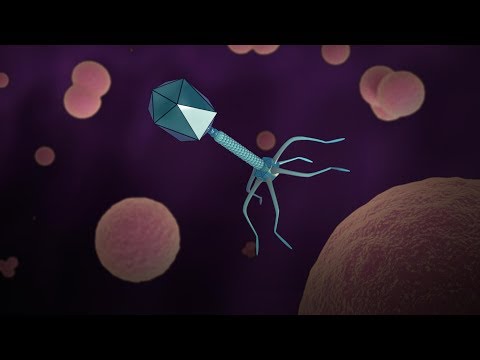
林宜悉 posted on 2018/12/07Ever wondered how we can fight superbugs? This fascinating TED talk explores how a long-forgotten virus might just be the key to solving the antibiotics crisis! You'll dive into the world of bacteriophages and pick up some advanced vocabulary along the way.
Learn this video on the APP!
The VoiceTube App has more in-depth practice for videos!