
acknowledge
US /ækˈnɑlɪdʒ/
UK /ək'nɒlɪdʒ/
- Transitive Verb
- To say you have received a letter, gift, etc.
- To say you accept the truth or value of something
A2Moreanswer to
US
UK
- Phrasal Verb
- To be responsible to someone and have to explain your actions to them.
- To correspond to or match a description or requirement.
A1Moreanticipate
US /ænˈtɪsəˌpet/
UK /æn'tɪsɪpeɪt/
- Transitive Verb
- To expect or look ahead to something positively
- To be aware of something that might happen
B1TOEICMoreat some point
US /æt sʌm pɔɪnt/
UK /æt sʌm pɔint/
- Phrase
- At an unspecified time, usually in the future.
A1Moreautistic
US /ɔ:'tɪstɪk/
UK /ɔ:'tɪstɪk/
- Adjective
- Suffering from autism
B2Moreautonomous
US /ɔ:ˈtɑ:nəməs/
UK /ɔ:ˈtɒnəməs/
- Adjective
- Able to control or decide matters by itself
B2Moreback down
US /bæk daʊn/
UK /bæk daun/
- Phrasal Verb
- To admit you were wrong; stop claiming
A1Morebattlefield
US /ˈbætlˌfild/
UK /ˈbætlfi:ld/
- Noun
- Region where a battle was, or is being fought
C1Morebiologically
US
UK
- Adverb
- As regards life and living things
B1Moreblow
US /blo/
UK /bləʊ/
- Verb (Transitive/Intransitive)
- To move something using air
- To make air come quickly out of your mouth
- Noun
- Something that causes you difficulty or sadness
- Act of making air come out of your mouth
A2Moreblow up
US /blo ʌp/
UK /bləu ʌp/
- Phrasal Verb
- To suddenly become angry
- To put air in something, e.g. a tire or balloon
- Verb (Transitive/Intransitive)
- To explode; to be destroyed by an explosion.
A2Morecompanionship
US /kəmˈpænjənˌʃɪp/
UK /kəmˈpæniənʃɪp/
- Uncountable Noun
- Good feeling from being with someone else
B1Morecompel
US /kəmˈpɛl/
UK /kəm'pel/
- Transitive Verb
- To force someone to do something
B1TOEICMoreconnection
US /kəˈnɛkʃən/
UK /kəˈnekʃn/
- Noun (Countable/Uncountable)
- Something that joins things together; being joined
- Person you know who can help you in some way
A2Morecruelty
US /ˈkruəlti/
UK /ˈkru:əlti/
- Uncountable Noun
- Intention to hurt others or be mean to them
B1Morecry out
US /kraɪ aʊt/
UK /krai aut/
- Phrasal Verb
- To shout or scream loudly, often due to pain, fear, or surprise.
- To protest or object strongly and publicly.
A1Moredementia
US /dɪˈmɛnʃə/
UK /dɪˈmenʃə/
- Uncountable Noun
- Illness characterized by loss of memory
B2Moredinosaur
US /ˈdaɪnəˌsɔr/
UK /'daɪnəsɔ:(r)/
- Noun
- Reptile that lived millions of years ago
- A person who is outdated or resistant to change.
B2Moredisposal
US /dɪˈspozəl/
UK /dɪˈspəʊzl/
- Uncountable Noun
- Act of giving or throwing something away
B1TOEICMoreemotional
US /ɪˈmoʃənəl/
UK /ɪˈməʊʃənl/
- Adjective
- Causing, feeling, or appealing to the emotions
- Relating to or characterized by emotion
A2Moreempathize
US /ˈɛmpəˌθaɪz/
UK /'empəθaɪz/
- Intransitive Verb
- To imagine or understand how others feel
B2Moreempathy
US /ˈɛmpəθi/
UK /ˈempəθi/
- Uncountable Noun
- Understanding how other people feel/suffer
- The ability to understand and share the feelings of another, especially when those feelings are negative or painful
B2TOEICMoreengage
US /ɪn'gedʒ/
UK /ɪn'ɡeɪdʒ/
- Transitive Verb
- To start to fight with an enemy
- To hire someone for a task or job
A2TOEICMoreenter into
US /ˈɛntɚ ˈɪntu/
UK /ˈentə ˈɪntuː/
- Phrasal Verb
- To begin or become involved in something, such as an agreement or activity.
A1Moreevoke
US /ɪˈvok/
UK /ɪ'vəʊk/
- Transitive Verb
- To bring forth a certain feeling or memory
B1TOEICMorefeel for
US /fil fɔr/
UK /fi:l fɔ:/
- Phrasal Verb
- To have sympathy for someone; to empathize with someone's situation.
- To try to find something by touching it.
A1Morefor example
US
UK
- Phrase
- As an illustration or instance.
for one thing
US /fɔr wʌn θɪŋ/
UK /fɔ: wʌn θiŋ/
- Phrase
- Used to introduce a reason for something.
A1Morefoster
US /'fɔ:stər/
UK /'fɒstə(r)/
- Transitive Verb
- To raise a child who is not yours, for payment
- To raise a child who is not yours, for payment
B1TOEICMorefound out
US
UK
- Phrasal Verb
- To learn or discover something, often after some effort.
- To become known; be revealed.
B2Moreimpact
US /ˈɪmˌpækt/
UK /'ɪmpækt/
- Noun
- A striking effect or result to hit with force
- Act or force of one thing hitting something else
- Verb (Transitive/Intransitive)
- To hit or strike someone or something with force
- To have a strong effect on someone or something.
A2TOEICMorein charge
US /ɪn tʃɑrdʒ/
UK /in tʃɑ:dʒ/
- Adverb
- To be responsible for
A1Morein ways
US
UK
- Phrase
- In a manner or by methods that.
- In certain respects or aspects.
A1Moreinstead of
US /ɪnˈstɛd ʌv/
UK /inˈsted ɔv/
- Preposition
- When one thing is replaced by another
- Adverb
- As a substitute or alternative.
A1Moreinstinct
US /ˈɪnˌstɪŋkt/
UK /'ɪnstɪŋkt/
- Noun
- Natural way of thinking; intuition
- Natural way (person or animal) thinks, behaves
B1Moreintegrate
US /ˈɪntɪˌɡret/
UK /ˈɪntɪgreɪt/
- Transitive Verb
- To combine together; make into one thing
- To bring (people or groups with particular characteristics or needs) into equal participation in or membership of a social group or institution.
A2Moreinteract with
US /ˌɪntɚˈækt wɪð/
UK /ˌɪntərˈækt wið/
- Phrase
- Verb (Transitive/Intransitive)
- To engage in communication or action involving mutual or reciprocal influence.
- To use a computer interface to achieve a specific goal.
A2Moreinteraction
US /ˌɪntɚˈækʃən/
UK /ˌɪntər'ækʃn/
- Noun (Countable/Uncountable)
- Process of people or things affecting each other
- The activity of talking to other people, working together etc
A2Morelead to
US /lid tu/
UK /li:d tu:/
- Phrasal Verb
- To result in some action
- Verb (Transitive/Intransitive)
- To have something as a consequence or result.
A1Morematernal
US /məˈtɜ:rnl/
UK /məˈtɜ:nl/
- Adjective
- Of mothers or being a mother
B2TOEICMoremilitary
US /ˈmɪlɪˌtɛri/
UK /'mɪlətrɪ/
- Noun
- Army or armed forces
- Adjective
- Concerning the army or navy
B1Moremove around
US /muv əˈraʊnd/
UK /mu:v əˈraund/
- Phrasal Verb
- To change position or location; to go from place to place.
- Intransitive Verb
- To spread or circulate (e.g., information, rumors).
move into
US /muv ˈɪntu/
UK /mu:v ˈɪntuː/
- Phrasal Verb
- To start living in a new house or building
- To start being involved in a new area of business or activity.
new level
US
UK
- Noun
- A higher or improved stage of achievement or quality.
- A different or more advanced degree of expertise or understanding.
A1Moreof course
US /ʌv kɔː(r)s/
UK /ɔv kɔː(r)s/
- Adverb
- Sure ; Certainly
- Phrase
- For sure; certainly
A2Moreplausible
US /ˈplɔzəbəl/
UK /ˈplɔ:zəbl/
- Adjective
- Being reasonable and possibly true
- Appearing worthy of belief.
B1Morepotential
US /pəˈtɛnʃəl/
UK /pəˈtenʃl/
- Adjective
- Capable of happening or becoming reality
- Having or showing the capacity to develop into something in the future.
- Uncountable Noun
- someone's or something's ability to develop, achieve, or succeed
A2TOEICMoreprime
US /praɪm/
UK /praɪm/
- Transitive Verb
- To get a person ready for; prepare someone
- To coat with paint to prepare it for the main coat
- Adjective
- Concerning the highest in quality or value
- Concerning the highest level of achievement
A2TOEICMoreregardless of
US /rɪˈɡɑrdlɪs ʌv/
UK /riˈɡɑ:dlis ɔv/
- Phrase
- Preposition
- Without being affected or influenced by something; despite.
A2Moreresearch
US /rɪˈsɚtʃ, ˈriˌsɚtʃ/
UK /rɪ'sɜ:tʃ/
- Verb (Transitive/Intransitive)
- To study in order to discover new ideas and facts
- To study the market relating to marketing products and services.
- Noun (Countable/Uncountable)
- Study done to discover new ideas and facts
- A particular area or topic of study.
A2TOEICMorerespond
US /rɪˈspɑnd/
UK /rɪ'spɒnd/
- Verb (Transitive/Intransitive)
- To answer something or someone
- To have a good reaction to e.g. medical treatment
A2TOEICMoreresponse
US /rɪˈspɑns/
UK /riˈspɔns/
- Noun
- Something said/written as an answer to something
- Reaction to something that has occurred
A2TOEICMoresmash
US /smæʃ/
UK /smæʃ/
- Noun
- Accident involving vehicles
- Sound when something breaks into pieces loudly
- Verb (Transitive/Intransitive)
- To break into pieces
- To defeat someone completely
B1Morespark
US /spɑrk/
UK /spɑ:k/
- Countable Noun
- Small piece of burning material produced by fire
- Tiny, brief bit of light caused by electric energy
- Intransitive Verb
- To make tiny, brief bits of light
B1Morespecifically
US /spəˈsɪfɪkli/
UK /spəˈsɪfɪkli/
- Adverb
- As regards a particular thing; closely related to
- In a definite and clear manner.
A2Moresubconsciously
US /ˌsʌbˈkɑnʃəslɪ/
UK /ˌsʌb'kɒnʃəslɪ/
- Adverb
- From the subconscious mind
B1Moreteddy
US /ˈtɛdi/
UK /'tedɪ/
- Countable Noun
- A soft toy resembling a bear; teddy bear
B2Moretilt
US /tɪlt/
UK /tɪlt/
- Verb (Transitive/Intransitive)
- To change to a newly preferred idea or opinion
- To move something away from the upright
- Noun
- Position in which one side is above the other
B2Moreturned out
US
UK
- Phrasal Verb
- To arrive for a public event or entertainment
- To happen to be in the end
- Transitive Verb
- To extinguish or switch off lights.
A1Moreunveil
US /ʌnˈvel/
UK /ˌʌnˈveɪl/
- Transitive Verb
- To remove something's outer covering
B1TOEICMoreviolent
US /ˈvaɪələnt/
UK /ˈvaɪələnt/
- Adjective
- Done with force; likely to produce physical damage
- Using or involving physical force intended to hurt, damage, or kill someone or something.
A2Morevisceral
US /ˈvɪsərəl/
UK /ˈvɪsərəl/
- Adjective
- From deep within you; caused by strong instincts
C1TOEICMorewalk around
US
UK
- Phrasal Verb
- To stroll or wander in a leisurely way.
- To move about in order to inspect something.
A2Moreweaponry
US /ˈwɛpənri/
UK /ˈwepənri/
- Uncountable Noun
- Collection of weapons and weapon-like instruments
C1More
Vocabulary
- for example: As an illustration or instance.
- blow up: To suddenly become angry
- instead of: When one thing is replaced by another
- cry out: To shout or scream loudly, often due to pain, fear, or surprise.
- back down: To admit you were wrong; stop claiming
- for one thing: Used to introduce a reason for something.
- walk around: To stroll or wander in a leisurely way.
- in charge: To be responsible for
- of course: Sure ; Certainly
- found out: To learn or discover something, often after some effort.
- enter into: To begin or become involved in something, such as an agreement or activity.
- feel for: To have sympathy for someone; to empathize with someone's situation.
- in ways: In a manner or by methods that.
- move into: To start living in a new house or building
- interact with
- turned out: To arrive for a public event or entertainment
- at some point: At an unspecified time, usually in the future.
- move around: To change position or location; to go from place to place.
- lead to: To result in some action
- new level: A higher or improved stage of achievement or quality.
- answer to: To be responsible to someone and have to explain your actions to them.
- regardless of
- potential: Capable of happening or becoming reality
- instinct: Natural way of thinking; intuition
- engage: To start to fight with an enemy
- empathy: Understanding how other people feel/suffer
- experience: Thing a person has done or that happened to them
- impact: A striking effect or result to hit with force
- specifically: As regards a particular thing; closely related to
- treat: To pay for the food or enjoyment of someone else
- emotional: Causing, feeling, or appealing to the emotions
- integrate: To combine together; make into one thing
- subconsciously: From the subconscious mind
- research: To study in order to discover new ideas and facts
- dementia: Illness characterized by loss of memory
- prime: To get a person ready for; prepare someone
- acknowledge: To say you have received a letter, gift, etc.
- military: Army or armed forces
- interaction: Process of people or things affecting each other
- similar: Nearly the same; alike
- response: Something said/written as an answer to something
- private: Being away from others and quiet
- behavior: The way a person or thing acts; manner
- anticipate: To expect or look ahead to something positively
- spark: Small piece of burning material produced by fire
- foster: To raise a child who is not yours, for payment
- blow: To move something using air
- evoke: To bring forth a certain feeling or memory
- plausible: Being reasonable and possibly true
- connection: Something that joins things together; being joined
- respond: To answer something or someone
- autonomous: Able to control or decide matters by itself
- violent: Done with force; likely to produce physical damage
- tilt: To change to a newly preferred idea or opinion
- moment: Very short or brief period of time
- smash: Accident involving vehicles
- visceral: From deep within you; caused by strong instincts
- kind: In a caring and helpful manner
- learn: To get knowledge or skills by study or experience
- empathize: To imagine or understand how others feel
- compel: To force someone to do something
- companionship: Good feeling from being with someone else
- disposal: Act of giving or throwing something away
- question: To ask for or try to get information
- unveil: To remove something's outer covering
- interesting: Taking your attention; making you want to know
- hold: To agree to keep something for someone
- maternal: Of mothers or being a mother
- cruelty: Intention to hurt others or be mean to them
- real: Actually existing or happening, not imagined
- case: Container used to carry things, e.g. clothes
- human: A person; a man, woman or child
- know: To be familiar with a person or place, thing
- biologically: As regards life and living things
- autistic: Suffering from autism
- dinosaur: Reptile that lived millions of years ago
- battlefield: Region where a battle was, or is being fought
- weaponry: Collection of weapons and weapon-like instruments
- teddy: A soft toy resembling a bear; teddy bear
Get the full experience in the app
Learn anywhere with detailed sentence and usage analysis
01:03
She took a brave step forward, leaving behind her comfort zone to chase her dreams.
Vocabulary
- brave
adj. Having courage
- comfort zone
phr. A familiar situation where one feels safe
Explanation
a brave step is a noun phrase, where brave is an adjective modifying the noun step, meaning "a courageous step".
forward is an adverb modifying step, meaning "ahead".
The whole phrase serves as the object, answering the "what" of took (verb) — she took a brave step forward.
Get the full experience in the app
Look up words anytime with pronunciation, part of speech, and usage
brave
US/brev/
UK/breɪv/
adj.Brave
v.t.To bravely face
A2 Elementary
Get the full experience in the app
Practice speaking anytime and get instant pronunciation feedback
Try this speaking exercise.
Try practicing with this sentence.
80
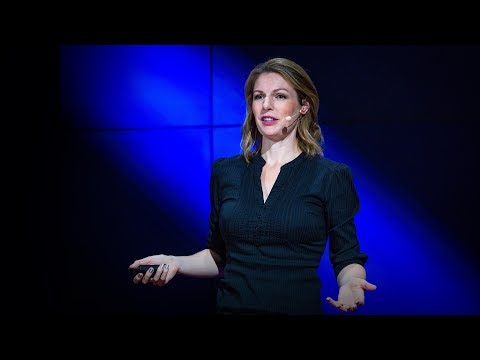
【TED】Kate Darling: Why we have an emotional connection to robots (Why we have an emotional connection to robots | Kate Darling)
0
林宜悉 posted on 2018/11/06Ever wondered why we feel so attached to robots, even the non-living ones? Dive into Kate Darling's fascinating TED talk to explore the surprising emotional connections we form with robots and pick up advanced vocabulary related to human-robot interaction and ethics. It's a fantastic way to boost your knowledge and cultural understanding!
Learn this video on the APP!
The VoiceTube App has more in-depth practice for videos!