
abundant
US /əˈbʌndənt/
UK /əˈbʌndənt/
- Adjective
- Being in very great supply; plentiful
B2TOEICMoreacute
US /əˈkjut/
UK /əˈkju:t/
- Adjective
- (Of an angle in math) of less than 90 degrees
- Strong; very serious or severe
B1Moreagile
US /ˈædʒl/
UK /ˈædʒaɪl/
- Adjective
- Quick and skillful in moving; nimble
B2TOEICMorealtogether
US /ˌɔltəˈɡɛðɚ/
UK /ˌɔ:ltəˈgeðə(r)/
- Adverb
- All things considered
- Completely and entirely, fully
A2Moreantibiotic
US /ˌæntibaɪˈɑ:tɪk/
UK /ˌæntibaɪˈɒtɪk/
- Adjective
- (Drug) used to fight certain kinds of diseases
- Noun
- Medicine that kills bacteria to fight infections
B1Moreas soon as
US /æz sun æz/
UK /æz su:n æz/
- Phrase
- In a short time after (something happens)
- Without any delay; immediately
- Conjunction
- At the moment that, or immediately after.
A1Moreas well as
US /æz wɛl æz/
UK /æz wel æz/
- Adverb
- Also; in addition to
- Preposition
- In addition to; and also.
A1Moreat home
US /æt hom/
UK /æt həum/
- Phrase
- In one's own residence or country.
- Adjective
- Feeling comfortable and relaxed.
at least
US /æt list/
UK /æt li:st/
- Adverb
- As a minimum
- Not less than
- Phrase
- No less than; at the minimum
- Used to indicate that something is positive in a bad situation.
C2Moreat work
US /æt wɚk/
UK /æt wə:k/
- Phrase
- Located at one's place of employment
A1Moreavoid
US /əˈvɔɪd/
UK /ə'vɔɪd/
- Transitive Verb
- To prevent from happening
- To stay away from
A2TOEICMorebased on
US
UK
- Phrasal Verb
- To use something as the foundation or starting point for something else.
- Preposition
- Using something as the main idea or foundation.
- Relying on something as evidence or justification.
A1Morebc
US
UK
- Abbreviation
- Before Christ; used after dates/years
C1Morebuddy
US /ˈbʌdi/
UK /'bʌdɪ/
- Countable Noun
- Friend, usually male
- A term of address, often used informally.
B2Morecare of
US /kɛr ʌv/
UK /kɛə ɔv/
- Preposition
- Used in an address to indicate the person who will receive the mail for someone else.
A2Morecase out
US /keɪs aʊt/
UK /keɪs aʊt/
- other
- To observe or investigate a place carefully before taking action.
C1Moreclinical
US /ˈklɪnɪkəl/
UK /ˈklɪnɪkl/
- Adjective
- Concerning the treatment or observing patients
- Using scientific techniques and precision
B1Morecomfort
US /ˈkʌmfət/
UK /'kʌmfət/
- Transitive Verb
- To try to make distressed person feel better
- Uncountable Noun
- Acts or words that reduce pain or sadness
- State of being relaxed, warm or happy
A2Morecompanion
US /kəmˈpænjən/
UK /kəm'pænɪən/
- Noun
- Someone who keeps you company, goes out with you
- A thing that is often found with another or that serves to augment or complement it.
A2Moreconclude
US /kənˈklud/
UK /kənˈklu:d/
- Verb (Transitive/Intransitive)
- To finish or cause to finish; end
- To arrive at a judgment or opinion
A2Morediagnose
US /ˌdaɪəgˈnoʊs/
UK /ˈdaɪəgnəʊz/
- Transitive Verb
- To determine the cause of an illness or problem
B1Morediagnosis
US /ˌdaɪəgˈnoʊsɪs/
UK /ˌdaɪəgˈnəʊsɪs/
- Noun (plural)
- Judgments by a doctor about a person's illness
- Noun
- The identification of a disease or condition.
B1Moredisease
US /dɪˈziz/
UK /dɪˈzi:z/
- Noun (Countable/Uncountable)
- Illness that affects a person, animal, or plant
- A disorder of structure or function in a plant, especially one caused by a pathogen.
- Transitive Verb
- To affect with disease; to corrupt or sicken.
A2TOEICMoredue to
US /du tu/
UK /dju: tu:/
- Preposition
- Because of; owing to
- Adjective
- Attributable to; caused by.
A1Moreefficiently
US /ɪˈfɪʃəntlɪ/
UK /ɪ'fɪʃntlɪ/
- Adverb
- In a way that does not create waste
A2Moreend up here
US
UK
- Phrasal Verb
- To arrive somewhere unexpectedly or without intending to.
A1Moreerect
US /ɪˈrɛkt/
UK /ɪ'rekt/
- Adjective
- Standing straight up
- Transitive Verb
- To put up a tower, statue or building; construct
B2Moreexpense
US /ɪkˈspɛns/
UK /ɪk'spens/
- Noun (Countable/Uncountable)
- Money you have to pay to do part of your job
- Paying money for something (big)
- Uncountable Noun
- When resources e.g. time is used to do something
- Expenditure of resources; spending
B1TOEICMorefacilitate
US /fəˈsɪlɪˌtet/
UK /fə'sɪlɪteɪt/
- Transitive Verb
- To make an action or process easier
B1TOEICMorefor the foreseeable
US /fɚ ðə fɔrˈsiəbəl/
UK /fə ðə fɔ:ˈsi:əbl/
- other
- Referring to a time period that can be predicted or expected in the near future.
B2Moreforeseeable
US /forˈsiəbl:/
UK /fɔ:ˈsi:əbl/
- Adjective
- That can be predicted in the future
B2Moreforget about
US /fɚˈɡɛt əˈbaʊt/
UK /fəˈɡet əˈbaut/
- Phrasal Verb
- To stop thinking about something; to ignore something.
A1Moreglucose
US /ˈɡluˌkos/
UK /'ɡlu:kəʊs/
- Uncountable Noun
- Natural type of sugar found in fruits and plants
- The concentration of glucose in the blood, often measured to monitor metabolic health.
C1Morego back to
US /ɡo bæk tu/
UK /ɡəu bæk tu:/
- Phrasal Verb
- To return to a starting point
A1Morehave to
US /hæv tu/
UK /ˈhæv tə/
- Auxiliary Verb
- Must do
A1Morehumanitarian
US /hju:ˌmænɪˈteriən/
UK /hju:ˌmænɪˈteəriən/
- Noun
- Person who tries to help those in a crisis
- Adjective
- Concerned with or seeking to promote human welfare.
B2Morein control
US /ɪn kənˈtrol/
UK /in kənˈtrəul/
- Adjective
- Having the power to direct or regulate something; able to manage or direct a situation or person.
- Possessing self-restraint and the ability to manage one's own behavior and emotions.
- Phrase
- Having command or authority; managing effectively.
C1Morein need
US /ɪn nid/
UK /in ni:d/
- Phrase
- Not having the necessary things, such as food
A1Moreincentive
US /ɪnˈsɛntɪv/
UK /ɪnˈsentɪv/
- Noun (Countable/Uncountable)
- Something that encourages you to do something
- Adjective
- Serving to encourage or motivate.
B1TOEICMoreindustrial
US /ɪnˈdʌstriəl/
UK /ɪnˈdʌstriəl/
- Adjective
- Concerning making things in factories
- Noun
- A worker in industry.
- A company involved in industrial production.
A2Moreinstead of
US /ɪnˈstɛd ʌv/
UK /inˈsted ɔv/
- Preposition
- When one thing is replaced by another
- Adverb
- As a substitute or alternative.
A1Moreinsulin
US /ˈɪnsəlɪn/
UK /ˈɪnsjəlɪn/
- Uncountable Noun
- Substance in the body processing sugar into energy
B2Moreintensive
US /ɪnˈtɛnsɪv/
UK /ɪnˈtensɪv/
- Adjective
- Needing great effort for a short period of time
A2TOEICMoreissue
US /ˈɪʃu/
UK /'ɪʃu:/
- Transitive Verb
- To make something available to be used or sold
- To deliver a statement, etc. in an official manner
- Noun (Countable/Uncountable)
- Important topic discussed, debated or argued over
- Single edition of a magazine
A2TOEICMorelogistic
US /loˈdʒɪstɪk/
UK /lə'dʒɪstɪkl/
- Adjective
- Concerning planning and organizing a large project
B2Moremove to
US /muv tu/
UK /mu:v tu:/
- Phrasal Verb
- To change the place where you live or work.
- Verb (Transitive/Intransitive)
- To proceed to the next stage or action.
A2Moreobsolete
US /ˌɑ:bsəˈli:t/
UK /ˈɒbsəli:t/
- Adjective
- Not used anymore because something newer exists
- No longer useful because it has been replaced by something newer and better.
B1TOEICMorepassionate
US /ˈpæʃənɪt/
UK /ˈpæʃənət/
- Adjective
- Being easily excited to strong emotions
- Having strong sexual desires
A2Morepatient
US /ˈpeʃənt/
UK /'peɪʃnt/
- Adjective
- Not getting annoyed when things take a long time
- Bearing or enduring pain or trials without complaint; exhibiting forbearance.
- Countable Noun
- Person who receives medical treatment or care
A2Moreprosperous
US /ˈprɑspərəs/
UK /'prɒspərəs/
- Adjective
- Being successful and having a lot of money
- Growing healthily
B1Morereduce to
US /rɪˈdus tu/
UK /riˈdju:s tu:/
- Phrasal Verb
- To simplify or condense something.
- To bring someone to a lower or worse state or condition.
B1Morerevolution
US /ˌrɛvəˈluʃən/
UK /ˌrevə'lu:ʃn/
- Noun
- When a group overthrows an existing government
- Sudden or significant change in something
B1Morerevolutionize
US /revəˈluːʃəˌnaɪz/
UK /ˌrevə'lu:ʃənaɪz/
- Transitive Verb
- To completely change so that it is much better
B1Morerevolve
US /rɪˈvɑ:lv/
UK /rɪˈvɒlv/
- Verb (Transitive/Intransitive)
- To move something in a circular motion
B2TOEICMorerun with
US /rʌn wɪð/
UK /rʌn wið/
- Phrasal Verb
- To take and work with an idea, plan as your own
A1Morerural
US /ˈrʊrəl/
UK /ˈruərəl/
- Adjective
- Concerning the country as opposed to the city
B1Moreset up
US /sɛt ʌp/
UK /set ʌp/
- Phrasal Verb
- To make arrangements for something; establish
- Verb (Transitive/Intransitive)
- To arrange or prepare something for use.
- To start a business, organization, etc.
A1Morestay in
US /ste ɪn/
UK /stei in/
- Phrasal Verb
- To remain inside one's home.
- Intransitive Verb
- To remain as an inpatient in a hospital.
suffer from
US /ˈsʌfɚ frʌm/
UK /ˈsʌfə frɔm/
- Intransitive Verb
- To experience pain or distress; to be badly affected by.
A1Moresurgery
US /ˈsɚdʒəri/
UK /'sɜ:dʒərɪ/
- Noun (Countable/Uncountable)
- Medical operation involving cutting into body
- A doctor's office; health clinic
B1Moretechnology
US /tɛkˈnɑlədʒi/
UK /tek'nɒlədʒɪ/
- Uncountable Noun
- Use or knowledge of science in industry etc.
- Machinery and equipment developed from scientific knowledge.
A2TOEICMorethreaten
US /ˈθrɛtn/
UK /ˈθretn/
- Transitive Verb
- To cause something potential harm, or put at risk
- To say you may harm or hurt someone
A2Moretogether with
US /təˈɡɛðɚ wɪð/
UK /təˈɡeðə wið/
- Preposition
- In addition to; along with.
- Including; as well as.
A1Moretransportation
US /ˌtrænspɔ:rˈteɪʃn/
UK /ˌtrænspɔ:ˈteɪʃn/
- Noun (Countable/Uncountable)
- Act of moving people or goods between places
- A system or means of transport, especially public transport.
B1Moretreatment
US /ˈtritmənt/
UK /ˈtri:tmənt/
- Noun (Countable/Uncountable)
- Medicine or method to make someone healthier
- Way someone acts toward another
A2TOEICMoreurine
US /ˈjʊrən/
UK /ˈjʊərɪn/
- Uncountable Noun
- Yellow liquid waste from the body
C1Morework in
US /wɚk ɪn/
UK /wə:k in/
- Phrasal Verb
- To make an opening for something in your schedule
- To fit person/thing into a schedule or sequence
A1More
Vocabulary
- at home: In one's own residence or country.
- have to: Must do
- due to: Because of; owing to
- set up
- forget about: To stop thinking about something; to ignore something.
- together with: In addition to; along with.
- end up here: To arrive somewhere unexpectedly or without intending to.
- go back to: To return to a starting point
- as soon as: In a short time after (something happens)
- based on: To use something as the foundation or starting point for something else.
- case out: To observe or investigate a place carefully before taking action.
- move to: To change the place where you live or work.
- suffer from: To experience pain or distress; to be badly affected by.
- reduce to: To simplify or condense something.
- for the foreseeable: Referring to a time period that can be predicted or expected in the near future.
- at least: As a minimum
- instead of: When one thing is replaced by another
- stay in: To remain inside one's home.
- run with: To take and work with an idea, plan as your own
- at work: Located at one's place of employment
- work in: To make an opening for something in your schedule
- care of: Used in an address to indicate the person who will receive the mail for someone else.
- in need: Not having the necessary things, such as food
- as well as: Also; in addition to
- in control: Having the power to direct or regulate something; able to manage or direct a situation or person.
- passionate: Being easily excited to strong emotions
- disease: Illness that affects a person, animal, or plant
- incentive: Something that encourages you to do something
- issue: To make something available to be used or sold
- avoid: To prevent from happening
- comfort: To try to make distressed person feel better
- glucose: Natural type of sugar found in fruits and plants
- obsolete: Not used anymore because something newer exists
- insulin: Substance in the body processing sugar into energy
- companion: Someone who keeps you company, goes out with you
- due: When something is required or expected
- surgery: Medical operation involving cutting into body
- facilitate: To make an action or process easier
- clinical: Concerning the treatment or observing patients
- urine: Yellow liquid waste from the body
- rural: Concerning the country as opposed to the city
- abundant: Being in very great supply; plentiful
- revolution: When a group overthrows an existing government
- prosperous: Being successful and having a lot of money
- acute: (Of an angle in math) of less than 90 degrees
- patient: Not getting annoyed when things take a long time
- treatment: Medicine or method to make someone healthier
- company: Good feeling from being with someone else
- intensive: Needing great effort for a short period of time
- industrial: Concerning making things in factories
- diagnose: To determine the cause of an illness or problem
- buddy: Friend, usually male
- altogether: All things considered
- technology: Use or knowledge of science in industry etc.
- crappy: Impolite term for not good, worthless
- diagnosis: Judgments by a doctor about a person's illness
- control: A device designed to operate a machine
- revolutionize: To completely change so that it is much better
- system: Set of organized, planned ideas that work together
- threaten: To cause something potential harm, or put at risk
- transportation: Act of moving people or goods between places
- expense: Money you have to pay to do part of your job
- humanitarian: Person who tries to help those in a crisis
- efficiently: In a way that does not create waste
- conclude: To finish or cause to finish; end
- set: Prepared for something; ready
- antibiotic: (Drug) used to fight certain kinds of diseases
- agile: Quick and skillful in moving; nimble
- future: Time that is to come after the present
- revolve: To move something in a circular motion
- life: All the living things e.g. animals, plants, humans
- travel: To go to a place that is far away
- work: The product of some artistic or literary endeavor
- heart: A feeling of care for others; compassion
- live: To be alive
- erect: Standing straight up
- people: Persons sharing culture, country, background, etc.
- health: (Person, company) being in a good condition; well
- care: To feel interest, concern, or worry
- foreseeable: That can be predicted in the future
- logistic: Concerning planning and organizing a large project
- bc: Before Christ; used after dates/years
Get the full experience in the app
Learn anywhere with detailed sentence and usage analysis
01:03
She took a brave step forward, leaving behind her comfort zone to chase her dreams.
Vocabulary
- brave
adj. Having courage
- comfort zone
phr. A familiar situation where one feels safe
Explanation
a brave step is a noun phrase, where brave is an adjective modifying the noun step, meaning "a courageous step".
forward is an adverb modifying step, meaning "ahead".
The whole phrase serves as the object, answering the "what" of took (verb) — she took a brave step forward.
Get the full experience in the app
Look up words anytime with pronunciation, part of speech, and usage
brave
US/brev/
UK/breɪv/
adj.Brave
v.t.To bravely face
A2 Elementary
Get the full experience in the app
Practice speaking anytime and get instant pronunciation feedback
Try this speaking exercise.
Try practicing with this sentence.
80
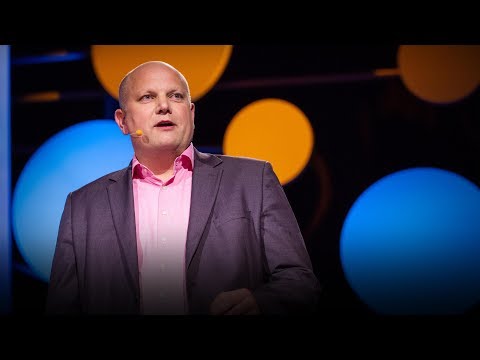
【TED】Niels van Namen: Why the hospital of the future will be your own home (Why the hospital of the future will be your own home | Niels van Namen)
0
林宜悉 posted on 2018/10/10Ever wondered if your home could be the hospital of the future? This fascinating TED talk explores how healthcare is shifting towards home-based care, touching on everything from patient anxiety to elder care solutions. You'll pick up advanced vocabulary related to hospital reform and gain insights into practical, daily healthcare applications!
Learn this video on the APP!
The VoiceTube App has more in-depth practice for videos!