
amphibious
US /æmˈfɪbiəs/
UK /æmˈfɪbiəs/
- Adjective
- Operating or living on land and in water
B2Moreassortment
US /əˈsɔrtmənt/
UK /əˈsɔ:tmənt/
- Noun
- Collection of different things some similarities
B2TOEICMoreat least
US /æt list/
UK /æt li:st/
- Adverb
- As a minimum
- Not less than
- Phrase
- No less than; at the minimum
- Used to indicate that something is positive in a bad situation.
C2Morebeside the point
US /bɪˈsaɪd ði pɔɪnt/
UK /biˈsaid ðə pɔint/
- Adjective
- Irrelevant; not important to the issue being discussed.
- Phrase
- Not the most important thing; not relevant to the main subject.
A2Moreblender
US /ˈblɛndɚ/
UK /ˈblendə(r)/
- Countable Noun
- Electrically powered mixer
B1Morebuild up
US /bɪld ʌp/
UK /bild ʌp/
- Phrasal Verb
- To increase the amount; collect something
- To develop or increase something in stages
- Verb (Transitive/Intransitive)
- To increase or develop something gradually.
- To praise or encourage someone.
A1Moreclaim
US /klem/
UK /kleɪm/
- Noun (Countable/Uncountable)
- To say that something is true, often without proof.
- A statement that something is true.
- Transitive Verb
- To demand or ask for something that you believe is rightfully yours.
- To take or cause the loss of (e.g., a life, property).
A2Morecoastline
US /ˈkoʊstlaɪn/
UK /ˈkəʊstlaɪn/
- Noun
- Area of sea alongside the land in an area
C1Morecolonize
US /ˈkɑləˌnaɪz/
UK /'kɒlənaɪz/
- Transitive Verb
- To take control over place and live there
B2Moreconfirm
US /kənˈfɜ:rm/
UK /kənˈfɜ:m/
- Transitive Verb
- To formally approve or check something
- To provide evidence to establish the truth of
A2Moreconsensus
US /kənˈsɛnsəs/
UK /kənˈsensəs/
- Noun (Countable/Uncountable)
- A decision that is shared by most of a group
B1Moreconspiracy
US /kənˈspɪrəsi/
UK /kən'spɪrəsɪ/
- Noun
- Plan made in secret to do something illegal
B2Moredeny
US /dɪˈnaɪ/
UK /dɪ'naɪ/
- Transitive Verb
- To refuse to allow or accept something
A2TOEICMoredesert
US /ˈdɛzət/
UK /'dezət/
- Transitive Verb
- To leave a place for ever; abandon
- To leave when one is needed or expected to stay
- Noun (Countable/Uncountable)
- Bare area of land, often with few plants and water
- A punishment or reward that is deserved.
A2Moredesolate
US /ˈdɛsəlɪt/
UK /'desələt/
- Transitive Verb
- To destroy a place
- Adjective
- Empty of life, usually of a place
B2Moredetect
US /dɪˈtɛkt/
UK /dɪˈtekt/
- Transitive Verb
- To discover or identify the presence of something
A2TOEICMoredisagree
US /ˌdɪsəˈɡri/
UK /ˌdɪsə'ɡri:/
- Intransitive Verb
- To have a different opinion; to fail to agree
B2TOEICMoredominance
US /ˈdɑmənəns/
UK /'dɒmɪnəns/
- Uncountable Noun
- Having more power, success than others
- Power and influence over others.
B1Moreeffort
US /ˈɛfət/
UK /ˈefət/
- Uncountable Noun
- Amount of work used trying to do something
- A conscious exertion of power; a try.
A2TOEICMoreexplosion
US /ɪkˈsploʒən/
UK /ɪkˈspləʊʒn/
- Noun (Countable/Uncountable)
- Loud and sudden expression of emotion
- Sudden increase of something
B1Moreflag
US /flæɡ/
UK /flæɡ/
- Transitive Verb
- To indicate something should get special attention
- Noun
- Piece of cloth representing a team, country etc.
A2TOEICMorefor free
US /fɔr fri/
UK /fɔ: fri:/
- Phrase
- Without charge; at no cost.
- Adjective
- Available without payment.
A2Morefreelance
US /ˈfriˌlæns/
UK /'fri:lɑ:ns/
- Intransitive Verb
- To work for yourself, not a company
B2Morehas over
US
UK
- Phrasal Verb
- To invite someone to your house.
- To have more than a certain number or amount.
A1Morehelicopter
US /ˈhɛlɪˌkɑptɚ/
UK /'helɪkɒptə(r)/
- Countable Noun
- Aircraft with spinning blades at the top
- Transitive Verb
- To transport by helicopter
B1TOEICMorehold onto
US /hold ˈɑnˌtu/
UK /həuld ˈɔntu/
- Phrasal Verb
- To grasp or grip something tightly.
- To keep or retain possession of something.
A1Morein particular
US /ɪn pɚˈtɪkjəlɚ/
UK /in pəˈtikjulə/
- Phrase
- Specifically; especially.
- Detailed or precise.
A1Morein the world
US /ɪn ði wɜrld/
UK /in ðə wɜː(r)ld/
- Phrase
- Used to emphasize a question expressing surprise, confusion, or disbelief.
- Used to indicate the extent or degree of something, often in a superlative sense.
A1Moreisolate
US /ˈaɪsəˌlet/
UK /ˈaɪsəleɪt/
- Transitive Verb
- To identify, consider, or deal with separately
- To keep in a place or situation apart from others
B1Moreisolation
US /ˌaɪsəˈleʃən/
UK /ˌaɪsəˈleɪʃn/
- Uncountable Noun
- Condition of being in a distinct, separate place
- Process of separating things from other things
B1Morekiwi
US /ˈkiwi/
UK /ˈki:wi:/
- Noun
- Flightless bird from New Zealand
C1Moreland on
US
UK
- Phrasal Verb
- To come down to the ground or another surface after flying or falling.
- To criticize someone severely.
B1Morelaunch
US /lɔntʃ, lɑntʃ/
UK /lɔ:ntʃ/
- Noun
- Starting a new project; introducing new product
- Act of firing rockets into the air
- Transitive Verb
- To start a new project; start selling a product
- To put a rocket into the air
A2TOEICMoremaritime
US /ˈmærɪˌtaɪm/
UK /ˈmærɪtaɪm/
- Adjective
- Concerning sailing, ships
- Being next to or near the sea
- Noun
- The branch of law concerning ships and shipping.
B2Moremoderate
US /ˈmɑdərɪt/
UK /ˈmɒdərət/
- Verb (Transitive/Intransitive)
- To host a meeting or panel discussion
- To make something less violent, severe, or strong
- Adjective
- Being average in quantity or size
B1Morenautical
US /ˈnɔtɪkəl/
UK /ˈnɔ:tɪkl/
- Adjective
- Concerning ships, sailing or sailors
C1Morenowadays
US /ˈnaʊəˌdez/
UK /ˈnaʊədeɪz/
- Adverb
- At the present time; now
- Noun
- The current period of time; the present.
A2Morenuclear
US /ˈnukliɚ, ˈnju-/
UK /ˈnju:kliə(r)/
- Adjective
- Concerning or involving the center of an atom
A2Moreof course
US /ʌv kɔː(r)s/
UK /ɔv kɔː(r)s/
- Adverb
- Sure ; Certainly
- Phrase
- For sure; certainly
A2Moreon earth
US /ɑn ɚθ/
UK /ɔn ə:θ/
- Phrase
- Used to emphasize a question expressing surprise or anger.
- Used to emphasize that something is not possible or will not happen.
A1Morepole
US /pol/
UK /pəʊl/
- Noun
- One of two opposite ideas, qualities or positions
- Most northern or most southern point on a planet
- Transitive Verb
- To move a boat with a stick or pole
B1Morepossession
US /pəˈzɛʃən/
UK /pə'zeʃn/
- Uncountable Noun
- State of being under the control of evil spirits
- Crime of having or owning illegal drugs or weapons
- Countable Noun
- Something that is owned by a person
- A territory controlled by a country.
A2TOEICMorepractically
US /ˈpræktɪkli/
UK /ˈpræktɪkli/
- Adverb
- Nearly, almost, or in effect
- In a practical manner; realistically.
C1Morepremiere
US /prɪˈmɪr/
UK /ˈpremieə(r)/
- Noun
- First performance of a show, film, play in public
- Transitive Verb
- To give a first public performance.
B2Moreremote
US /rɪˈmot/
UK /rɪ'məʊt/
- Adjective
- Being far away from people, towns, etc.
- (Of a possibility) being small or not likely
- Noun
- Radio device designed to operate TV, etc.
A2TOEICMorerough
US /rʌf/
UK /rʌf/
- Adjective
- Causing or involving violence, force, and harm
- (Of situations) tough; difficult to get through
- Adverb
- In a manner that is difficult, or violent
A2Moresatellite
US /ˈsætlˌaɪt/
UK /'sætəlaɪt/
- Noun (Countable/Uncountable)
- Device sent into space that aids communication
- Natural object in space that moves around another
B1Morescatter
US /ˈskætɚ/
UK /'skætə(r)/
- Verb (Transitive/Intransitive)
- To throw or move into various different directions
- Transitive Verb
- To place or leave things in various places
B2Moreseemingly
US /ˈsiːmɪŋli/
UK /ˈsi:mɪŋli/
- Adverb
- Appearing to be but may not actually be; probably
B1Moreset off
US /sɛt ɔf/
UK /set ɒf/
- Phrasal Verb
- To start a journey
- To cause something to explode or start working.
- Transitive Verb
- To cause to explode.
A1Moresettlement
US /ˈsɛtlmənt/
UK /ˈsetlmənt/
- Noun (Countable/Uncountable)
- Official agreement that ends an argument
- Payment of all money that is owed for something
A2Moresh
US /ʃ/
UK /ʃ/
- Interjection
- Sound people make to make someone be quiet
C2Moreshow up
US /ʃo ʌp/
UK /ʃəu ʌp/
- Phrasal Verb
- To arrive or be seen at a place, e.g. a party
- To be noticeably better than (someone else)
A1Morestrand
US /strænd/
UK /strænd/
- Countable Noun
- Long part of a rope, someone's hair, etc.
- Transitive Verb
- To cause to be stuck or trapped somewhere
B2Moresubsequently
US /ˈsʌbsɪˌkwɛntlɪ/
UK /ˈsʌbsɪkwəntli/
- Adverb
- After something else has happened; as a result
B1Moresurveillance
US /sɚˈveləns/
UK /sɜ:'veɪləns/
- Uncountable Noun
- Careful watching of a person/place, e.g. by police
B2TOEICMoreterritory
US /ˈtɛrɪˌtɔri, -ˌtori/
UK /'terətrɪ/
- Noun (Countable/Uncountable)
- Area of land defended by an animal
- Area of particular knowledge or experience
B1TOEICMoretraffic
US /ˈtræfɪk/
UK /'træfɪk/
- Noun (Countable/Uncountable)
- The cars or vehicles on the road
- Amount of activity over a communication system
- Verb (Transitive/Intransitive)
- Deal or trade in something illegal.
- To direct and control traffic.
A2TOEICMorevolcanic
US /vɑ:lˈkænɪk/
UK /vɒlˈkænɪk/
- Adjective
- (E.g. of a temperament) easily angered; violent
- Of or relating to a volcano or volcanoes
B1Morewhale
US /hwel, wel/
UK /weɪl/
- Transitive Verb
- To strike forcefully, e.g. as a punishment
- To hunt and catch whales
- Countable Noun
- a very large sea mammal that breathes air through a hole at the top of its head and looks like a giant fish
B1Moreworthless
US /ˈwɜ:rθləs/
UK /ˈwɜ:θləs/
- Adjective
- Being of no value; without positive aspects
- Having no importance or value
B2Morezoom out
US /zum aʊt/
UK /zu:m aut/
- Phrasal Verb
- To decrease the magnification of an image, showing more of the scene.
- To take a broader perspective; to consider the overall context.
Vocabulary
- of course: Sure ; Certainly
- for free: Without charge; at no cost.
- on earth: Used to emphasize a question expressing surprise or anger.
- at least: As a minimum
- in particular: Specifically; especially.
- land on: To come down to the ground or another surface after flying or falling.
- zoom out: To decrease the magnification of an image, showing more of the scene.
- show up: To arrive or be seen at a place, e.g. a party
- beside the point: Irrelevant; not important to the issue being discussed.
- set off: To start a journey
- hold onto: To grasp or grip something tightly.
- in the world: Used to emphasize a question expressing surprise, confusion, or disbelief.
- has over: To invite someone to your house.
- build up: To increase the amount; collect something
- effort: Amount of work used trying to do something
- completely: In every way or as much as possible
- claim: To say that something is true, often without proof.
- territory: Area of land defended by an animal
- surveillance: Careful watching of a person/place, e.g. by police
- bit: Device put in a horse's mouth to control it
- consensus: A decision that is shared by most of a group
- moderate: To host a meeting or panel discussion
- practically: Nearly, almost, or in effect
- seemingly: Appearing to be but may not actually be; probably
- remote: Being far away from people, towns, etc.
- launch: Starting a new project; introducing new product
- rough: Causing or involving violence, force, and harm
- conspiracy: Plan made in secret to do something illegal
- deny: To refuse to allow or accept something
- possession: State of being under the control of evil spirits
- isolation: Condition of being in a distinct, separate place
- dominance: Having more power, success than others
- detect: To discover or identify the presence of something
- strange: Unusual or odd; surprising because unexpected
- satellite: Device sent into space that aids communication
- desert: To leave a place for ever; abandon
- notice: To become aware by sight, touch, or hearing
- sign: Indication that something exists or will happen
- british: Concerning the culture and people of British
- premiere: First performance of a show, film, play in public
- place: To put someone in a particular type of situation
- confirm: To formally approve or check something
- learn: To get knowledge or skills by study or experience
- piece: A counter in a board game
- pole: One of two opposite ideas, qualities or positions
- antarctica: An extremely cold continent at the south pole almost entirely below the Antarctic Circle; covered by an ice cap up to , feet deep
- build: Your physical shape; physique
- subsequently: After something else has happened; as a result
- maritime: Concerning sailing, ships
- nowadays: At the present time; now
- scatter: To throw or move into various different directions
- nuclear: Concerning or involving the center of an atom
- land: Region or country
- explosion: Loud and sudden expression of emotion
- isolate: To identify, consider, or deal with separately
- helicopter: Aircraft with spinning blades at the top
- traffic: The cars or vehicles on the road
- interesting: Taking your attention; making you want to know
- settlement: Official agreement that ends an argument
- area: Amount of measured space
- strand: Long part of a rope, someone's hair, etc.
- world: All the humans, events, activities on the earth
- colonize: To take control over place and live there
- disagree: To have a different opinion; to fail to agree
- desolate: To destroy a place
- volcanic: (E.g. of a temperament) easily angered; violent
- assortment: Collection of different things some similarities
- whale: To strike forcefully, e.g. as a punishment
- flag: To indicate something should get special attention
- blender: Electrically powered mixer
- coastline: Area of sea alongside the land in an area
- nautical: Concerning ships, sailing or sailors
- amphibious: Operating or living on land and in water
- freelance: To work for yourself, not a company
- worthless: Being of no value; without positive aspects
- kiwi: Flightless bird from New Zealand
- sh: Sound people make to make someone be quiet
Get the full experience in the app
Learn anywhere with detailed sentence and usage analysis
01:03
She took a brave step forward, leaving behind her comfort zone to chase her dreams.
Vocabulary
- brave
adj. Having courage
- comfort zone
phr. A familiar situation where one feels safe
Explanation
a brave step is a noun phrase, where brave is an adjective modifying the noun step, meaning "a courageous step".
forward is an adverb modifying step, meaning "ahead".
The whole phrase serves as the object, answering the "what" of took (verb) — she took a brave step forward.
Get the full experience in the app
Look up words anytime with pronunciation, part of speech, and usage
brave
US/brev/
UK/breɪv/
adj.Brave
v.t.To bravely face
A2 Elementary
Get the full experience in the app
Practice speaking anytime and get instant pronunciation feedback
Try this speaking exercise.
Try practicing with this sentence.
80
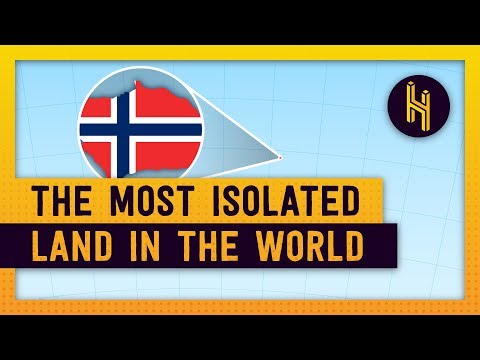
Bouvet Island: The Most Isolated Piece of Land on Earth
0
Samuel posted on 2018/10/08Ever wondered about the most isolated place on Earth? This video dives into Bouvet Island, exploring its history, territorial claims, and even a mysterious nuclear test event in the Southern Ocean! You'll pick up fascinating knowledge and practice understanding simple sentence structures while learning about this remote corner of the world.
Learn this video on the APP!
The VoiceTube App has more in-depth practice for videos!