
accessible
US /ækˈsɛsəbəl/
UK /əkˈsesəbl/
- Adjective
- Able to be entered, reached or used
- Easy to understand.
A2Moreactual
US /ˈæktʃuəl/
UK /ˈæktʃuəl/
- Adjective
- Real or existing in fact, not imagined; real
- Current; existing at the present time.
A2TOEICMoreaim
US /em/
UK /eɪm/
- Noun (Countable/Uncountable)
- Act of pointing something at a target
- Purpose or goal
- Transitive Verb
- To point something at a target
- To intend to get a thing or for a thing to happen
A2TOEICMoreanalyze
US /ˈænəˌlaɪz/
UK /'ænəlaɪz/
- Transitive Verb
- To study carefully to find out the meaning of
B1TOEICMoreany sort of
US
UK
- Determiner
- Any kind of; any type of
- Phrase
- Somewhat; to some extent
A2Moreanymore
US /ˌɛniˈmɔr, -ˈmor/
UK /'enɪmɔ:/
- Adverb
- No longer; no more
A2Moreapproach
US /əˈprəʊtʃ/
UK /ə'prəʊtʃ/
- Verb (Transitive/Intransitive)
- To get close to reaching something or somewhere
- To request someone to do something specific
- Noun (Countable/Uncountable)
- Means of reaching a place, often a road or path
- Request of someone with a specific goal in mind
A2TOEICMorebasically
US /ˈbesɪkəli,-kli/
UK /ˈbeɪsɪkli/
- Adverb
- Used before you explain something simply, clearly
- In essence; when you consider the most important aspects of something.
A2Morebasis
US /ˈbesɪs/
UK /ˈbeɪsɪs/
- Noun
- Main ingredient or part of something
- Starting situation, fact, idea to develop from
A2TOEICMorebuild up
US /bɪld ʌp/
UK /bild ʌp/
- Phrasal Verb
- To increase the amount; collect something
- To develop or increase something in stages
- Verb (Transitive/Intransitive)
- To increase or develop something gradually.
- To praise or encourage someone.
A1Moreby extension
US /baɪ ɪkˈstɛnʃən/
UK /bai iksˈtenʃən/
- Phrase
- Using a word or phrase in a wider context than is usual, typically to include situations that are similar to the one that the word or phrase was originally used for.
A2Morecome back
US /kʌm bæk/
UK /kʌm bæk/
- Phrasal Verb
- To reply to someone, often forcefully
- To be remembered
A1Moredecent
US /ˈdisənt/
UK /ˈdi:snt/
- Adjective
- Being fairly good; acceptable
- Conforming to conventionally accepted standards of behaviour; respectable or moral.
B1Moreequal parts
US
UK
- Phrase
- Amounts that are the same in size or quantity.
- In amounts that are the same.
B1Moreessential
US /ɪˈsɛnʃəl/
UK /ɪ'senʃl/
- Adjective
- Extremely or most important and necessary
- Fundamental; basic.
- Noun
- A concentrated hydrophobic liquid containing volatile aroma compounds from plants.
B1TOEICMoreexcept for
US /ɪkˈsɛpt fɔr/
UK /ikˈsept fɔ:/
- Preposition
- Not including; excluding.
expose
US /ɪkˈspoʊz/
UK /ɪk'spəʊz/
- Transitive Verb
- To make visible, without covering or protection
- To allow light through a cameras lens onto film
A2TOEICMoreextension
US /ɪkˈstɛnʃən/
UK /ɪkˈstenʃn/
- Noun
- Addition to something, e.g. a house
- Suffix code of a computer file, e.g. .pdf, .jpg
- Adjective
- Adding extra length
B1TOEICMorefor example
US
UK
- Phrase
- As an illustration or instance.
for one thing
US /fɔr wʌn θɪŋ/
UK /fɔ: wʌn θiŋ/
- Phrase
- Used to introduce a reason for something.
A1Morefrustrating
US /frʌˈstretɪŋ/
UK /frʌˈstreɪtɪŋ/
- Transitive Verb
- To make annoyed because things don't go well
- To prevent (someone) from accomplishing something.
- Adjective
- Annoying because things don't go the way you want
- Serving to frustrate.
B1Morefrustration
US /frʌˈstreʃən/
UK /frʌ'streɪʃn/
- Noun (Countable/Uncountable)
- Annoyance because things don't go the way you want
- The prevention of the progress, success, or fulfillment of something.
B1Moregrammar
US /ˈɡræmɚ/
UK /ˈgræmə(r)/
- Uncountable Noun
- Book describing the syntactic rules of a language
- Rules explaining how words are used in a language
B1Moregrammatical
US /ɡrəˈmætɪkəl/
UK /grəˈmætɪkl/
- Adjective
- Conforming to the rules of syntax
B1Moreharm
US /hɑrm/
UK /hɑ:m/
- Transitive Verb
- To damage, injure, or hurt someone or something
- Noun
- Damage or injury
A2Morehave to
US /hæv tu/
UK /ˈhæv tə/
- Auxiliary Verb
- Must do
A1Moreideally
US /aɪˈdiəli/
UK /aɪ'di:əlɪ/
- Adverb
- In a perfect way; very suitably
- In theory; according to an ideal or theoretical standard.
B2Morein fact
US /ɪn fækt/
UK /in fækt/
- Adverb
- Used to emphasize the truth of a statement, especially one that contrasts with or contradicts something else.
- Used to introduce a more detailed or surprising piece of information.
- Phrase
- Used to emphasize the truth of a statement, especially one that is surprising or contrary to what might be expected.
C1Morein order to
US /ɪn ˈɔrdɚ tu/
UK /in ˈɔ:də tu:/
- Preposition
- For the purpose of; with the aim of.
- Phrase
- In a specific sequence or arrangement.
- With the aim of; for the purpose of.
C1Morein return
US /ɪn rɪˈtɚn/
UK /in riˈtə:n/
- Adverb
- As a reciprocal action or gesture; in exchange or repayment.
- Phrase
- As compensation or consideration for something.
- As a reaction or response to something.
A1Morein terms of
US
UK
- Phrase
- With regard to; concerning a particular aspect.
A1Moreintermediate
US /ˌɪntɚˈmidiɪt/
UK /ˌɪntəˈmi:diət/
- Adjective
- Between; in the middle; moderate
- Having some knowledge but not advanced
- Noun (Countable/Uncountable)
- Person with some knowledge but not advanced
- Something that comes between two things in time, place, character, etc.
B1Moreintuitive
US /ɪnˈtuɪtɪv, -ˈtju-/
UK /ɪnˈtju:ɪtɪv/
- Adjective
- Able to understand by feeling rather than fact
- Easy to use and understand.
B2Moreintuitive sense
US
UK
- Noun (Countable/Uncountable)
- An instinctive feeling not based on conscious reasoning.
- A natural understanding of something.
level
US /ˈlɛvəl/
UK /'levl/
- Noun (Countable/Uncountable)
- Specific height of something
- Amount of ability you have compared to others
- Transitive Verb
- To aim a gun at someone
- To destroy a building; flatten an area completely
A2TOEICMorelimit
US /ˈlɪmɪt/
UK /'lɪmɪt/
- Noun (Countable/Uncountable)
- Point beyond which it is not possible to go
- A line or edge marking the boundary of an area.
- Transitive Verb
- To stop or prevent an increase past a point
A2TOEICMoremajority
US /məˈdʒɔrɪti, -ˈdʒɑr-/
UK /mə'dʒɒrətɪ/
- Noun (Countable/Uncountable)
- Amount that is more than half of a group
- The age at which a person is legally considered an adult.
B1TOEICMorematch
US /mætʃ/
UK /mætʃ/
- Verb (Transitive/Intransitive)
- To equal or be as good as something else
- To work well or look good with something else
- Noun
- Something that is equal to or the same as another
- Small stick you strike to light a fire candle etc.
A2TOEICMoremeltdown
US /ˈmɛltˌdaʊn/
UK /ˈmeltdaʊn/
- Noun
- Very large disaster, where everything goes wrong
B1Moreoccur
US /əˈkɚ/
UK /əˈkɜ:(r)/
- Intransitive Verb
- To come to pass or to happen
- To be found to exist; to be present.
A2TOEICMoreof course
US /ʌv kɔː(r)s/
UK /ɔv kɔː(r)s/
- Adverb
- Sure ; Certainly
- Phrase
- For sure; certainly
A2Moreon the market
US
UK
- Phrase
- Available for sale.
- Actively seeking employment.
A2Moreparaphrase
US /ˈpærəˌfrez/
UK /ˈpærəfreɪz/
- Noun
- Summary of another person's words
B2Morepick out
US /pɪk aʊt/
UK /pik aut/
- Phrasal Verb
- To choose or select one item from many
- To distinguish or recognize something or someone from a group.
A1Moreplacebo
US /pləˈsibo/
UK /plə'si:bəʊ/
- Noun
- Harmless pill for comparison in trial of new drug
B2Morepractice
US /ˈpræktɪs/
UK /'præktɪs/
- Noun
- The office and place for legal or medical work
- Doing something many times to become better at it
- Verb (Transitive/Intransitive)
- To work as a doctor or lawyer
- To live according to the teachings of a religion
A2TOEICMoreprediction
US /prɪˈdɪkʃən/
UK /prɪˈdɪkʃn/
- Noun
- A statement of what will happen next
A2Morerange
US /rendʒ/
UK /reɪndʒ/
- Noun (Countable/Uncountable)
- Cooking stove with multiple burners
- Given distance from a point; how far plane can fly
- Verb (Transitive/Intransitive)
- To cover an area from one point to another
- To extend to or vary within given limits
A2TOEICMorerather than
US
UK
- Adverb
- More exactly; more correctly
- Preferably; instead
- Preposition
- Instead of
A1Moreread through
US /rid θru/
UK /ri:d θru:/
- Phrasal Verb
- To read something from beginning to end, often to find mistakes or check details.
- To read something quickly without paying attention to details.
- Noun
- A rehearsal where actors read through the script without acting it out fully.
A1Moreresemble
US /rɪˈzɛmbəl/
UK /rɪˈzembl/
- Verb (Transitive/Intransitive)
- To be similar to in looks or manner
B1TOEICMorescanning
US /ˈskænɪŋ/
UK /'skænɪŋ/
- Transitive Verb
- To look inside of the body with a special machine
- To look at something very quickly for information
B1Morescore
US /skɔr, skor/
UK /skɔ:(r)/
- Noun
- A sharp mark or cut in the surface of something
- Current number of points given in a game, contest
- Transitive Verb
- To mark or cut something with a sharp object
- To get or give points in a game, contest, or test
A2TOEICMoreshock
US /ʃɑ:k/
UK /ʃɒk/
- Noun
- The passage of an electricity through the body
- Sudden bad feeling caused by something unexpected
- Transitive Verb
- To affect someone with an electrical current
- To cause great surprise, horror, or anger
A2Moreshocking
US /ˈʃɑkɪŋ/
UK /ˈʃɒkɪŋ/
- Transitive Verb
- To affect someone with an electrical current
- To cause great surprise, horror, or anger
- Adjective
- Very upsetting due to some unexpected event
A2Moreshooting
US /ˈʃutɪŋ/
UK /ˈʃu:tɪŋ/
- Verb (Transitive/Intransitive)
- To kick or throw a ball at a goal
- To fire a gun; injure or kill someone with a gun
- Noun (Countable/Uncountable)
- An incident where someone tries to kill others
- to try to score points for yourself or your team, in sports involving a ball, by kicking, hitting, or throwing the ball towards the goal
A2Moreshut
US /ʃʌt/
UK /ʃʌt/
- Intransitive Verb
- To stop being open for business
- Transitive Verb
- To close something, e.g. a door
A2Moreshut down
US /ʃʌt daʊn/
UK /ʃʌt daun/
- Phrasal Verb
- To close an operating system, e.g. on a computer
- To stop a factory/machine from operating
- Transitive Verb
- To deactivate a nuclear reactor.
- To turn off a computer or other electronic device.
A2Moresimplified
US /'sɪmplɪfaɪd/
UK /'sɪmplɪfaɪd/
- Transitive Verb
- To make something easier to do, use or understand
A2Moresimplify
US /ˈsɪmpləˌfaɪ/
UK /ˈsɪmplɪfaɪ/
- Transitive Verb
- To make something easier to do, use or understand
A2Moresimplifying
US
UK
- Transitive Verb
- To make something easier to do, use or understand
B1Morestart off
US /stɑrt ɔf/
UK /stɑ:t ɔf/
- Phrasal Verb
- To begin or commence something.
- To begin a journey.
B2Moresystematic
US /ˌsɪstəˈmætɪk/
UK /ˌsɪstəˈmætɪk/
- Adjective
- Done in a thorough, logical or planned way
A2Moretennis
US /'tenɪs/
UK /'tenɪs/
- Noun
- Game played by hitting a ball over a net
A2Moretranslate
US /trænsˈlet/
UK /trænsˈleɪt/
- Transitive Verb
- To change something into a different state
- To be equivalent to; equate to
A2Moreunderlie
US /ˌʌndərˈlaɪ/
UK /ˌʌndəˈlaɪ/
- Verb (Transitive/Intransitive)
- To be the basis, foundation or cause of something
- To lie or exist beneath
B1Moreunit
US /ˈjunɪt/
UK /ˈju:nɪt/
- Countable Noun
- One apartment in a building
- Group of people, e.g. soldiers, that work together
B2TOEICMorevocabulary
US /voˈkæbjəˌlɛri/
UK /və'kæbjələrɪ/
- Uncountable Noun
- Words that have to do with a particular subject
- The words that a person knows
B1TOEICMorewaste
US /west/
UK /weɪst/
- Transitive Verb
- To kill or severely harm someone
- To use valuable things ineffectively
- Uncountable Noun
- Materials left over after a process has finished
A2TOEICMorewith it
US /wɪð ɪt/
UK /wið it/
- Adjective
- Intelligent, alert, and up-to-date.
- Understanding and knowledgeable about current trends or information.
A1Morework on
US /wɚk ɑn/
UK /wə:k ɔn/
- Phrasal Verb
- To devote effort to improve or develop something
- To try to persuade or influence someone.
A1More
Vocabulary
- work on: To devote effort to improve or develop something
- in terms of
- on the market: Available for sale.
- in fact: Used to emphasize the truth of a statement, especially one that contrasts with or contradicts something else.
- have to: Must do
- build up: To increase the amount; collect something
- for example: As an illustration or instance.
- by extension: Using a word or phrase in a wider context than is usual, typically to include situations that are similar to the one that the word or phrase was originally used for.
- read through: To read something from beginning to end, often to find mistakes or check details.
- pick out: To choose or select one item from many
- with it: Intelligent, alert, and up-to-date.
- of course: Sure ; Certainly
- intuitive sense: An instinctive feeling not based on conscious reasoning.
- except for: Not including; excluding.
- for one thing: Used to introduce a reason for something.
- come back: To reply to someone, often forcefully
- in return: As a reciprocal action or gesture; in exchange or repayment.
- equal parts: Amounts that are the same in size or quantity.
- start off: To begin or commence something.
- rather than: More exactly; more correctly
- shut down: To close an operating system, e.g. on a computer
- in order to: For the purpose of; with the aim of.
- any sort of: Any kind of; any type of
- test: To be given a medical examination
- listening: To use your ears to hear and understand things
- read: Person's name
- teacher: Person who teaches others, especially in a school
- easy: Not hard to do; not difficult
- ball: Large dance where people dress formally
- tennis: Game played by hitting a ball over a net
- practice: The office and place for legal or medical work
- face: To cover a surface with something like paint
- work: The product of some artistic or literary endeavor
- learn: To get knowledge or skills by study or experience
- understand: To know the meaning of language, what someone says
- good: Proper, appropriate or right
- present: Being in attendance; being there; having turned up
- difficult: Hard; not easy; you need to work hard to do it
- level: Specific height of something
- idea: Belief, thought, suggestion, opinion or plan
- vocabulary: Words that have to do with a particular subject
- real: Actually existing or happening, not imagined
- market: To publicize products to get you to buy; advertise
- nature: Person's character or particular way of behaving
- build: Your physical shape; physique
- prepare: To make something ready for use
- fact: Something that is known or proved to be true
- grammar: Book describing the syntactic rules of a language
- fail: To be unsuccessful in passing a class or exam
- match: To equal or be as good as something else
- shut: To stop being open for business
- broken: To create a new record e.g. running the 100m dash
- anymore: No longer; no more
- aim: Act of pointing something at a target
- range: Cooking stove with multiple burners
- approach: To get close to reaching something or somewhere
- intermediate: Between; in the middle; moderate
- unit: One apartment in a building
- translate: To change something into a different state
- waste: To kill or severely harm someone
- shocking: To affect someone with an electrical current
- deal: To cope with something - usually troubles
- score: A sharp mark or cut in the surface of something
- accessible: Able to be entered, reached or used
- difficulty: Something that is hard to do
- essential: Extremely or most important and necessary
- limit: Point beyond which it is not possible to go
- shock: The passage of an electricity through the body
- basically: Used before you explain something simply, clearly
- expose: To make visible, without covering or protection
- frustrating: To make annoyed because things don't go well
- basis: Main ingredient or part of something
- majority: Amount that is more than half of a group
- actual: Real or existing in fact, not imagined; real
- analyze: To study carefully to find out the meaning of
- prediction: A statement of what will happen next
- ideally: In a perfect way; very suitably
- extension: Addition to something, e.g. a house
- frustration: Annoyance because things don't go the way you want
- harm: To damage, injure, or hurt someone or something
- decent: Being fairly good; acceptable
- occur: To come to pass or to happen
- shooting: To kick or throw a ball at a goal
- simplified: To make something easier to do, use or understand
- simplify: To make something easier to do, use or understand
- simplifying: To make something easier to do, use or understand
- scanning: To look inside of the body with a special machine
- resemble: To be similar to in looks or manner
- underlie: To be the basis, foundation or cause of something
- grammatical: Conforming to the rules of syntax
- systematic: Done in a thorough, logical or planned way
- placebo: Harmless pill for comparison in trial of new drug
- osmosis: Diffusion of molecules through a semipermeable membrane from a place of higher concentration to a place of lower concentration until the concentration on both sides is equal
- paraphrase: Summary of another person's words
- meltdown: Very large disaster, where everything goes wrong
- brainer: A task or problem that requires very little thought or effort to solve; something very easy or obvious.
- intuitive: Able to understand by feeling rather than fact
Get the full experience in the app
Learn anywhere with detailed sentence and usage analysis
01:03
She took a brave step forward, leaving behind her comfort zone to chase her dreams.
Vocabulary
- brave
adj. Having courage
- comfort zone
phr. A familiar situation where one feels safe
Explanation
a brave step is a noun phrase, where brave is an adjective modifying the noun step, meaning "a courageous step".
forward is an adverb modifying step, meaning "ahead".
The whole phrase serves as the object, answering the "what" of took (verb) — she took a brave step forward.
Get the full experience in the app
Look up words anytime with pronunciation, part of speech, and usage
brave
US/brev/
UK/breɪv/
adj.Brave
v.t.To bravely face
A2 Elementary
Get the full experience in the app
Practice speaking anytime and get instant pronunciation feedback
Try this speaking exercise.
Try practicing with this sentence.
80
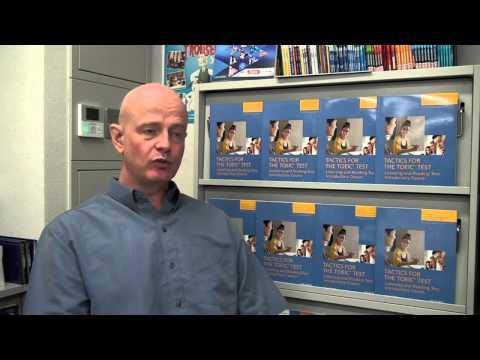
Grant Trew on TOEIC® (Part 2)
0
羅媛蓉 posted on 2013/10/05Struggling with TOEIC Part 2? Grant Trew dives into effective strategies for tackling this tricky listening section, focusing on paraphrase recognition and essential test-taking tips. You'll pick up advanced vocabulary and learn how to navigate complex sentences, giving your TOEIC score a serious boost!
Learn this video on the APP!
The VoiceTube App has more in-depth practice for videos!