
adolescence
US /ˌædlˈɛsəns/
UK /ˌædəˈlesns/
- Noun
- Developmental period typically in the teen years
- The period of life from puberty to maturity.
B2Moreall over the place
US
UK
- Phrase
- In a state of disorder; scattered everywhere.
- In many different locations; widely distributed.
- Adjective
- Mentally or emotionally disorganized; confused or erratic.
A1Moreanthropology
US /ˌænθrəˈpɑ:lədʒi/
UK /ˌænθrəˈpɒlədʒi/
- Uncountable Noun
- Study of human origins, development and society
B2Morearc
US /ɑrk/
UK /ɑ:k/
- Noun
- Smoothly curving line or movement
- Intransitive Verb
- To bend in a smooth curve
B2Moreat the same time
US
UK
- Phrase
- Simultaneously; at the identical moment.
- Nevertheless; however; used to introduce a contrasting or qualifying statement.
A1Morecare of
US /kɛr ʌv/
UK /kɛə ɔv/
- Preposition
- Used in an address to indicate the person who will receive the mail for someone else.
A2Morechildbirth
US /ˈtʃaɪldˌbəθ/
UK /ˈtʃaɪldbɜ:θ/
- Noun
- Process of giving birth to a child
C1Morecoincidence
US /koʊˈɪnsɪdəns/
UK /kəʊˈɪnsɪdəns/
- Noun (Countable/Uncountable)
- Occurrence by chance, not design or planned
- State in which two ideas or opinions are the same
B1Moreconcept
US /ˈkɑnˌsɛpt/
UK /'kɒnsept/
- Noun (Countable/Uncountable)
- Abstract idea of something or how it works
- A plan or intention; a conception.
A2TOEICMoreconcern
US /kənˈsɚn/
UK /kənˈsɜ:n/
- Verb (Transitive/Intransitive)
- To be about a particular topic
- To have a direct impact on someone
- Noun (Countable/Uncountable)
- Company, firm or business
- Feeling of worry or anxiety
A2TOEICMorecondition
US /kənˈdɪʃən/
UK /kənˈdɪʃn/
- Transitive Verb
- To improve something to make it better
- To cause to behave automatically in a certain way
- Noun (Countable/Uncountable)
- Disease or other medical problem
- The state of living you are in, e.g. good health
A2Moredecade
US /ˈdɛkˌed, dɛˈked/
UK /ˈdekeɪd/
- Countable Noun
- Period of 10 years
B1TOEICMoredepress
US /dɪˈprɛs/
UK /dɪ'pres/
- Transitive Verb
- To make someone feel sad or miserable
- To push something down
B2Moredepression
US /dɪˈprɛʃən/
UK /dɪ'preʃn/
- Noun (Countable/Uncountable)
- Medical condition of a lack of vitality
- Period of unemployment and low economic activity
B2Morediagnosis
US /ˌdaɪəgˈnoʊsɪs/
UK /ˌdaɪəgˈnəʊsɪs/
- Noun (plural)
- Judgments by a doctor about a person's illness
- Noun
- The identification of a disease or condition.
B1Morediscomfort
US /dɪsˈkʌmfərt/
UK /dɪsˈkʌmfət/
- Transitive Verb
- To cause to feel uncomfortable or not at ease
- Uncountable Noun
- Feelings of being uncomfortable or uneasy
B2Moredisease
US /dɪˈziz/
UK /dɪˈzi:z/
- Noun (Countable/Uncountable)
- Illness that affects a person, animal, or plant
- A disorder of structure or function in a plant, especially one caused by a pathogen.
- Transitive Verb
- To affect with disease; to corrupt or sicken.
A2TOEICMoreemotional
US /ɪˈmoʃənəl/
UK /ɪˈməʊʃənl/
- Adjective
- Causing, feeling, or appealing to the emotions
- Relating to or characterized by emotion
A2Moreessay
US /ˈɛsˌe, ɛˈse/
UK /'eseɪ/
- Noun (Countable/Uncountable)
- Short piece of written opinion on a subject
- A test of the quality of a metal or ore.
- Verb (Transitive/Intransitive)
- To attempt or try.
- To test or evaluate the quality of something.
B1Moreevolution
US /ˌɛvəˈluʃən, ˌivə-/
UK /ˌi:və'lu:ʃn/
- Uncountable Noun
- Theory that living things change over time
- Process by which something develops over time
B1Moreexercise
US /ˈɛksɚˌsaɪz/
UK /'eksəsaɪz/
- Verb (Transitive/Intransitive)
- To work out to become stronger and healthier
- To retain your ability or practice your skills
- Noun (Countable/Uncountable)
- Physical activity to increase health and strength
- Set of questions in a text book
A2Moreexpectation
US /ˌɛkspɛkˈteʃən/
UK /ˌekspekˈteɪʃn/
- Noun (Countable/Uncountable)
- Belief or hope that something is going to happen
- A belief that someone should behave in a particular way.
A2TOEICMorefeel like
US
UK
- Intransitive Verb
- To have a desire or inclination for something.
- To have a particular quality or sensation; resemble.
A1Morefit into
US /fɪt ˈɪntu/
UK /fit ˈɪntuː/
- Phrasal Verb
- To be small enough to go inside something.
- To feel like you belong to a group.
A2Moreframe
US /frem/
UK /freɪm/
- Transitive Verb
- To make a person that is not guilty appear guilty
- To put say or write something in a careful way
- Noun (Countable/Uncountable)
- Structure that holds a picture or photo
- A person's body shape determined by their skeleton
A2TOEICMorehormonal
US /hɔ:'moʊnl/
UK /hɔ:'məʊnl/
- Adjective
- Concerning or caused by hormones in the body
B2Morehormone
US /ˈhɔrˌmon/
UK /'hɔ:məʊn/
- Noun
- Chemical produced by the body to control functions
B2Moreidentity
US /aɪˈdɛntɪti/
UK /aɪ'dentətɪ/
- Noun (Countable/Uncountable)
- Collection of qualities that makes a person
- Who someone is; the name of a person
B1Moreintellectual
US /ˌɪntlˈɛktʃuəl/
UK /ˌɪntəˈlektʃuəl/
- Noun (Countable/Uncountable)
- connected with or using a person’s ability to think in a logical way and understand things
- a person who is well educated and enjoys activities in which they have to think seriously about things
- Adjective
- Relating to the intellect or mental understanding.
- Appealing to or requiring the use of the intellect.
B1Morelead to
US /lid tu/
UK /li:d tu:/
- Phrasal Verb
- To result in some action
- Verb (Transitive/Intransitive)
- To have something as a consequence or result.
A1Moremeasure up
US /ˈmɛʒɚ ʌp/
UK /ˈmeʒə ʌp/
- Verb (Transitive/Intransitive)
- To be good enough; to meet the required standard.
- Phrasal Verb
- To be good enough; to meet expectations or standards.
B2Moremention
US /ˈmɛnʃən/
UK /'menʃn/
- Transitive Verb
- To refer to or talk or write about something
- Uncountable Noun
- Act of referring to or talking about something
- A formal acknowledgement of something
A2TOEICMorenormalize
US /ˈnɔ:rməlaɪz/
UK /ˈnɔ:məlaɪz/
- Transitive Verb
- To make something normal or regular
B2Moreout of print
US /aʊt əv prɪnt/
UK /aut əv prɪnt/
- other
- No longer being published or available to buy new.
B2Moreoxytocin
US /ˌɒksɪ'toʊsɪn/
UK /ˌɒksɪ'təʊsɪn/
- Uncountable Noun
- Hormone secreted by the posterior pituitary gland (trade name Pitocin); stimulates contractions of the uterus and ejection of milk
B2Morepattern
US /ˈpætən/
UK /'pætn/
- Noun (Countable/Uncountable)
- Model to follow in making or doing something
- Colors or shapes which are repeated on objects
- Transitive Verb
- To copy the way something else is made
- To decorate with a pattern.
A2TOEICMorephysical
US /ˈfɪzɪkəl/
UK /ˈfɪzɪkl/
- Countable Noun
- Health check at the doctors' or hospital
- Adjective
- Concerning the body of a person
- Concerning things that can be seen or touched
A2Morepregnancy
US /ˈprɛɡnənsi/
UK /ˈpregnənsi/
- Uncountable Noun
- When a woman carries her unborn baby inside her
- A specific instance or period of being pregnant.
B1Morepregnant
US /ˈprɛɡnənt/
UK /ˈpregnənt/
- Adjective
- Carrying your unborn baby inside you
- Full of meaning or significance; suggestive.
B1Morepreserve
US /prɪˈzɜ:rv/
UK /prɪˈzɜ:v/
- Transitive Verb
- To cook food so it can be kept for long periods
- To protect something from harm, loss or damage
- Noun (Countable/Uncountable)
- Sweet fruit spread; jam
- Protected area of land with plants and animals
B1TOEICMoreprofound
US /prəˈfaʊnd, pro-/
UK /prə'faʊnd/
- Adjective
- Requiring deep thought; difficult to understand
- Showing a lot of deep thought or understanding
B1Morepsychiatrist
US /saɪ'kaɪətrɪst/
UK /saɪˈkaɪətrɪst/
- Countable Noun
- Doctor who treats psychological disorders
- Doctor who treats psychological disorders
B2Morepsychology
US /saɪˈkɑlədʒi/
UK /saɪ'kɒlədʒɪ/
- Uncountable Noun
- The study of the mind and how it affects behavior
- Way in which a person or group thinks and behaves
C2Morereassure
US /ˌri:əˈʃʊr/
UK /ˌri:əˈʃʊə(r)/
- Transitive Verb
- To make feel less worried about something
B1Morerelease
US /rɪ'li:s/
UK /rɪ'li:s/
- Transitive Verb
- To free someone from a responsibility or burden
- To allow a film, music etc. to be sold/distributed
- Noun
- Act of freeing someone from a duty or burden
- Introduction of a new product, film, book, etc.
A2TOEICMoresame time
US
UK
- Phrase
- Occurring simultaneously or at the same point in time.
- At the identical time as before; recurring at a fixed hour.
- Noun
- An equal duration or period.
A1Moreseparate
US /'sepəreɪt/
UK /'sepəreɪt/
- Adjective
- Being different from or unrelated to another
- Not connected; different.
- Transitive Verb
- To divide two things by being in between them
- To move things away from each other
A2TOEICMoreset out
US /sɛt aʊt/
UK /set aut/
- Phrasal Verb
- To arrange something in an orderly fashion
- To give in detail in writing
A1Moreshift
US /ʃɪft/
UK /ʃɪft/
- Verb (Transitive/Intransitive)
- To change in position or direction
- To move something from one place to another
- Noun (Countable/Uncountable)
- A change in a persons plans, opinions or beliefs
- Period of work starting at a certain time
A2Moretalking about
US
UK
- Phrasal Verb
- To discuss a particular topic.
- To be constantly mentioning or bringing up a subject.
A1Moretension
US /ˈtɛnʃən/
UK /'tenʃn/
- Uncountable Noun
- Feeling of anxiety and inability to relax
- Degree to which something is stretched tight
A2TOEICMoretherapy
US /ˈθɛrəpi/
UK /'θerəpɪ/
- Noun (Countable/Uncountable)
- Treatment to help cure an illness
- Psychological counseling to help resolve personal or emotional problems.
B2Moretransition
US /trænˈzɪʃən, -ˈsɪʃ-/
UK /trænˈzɪʃn/
- Noun
- Change from one state, movement, place to another
- Intransitive Verb
- To change state, movement, place, or subject
B1Moreunrealistic
US /ˌʌnri:əˈlɪstɪk/
UK /ˌʌnrɪəˈlɪstɪk/
- Adjective
- Not seeing or interpreting things as they are
B1Moreunsteady
US /ʌnˈstɛdi/
UK /ʌnˈstedi/
- Adjective
- Variable; subject to change
- Not firm or stable; shaky.
B2Morevocabulary
US /voˈkæbjəˌlɛri/
UK /və'kæbjələrɪ/
- Uncountable Noun
- Words that have to do with a particular subject
- The words that a person knows
B1TOEICMore
Vocabulary
- at the same time: Simultaneously; at the identical moment.
- same time: Occurring simultaneously or at the same point in time.
- feel like: To have a desire or inclination for something.
- all over the place: In a state of disorder; scattered everywhere.
- measure up: To be good enough; to meet the required standard.
- set out: To arrange something in an orderly fashion
- out of print: No longer being published or available to buy new.
- fit into: To be small enough to go inside something.
- lead to: To result in some action
- talking about: To discuss a particular topic.
- care of: Used in an address to indicate the person who will receive the mail for someone else.
- depression: Medical condition of a lack of vitality
- profound: Requiring deep thought; difficult to understand
- physical: Health check at the doctors' or hospital
- pattern: Model to follow in making or doing something
- concept: Abstract idea of something or how it works
- vocabulary: Words that have to do with a particular subject
- therapy: Treatment to help cure an illness
- coincidence: Occurrence by chance, not design or planned
- develop: To explain something in steps and in detail
- expect: To believe something is probably going to happen
- intellectual: connected with or using a person’s ability to think in a logical way and understand things
- disease: Illness that affects a person, animal, or plant
- emotional: Causing, feeling, or appealing to the emotions
- describe: To tell the appearance, sound, smell of something
- measure: Plan to achieve a desired result
- hormone: Chemical produced by the body to control functions
- psychology: The study of the mind and how it affects behavior
- separate: Being different from or unrelated to another
- decade: Period of 10 years
- shift: To change in position or direction
- condition: To improve something to make it better
- concern: To be about a particular topic
- mention: To refer to or talk or write about something
- exercise: To work out to become stronger and healthier
- pregnant: Carrying your unborn baby inside you
- frame: To make a person that is not guilty appear guilty
- preserve: To cook food so it can be kept for long periods
- release: To free someone from a responsibility or burden
- tension: Feeling of anxiety and inability to relax
- evolution: Theory that living things change over time
- expectation: Belief or hope that something is going to happen
- identity: Collection of qualities that makes a person
- transition: Change from one state, movement, place to another
- adolescence: Developmental period typically in the teen years
- essay: Short piece of written opinion on a subject
- break: To create a new record e.g. running the 100m dash
- strange: Unusual or odd; surprising because unexpected
- pregnancy: When a woman carries her unborn baby inside her
- unrealistic: Not seeing or interpreting things as they are
- reassure: To make feel less worried about something
- normal: Standard or regular way of doing something
- leave: To go away from; depart
- oxytocin: Hormone secreted by the posterior pituitary gland (trade name Pitocin); stimulates contractions of the uterus and ejection of milk
- diagnosis: Judgments by a doctor about a person's illness
- protect: To defend someone or something from harm or danger
- pull: Act of breathing in smoke, as from a pipe
- remember: To give someone a gift, e.g. birthday, wedding
- hard: Difficult to do; difficult to understand
- moody: Showing sudden or wide variations in mood
- part: Division of a book
- discomfort: To cause to feel uncomfortable or not at ease
- understand: To know the meaning of language, what someone says
- psychiatrist: Doctor who treats psychological disorders
- anthropology: Study of human origins, development and society
- hormonal: Concerning or caused by hormones in the body
- depress: To make someone feel sad or miserable
- arc: Smoothly curving line or movement
- normalize: To make something normal or regular
- childbirth: Process of giving birth to a child
- unsteady: Variable; subject to change
Get the full experience in the app
Learn anywhere with detailed sentence and usage analysis
01:03
She took a brave step forward, leaving behind her comfort zone to chase her dreams.
Vocabulary
- brave
adj. Having courage
- comfort zone
phr. A familiar situation where one feels safe
Explanation
a brave step is a noun phrase, where brave is an adjective modifying the noun step, meaning "a courageous step".
forward is an adverb modifying step, meaning "ahead".
The whole phrase serves as the object, answering the "what" of took (verb) — she took a brave step forward.
Get the full experience in the app
Look up words anytime with pronunciation, part of speech, and usage
brave
US/brev/
UK/breɪv/
adj.Brave
v.t.To bravely face
A2 Elementary
Get the full experience in the app
Practice speaking anytime and get instant pronunciation feedback
Try this speaking exercise.
Try practicing with this sentence.
80
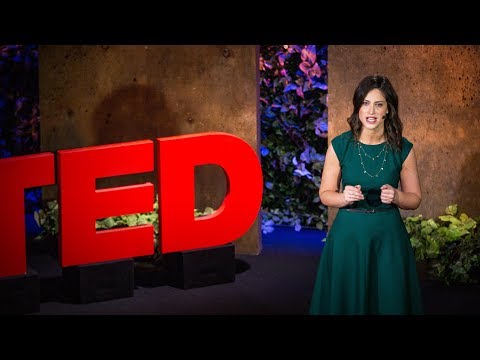
【TED】Alexandra Sacks: A new way to think about the transition to motherhood (A new way to think about the transition to motherhood | Alexandra Sacks)
0
林宜悉 posted on 2018/09/20Ever wondered about the huge changes that happen when you become a mom? This TED talk dives into 'matrescence,' a term for the transition to motherhood, and offers a fresh perspective on the emotional and psychological shifts involved. You'll pick up some advanced vocabulary and gain a deeper cultural understanding of this profound life stage!
Learn this video on the APP!
The VoiceTube App has more in-depth practice for videos!