
absolutely
US /ˈæbsəˌlutli, ˌæbsəˈlutli/
UK /ˈæbsəlu:tli/
- Adverb
- Completely; totally; very
- Considered independently and without relation to other things; viewed abstractly; as, quantity absolutely considered.
A2Morealmost all of
US
UK
- Determiner
- Nearly the entire quantity or number of something.
- Pronoun
- Nearly every person in a group.
A1Moreat least
US /æt list/
UK /æt li:st/
- Adverb
- As a minimum
- Not less than
- Phrase
- No less than; at the minimum
- Used to indicate that something is positive in a bad situation.
C2Moreback into
US /bæk ˈɪntu/
UK /bæk ˈɪntuː/
- Phrasal Verb
- To drive a vehicle backwards into a space or area.
- To accidentally collide with something while moving backwards.
A1Moreback up
US /bæk ʌp/
UK /bæk ʌp/
- Phrasal Verb
- To save a copy of your computer data
- To confirm the truth of what someone says
A1Morebacteria
US /bækˈtɪriə/
UK /bæk'tɪərɪə/
- Noun (plural)
- The very small creatures that can cause disease
B2Morebreak down
US /brek daʊn/
UK /breik daun/
- Phrasal Verb
- To forcibly break, destroy or make collapse
- (Machine) to stop working or become weaker
A1Morebreak it down
US
UK
- Phrasal Verb
- To simplify something complex into smaller, more manageable parts.
- To explain something in a detailed and understandable way.
A2Morecause
US /kɔz/
UK /kɔ:z/
- Noun
- Belief, goal or organization that people support
- Reason for
- Transitive Verb
- To make something happen; create effect or result
A2Morecharge
US /tʃɑrdʒ/
UK /tʃɑ:dʒ/
- Verb (Transitive/Intransitive)
- To run quickly toward someone to attack them
- To ask for money as a price for a service or goods
- Noun (Countable/Uncountable)
- An attack by running quickly toward someone
- A price for a service or goods
A2Morecluster
US /ˈklʌstɚ/
UK /'klʌstə(r)/
- Intransitive Verb
- To come together in a group, flock etc.
- Countable Noun
- A small group of things
B1Morecombat
US /kəmˈbæt, ˈkɑmˌbæt/
UK /'kɒmbæt/
- Verb (Transitive/Intransitive)
- To fight someone or something physically
B1Morecomplement
US /ˈkɑ:mplɪment/
UK /ˈkɒmplɪment/
- Transitive Verb
- To go with so as to make the whole complete
- To combine genetically to produce a normal phenotype.
- Noun
- (Linguistics) set of words completing a sentence
- Something needed to complete or make perfect
B1Morecomplex
US /kəmˈplɛks, ˈkɑmˌplɛks/
UK /'kɒmpleks/
- Countable Noun
- Group of buildings all used for the same purpose
- Adjective
- Not being simple; having many parts or aspects
A2Morecrave
US /krev/
UK /kreɪv/
- Verb (Transitive/Intransitive)
- To have a very strong desire for something
B2Morecute
US /kjut/
UK /kju:t/
- Adjective
- Attractive in a pretty or endearing way
B2Morediet
US /ˈdaɪɪt/
UK /'daɪət/
- Intransitive Verb
- To eat special or less food, as to lose weight
- Noun (Countable/Uncountable)
- Plan of eating to reduce weight or improve health
- The usual food and drink consumed by an organism (person or animal)
A2TOEICMoredigest
US /daɪˈdʒest/
UK /daɪˈdʒest/
- Verb (Transitive/Intransitive)
- To convert food into energy in your stomach
- To think over facts, news etc.; take in information
- Noun
- A summary, as of the news
B2Moredigestive
US /daɪˈdʒɛstɪv, dɪ-/
UK /daɪˈdʒestɪv/
- Adjective
- Concerning processes of converting food to energy
B2Moredisease
US /dɪˈziz/
UK /dɪˈzi:z/
- Noun (Countable/Uncountable)
- Illness that affects a person, animal, or plant
- A disorder of structure or function in a plant, especially one caused by a pathogen.
- Transitive Verb
- To affect with disease; to corrupt or sicken.
A2TOEICMoredot
US /dɑt/
UK /dɒt/
- Transitive Verb
- To place small amounts/things in various places
- To mark something by placing a small, round spot
- Noun
- Small round mark
B1TOEICMoredung
US /dʌŋ/
UK /dʌŋ/
- Uncountable Noun
- Excretion from animals
B2Moreextract
US /ɪkˈstrækt/
UK /'ekstrækt/
- Noun (Countable/Uncountable)
- Essential ingredient of a natural thing
- Part taken from a longer written work
- Transitive Verb
- To get a substance out of a plant, etc.
- To get a person to share secret information
B1TOEICMorefeed on
US /fid ɑn/
UK /fi:d ɔn/
- Phrasal Verb
- To eat a particular food.
- To increase or become stronger because of something.
A1Morefibrous
US /ˈfaɪbrəs/
UK /'faɪbrəs/
- Adjective
- Containing, having or resembling threads
C2Morefor example
US
UK
- Phrase
- As an illustration or instance.
gobble
US /ˈgɑ:bl/
UK /ˈgɒbl/
- Verb (Transitive/Intransitive)
- To eat or swallow something quickly
C1Moregut
US /ɡʌt/
UK /ɡʌt/
- Transitive Verb
- To destroy the inside of a building , e.g. by fire
- To remove the internal parts of an animal or fish
- Noun (Countable/Uncountable)
- Stomach and internal organs of digestion
B1Morehave to
US /hæv tu/
UK /ˈhæv tə/
- Auxiliary Verb
- Must do
A1Morein charge
US /ɪn tʃɑrdʒ/
UK /in tʃɑ:dʒ/
- Adverb
- To be responsible for
A1Morein order to
US /ɪn ˈɔrdɚ tu/
UK /in ˈɔ:də tu:/
- Preposition
- For the purpose of; with the aim of.
- Phrase
- In a specific sequence or arrangement.
- With the aim of; for the purpose of.
C1Morekeen
US /kin/
UK /ki:n/
- Adjective
- Being eager or excited for something to happen
- Liking something; wanting to do or have; desiring
- Intransitive Verb
- To make a loud sad cry, as because someone died
B1TOEICMorekoala
US /koʊˈɑ:lə/
UK /kəʊˈɑ:lə/
- Noun
- Small tree-living Australian grey animal
C2Moreleftover
US /ˈlɛftˌovɚ/
UK /ˈleftəʊvə(r)/
- Adjective
- (Of food) that you didn't eat at a meal
C2Moremetabolic
US /ˌmetə'bɒlɪk/
UK /ˌmetə'bɒlɪk/
- Adjective
- Concerning the body's metabolism
- Relating to the rate at which metabolism occurs.
B2Morenasty
US /ˈnæsti/
UK /'nɑ:stɪ/
- Adjective
- Very bad, unpleasant, or offensive
- Unkind; unpleasant.
A2Morenecessarily
US /ˌnɛsɪˈsɛrəli, -ˈsɛr-/
UK /ˌnesəˈserəli/
- Adverb
- In a way that is needed/required/is unavoidable
A2TOEICMorenutrition
US /nuˈtrɪʃən, nju-/
UK /njuˈtrɪʃn/
- Uncountable Noun
- Scientific study of the effects of foods on health
- Food and other things you eat or drink
B1Morenutritious
US /nuˈtrɪʃəs/
UK /njuˈtrɪʃəs/
- Adjective
- Providing nourishment; good to include in the diet
B1Morepap
US /pæp/
UK /pæp/
- Uncountable Noun
- Soft or semiliquid food for babies or sick people.
- Noun
- Idealess or worthless entertainment or writing (often "intellectual pap").
B2Morepartially
US /ˈpɑ:rʃəli/
UK /ˈpɑ:ʃəli/
- Adverb
- In part; in some degree; not wholly
B1Morepoop
US /pup/
UK /pu:p/
- Uncountable Noun
- Feces
- Intransitive Verb
- To defecate
C2Morepouch
US /paʊtʃ/
UK /paʊtʃ/
- Noun (Countable/Uncountable)
- Pocket; a folded area that holds something
- A pocket-like part or bag in certain animals, such as the kangaroo, used for carrying young.
- Transitive Verb
- To form or cause to form a pouch.
B2Morepredator
US /ˈprɛdətɚ, -ˌtɔr/
UK /'predətə(r)/
- Countable Noun
- An animal that hunts and kills other animals
- Person preying on the weak to gain advantage
B1Moreprescribe
US /prɪˈskraɪb/
UK /prɪ'skraɪb/
- Transitive Verb
- (Of doctors) to say what medicine should be taken
- To set down rules or guidelines
B2Moreprocess
US /ˈprɑsˌɛs, ˈproˌsɛs/
UK /prə'ses/
- Transitive Verb
- To organize and use data in a computer
- To deal with official forms in the way required
- Noun (Countable/Uncountable)
- Dealing with official forms in the way required
- Set of changes that occur slowly and naturally
A2TOEICMoreregular
US /ˈrɛɡjəlɚ/
UK /ˈregjələ(r)/
- Adjective
- Having an equal amount of space or time in between
- Occurring or being done frequently
- Noun (Countable/Uncountable)
- Customers who frequently visit a place
- Soldier who has a permanent job in the army
A2TOEICMoreregularly
US /ˈregjələrli/
UK /ˈregjələli/
- Adverb
- At the usual time each day, week, or month
- In a normal or customary way.
B1TOEICMoreresult
US /rɪˈzʌlt/
UK /rɪ'zʌlt/
- Noun
- Something produced through tests or experiments
- Final score of a competition, election or game
- Intransitive Verb
- To be the outcome of other causes and effects
- To happen or exist as a consequence of something.
A2Moreslash
US /slæʃ/
UK /slæʃ/
- Noun (Countable/Uncountable)
- Line ( / ) used in writing
- Long, deep cut, caused by a sharp object
- Transitive Verb
- To cut violently with a sharp object
- To decrease something by a large amount
B2TOEICMoresniff
US /snɪf/
UK /snɪf/
- Verb (Transitive/Intransitive)
- To detect something, e.g. a potential problem
- To breathe in noisily through nose, as when crying
- Noun
- A noisy breath through your nose
B1Moresniff out
US /snɪf aʊt/
UK /snif aut/
- Phrasal Verb
- To discover something by using your nose; to detect or find something.
A1Moresodium
US /ˈsodiəm/
UK /'səʊdɪəm/
- Uncountable Noun
- A soft, white chemical element
B2Morespare
US /spɛr/
UK /speə(r)/
- Transitive Verb
- To make (money or time) available for
- To save from being hurt or punished
- Adjective
- Being extra or in reserve
A2Morespecific
US /spɪˈsɪfɪk/
UK /spəˈsɪfɪk/
- Adjective
- Precise; particular; just about that thing
- Concerning one particular thing or kind of thing
A2Morestrategy
US /ˈstrætədʒi/
UK /'strætədʒɪ/
- Noun (Countable/Uncountable)
- Careful plan or method for achieving a goal
- Branch of military dealing with command
A2TOEICMoresuck
US /sʌk/
UK /sʌk/
- Intransitive Verb
- To be very bad, undesirable or unpleasant
- Transitive Verb
- To pull or remove something with great power
- To attract someone; make someone interested
B1Moretough
US /tʌf/
UK /tʌf/
- Adjective
- (Of food) difficult to chew or bite through
- Very difficult to do or deal with
- Noun
- A rough and aggressive person.
A2Moretoxic
US /ˈtɑksɪk/
UK /ˈtɒksɪk/
- Adjective
- Poisonous; harmful
- (Of relationships) harmful; causing conflict
B2Moretract
US /trækt/
UK /trækt/
- Noun (Countable/Uncountable)
- A system of body parts or organs that has a particular function (e.g., digestive tract).
- An area of land, typically a large one.
C1TOEICMoreweird
US /wɪrd/
UK /wɪəd/
- Adjective
- Odd or unusual; surprising; strange
- Eerily strange or disturbing.
B1Moreyummy
US /ˈjʌmi/
UK /ˈjʌmi/
- Adjective
- (Of food) delicious; very tasty
C1More
Vocabulary
- for example: As an illustration or instance.
- almost all of: Nearly the entire quantity or number of something.
- sniff out: To discover something by using your nose; to detect or find something.
- feed on: To eat a particular food.
- have to: Must do
- break down: To forcibly break, destroy or make collapse
- in charge: To be responsible for
- in order to: For the purpose of; with the aim of.
- back up: To save a copy of your computer data
- back into: To drive a vehicle backwards into a space or area.
- at least: As a minimum
- break it down: To simplify something complex into smaller, more manageable parts.
- weird: Odd or unusual; surprising; strange
- specific: Precise; particular; just about that thing
- absolutely: Completely; totally; very
- process: To organize and use data in a computer
- tough: (Of food) difficult to chew or bite through
- nasty: Very bad, unpleasant, or offensive
- strategy: Careful plan or method for achieving a goal
- crave: To have a very strong desire for something
- treat: To pay for the food or enjoyment of someone else
- necessarily: In a way that is needed/required/is unavoidable
- bacteria: The very small creatures that can cause disease
- disease: Illness that affects a person, animal, or plant
- complex: Group of buildings all used for the same purpose
- gut: To destroy the inside of a building , e.g. by fire
- combat: To fight someone or something physically
- toxic: Poisonous; harmful
- spare: To make (money or time) available for
- predator: An animal that hunts and kills other animals
- keen: Being eager or excited for something to happen
- suck: To be very bad, undesirable or unpleasant
- regular: Having an equal amount of space or time in between
- draw: To attract attention to someone or something
- cause: Belief, goal or organization that people support
- digestive: Concerning processes of converting food to energy
- charge: To run quickly toward someone to attack them
- extract: Essential ingredient of a natural thing
- metabolic: Concerning the body's metabolism
- digest: To convert food into energy in your stomach
- result: Something produced through tests or experiments
- pretty: Being attractive to the eye in a simple way
- leftover: (Of food) that you didn't eat at a meal
- nutrition: Scientific study of the effects of foods on health
- diet: To eat special or less food, as to lose weight
- break: To create a new record e.g. running the 100m dash
- sniff: To detect something, e.g. a potential problem
- mucus: Thick liquid substance made in certain parts of the human body, such as the nose
- slash: Line ( / ) used in writing
- strange: Unusual or odd; surprising because unexpected
- sodium: A soft, white chemical element
- regularly: At the usual time each day, week, or month
- complement: To go with so as to make the whole complete
- manage: To survive hardships and difficulties; to cope
- control: A device designed to operate a machine
- learn: To get knowledge or skills by study or experience
- partially: In part; in some degree; not wholly
- build: Your physical shape; physique
- cluster: To come together in a group, flock etc.
- tract: A system of body parts or organs that has a particular function (e.g., digestive tract).
- prescribe: (Of doctors) to say what medicine should be taken
- pouch: Pocket; a folded area that holds something
- poop: Feces
- hard: Difficult to do; difficult to understand
- nutritious: Providing nourishment; good to include in the diet
- healthy: In good condition physically, or financially; well
- cover: To record a different version of another song
- human: A person; a man, woman or child
- gobble: To eat or swallow something quickly
- dangerous: Involving the chance of hurt or damage; risky
- dot: To place small amounts/things in various places
- fibrous: Containing, having or resembling threads
- dung: Excretion from animals
- yummy: (Of food) delicious; very tasty
- koala: Small tree-living Australian grey animal
- cute: Attractive in a pretty or endearing way
- pap: Soft or semiliquid food for babies or sick people.
Get the full experience in the app
Learn anywhere with detailed sentence and usage analysis
01:03
She took a brave step forward, leaving behind her comfort zone to chase her dreams.
Vocabulary
- brave
adj. Having courage
- comfort zone
phr. A familiar situation where one feels safe
Explanation
a brave step is a noun phrase, where brave is an adjective modifying the noun step, meaning "a courageous step".
forward is an adverb modifying step, meaning "ahead".
The whole phrase serves as the object, answering the "what" of took (verb) — she took a brave step forward.
Get the full experience in the app
Look up words anytime with pronunciation, part of speech, and usage
brave
US/brev/
UK/breɪv/
adj.Brave
v.t.To bravely face
A2 Elementary
Get the full experience in the app
Practice speaking anytime and get instant pronunciation feedback
Try this speaking exercise.
Try practicing with this sentence.
80
0
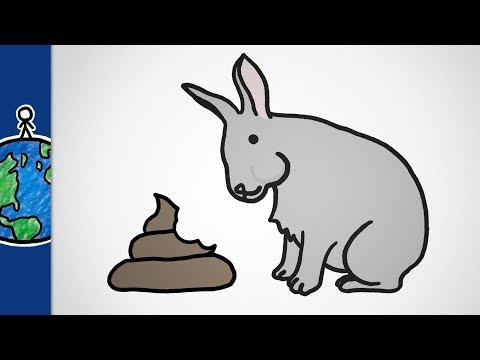
Minjane posted on 2023/06/23Ever wondered why some animals munch on poop? This fascinating MinuteEarth video dives into the science of coprophagy, explaining the amazing reasons behind this behavior and how it helps with nutrient recycling and microbiome transfer. You'll pick up some seriously cool advanced vocabulary while learning about these strange but wonderful animal habits!
Learn this video on the APP!
The VoiceTube App has more in-depth practice for videos!