
advance
US /ædˈvæns/
UK /əd'vɑ:ns/
- Noun
- Forward movement by an army
- An attempt to seduce someone
- Verb (Transitive/Intransitive)
- (Of an army) to move forward
- To change or improve
A2TOEICMorealternate
US /ˈɔ:ltərnət/
UK /ɔ:lˈtɜ:nət/
- Intransitive Verb
- To follow one thing after another repeatedly
B2TOEICMoreartificial
US /ˌɑrtəˈfɪʃəl/
UK /ˌɑ:tɪ'fɪʃl/
- Adjective
- Dishonest, to seem fake, not sincere
- (Something) made by people; not created by nature
B1TOEICMoreas well as
US /æz wɛl æz/
UK /æz wel æz/
- Adverb
- Also; in addition to
- Preposition
- In addition to; and also.
A1Moreaspect
US /ˈæspɛkt/
UK /'æspekt/
- Noun (Countable/Uncountable)
- Way something looks or seems to be
- An element, feature, or quality of something
A2TOEICMorebeat
US /bit/
UK /bi:t/
- Intransitive Verb
- To move in regular motions in order to push blood
- Transitive Verb
- To strike or hit repeatedly and with great force
- To mix ingredients together with a fork or machine
A2Morebiological
US /ˌbaɪəˈlɑdʒɪkəl/
UK /ˌbaɪəˈlɒdʒɪkl/
- Adjective
- Being related to life and living things
- A substance, such as a detergent, that contains enzymes.
B1Morebob
US /bɑ:b/
UK /bɒb/
- Intransitive Verb
- To move up and down repeatedly
- Proper Noun
- Person's name
B2Morecheck out
US /tʃɛk aʊt/
UK /tʃek aut/
- Phrase
- Phrasal Verb
- To find out information about something
- To take books out of a library
A1Morechip
US /tʃɪp/
UK /tʃɪp/
- Transitive Verb
- To break a small piece off something such as a cup
- To break into small pieces, often with a tool
- Noun (Countable/Uncountable)
- Small piece that has broken off (e.g. from cup)
- Piece of computer hardware that does calculations
B1Morecirculate
US /ˈsɚkjəˌlet/
UK /'sɜ:kjəleɪt/
- Intransitive Verb
- To go round continuously
- To move from one person to another, as at a party
- Verb (Transitive/Intransitive)
- To move around or through something, or to cause something to move around or through.
B1Morecollapse
US /kəˈlæps/
UK /kə'læps/
- Verb (Transitive/Intransitive)
- To fold (e.g. a stroller) down to make it smaller
- To suddenly fall down or break apart into pieces
- Noun
- The sudden failure of a structure or system.
- The sudden failure of a bodily organ or function.
B1Morecome about
US /kʌm əˈbaʊt/
UK /kʌm əˈbaut/
- Phrasal Verb
- To turn a boat around; (of boat) to turn around
- To take place; happen
A1Morecount
US /kaʊnt/
UK /kaʊnt/
- Verb (Transitive/Intransitive)
- To add things together to find the total number
- To matter or be important
- Countable Noun
- Number of things added together, e.g. votes
- With the number of crimes, knockouts, as stated
A2Moredate back
US /det bæk/
UK /deit bæk/
- Intransitive Verb
- To have existed since a particular time in the past.
- Phrasal Verb
- To have originated at a certain time in the past.
A1Moredescription
US /dɪˈskrɪpʃən/
UK /dɪˈskrɪpʃn/
- Noun
- Explanation of what something is like, looks like
- The type or nature of someone or something.
A2TOEICMoredisease
US /dɪˈziz/
UK /dɪˈzi:z/
- Noun (Countable/Uncountable)
- Illness that affects a person, animal, or plant
- A disorder of structure or function in a plant, especially one caused by a pathogen.
- Transitive Verb
- To affect with disease; to corrupt or sicken.
A2TOEICMoredistribute
US /dɪˈstrɪbjut/
UK /dɪˈstrɪbju:t/
- Transitive Verb
- To hand out or give to people
- To send products to stores to sell
A2Morefatigue
US /fəˈtiɡ/
UK /fəˈti:g/
- Uncountable Noun
- Breaking due to being moved or bent many times
- Being very tired
- Transitive Verb
- To cause someone or something to become very tired
B2Morefiction
US /ˈfɪkʃən/
UK /ˈfɪkʃn/
- Uncountable Noun
- Made-up stories; imagined events
- False statement or account about something
B1Morefix the problem
US
UK
- Transitive Verb
- To find a solution to a problem; to repair something that is broken.
A1Morefridge
US /frɪdʒ/
UK /frɪdʒ/
- Noun
- An electric cool box for keeping food fresh
A2Morehammer
US /ˈhæmɚ/
UK /ˈhæmə(r)/
- Transitive Verb
- To bring severe damage, harm, or blame upon
- To defeat someone easily and totally
- Noun
- Part of a gun that causes a bullet to shoot out
- Heavy metal tool for hitting a nail into wood
B1Morehassle
US /ˈhæsəl/
UK /ˈhæsl/
- Noun (Countable/Uncountable)
- Unpleasant task or chore harder than it should be
- Persistent petty annoyance.
- Transitive Verb
- To cause trouble or annoyance to someone
- To argue or negotiate persistently, especially over a price.
B2Moreillness
US /ˈɪlnɪs/
UK /ˈɪlnəs/
- Uncountable Noun
- Unhealthy condition of the mind or body
- A particular instance or type of disease.
A2Morein general
US /ɪn ˈdʒɛnərəl/
UK /in ˈdʒenərəl/
- Phrase
- Typically; usually; on the whole.
- Not specific or detailed; broadly.
- Adjective
- Not detailed or specific; overall.
C2Morein order to
US /ɪn ˈɔrdɚ tu/
UK /in ˈɔ:də tu:/
- Preposition
- For the purpose of; with the aim of.
- Phrase
- In a specific sequence or arrangement.
- With the aim of; for the purpose of.
C1Morein the field
US
UK
- Phrase
- Working or doing research in a real-world environment, not in a classroom or laboratory.
- Located on the playing area of a sports ground.
A1Morein the works
US
UK
- Adjective
- Being planned or prepared; in progress.
- Phrase
- Under development or being actively planned.
A1Morelightning
US /ˈlaɪtnɪŋ/
UK /ˈlaɪtnɪŋ/
- Noun (Countable/Uncountable)
- Flashes of light in the sky caused by a storm
- A sudden electrostatic discharge that occurs during an electrical storm.
- Adjective
- Moving very fast or occurring suddenly
B1Moremechanical
US /mɪˈkænɪkəl/
UK /məˈkænɪkl/
- Adjective
- Done without thought or feeling; automatic
- Using or concerning machines
B1Moremilitary
US /ˈmɪlɪˌtɛri/
UK /'mɪlətrɪ/
- Noun
- Army or armed forces
- Adjective
- Concerning the army or navy
B1Moremix up
US /mɪks ʌp/
UK /miks ʌp/
- Phrasal Verb
- To put various things together so they become one
- To cause things to become confused
- Verb (Transitive/Intransitive)
- To confuse (two or more things or people).
- To stir or agitate something.
A1Moreof course
US /ʌv kɔː(r)s/
UK /ɔv kɔː(r)s/
- Adverb
- Sure ; Certainly
- Phrase
- For sure; certainly
A2Moreorgan
US /ˈɔrɡən/
UK /'ɔ:ɡən/
- Noun (Countable/Uncountable)
- Part of a person's body with a particular function
- Large institution or body
B1Moreout of reach
US /aʊt ʌv ritʃ/
UK /aut ɔv ri:tʃ/
- Phrase
- Cannot be touched as it is far away
- Adjective
- Too high or far away to be touched or grasped; unattainable.
- Beyond someone's capacity to obtain or achieve; unaffordable.
A2Moreoutdate
US /aʊt'deɪt/
UK /aʊt'deɪt/
- Transitive Verb
- To be older than
B2Moreplatform
US /ˈplætˌfɔrm/
UK /'plætfɔ:m/
- Noun (Countable/Uncountable)
- Flat, raised structure that people stand on
- Area from which you board a train at a station
B1Morepredict
US /prɪˈdɪkt/
UK /prɪ'dɪkt/
- Transitive Verb
- To guess or estimate what will or might happen
A2TOEICMoreprogress
US /ˈprɑɡˌrɛs, -rəs, ˈproˌɡrɛs/
UK /'prəʊɡres/
- Verb (Transitive/Intransitive)
- To move forward or toward a place or goal
- To make progress; develop or improve.
- Uncountable Noun
- Act of moving forward
- The process of improving or developing something over a period of time.
A2TOEICMorerealistic
US /ˌriəˈlɪstɪk/
UK /ˌri:əˈlɪstɪk/
- Adjective
- Looks or appears real; like things really are
- Having or showing a practical awareness of things as they are
A2Morereassess
US /ˌriːəˈses/
UK /ˌri:əˈses/
- Transitive Verb
- To revise or renew your assessment
B1Morereduce
US /rɪˈdus, -ˈdjus/
UK /rɪ'dju:s/
- Verb (Transitive/Intransitive)
- To try to decrease, e.g. your weight if overweight
- To boil a liquid until it has decreased in amount
A2TOEICMorerobust
US /roˈbʌst, ˈroˌbʌst/
UK /rəʊˈbʌst/
- Adjective
- Having physical vigor or energetic good health
B2TOEICMoresearch for
US /sɚtʃ fɔr/
UK /sə:tʃ fɔ:/
- Phrasal Verb
- To try to find someone or something.
B1Moresee in
US /si ɪn/
UK /si: in/
- Phrasal Verb
- To accompany someone to the entrance of a building or room.
A1Moresensory
US /ˈsɛnsəri/
UK /ˈsensəri/
- Adjective
- Referring to the physical senses
B2Moresilicon
US /ˈsɪlɪkən, -ˌkɑn/
UK /ˈsɪlɪkən/
- Uncountable Noun
- Mineral used in making steel and computer parts
B2Moreslow down
US /slo daʊn/
UK /sləu daun/
- Phrasal Verb
- To reduce the speed
- To become less active or busy.
A1Moresponsor
US /ˈspɑ:nsə(r)/
UK /ˈspɒnsə(r)/
- Noun
- Person that supports the passage of a new law
- Person giving money for someone's education
- Transitive Verb
- To support the passage of a new law
- To help someone succeed by giving them money
B1TOEICMorestand out
US /stænd aʊt/
UK /stænd aut/
- Phrasal Verb
- To be noticeably better than other similar ones
A1Morestructure
US /ˈstrʌk.tʃɚ/
UK /ˈstrʌk.tʃə/
- Noun (Countable/Uncountable)
- The way in which the parts of a system or object are arranged or organized, or a system arranged in this way
- A building or other man-made object.
- Transitive Verb
- To plan, organize, or arrange the parts of something
A2TOEICMorestunning
US /ˈstʌnɪŋ/
UK /ˈstʌnɪŋ/
- Adjective
- Causing amazement, e.g. because so very good
- Verb (Transitive/Intransitive)
- To greatly shock or surprise; totally amaze
- To incapacitate using a special gun
B2Moretechnology
US /tɛkˈnɑlədʒi/
UK /tek'nɒlədʒɪ/
- Uncountable Noun
- Use or knowledge of science in industry etc.
- Machinery and equipment developed from scientific knowledge.
A2TOEICMorethanks to
US /θæŋks tu/
UK /θæŋks tu:/
- Preposition
- Because of; as a result of.
A1Morethink back
US /θɪŋk bæk/
UK /θiŋk bæk/
- Phrasal Verb
- To recapture the past
A1Moreunfortunate
US /ʌnˈfɔrtʃənɪt/
UK /ʌnˈfɔ:tʃənət/
- Adjective
- Having bad luck; bringing a bad result
- Regrettable or undesirable.
- Noun
- A person who experiences bad luck or misfortune.
- An unfortunate event or situation.
B1Morewanna
US /ˈwɑnə/
UK /'wɒnə/
- Verb (Transitive/Intransitive)
- Shortened form of 'want to'. Used only in speaking
B2Morework around
US
UK
- Phrasal Verb
- To find a way to avoid a problem or obstacle.
A1Morewrestle
US /ˈrɛsəl/
UK /'resl/
- Verb (Transitive/Intransitive)
- To fight someone by holding parts of their body
- To struggle with a problem
B2More
Vocabulary
- thanks to: Because of; as a result of.
- check out
- think back: To recapture the past
- come about: To turn a boat around; (of boat) to turn around
- in the works: Being planned or prepared; in progress.
- mix up: To put various things together so they become one
- in general: Typically; usually; on the whole.
- search for: To try to find someone or something.
- fix the problem: To find a solution to a problem; to repair something that is broken.
- in the field: Working or doing research in a real-world environment, not in a classroom or laboratory.
- as well as: Also; in addition to
- of course: Sure ; Certainly
- in order to: For the purpose of; with the aim of.
- slow down: To reduce the speed
- work around: To find a way to avoid a problem or obstacle.
- date back: To have existed since a particular time in the past.
- see in: To accompany someone to the entrance of a building or room.
- out of reach: Cannot be touched as it is far away
- stand out
- fatigue: Breaking due to being moved or bent many times
- aspect: Way something looks or seems to be
- progress: To move forward or toward a place or goal
- description: Explanation of what something is like, looks like
- structure: The way in which the parts of a system or object are arranged or organized, or a system arranged in this way
- artificial: Dishonest, to seem fake, not sincere
- develop: To explain something in steps and in detail
- expect: To believe something is probably going to happen
- disease: Illness that affects a person, animal, or plant
- stunning: Causing amazement, e.g. because so very good
- exist: To be present, alive or real
- realistic: Looks or appears real; like things really are
- military: Army or armed forces
- collapse: To fold (e.g. a stroller) down to make it smaller
- brain: To strike someone forcefully on the head
- predict: To guess or estimate what will or might happen
- wonder: Surprise caused by experiencing something amazing
- state: Region within a country, with its own government
- robust: Having physical vigor or energetic good health
- fridge: An electric cool box for keeping food fresh
- advance: Forward movement by an army
- illness: Unhealthy condition of the mind or body
- pretty: Being attractive to the eye in a simple way
- create: To make, cause, or bring into existence
- organ: Part of a person's body with a particular function
- fiction: Made-up stories; imagined events
- beat: To move in regular motions in order to push blood
- wanna: Shortened form of 'want to'. Used only in speaking
- hassle: Unpleasant task or chore harder than it should be
- reduce: To try to decrease, e.g. your weight if overweight
- sensory: Referring to the physical senses
- fall: Season after summer and before winter; Autumn
- platform: Flat, raised structure that people stand on
- digital: Using electronic signals or computers
- noggin: A human head
- biological: Being related to life and living things
- lot: What happens to a person in life from chance; fate
- count: To add things together to find the total number
- technology: Use or knowledge of science in industry etc.
- distribute: To hand out or give to people
- promise: To say you will certainly do something
- build: Your physical shape; physique
- sponsor: Person that supports the passage of a new law
- alternate: To follow one thing after another repeatedly
- chip: To break a small piece off something such as a cup
- step: Movement done as part of a particular dance
- wrestle: To fight someone by holding parts of their body
- circulate: To go round continuously
- lightning: Flashes of light in the sky caused by a storm
- unfortunate: Having bad luck; bringing a bad result
- mechanical: Done without thought or feeling; automatic
- hammer: To bring severe damage, harm, or blame upon
- bob: To move up and down repeatedly
- reassess: To revise or renew your assessment
- silicon: Mineral used in making steel and computer parts
- outdate: To be older than
Get the full experience in the app
Learn anywhere with detailed sentence and usage analysis
01:03
She took a brave step forward, leaving behind her comfort zone to chase her dreams.
Vocabulary
- brave
adj. Having courage
- comfort zone
phr. A familiar situation where one feels safe
Explanation
a brave step is a noun phrase, where brave is an adjective modifying the noun step, meaning "a courageous step".
forward is an adverb modifying step, meaning "ahead".
The whole phrase serves as the object, answering the "what" of took (verb) — she took a brave step forward.
Get the full experience in the app
Look up words anytime with pronunciation, part of speech, and usage
brave
US/brev/
UK/breɪv/
adj.Brave
v.t.To bravely face
A2 Elementary
Get the full experience in the app
Practice speaking anytime and get instant pronunciation feedback
Try this speaking exercise.
Try practicing with this sentence.
80
0
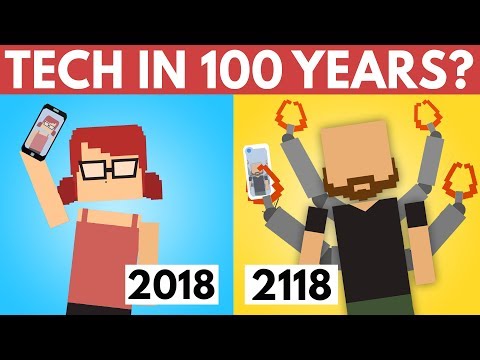
Evangeline posted on 2021/03/18Ever wonder what life will be like in 100 years? This video dives into mind-blowing future tech like brain-linked VR and nanobots, perfect for boosting your vocabulary with cool new terms! You'll get a fun, practical look at what's coming and pick up some advanced words along the way.
Learn this video on the APP!
The VoiceTube App has more in-depth practice for videos!