
apparently
US /əˈpærəntlɪ/
UK /əˈpærəntli/
- Adverb
- According to what you heard; from what can be seen
A2TOEICMoreapplause
US /əˈplɔz/
UK /ə'plɔ:z/
- Noun (Countable/Uncountable)
- The sound made by clapping a performance or speech
B1Moreappreciation
US /əˌpriʃiˈeʃən/
UK /əˌpri:ʃiˈeɪʃn/
- Uncountable Noun
- Rise in value (of property or belongings)
- Understanding something's value or worth
- Noun
- Formal Korean expression of appreciation or gratitude
A2Morearound the world
US /əˈraʊnd ði wɜrld/
UK /əˈraund ðə wɜː(r)ld/
- Phrase
- In or to many countries.
- In various places throughout the world.
A2Moreas a result of
US
UK
- Phrase
- Because of something; owing to.
A1Morebolt
US /boʊlt/
UK /bəʊlt/
- Noun
- Line of electricity in the sky from lightning
- Piece of metal for joining two things together
- Transitive Verb
- To lock by putting a piece of metal across a door
B1TOEICMoreby chance
US /baɪ tʃæns/
UK /bai tʃɑ:ns/
- Adverb
- Accidentally; without planning.
- Phrase
- Accidentally; without planning.
B1Morecapture
US /ˈkæptʃɚ/
UK /'kæptʃə(r)/
- Transitive Verb
- To attract and hold e.g. interest, attention
- To record, tape, or film something
- Noun
- The act of seizing or taking control of something.
B1Morechallenge
US /ˈtʃæləndʒ/
UK /'tʃælɪndʒ/
- Noun (Countable/Uncountable)
- An activity you wish to try that may be hard to do
- Act of formally inviting someone to compete
- Transitive Verb
- To formally invite someone to compete at something
- To question the correctness of something
A2Morecockroach
US /ˈkɑkˌrotʃ/
UK /ˈkɔkˌrəʊtʃ/
- Countable Noun
- Insect with a hard, flat wing and long antennae
C1Morecome up with
US /kʌm ʌp wɪð/
UK /kʌm ʌp wið/
- Phrasal Verb
- To think of an idea or solution; produce
A1Morecomfort
US /ˈkʌmfət/
UK /'kʌmfət/
- Transitive Verb
- To try to make distressed person feel better
- Uncountable Noun
- Acts or words that reduce pain or sadness
- State of being relaxed, warm or happy
A2Moreconversation
US /ˌkɑnvɚˈseʃən/
UK /ˌkɒnvəˈseɪʃn/
- Uncountable Noun
- Talking with other people; discussion or chat
- General communication or interaction.
A2Morecouple
US /ˈkʌpəl/
UK /'kʌpl/
- Transitive Verb
- To join something to something else
- (Two animals) to engage in sexual relations
- Noun (Countable/Uncountable)
- Two people in a romantic relationship
- Two of something; two people; a pair
A2Moredisadvantage
US /ˌdɪsədˈvæntɪdʒ/
UK /ˌdɪsədˈvɑ:ntɪdʒ/
- Noun (Countable/Uncountable)
- A negative point; a downside; difficulty
- A factor that places someone in a less favorable position.
B1Moredisappoint
US /ˌdɪsəˈpɔɪnt/
UK /ˌdɪsə'pɔɪnt/
- Transitive Verb
- To not meet the expectations of others or yourself
B1Moredump
US /dʌmp/
UK /dʌmp/
- Transitive Verb
- To end a romantic relationship
- To put something somewhere without care
- Noun
- A place where waste or garbage is left.
- A copy of data from one part of a computer system to another.
B1Moreemotional
US /ɪˈmoʃənəl/
UK /ɪˈməʊʃənl/
- Adjective
- Causing, feeling, or appealing to the emotions
- Relating to or characterized by emotion
A2Moreethical
US /ˈɛθɪkəl/
UK /ˈeθɪkl/
- Adjective
- Morally right; following principles of goodness
B1Morefellowship
US /ˈfeloʊʃɪp/
UK /ˈfeləʊʃɪp/
- Uncountable Noun
- Friendly feeling or relationship
- Countable Noun
- Group sharing similar religious beliefs or hopes
- A financial grant of money given to a student
B1Morefigure out
US /ˈfɪɡjɚ aʊt/
UK /ˈfiɡə aut/
- Phrasal Verb
- To understand the behavior of someone
- To think through logically to find a solution
- Verb (Transitive/Intransitive)
- To understand or find an answer to something.
- To find a solution to a problem or understand something.
A1Morefill out
US /fɪl aʊt/
UK /fil aut/
- Phrasal Verb
- To become fatter
- To complete a form by adding information needed
A1Morefor example
US
UK
- Phrase
- As an illustration or instance.
foster
US /'fɔ:stər/
UK /'fɒstə(r)/
- Transitive Verb
- To raise a child who is not yours, for payment
- To raise a child who is not yours, for payment
B1TOEICMoregarbage
US /ˈgɑ:rbɪdʒ/
UK /ˈgɑ:bɪdʒ/
- Uncountable Noun
- Waste material that has been thrown out
B1TOEICMoreget out of
US /ɡɛt aʊt ʌv/
UK /ɡet aut ɔv/
- Phrasal Verb
- To leave or escape responsibilities, troubles
- To leave a small, enclosed vehicle
A1Morego out
US /ɡo aʊt/
UK /ɡəu aut/
- Phrase
- To leave a building (e.g. a house)
- Phrasal Verb
- (Of a fire) to burn out; be extinguished
- Go out of fashion to stop being fashionable
A1Moregot to
US /ɡɑt tu/
UK /gɔt tu:/
- Verb (Transitive/Intransitive)
- To arrive at some place
- To have the opportunity or permission to do something
- Phrasal Verb
- To appeal to the emotions of; move
- To finally begin to start something after a delay
A1Morehave to
US /hæv tu/
UK /ˈhæv tə/
- Auxiliary Verb
- Must do
A1Morehorrible
US /ˈhɔrəbəl, ˈhɑr-/
UK /ˈhɒrəbl/
- Adjective
- Very bad; causing annoyance, distaste or fear
A2TOEICMorein a while
US /ɪn e hwaɪl/
UK /in ə hwail/
- Phrase
- In a short period of time; soon.
- For a short period of time; soon.
A2Morein fact
US /ɪn fækt/
UK /in fækt/
- Adverb
- Used to emphasize the truth of a statement, especially one that contrasts with or contradicts something else.
- Used to introduce a more detailed or surprising piece of information.
- Phrase
- Used to emphasize the truth of a statement, especially one that is surprising or contrary to what might be expected.
C1Morein the first place
US
UK
- Phrase
- To begin with; as the first point or consideration.
- From the beginning; initially.
A1Morein the world
US /ɪn ði wɜrld/
UK /in ðə wɜː(r)ld/
- Phrase
- Used to emphasize a question expressing surprise, confusion, disbelief
- Used to indicate the extent or degree of something, often in a superlative sense
A1Moreincredibly
US /ɪnˈkrɛdəblɪ/
UK /ɪnˈkredəbli/
- Adverb
- To a great degree; very; amazingly
- Extremely; so much so it is hard to believe
A2Moreindependent
US /ˌɪndɪˈpɛndənt/
UK /ˌɪndɪˈpendənt/
- Adjective
- Making your own decisions; acting by yourself
- Not connected with or influenced by something else.
- Noun
- A person not connected to a political party
- Someone who is independent, especially in politics or business.
A2TOEICMoreintellectual
US /ˌɪntlˈɛktʃuəl/
UK /ˌɪntəˈlektʃuəl/
- Noun (Countable/Uncountable)
- connected with or using a person’s ability to think in a logical way and understand things
- a person who is well educated and enjoys activities in which they have to think seriously about things
- Adjective
- Relating to the intellect or mental understanding.
- Appealing to or requiring the use of the intellect.
B1Moreisolate
US /ˈaɪsəˌlet/
UK /ˈaɪsəleɪt/
- Transitive Verb
- To identify, consider, or deal with separately
- To keep in a place or situation apart from others
B1Morelaptop
US /ˈlæpˌtɑp/
UK /ˈlæptɒp/
- Countable Noun
- Portable computer small enough to use on your lap
A2Morelightning
US /ˈlaɪtnɪŋ/
UK /ˈlaɪtnɪŋ/
- Noun (Countable/Uncountable)
- Flashes of light in the sky caused by a storm
- A sudden electrostatic discharge that occurs during an electrical storm.
- Adjective
- Moving very fast or occurring suddenly
B1Morelike the wind
US /laɪk ðə wɪnd/
UK /laɪk ðə wɪnd/
- other
- Moving very fast, quickly like the wind blows.
B1Morelock down
US /lɑk daʊn/
UK /lɔk daun/
- Transitive Verb
- To secure a building or area to prevent entry or exit.
- Phrasal Verb
- To secure a building or area to prevent entry or exit during an emergency.
- To impose strict restrictions on travel, movement, and activity.
B1Morelook around
US /lʊk əˈraʊnd/
UK /luk əˈraund/
- Phrasal Verb
- To explore a place; search for something.
A1Morelook at
US /lʊk æt/
UK /luk æt/
- Phrasal Verb
- To use your eyes to focus on something
- To focus your eyes on something carefully
A1Moremap out
US /mæp aʊt/
UK /mæp aut/
- Phrasal Verb
- To plan or arrange something in detail.
A2Morenext to
US /nɛkst tu/
UK /nekst tu:/
- Preposition
- Being located along side another
- In comparison with
- Adverb
- Almost; nearly
A1Moreno matter
US
UK
- Conjunction
- Regardless of; it does not matter.
- Adverb
- Regardless of; it is not important
A1Morenuance
US /ˈnu:ɑ:ns/
UK /ˈnju:ɑ:ns/
- Noun
- Small, not obvious difference in meaning, etc.
B2TOEICMoreobserve
US /əbˈzɜ:rv/
UK /əbˈzɜ:v/
- Verb (Transitive/Intransitive)
- To celebrate a particular holiday/religious event
- To obey or follow laws, rules, or customs
A2TOEICMoreof course
US /ʌv kɔː(r)s/
UK /ɔv kɔː(r)s/
- Adverb
- Sure ; Certainly
- Phrase
- For sure; certainly
A2Moreonce in a while
US //wʌns ɪn ə waɪl//
UK
- Phrase
- Occasionally; not very often.
- Occasionally; not very often.
A2Moreopportunity
US /ˌɑpɚˈtunɪti, -ˈtju-/
UK /ˌɒpə'tju:nətɪ/
- Noun (Countable/Uncountable)
- Time, situation when a thing might be done; chance
- A favorable time or occasion for doing something.
A2TOEICMoreproposal
US /prəˈpozəl/
UK /prəˈpəʊzl/
- Noun
- Act of asking someone to marry you
- Offer or plan to people who can decide about it
B1TOEICMoreput together
US /pʊt təˈɡɛðɚ/
UK /put təˈɡeðə/
- Phrasal Verb
- To build or assemble something small, e.g. a toy
- To organize or arrange something.
A1Morequantum
US /ˈkwɑ:ntəm/
UK /ˈkwɒntəm/
- Noun (Countable/Uncountable)
- The smallest unit or amount of energy
B2Morerarely
US /ˈrɛrli/
UK /ˈrɛəli/
- Adverb
- Not often (seen, done, etc.); infrequently
A2TOEICMorerelationship
US /rɪˈleʃənˌʃɪp/
UK /rɪˈleɪʃnʃɪp/
- Noun (Countable/Uncountable)
- Connection between two or more people or things
- Way people interact or live with each other
A2TOEICMoreright for
US
UK
- Adjective
- Suitable or appropriate for a particular person, purpose, or situation.
- Correct or most appropriate.
A1Morestart out
US /stɑrt aʊt/
UK /stɑ:t aut/
- Phrasal Verb
- To begin your life or career in a particular way.
- To begin a journey.
A1Morestretch
US /strɛtʃ/
UK /stretʃ/
- Verb (Transitive/Intransitive)
- To make your arm, leg muscles long to ease them
- To make something bigger by pulling on it
- Noun
- Making arm, leg muscles longer to ease them
- A consecutive row of things
A2TOEICMoresushi
US /ˈsuʃi/
UK /ˈsu:ʃi/
- Noun
- Rice (with raw fish) wrapped in seaweed
B2Moretackle a problem
US
UK
- Verb (Transitive/Intransitive)
- To make determined efforts to deal with a problem or difficult task.
turn into
US /tɚn ˈɪntu/
UK /tə:n ˈɪntuː/
- Phrasal Verb
- To change to become something else
- To change your direction to go into a place
A1Morewake up
US /wek ʌp/
UK /weik ʌp/
- Phrasal Verb
- To stop sleeping
- To become fully aware and alert to a situation.
A1Morework out
US /wɚk aʊt/
UK /wə:k aut/
- Phrasal Verb
- To find a way to do something, by thinking
A1Morezone
US /zoʊn/
UK /zəʊn/
- Noun
- Area of space designated for a particular use
- Transitive Verb
- To divide an area for a particular reason
B1More
Vocabulary
- have to: Must do
- get out of: To leave or escape responsibilities, troubles
- look at: To use your eyes to focus on something
- next to: Being located along side another
- of course: Sure ; Certainly
- come up with: To think of an idea or solution; produce
- by chance: Accidentally; without planning.
- like the wind: Moving very fast, quickly like the wind blows.
- lock down: To secure a building or area to prevent entry or exit.
- start out: To begin your life or career in a particular way.
- fill out: To become fatter
- map out: To plan or arrange something in detail.
- tackle a problem: To make determined efforts to deal with a problem or difficult task.
- for example: As an illustration or instance.
- wake up: To stop sleeping
- put together: To build or assemble something small, e.g. a toy
- right for: Suitable or appropriate for a particular person, purpose, or situation.
- work out
- around the world: In or to many countries.
- in the world: Used to emphasize a question expressing surprise, confusion, disbelief
- no matter: Regardless of; it does not matter.
- in a while: In a short period of time; soon.
- once in a while: Occasionally; not very often.
- got to: To arrive at some place
- as a result of: Because of something; owing to.
- in the first place: To begin with; as the first point or consideration.
- in fact: Used to emphasize the truth of a statement, especially one that contrasts with or contradicts something else.
- turn into: To change to become something else
- figure out: To understand the behavior of someone
- look around: To explore a place; search for something.
- go out: To leave a building (e.g. a house)
- incredibly: To a great degree; very; amazingly
- apparently: According to what you heard; from what can be seen
- opportunity: Time, situation when a thing might be done; chance
- stretch: To make your arm, leg muscles long to ease them
- matter: To be of great importance; to count
- applause: The sound made by clapping a performance or speech
- conversation: Talking with other people; discussion or chat
- intellectual: connected with or using a person’s ability to think in a logical way and understand things
- emotional: Causing, feeling, or appealing to the emotions
- relationship: Connection between two or more people or things
- dump: To end a romantic relationship
- comfort: To try to make distressed person feel better
- challenge: An activity you wish to try that may be hard to do
- observe: To celebrate a particular holiday/religious event
- independent: Making your own decisions; acting by yourself
- horrible: Very bad; causing annoyance, distaste or fear
- capture: To attract and hold e.g. interest, attention
- foster: To raise a child who is not yours, for payment
- risk: To do something potentially dangerous or foolish
- couple: To join something to something else
- project: To predict what will happen in the future
- social: Involving activity with people, e.g. in free time
- ethical: Morally right; following principles of goodness
- nuance: Small, not obvious difference in meaning, etc.
- favorite: A thing that someone likes best or enjoys most
- appreciation: Rise in value (of property or belongings)
- rarely: Not often (seen, done, etc.); infrequently
- laptop: Portable computer small enough to use on your lap
- zone: Area of space designated for a particular use
- learn: To get knowledge or skills by study or experience
- catch: Amount of something that has been caught
- proposal: Act of asking someone to marry you
- chance: The way something happens without planning
- build: Your physical shape; physique
- quantum: The smallest unit or amount of energy
- change: To exchange one set of clothes for another
- great: Very good; better than before
- future: Time that is to come after the present
- isolate: To identify, consider, or deal with separately
- bolt: Line of electricity in the sky from lightning
- interesting: Taking your attention; making you want to know
- service: Work that a person does to assist others
- restaurant: Place where you can order, buy and eat a meal
- lightning: Flashes of light in the sky caused by a storm
- disadvantage: A negative point; a downside; difficulty
- disappoint: To not meet the expectations of others or yourself
- garbage: Waste material that has been thrown out
- fellowship: Friendly feeling or relationship
- cockroach: Insect with a hard, flat wing and long antennae
- sushi: Rice (with raw fish) wrapped in seaweed
Get the full experience in the app
Learn anywhere with detailed sentence and usage analysis
01:03
She took a brave step forward, leaving behind her comfort zone to chase her dreams.
Vocabulary
- brave
adj. Having courage
- comfort zone
phr. A familiar situation where one feels safe
Explanation
a brave step is a noun phrase, where brave is an adjective modifying the noun step, meaning "a courageous step".
forward is an adverb modifying step, meaning "ahead".
The whole phrase serves as the object, answering the "what" of took (verb) — she took a brave step forward.
Get the full experience in the app
Look up words anytime with pronunciation, part of speech, and usage
brave
US/brev/
UK/breɪv/
adj.Brave
v.t.To bravely face
A2 Elementary
Get the full experience in the app
Practice speaking anytime and get instant pronunciation feedback
Try this speaking exercise.
Try practicing with this sentence.
80
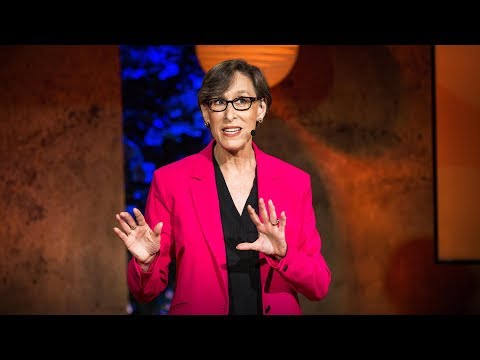
【TED】Tina Seelig: The little risks you can take to increase your luck (The little risks you can take to increase your luck | Tina Seelig)
0
林宜悉 posted on 2018/08/28Ever wonder how some people just seem luckier than others? Tina Seelig shares fascinating insights on how taking small, calculated risks can actually boost your opportunities and creativity, making you more likely to succeed! You'll pick up practical tips perfect for aspiring entrepreneurs and anyone looking to make a career pivot.
Learn this video on the APP!
The VoiceTube App has more in-depth practice for videos!