
accurate
US /ˈækjərɪt/
UK /ˈækjərət/
- Adjective
- With no mistake or error; Correct
A2Moreaffected
US /əˈfɛktɪd/
UK /əˈfektɪd/
- Adjective
- Putting on an act; not genuine
- Transitive Verb
- To cause a change in something else
- Pretended to have or feel (something).
A2Moreaim
US /em/
UK /eɪm/
- Noun (Countable/Uncountable)
- Act of pointing something at a target
- Purpose or goal
- Transitive Verb
- To point something at a target
- To intend to get a thing or for a thing to happen
A2TOEICMorealong with
US /əˈlɔŋ wɪð/
UK /əˈlɔŋ wið/
- Preposition
- In addition to; together with.
- Adverb
- In company or together with someone or something.
- Including; in addition to.
A2Moreat home
US /æt hom/
UK /æt həum/
- Phrase
- In one's own residence or country.
- Adjective
- Feeling comfortable and relaxed.
at least
US /æt list/
UK /æt li:st/
- Adverb
- As a minimum
- Not less than
- Phrase
- No less than; at the minimum
- Used to indicate that something is positive in a bad situation.
C2Moreat the most
US /ət ðə ˈmoʊst/
UK /ət ðə ˈməust/
- other
- No more than; maximum amount or degree.
A2Moreballet
US /bæˈle,ˈbælˌe/
UK /ˈbæleɪ/
- Noun
- Form of theater telling a story in music and dance
B1Moreby now
US /baɪ naʊ/
UK /bai nau/
- Phrase
- At the present time or already; before the present.
A2Morecall in
US /kɔl ɪn/
UK /kɔ:l in/
- Phrasal Verb
- To ask others for help when in need
- To make a phone call to your office; to contact
A1Morecheaply
US /ˈtʃiplɪ/
UK /ˈtʃi:pli/
- Adverb
- In an inexpensive way
A2Morecheck up on
US
UK
- Phrasal Verb
- To investigate or inspect
A1Moreclinic
US /ˈklɪnɪk/
UK /ˈklɪnɪk/
- Noun
- Local medical center; department of a hospital
B1Moreclinical
US /ˈklɪnɪkəl/
UK /ˈklɪnɪkl/
- Adjective
- Concerning the treatment or observing patients
- Using scientific techniques and precision
B1Morecollect
US /kəˈlɛkt/
UK /kəˈlekt/
- Adverb
- By asking the receiver of a call to pay for it
- Transitive Verb
- To ask for money, e.g. for a charity
- To gather things, people together in one place
A2Morecomponent
US /kəmˈponənt/
UK /kəmˈpəʊnənt/
- Noun (Countable/Uncountable)
- One of the parts that something is made up of
- A constituent part; ingredient.
- Adjective
- Being a part of something
A2Morecontinuum
US /kənˈtɪnjuəm/
UK /kənˈtɪnjuəm/
- Noun (Countable/Uncountable)
- A continuation without noticeable divisions
- A continuous sequence in which adjacent elements are not perceptibly different from each other, although the extremes are quite distinct.
B2Morecoordinate
US /ko'ɔrdəˈnet/
UK /kəʊ'ɔ:dɪneɪt/
- Transitive Verb
- To match styles or colors that go well together
- To cause body parts to move smoothly together
- Noun
- Point on a map defining a location e.g. 135N, 34W
- A matching set of clothes.
B1Morecostly
US /ˈkɔstli/
UK /'kɒstlɪ/
- Adjective
- Being very expensive, often wasteful
B1Moredancer
US /'dænsər/
UK /'dɑ:nsə(r)/
- Noun (Countable/Uncountable)
- People who move their body with rhythm to music
A2Moredatum
US /ˈdetəm, ˈdætəm, ˈdɑtəm/
UK /ˈdeɪtəm/
- Noun
- Item of factual information
B1Moredeal with
US /dil wɪð/
UK /di:l wið/
- Verb (Transitive/Intransitive)
- To buy or sell goods or services.
- Phrasal Verb
- To take action to solve a problem or manage a situation.
- To be about; concern.
A1Moredetect
US /dɪˈtɛkt/
UK /dɪˈtekt/
- Transitive Verb
- To discover or identify the presence of something
A2TOEICMoredisease
US /dɪˈziz/
UK /dɪˈzi:z/
- Noun (Countable/Uncountable)
- Illness that affects a person, animal, or plant
- A disorder of structure or function in a plant, especially one caused by a pathogen.
- Transitive Verb
- To affect with disease; to corrupt or sicken.
A2TOEICMoreenable
US /ɛˈnebəl/
UK /ɪˈneɪbl/
- Transitive Verb
- To make it possible to do something
A2Moreexpert
US /ˈɛkˌspɚt/
UK /'ekspɜ:t/
- Countable Noun
- Skillful person with special knowledge
- Adjective
- Having special knowledge or skill
A2TOEICMoreexpertise
US /ˌekspɜːrˈtiːz/
UK /ˌekspɜ:ˈti:z/
- Uncountable Noun
- The special knowledge that an expert has
- Expert skill or knowledge in a particular field.
B1TOEICMoreextraordinary
US /ɪkˈstrɔ:rdəneri/
UK /ɪkˈstrɔ:dnri/
- Adjective
- Beyond what is ordinary; very unusual; remarkable
- Additional to or different from what is usual or regular.
B1TOEICMorefeasible
US /ˈfizəbəl/
UK /ˈfi:zəbl/
- Adjective
- Possible; that you can believe will work/succeed
B2TOEICMorefold
US /fold/
UK /fəʊld/
- Transitive Verb
- To bend one part of something against another
- (Of business) to fail or close down
- Countable Noun
- Pen where sheep are kept
- Group of people who have a common belief
B1TOEICMorefor example
US
UK
- Phrase
- As an illustration or instance.
for sure
US /fɔr ʃʊr/
UK /fɔ: ʃuə/
- Adverb
- Definitely; certainly; without a doubt.
- Used to emphasize a statement.
- Interjection
- An expression of strong agreement or affirmation.
A2Moregenetic
US /dʒəˈnɛtɪk/
UK /dʒəˈnetɪk/
- Adjective
- Of, relating to, or controlled by genes
- Relating to genes or heredity.
B1Moreget out of
US /ɡɛt aʊt ʌv/
UK /ɡet aut ɔv/
- Phrasal Verb
- To leave or escape responsibilities, troubles
- To leave a small, enclosed vehicle
A1Moreget through
US /ɡɛt θru/
UK /ɡet θru:/
- Phrasal Verb
- To arrive at the end of or finish something
- To succeed in contacting someone by phone
A1Morego along with
US /ɡo əˈlɔŋ wɪð/
UK /ɡəu əˈlɔŋ wið/
- Phrasal Verb
- To agree to do something
A1Morehave to
US /hæv tu/
UK /ˈhæv tə/
- Auxiliary Verb
- Must do
A1Moreincurable
US /ɪnˈkjʊrəbl/
UK /ɪnˈkjʊərəbl/
- Adjective
- Being unable or unlikely to change
- Unable to be cured; having no cure
B1Moreinfrastructure
US /ˈɪnfrəˌstrʌktʃɚ/
UK /'ɪnfrəstrʌktʃə(r)/
- Uncountable Noun
- Basic necessary equipment for a country or region
- The underlying framework or system of an organization.
B1Moreiron
US /ˈaɪərn/
UK /ˈaɪən/
- Noun (Countable/Uncountable)
- Heavy metal device heated to smooth clothes
- Golf club with a metal head
- Transitive Verb
- To use a hot flat-based machine to smooth clothes
B1Moreirregular
US /ɪˈrɛɡjəlɚ/
UK /ɪˈregjələ(r)/
- Adjective
- Happening at unequal spaced distances or times
- Being unusual, unexpected, or not normal
A2Morelevel
US /ˈlɛvəl/
UK /'levl/
- Noun (Countable/Uncountable)
- Specific height of something
- Amount of ability you have compared to others
- Transitive Verb
- To aim a gun at someone
- To destroy a building; flatten an area completely
A2TOEICMorelogistical
US
UK
- Adjective
- Concerning planning and organizing a large project
- Relating to or involving organization, planning, and implementation of a complex operation.
B2Moremassively
US /'mæsɪvlɪ/
UK /'mæsɪvlɪ/
- Adverb
- To a very large degree or in a large manner
B1Moremath
US /mæθ/
UK /mæθ/
- Uncountable Noun
- Study or science of numbers and shapes
A2Moremobile
US /ˈmoʊbl/
UK /'məʊbaɪl/
- Adjective
- Able to be moved or able to move
- Able to move easily from one job, place, or social class to another.
- Countable Noun
- Personal phone you take with you wherever you go
- A decorative structure that is suspended so as to turn freely in the air.
B1Moremonitoring
US /'mɒnɪtərɪŋ/
UK /'mɒnɪtərɪŋ/
- Transitive Verb
- To observe and keep a record of something
- Uncountable Noun
- The act of observing and checking something over a period of time.
B1Moreneurological
US /ˌnjʊrəˈlɑdʒɪkəl/
UK /ˌnjʊərəˈlɒdʒɪkl/
- Adjective
- Concerning, used in or practicing neurology
B2Moreneurologist
US /nʊˈrɑ:lədʒɪst/
UK /njʊəˈrɒlədʒɪst/
- Noun
- Doctor specializing in the nervous system
B2Moreobjective
US /əbˈdʒɛktɪv/
UK /əbˈdʒektɪv/
- Adjective
- Being real, rather than simply being an idea
- Not influenced by personal feelings or opinions; impartial.
- Noun
- Something you decide you want to do; goal
A2TOEICMoreobjectively
US /əbˈdʒɛktɪvlɪ/
UK /əb'dʒektɪvlɪ/
- Adverb
- In an open-minded way; without prejudice
- In a way that is based on facts and not influenced by personal beliefs or feelings; realistically.
B1Moreoutside of
US /aʊtˈsaɪd ʌv/
UK /ˌautˈsaid ɔv/
- Preposition
- Located or situated beyond the boundaries or confines of something.
- Beyond the scope, range, or limits of something.
A1Morepeculiar
US /pɪˈkjuljɚ/
UK /pɪ'kju:lɪə(r)/
- Adjective
- Not usual or normal; strange
B1TOEICMorepercent
US /pɚˈsɛnt/
UK /pə'sent/
- Adverb
- One one-hundredth of a whole; the symbol %
- Noun (Countable/Uncountable)
- A proportion multiplied by 100
- A specified amount in every hundred
A2TOEICMoreplug in
US /plʌɡ ɪn/
UK /plʌɡ in/
- Phrase
B1Moreprogress
US /ˈprɑɡˌrɛs, -rəs, ˈproˌɡrɛs/
UK /'prəʊɡres/
- Verb (Transitive/Intransitive)
- To move forward or toward a place or goal
- To make progress; develop or improve.
- Uncountable Noun
- Act of moving forward
- The process of improving or developing something over a period of time.
A2TOEICMoreprogression
US /prəˈɡrɛʃən/
UK /prəˈgreʃn/
- Uncountable Noun
- Process of developing over time
A2Morequantify
US /ˈkwɑ:ntɪfaɪ/
UK /ˈkwɒntɪfaɪ/
- Transitive Verb
- To find or calculate the quantity of something
B2Morerecruitment
US /rɪˈkrutmənt/
UK /rɪ'kru:tmənt/
- Uncountable Noun
- Act of enlisting people into the army
- The action of enlisting or hiring new people.
B2TOEICMoresample
US /ˈsæmpl/
UK /ˈsɑ:mpl/
- Transitive Verb
- To try (e.g. food, drink), to see if you like it
- Noun
- A small quantity of something used as a taster
A2TOEICMorescalable
US /'skeɪləbəl/
UK /'skeɪləbl/
- Adjective
- Computers that can be increased or magnified
- Capable of being re-sized
B2Morescreening
US /ˈskrinɪŋ/
UK /ˈskri:nɪŋ/
- Transitive Verb
- To hide or block something from being seen
- To examine to find something, e.g. best candidate
A2Moresearch for
US /sɚtʃ fɔr/
UK /sə:tʃ fɔ:/
- Phrasal Verb
- To try to find someone or something.
B1Moresee in
US /si ɪn/
UK /si: in/
- Phrasal Verb
- To accompany someone to the entrance of a building or room.
A1Morespeech
US /spitʃ/
UK /spi:tʃ/
- Uncountable Noun
- A formal talk to an audience
- Expression of ideas or opinions by talking
A2TOEICMorestack
US /stæk/
UK /stæk/
- Noun (Countable/Uncountable)
- A large number or amount of something
- Large tube through which smoke exits a building
- Transitive Verb
- To arrange cards in a certain order, to cheat
- To put one thing on top of another, e.g. boxes
B1TOEICMorestack up
US /stæk ʌp/
UK /stæk ʌp/
- Phrasal Verb
- To compare with something else; measure up.
- To accumulate or increase in quantity.
A1Moresubtle
US /ˈsʌtl/
UK /'sʌtl/
- Adjective
- Delicate or slight so it is difficult to perceive
- Clever or indirect but hides the true purpose
B1Moresuch as
US /sʌtʃ æz/
UK /sʌtʃ æz/
- Preposition
- For example; like
A1Moretelephone
US /ˈtelɪfoʊn/
UK /ˈtelɪfəʊn/
- Noun
- Machine used to talk to someone who is far away
- Transitive Verb
- To talk to someone using a phone
A2Morethink of
US /θɪŋk ʌv/
UK /θiŋk ɔv/
- Phrasal Verb
- To look on as (being something specific); consider
- To consider or remember something.
- Verb (Transitive/Intransitive)
- To imagine or call something to mind
A1Moretreatment
US /ˈtritmənt/
UK /ˈtri:tmənt/
- Noun (Countable/Uncountable)
- Medicine or method to make someone healthier
- Way someone acts toward another
A2TOEICMoreunconventional
US /ˌʌnkənˈvɛnʃənəl/
UK /ˌʌnkənˈvenʃənl/
- Adjective
- Not acting according to normal accepted rules
C2TOEICMoreup against
US /ʌp əˈɡenst/
UK /ʌp əˈɡenst/
- Phrase
- Facing or contending with something difficult or challenging.
- In close proximity or contact with something.
vibrate
US /ˈvaɪˌbret/
UK /vaɪˈbreɪt/
- Intransitive Verb
- To shake side to side quickly in small movements
B2Morevocal
US /ˈvoʊkl/
UK /ˈvəʊkl/
- Adjective
- Expressing an opinion publicly in a loud way
- Concerning the voice
B1Moreweakness
US /ˈwiknɪs/
UK /ˈwi:knəs/
- Noun (Countable/Uncountable)
- Fault or bad quality preventing success
- State, condition of not being powerful or strong
A2TOEICMoreworldwide
US /ˈwɚldˈwaɪd/
UK /ˈwɜ:ldwaɪd/
- Adjective
- Spanning or extending throughout the entire world
- Adverb
- Extending or reaching throughout the whole world.
B1More
Vocabulary
- have to: Must do
- call in: To ask others for help when in need
- such as: For example; like
- along with: In addition to; together with.
- go along with: To agree to do something
- for sure: Definitely; certainly; without a doubt.
- outside of: Located or situated beyond the boundaries or confines of something.
- at home: In one's own residence or country.
- at least: As a minimum
- see in: To accompany someone to the entrance of a building or room.
- think of: To look on as (being something specific); consider
- for example: As an illustration or instance.
- by now: At the present time or already; before the present.
- stack up: To compare with something else; measure up.
- up against: Facing or contending with something difficult or challenging.
- at the most: No more than; maximum amount or degree.
- deal with
- search for: To try to find someone or something.
- get out of: To leave or escape responsibilities, troubles
- get through: To arrive at the end of or finish something
- plug in
- check up on: To investigate or inspect
- test: To be given a medical examination
- people: Persons sharing culture, country, background, etc.
- mobile: Able to be moved or able to move
- late: At a time after the expected time
- cheaply: In an inexpensive way
- friend: Person who you like and enjoy being with
- telephone: Machine used to talk to someone who is far away
- level: Specific height of something
- healthy: In good condition physically, or financially; well
- cost: A loss or damage occurring when meeting a goal
- call: A order or request for action
- math: Study or science of numbers and shapes
- record: Highest or most extreme level achieved
- high: Excited or relaxed from taking drugs
- large: Big; of great size; broad, tall, wide, or fat
- quieter: Making less sound
- costly: Being very expensive, often wasteful
- screening: To hide or block something from being seen
- dancer: People who move their body with rhythm to music
- staff: Employees of a company
- digital: Using electronic signals or computers
- collect: By asking the receiver of a call to pay for it
- disease: Illness that affects a person, animal, or plant
- ballet: Form of theater telling a story in music and dance
- clinic: Local medical center; department of a hospital
- voice: Ability to sing well
- extraordinary: Beyond what is ordinary; very unusual; remarkable
- fold: To bend one part of something against another
- percent: One one-hundredth of a whole; the symbol %
- expert: Skillful person with special knowledge
- accurate: With no mistake or error; Correct
- applied: To spread a substance or liquid over a surface
- progress: To move forward or toward a place or goal
- speech: A formal talk to an audience
- aim: Act of pointing something at a target
- iron: Heavy metal device heated to smooth clothes
- irregular: Happening at unequal spaced distances or times
- objective: Being real, rather than simply being an idea
- weakness: Fault or bad quality preventing success
- datum: Item of factual information
- worldwide: Spanning or extending throughout the entire world
- measure: Plan to achieve a desired result
- objectively: In an open-minded way; without prejudice
- monitoring: To observe and keep a record of something
- scalable: Computers that can be increased or magnified
- massively: To a very large degree or in a large manner
- enable: To make it possible to do something
- sample: To try (e.g. food, drink), to see if you like it
- peculiar: Not usual or normal; strange
- treatment: Medicine or method to make someone healthier
- genetic: Of, relating to, or controlled by genes
- affected: Putting on an act; not genuine
- clinical: Concerning the treatment or observing patients
- recruitment: Act of enlisting people into the army
- feasible: Possible; that you can believe will work/succeed
- unconventional: Not acting according to normal accepted rules
- progression: Process of developing over time
- infrastructure: Basic necessary equipment for a country or region
- component: One of the parts that something is made up of
- detect: To discover or identify the presence of something
- incurable: Being unable or unlikely to change
- subtle: Delicate or slight so it is difficult to perceive
- vocal: Expressing an opinion publicly in a loud way
- neurologist: Doctor specializing in the nervous system
- logistical: Concerning planning and organizing a large project
- quantify: To find or calculate the quantity of something
- vibrate: To shake side to side quickly in small movements
- coordinate: To match styles or colors that go well together
- checkup: A thorough physical examination
- neurological: Concerning, used in or practicing neurology
- continuum: A continuation without noticeable divisions
- expertise: The special knowledge that an expert has
- stack: A large number or amount of something
Get the full experience in the app
Learn anywhere with detailed sentence and usage analysis
01:03
She took a brave step forward, leaving behind her comfort zone to chase her dreams.
Vocabulary
- brave
adj. Having courage
- comfort zone
phr. A familiar situation where one feels safe
Explanation
a brave step is a noun phrase, where brave is an adjective modifying the noun step, meaning "a courageous step".
forward is an adverb modifying step, meaning "ahead".
The whole phrase serves as the object, answering the "what" of took (verb) — she took a brave step forward.
Get the full experience in the app
Look up words anytime with pronunciation, part of speech, and usage
brave
US/brev/
UK/breɪv/
adj.Brave
v.t.To bravely face
A2 Elementary
Get the full experience in the app
Practice speaking anytime and get instant pronunciation feedback
Try this speaking exercise.
Try practicing with this sentence.
80
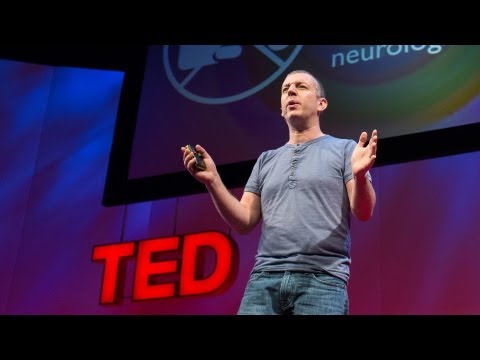
【TED】Max Little: A test for Parkinson's with a phone call !
0
VoiceTube posted on 2013/03/11Did you know a phone call could help detect Parkinson's disease? This fascinating TED talk explores how voice biomarkers are being used for at-home testing, and you'll pick up some amazing advanced vocabulary related to medical research and technology along the way!
Learn this video on the APP!
The VoiceTube App has more in-depth practice for videos!