
accent
US /ˈækˌsɛnt/
UK /'æksent/
- Transitive Verb
- To give emphasis to (a point you are making)
- Noun
- Feature of a design, e.g. a stripe on a shirt
- Correct spoken emphasis on a part of a word
A2Moreaddict
US /əˈdɪkt/
UK /ˈædɪkt/
- Noun
- Person who can’t control their overuse of a thing
B1Moreafter all
US /ˈæftɚ ɔl/
UK /ˈɑ:ftə ɔ:l/
- Adverb
- In spite of what was expected; used to introduce a statement that supports a previous statement or explains why it was made
- Considering everything; used to indicate that something is happening or is true despite some difficulty or obstacle
- Phrase
- Despite what was expected or thought; in spite of everything.
- Taking everything into consideration; considering that.
B1Moreas for
US /æz fɔr/
UK /æz fɔ:/
- Preposition
- Concerning; regarding.
- Phrase
- Used to introduce a new topic or aspect of a subject.
A1Moreat times
US /æt taɪmz/
UK /æt taɪmz/
- Phrase
- Sometimes; occasionally.
A1Moreaverage
US /ˈævərɪdʒ, ˈævrɪdʒ/
UK /'ævərɪdʒ/
- Noun (Countable/Uncountable)
- Total of numbers divided by the number of items
- Transitive Verb
- To add numbers then divide by the number of items
A2TOEICMorebasement
US /ˈbesmənt/
UK /ˈbeɪsmənt/
- Noun
- Floor or room in a building beneath the ground
B1Morebear
US /bɛr/
UK /bɛː/
- Transitive Verb
- To accept (responsibilities or duties)
- To give birth to a child; to produce fruit
- Countable Noun
- Large brown animal with fur that lives in forests
- Someone who expects stock market to fall
A2Morebeard
US /bɪrd/
UK /bɪəd/
- Noun
- Hair that grows on a man's face
A2Morebite
US /baɪt/
UK /baɪt/
- Noun (Countable/Uncountable)
- Amount of food taken into your mouth at one time
- Wound left from being bitten
- Intransitive Verb
- (E.g. of fish) to take bait and be caught
A2Morebother
US /ˈbɑðɚ/
UK /'bɒðə(r)/
- Transitive Verb
- To cause problems, concerns or worry for someone
- To take the trouble to do something
- Noun (Countable/Uncountable)
- Problems, concern or worry for someone
- A disturbance; trouble
A2TOEICMorebring together
US /brɪŋ təˈɡɛðɚ/
UK /briŋ təˈɡeðə/
- Phrasal Verb
- To cause people to be friendly or to work well with each other.
- To combine or unite different things, ideas, or elements.
A1Morebury
US /ˈbɛri/
UK /'berɪ/
- Transitive Verb
- To put something into the ground and cover it
B1Moreby now
US /baɪ naʊ/
UK /bai nau/
- Phrase
- At the present time or already; before the present.
A2Morecome back
US /kʌm bæk/
UK /kʌm bæk/
- Phrasal Verb
- To reply to someone, often forcefully
- To be remembered
A1Morecommonality
US /ˌkɑməˈnælɪti/
UK /'kɒmənəltɪ/
- Uncountable Noun
- Sharing of common features
C1Moreconfess
US /kənˈfɛs/
UK /kən'fes/
- Verb (Transitive/Intransitive)
- To admit that you did something wrong
B1Morecultivate
US /ˈkʌltəˌvet/
UK /'kʌltɪveɪt/
- Transitive Verb
- To grow plants, crops etc.
- To cause to grow by education; to enlighten
B1Moredecide
US /dɪˈsaɪd/
UK /dɪ'saɪd/
- Verb (Transitive/Intransitive)
- To make a choice or choose after thinking about it
- To make a legal judgment in court
A2TOEICMorediversity
US /dɪˈvə:sɪti, daɪ-/
UK /daɪ'vɜ:sətɪ/
- Noun (Countable/Uncountable)
- Having a range of different races, ideas etc.
- A range of different things.
B1TOEICMoredrop out
US /drɑp aʊt/
UK /drɔp aut/
- Phrasal Verb
- To take no part in a society you disapprove of
- To quit school, a club or activity
- Intransitive Verb
- To quit a course of study or training.
A1Moreembrace
US /ɛmˈbres/
UK /ɪm'breɪs/
- Noun (Countable/Uncountable)
- Act of holding someone closely
- An act of accepting or supporting something willingly and enthusiastically.
- Transitive Verb
- To hold closely; cuddle, kiss or hug
- To accept something enthusiastically.
B1TOEICMoreentrepreneur
US /ˌɑntrəprəˈnɚ, -ˈnʊr/
UK /ˌɒntrəprə'nɜ:(r)/
- Noun (Countable/Uncountable)
- Businessperson who develops new businesses
- A person who identifies a need and starts a business to fill it.
B2Moreentrepreneurial
US /ˌɒntrəprə'nɜ:rɪrl/
UK /ˌɒntrəprə'nɜ:rɪəl/
- Adjective
- Open to new ideas about starting new businesses
- Characterized by initiative and willingness to take risks.
B2Morefit in
US /fɪt ɪn/
UK /fit in/
- Phrasal Verb
- To mix with others so you get on well with them
A2Morefluent
US /'fluːənt/
UK /ˈflu:ənt/
- Adjective
- Doing something well and with ease
- Able to speak or write a language fully and easily
B1TOEICMorefor example
US
UK
- Phrase
- As an illustration or instance.
for myself
US /fɚ maɪˈsɛlf/
UK /fə maɪˈself/
- other
- Done for one's own benefit or use.
A1Moregain
US /ɡen/
UK /ɡeɪn/
- Verb (Transitive/Intransitive)
- To increase in something, such as weight
- To get something wanted, needed or valued
- Noun (Countable/Uncountable)
- An increase in something, such as weight
A2TOEICMoregive up
US /ɡɪv ʌp/
UK /ɡiv ʌp/
- Phrasal Verb
- To lose hope or admit defeat
- To decide to not start to try solving a problem
- Verb Phrase
- to surrender an item; hand over an item
A1Moregrandmother
US /ˈɡrændˌmʌðɚ, ˈɡræn-/
UK /ˈgrænmʌðə(r)/
- Noun
- Your mother or father's mother
B2Morehairstyle
US /ˈhɛrˌstaɪl/
UK /ˈheəstaɪl/
- Noun
- Arrangement of the hair
B2Morehave to
US /hæv tu/
UK /ˈhæv tə/
- Auxiliary Verb
- Must do
A1Morehome in
US /ˈhoʊm ɪn/
UK /ˈhəum ɪn/
- other
- Move or direct toward a specific target or goal.
B2Moreidentity
US /aɪˈdɛntɪti/
UK /aɪ'dentətɪ/
- Noun (Countable/Uncountable)
- Collection of qualities that makes a person
- Who someone is; the name of a person
B1Morein fact
US /ɪn fækt/
UK /in fækt/
- Adverb
- Used to emphasize the truth of a statement, especially one that contrasts with or contradicts something else.
- Used to introduce a more detailed or surprising piece of information.
- Phrase
- Used to emphasize the truth of a statement, especially one that is surprising or contrary to what might be expected.
C1Morein mind
US /ɪn maɪnd/
UK /in maind/
- Phrase
- Being aware of or considering something.
- To remember or consider something.
A2Morein the world
US /ɪn ði wɜrld/
UK /in ðə wɜː(r)ld/
- Phrase
- Used to emphasize a question expressing surprise, confusion, disbelief
- Used to indicate the extent or degree of something, often in a superlative sense
A1Moreinstead of
US /ɪnˈstɛd ʌv/
UK /inˈsted ɔv/
- Preposition
- When one thing is replaced by another
- Adverb
- As a substitute or alternative.
A1Moreirrelevant
US /ɪˈrɛləvənt/
UK /ɪˈreləvənt/
- Adjective
- Not important; not related to the topic
A2TOEICMorekimchi
US /kɪmtʃhi:/
UK /kɪmtʃi:/
- Noun (Countable/Uncountable)
- Korean spicy cabbage dish
C2Morelifelong
US /ˈlaɪflɔ:ŋ/
UK /ˈlaɪflɒŋ/
- Adjective
- Continuing through life; lasting a long time
- Uncountable Noun
- The process of continuing to learn throughout one's life.
B2Moreliterature
US /ˈlɪtərəˌtʃʊr, -tʃɚ/
UK /ˈlɪtrətʃə(r)/
- Uncountable Noun
- Writing valued as art, e.g. fiction, drama, poetry
- The body of written works produced in a particular language, country, or age.
A2Moremega
US /'meɡə/
UK /ˈmegə/
- Noun
- Big; great; large; impressive
B2Moremultiplicity
US /ˌmʌltəˈplɪsɪti/
UK /ˌmʌltɪ'plɪsətɪ/
- Uncountable Noun
- Existence in many forms
C2Morenarrative
US /ˈnærətɪv/
UK /ˈnærətɪv/
- Noun (Countable/Uncountable)
- The telling of a story
- A spoken or written account of connected events; a story.
- Adjective
- Presented in the form of a story
B1Morenerd
US /nɚd/
UK /nɜ:d/
- Noun (Countable/Uncountable)
- Intelligent but single-minded expert in a field
- A person who is extremely enthusiastic about and knowledgeable about a particular subject, especially one of technical or scientific nature.
C2Morenext to
US /nɛkst tu/
UK /nekst tu:/
- Preposition
- Being located along side another
- In comparison with
- Adverb
- Almost; nearly
A1Moreobscure
US /əbˈskjʊr/
UK /əbˈskjʊə(r)/
- Transitive Verb
- To hide something to make it difficult to be seen
- Make unclear, vague, or difficult to understand.
- Adjective
- Being confusing and difficult to understand
- Not famous; unknown by most people
B2Moreobsolete
US /ˌɑ:bsəˈli:t/
UK /ˈɒbsəli:t/
- Adjective
- Not used anymore because something newer exists
- No longer useful because it has been replaced by something newer and better.
B1TOEICMoreoccur
US /əˈkɚ/
UK /əˈkɜ:(r)/
- Intransitive Verb
- To come to pass or to happen
- To be found to exist; to be present.
A2TOEICMoreodd
US /ɑd/
UK /ɒd/
- Adjective
- Being unmatched with someone or something
- Being a number not able to be divided by two
A2Moreout there
US /aʊt ðɛr/
UK /aut ðɛə/
- Adverb
- In or to a place that is far away
- Existing in the universe
- Adjective
- Unconventional; strange; avant-garde
- Existing or available.
A1Moreoverlap
US /ˌoʊvərˈlæp/
UK /ˌəʊvəˈlæp/
- Verb (Transitive/Intransitive)
- To lie over or cover a part of something else
- To happen at the same time as another event
- Noun (Countable/Uncountable)
- Amount shared in the same space, form, idea
B1TOEICMorepeanut
US /ˈpiˌnʌt/
UK /ˈpi:nʌt/
- Countable Noun
- Edible small nut which grows under the ground
- A very small amount of money.
B2Morepivotal
US /ˈpɪvətl/
UK /ˈpɪvətl/
- Adjective
- Having a lot of importance
B2TOEICMoreponder
US /ˈpɑ:ndə(r)/
UK /ˈpɒndə(r)/
- Verb (Transitive/Intransitive)
- To think about something with great care
B2TOEICMoreprior
US /ˈpraɪɚ/
UK /'praɪə(r)/
- Adjective
- Existing or coming earlier in time
- (Of a claim, etc.) more important than another one
- Noun
- Monk or priest in charge of a monastery
B1TOEICMorequest
US /kwɛst/
UK /kwest/
- Noun (Countable/Uncountable)
- Long and challenging journey to find something
- Transitive Verb
- To ask (someone) questions.
- To search or seek for something.
B2Moreresistance
US /rɪˈzɪstəns/
UK /rɪ'zɪstəns/
- Noun (Countable/Uncountable)
- Force that stops or slows movement of something
- Refusal to accept something new or different
A2TOEICMoreskewed
US
UK
- Adjective
- Not accurate or correct; biased
- Transitive Verb
- To affect data making them incorrect or inaccurate
- To affect ideas/thoughts making them incorrect
C2Morestand out
US /stænd aʊt/
UK /stænd aut/
- Phrasal Verb
- To be noticeably better than other similar ones
A1Morestare
US /stɛr/
UK /steə(r)/
- Verb (Transitive/Intransitive)
- To look at someone or something for a long time
- Noun
- A long look at something or someone for a reason
A2Moresurgery
US /ˈsɚdʒəri/
UK /'sɜ:dʒərɪ/
- Noun (Countable/Uncountable)
- Medical operation involving cutting into body
- A doctor's office; health clinic
B1Moreswitch
US /swɪtʃ/
UK /swɪtʃ/
- Noun
- A change or shift from one method to another
- Thing you move to turn electrical items on or off
- Transitive Verb
- To exchange or replace something for another thing
A2TOEICMoretoddler
US /ˈtɑdlɚ/
UK /ˈtɒdlə(r)/
- Countable Noun
- Young child learning to walk
C2Moretremendous
US /trɪˈmɛndəs/
UK /trəˈmendəs/
- Adjective
- Very good or very impressive
- Extremely large or great.
B1TOEICMoreused to
US /juzd tu/
UK /ˈju:st tə/
- Adjective
- Did regularly before, but don't do now
- Auxiliary Verb
- Have done before, but do not do now
A1Morewithout knowing
US
UK
- Phrase
- Unaware; without being conscious of something.
- Unintentionally; without meaning to do something.
work on
US /wɚk ɑn/
UK /wə:k ɔn/
- Phrasal Verb
- To devote effort to improve or develop something
- To try to persuade or influence someone.
A1More
Vocabulary
- at times: Sometimes; occasionally.
- have to: Must do
- come back: To reply to someone, often forcefully
- home in: Move or direct toward a specific target or goal.
- without knowing: Unaware; without being conscious of something.
- after all: In spite of what was expected; used to introduce a statement that supports a previous statement or explains why it was made
- by now: At the present time or already; before the present.
- give up: To lose hope or admit defeat
- in the world: Used to emphasize a question expressing surprise, confusion, disbelief
- out there: In or to a place that is far away
- stand out
- in mind: Being aware of or considering something.
- for example: As an illustration or instance.
- for myself: Done for one's own benefit or use.
- drop out: To take no part in a society you disapprove of
- in fact: Used to emphasize the truth of a statement, especially one that contrasts with or contradicts something else.
- work on: To devote effort to improve or develop something
- fit in: To mix with others so you get on well with them
- instead of: When one thing is replaced by another
- used to: Did regularly before, but don't do now
- bring together: To cause people to be friendly or to work well with each other.
- as for: Concerning; regarding.
- next to: Being located along side another
- accent: To give emphasis to (a point you are making)
- entrepreneur: Businessperson who develops new businesses
- tremendous: Very good or very impressive
- embrace: Act of holding someone closely
- matter: To be of great importance; to count
- average: Total of numbers divided by the number of items
- cultivate: To grow plants, crops etc.
- anxious: Afraid of what may happen; worried and nervous
- fluent: Doing something well and with ease
- stare: To look at someone or something for a long time
- narrative: The telling of a story
- odd: Being unmatched with someone or something
- occur: To come to pass or to happen
- diversity: Having a range of different races, ideas etc.
- irrelevant: Not important; not related to the topic
- obscure: To hide something to make it difficult to be seen
- obsolete: Not used anymore because something newer exists
- nerd: Intelligent but single-minded expert in a field
- identity: Collection of qualities that makes a person
- create: To make, cause, or bring into existence
- switch: A change or shift from one method to another
- surgery: Medical operation involving cutting into body
- resistance: Force that stops or slows movement of something
- prior: Existing or coming earlier in time
- rest: Time when one relaxes, sleeps, or is inactive
- quest: Long and challenging journey to find something
- gain: To increase in something, such as weight
- bury: To put something into the ground and cover it
- literature: Writing valued as art, e.g. fiction, drama, poetry
- toddler: Young child learning to walk
- pivotal: Having a lot of importance
- bother: To cause problems, concerns or worry for someone
- bear: To accept (responsibilities or duties)
- addict: Person who can’t control their overuse of a thing
- overlap: To lie over or cover a part of something else
- decide: To make a choice or choose after thinking about it
- lot: What happens to a person in life from chance; fate
- beard: Hair that grows on a man's face
- confess: To admit that you did something wrong
- basement: Floor or room in a building beneath the ground
- skewed: Not accurate or correct; biased
- bite: Amount of food taken into your mouth at one time
- wear: To have clothes, glasses, shoes etc. on your body
- find: To become aware of something that is happening
- entrepreneurial: Open to new ideas about starting new businesses
- hard: Difficult to do; difficult to understand
- income: Earned money from work, investments or business
- finally: used especially at the beginning of a sentence to introduce the last point or idea
- university: High-level educational institution; college
- world: All the humans, events, activities on the earth
- peanut: Edible small nut which grows under the ground
- feel: To be aware of or experience an emotion, sensation
- lifelong: Continuing through life; lasting a long time
- ponder: To think about something with great care
- people: Persons sharing culture, country, background, etc.
- long: Person's name
- mega: Big; great; large; impressive
- commonality: Sharing of common features
- kimchi: Korean spicy cabbage dish
- grandmother: Your mother or father's mother
- multiplicity: Existence in many forms
- hairstyle: Arrangement of the hair
Get the full experience in the app
Learn anywhere with detailed sentence and usage analysis
01:03
She took a brave step forward, leaving behind her comfort zone to chase her dreams.
Vocabulary
- brave
adj. Having courage
- comfort zone
phr. A familiar situation where one feels safe
Explanation
a brave step is a noun phrase, where brave is an adjective modifying the noun step, meaning "a courageous step".
forward is an adverb modifying step, meaning "ahead".
The whole phrase serves as the object, answering the "what" of took (verb) — she took a brave step forward.
Get the full experience in the app
Look up words anytime with pronunciation, part of speech, and usage
brave
US/brev/
UK/breɪv/
adj.Brave
v.t.To bravely face
A2 Elementary
Get the full experience in the app
Practice speaking anytime and get instant pronunciation feedback
Try this speaking exercise.
Try practicing with this sentence.
80
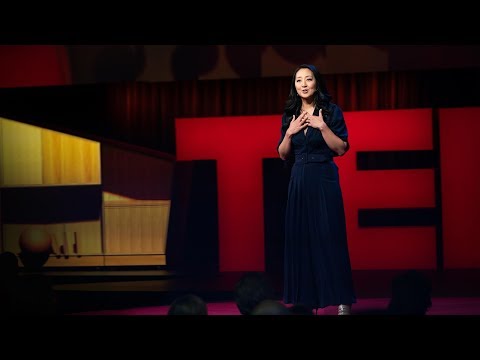
【TED】Rebeca Hwang: The power of diversity within yourself (The power of diversity within yourself | Rebeca Hwang)
0
林宜悉 posted on 2018/08/14Ever wondered how to embrace all the different parts of yourself? Rebeca Hwang shares her incredible immigration story and multilingual upbringing, showing you the power of your own multicultural identity. You'll pick up simple sentence structures and gain cultural depth through her reflective memoir!
Learn this video on the APP!
The VoiceTube App has more in-depth practice for videos!