
account of
US /əˈkaʊnt ʌv/
UK /əˈkaunt ɔv/
- Noun
- A spoken or written description of an event.
- Preposition
- Because of; for the reason of.
B1Moread
US /æd/
UK /æd/
- Noun (Countable/Uncountable)
- Public notice or advertisement
C2TOEICMoreafter all
US /ˈæftɚ ɔl/
UK /ˈɑ:ftə ɔ:l/
- Adverb
- In spite of what was expected; used to introduce a statement that supports a previous statement or explains why it was made
- Considering everything; used to indicate that something is happening or is true despite some difficulty or obstacle
- Phrase
- Despite what was expected or thought; in spite of everything.
- Taking everything into consideration; considering that.
B1Morealong with
US /əˈlɔŋ wɪð/
UK /əˈlɔŋ wið/
- Preposition
- In addition to; together with.
- Adverb
- In company or together with someone or something.
- Including; in addition to.
A2Moreancient
US /ˈenʃənt/
UK /'eɪnʃənt/
- Adjective
- Very old; having lived a very long time ago
- Relating to a period in history, especially in the distant past.
- Noun
- A person who lived in ancient times.
A2Moreantiquity
US /ænˈtɪkwɪti/
UK /æn'tɪkwətɪ/
- Noun (Countable/Uncountable)
- Very old object
- An ancient period
B2Moreapart from
US /əˈpɑrt frʌm/
UK /əˈpɑ:t frɔm/
- Preposition
- Except for; not considering
- In addition to; as well as
aqueduct
US /ˈækwɪˌdʌkt/
UK /'ækwɪdʌkt/
- Countable Noun
- Bridge that carries water over a valley
C1Moreas a whole
US /æz e hol/
UK /æz ə həul/
- Phrase
- Considering everything together; in general.
- Complete; not divided or incomplete.
- Adjective
- Complete; not divided or fragmented.
A1Moreas few as
US
UK
- Determiner
- The smallest possible number of.
- Phrase
- Used to suggest that a number or amount is surprisingly small.
A1Moreat a premium
US /æt e ˈprimiəm/
UK /æt ə ˈpri:miəm/
- Phrase
- At a high price or great value; scarce and desirable.
- Highly valued or important; an advantage.
at last
US /æt læst/
UK /æt lɑ:st/
- Adverb
- Finally; after a long delay.
B1Moreat least
US /æt list/
UK /æt li:st/
- Adverb
- As a minimum
- Not less than
- Phrase
- No less than; at the minimum
- Used to indicate that something is positive in a bad situation.
C2Moreat the same time
US
UK
- Phrase
- Simultaneously; at the identical moment.
- Nevertheless; however; used to introduce a contrasting or qualifying statement.
A1Morebc
US
UK
- Abbreviation
- Before Christ; used after dates/years
C1Morebelow ground
US /bɪˈlo ɡraʊnd/
UK /biˈləu ɡraund/
- Adverb
- Underneath the surface of the earth.
- Adjective
- Situated or occurring beneath the earth's surface; subterranean.
B1Moreblack and white
US /blæk ənd hwaɪt/
UK /blæk ænd hwait/
- Phrase
- Adjective
- Showing images only in black, grey, and white, not in colour.
A1Moreblock
US /blɑk/
UK /blɒk/
- Noun (Countable/Uncountable)
- Solid piece of material used for building
- A piece of wood, chocolate etc.
- Transitive Verb
- To stop from going forward or making progress
- To obstruct or prevent the movement or passage of.
A2Morebrigade
US /brɪˈɡeɪd/
UK /brɪ'ɡeɪd/
- Noun
- Official group who give help or rescue
B2Moreby contrast
US /baɪ ˈkɑntræst/
UK /bai ˈkɔntræst/
- Phrase
- Used to introduce an idea or situation that is very different from one you have just mentioned.
B2Morecapital
US /ˈkæpɪtl/
UK /'kæpɪtl/
- Noun
- Writing the first letter of a word in big letters
- Official main city of a country, province or state
- Adjective
- Main, or major
- (Of an offense) liable to the death penalty.
A2Morecare of
US /kɛr ʌv/
UK /kɛə ɔv/
- Preposition
- Used in an address to indicate the person who will receive the mail for someone else.
A2Morecatch up
US /kætʃ ʌp/
UK /kætʃ ʌp/
- Phrasal Verb
- To become equal with another person
- To inform others of the latest news
- Verb (Transitive/Intransitive)
- To do something that you have not been able to do recently.
- To meet someone you know in order to talk to them and find out what they have been doing.
A1Moreceiling
US /ˈsilɪŋ/
UK /ˈsi:lɪŋ/
- Noun (Countable/Uncountable)
- Top part of a room above your head
- Greatest level that is allowed; limit
- Transitive Verb
- To round a number up to the nearest integer
- To provide a room with a ceiling.
A2Morecitizen
US /ˈsɪtɪzən/
UK /'sɪtɪzn/
- Noun (Countable/Uncountable)
- Person who belongs to and has rights in a country
- A person who is a member of a community.
B1Morecohort
US /ˈkoˌhɔrt/
UK /ˈkəuhɔ:t/
- Countable Noun
- Group of students studying something together
- Friends or supporters of a person
B2TOEICMorecome from
US /kʌm frʌm/
UK /kʌm frɔm/
- Phrasal Verb
- To have as your native country or city
A1Morecurve
US /kɚv/
UK /kə:v/
- Noun (Countable/Uncountable)
- Smooth rounded line that is not straight
- A distribution of statistical data represented graphically.
- Transitive Verb
- To make something bend into a rounded shape
A2Moredensely
US /ˈdɛnslɪ/
UK /denslɪ/
- Adverb
- Thickly (filled or covered)
B1Moredig down
US /dɪɡ daʊn/
UK /diɡ daun/
- Phrasal Verb
- To excavate or dig deeper into the ground.
- To search or delve deeply to find something, often hidden or buried.
A1Moredo in
US
UK
- Phrasal Verb
- To make completely tired out and exhausted
- To destroy or cause damage to someone
A1Moredo without
US
UK
- Phrasal Verb
- To manage without having or doing something
A1Moredrain
US /dren/
UK /dreɪn/
- Noun (Countable/Uncountable)
- Hole or pipe that water, waste etc. flows into
- Something that depletes resources or energy.
- Transitive Verb
- To empty or remove liquid from
- To use up the energy/ money/power of something
B1Moredrink to
US /drɪŋk tə/
UK /drɪŋk tə/
- other
- To raise a glass to honor or celebrate someone or something.
B1Moreempire
US /ˈɛmˌpaɪr/
UK /ˈempaɪə(r)/
- Countable Noun
- Group of countries controlled by one government
- A large and important business or group of businesses owned by one person or company.
- Adjective
- A style of dress with a high waistline, just below the bust.
B1Moreenormous
US /ɪˈnɔrməs/
UK /iˈnɔ:məs/
- Adjective
- Huge; very big; very important
- Very great in size, amount, or degree.
A2Moreextraordinary
US /ɪkˈstrɔ:rdəneri/
UK /ɪkˈstrɔ:dnri/
- Adjective
- Beyond what is ordinary; very unusual; remarkable
- Additional to or different from what is usual or regular.
B1TOEICMorefantastic
US /fænˈtæstɪk/
UK /fænˈtæstɪk/
- Adjective
- Strange or unusual in design or appearance
- Very large, fast or great
A2Morefeat
US /fit/
UK /fi:t/
- Noun (Countable/Uncountable)
- Impressive act showing courage or skill
- A remarkable or skillful act or accomplishment.
- Noun
- An archaic spelling of 'feet'.
B1Morefill in
US /fɪl ɪn/
UK /fil in/
- Phrasal Verb
- To put earth in e.g. a hole
- To explain the context so that someone understands
- Verb (Transitive/Intransitive)
- To write or type information in a blank space.
- To temporarily do someone else's job.
A1Morefill up
US /fɪl ʌp/
UK /fil ʌp/
- Phrase
- Verb (Transitive/Intransitive)
- To make something full.
- To become full.
A1Moreflood
US /flʌd/
UK /flʌd/
- Verb (Transitive/Intransitive)
- To quickly appear unexpectedly and in volume
- (Of liquid) to fill or cover something completely
- Noun (Countable/Uncountable)
- A quick unexpectedly volume of something
- Large number of people or things arriving at once
B1Morefor example
US
UK
- Phrase
- As an illustration or instance.
for the world
US /fɚ ðə wɝld/
UK /fə ðə wɜ:ld/
- other
- Used to emphasize something would never happen.
B2Moreforum
US /ˈfɔrəm/
UK /'fɔ:rəm/
- Noun
- Meeting where people can openly discuss a subject
B1Morefrom now on
US /frʌm naʊ ɑn/
UK /frɔm nau ɔn/
- Phrase
- Starting at this moment and continuing indefinitely into the future.
A1Moregently
US /ˈdʒentli/
UK /ˈdʒentli/
- Adverb
- In a mild, careful, and soft manner
A2Moreget a sense
US
UK
- Verb (Transitive/Intransitive)
- To understand or perceive something intuitively.
A1Moreget through
US /ɡɛt θru/
UK /ɡet θru:/
- Phrasal Verb
- To arrive at the end of or finish something
- To succeed in contacting someone by phone
A1Morego on
US /ɡo ɑn/
UK /ɡəu ɔn/
- Phrasal Verb
- To continue doing something
- To happen (usually negative)
- Interjection
- Used to encourage someone
A1Moregoing on
US /ˈɡoɪŋ ɑn/
UK /ˈgəʊɪŋ ɔn/
- Phrasal Verb
- To continue doing something
- To happen (usually negative)
A1Moregot to
US /ɡɑt tu/
UK /gɔt tu:/
- Verb (Transitive/Intransitive)
- To arrive at some place
- To have the opportunity or permission to do something
- Phrasal Verb
- To appeal to the emotions of; move
- To finally begin to start something after a delay
A1Moreharbour
US /ˈhɑrbɚ/
UK /'hɑ:bə(r)/
- Noun (Countable/Uncountable)
- Area of water protected by land and used by ships
- Place providing comfort and shelter from danger
- Transitive Verb
- To contain, hold, include, or hide something
- To feel certain thoughts/emotions for a long time
B2Morehas over
US
UK
- Phrasal Verb
- To invite someone to your house.
- To have more than a certain number or amount.
A1Morehave to
US /hæv tu/
UK /ˈhæv tə/
- Auxiliary Verb
- Must do
A1Moreheading to
US
UK
- Phrasal Verb
- Going in a particular direction.
- Intransitive Verb
- Going in the direction of; on the way to.
- Moving towards a future state or condition.
A1Morehexagon
US /ˈheksəgɑ:n/
UK /ˈheksəgən/
- Noun
- Flat, six-sided shape
C1Moreimperial
US /ɪmˈpɪriəl/
UK /ɪmˈpɪəriəl/
- Adjective
- Of an empire or an emperor
- Of superior or unusual size or excellence.
- Noun
- A size of printing paper; a strong pointed beard.
B1Morein fact
US /ɪn fækt/
UK /in fækt/
- Adverb
- Used to emphasize the truth of a statement, especially one that contrasts with or contradicts something else.
- Used to introduce a more detailed or surprising piece of information.
- Phrase
- Used to emphasize the truth of a statement, especially one that is surprising or contrary to what might be expected.
C1Morein no time
US /ɪn noʊ taɪm/
UK /in nəʊ taim/
- Phrase
- Very quickly or soon
A1Morein order to
US /ɪn ˈɔrdɚ tu/
UK /in ˈɔ:də tu:/
- Preposition
- For the purpose of; with the aim of.
- Phrase
- In a specific sequence or arrangement.
- With the aim of; for the purpose of.
C1Morein real life
US /ɪn ˈriəl laɪf/
UK /in riəl laif/
- Phrase
- In the physical world; not online or in a fictional setting.
- Actually; genuinely; not made up or fictional.
A2Morein terms of
US
UK
- Phrase
- With regard to; concerning a particular aspect.
A1Morein the air
US
UK
- Phrase
- Present or circulating in the atmosphere.
- Felt or sensed by many people; circulating as a rumor or feeling.
- Adjective
- Being broadcast on radio or television.
A1Morein the end
US /ɪn ði ɛnd/
UK /in ðə end/
- Phrase
- Finally; after a period of time or series of events.
- Ultimately; as the final result or consequence.
A1Morein the west
US
UK
- Phrase
- Located in or towards the west.
- Located in the western part of a country or region.
A1Morein total
US /ɪn ˈtotl/
UK /in ˈtəutəl/
- Phrase
- Completely; with everything added together.
A1Morein town
US /ɪn taʊn/
UK /in taun/
- Phrase
- Present or available in the local area or city.
- Available or present in a particular place.
A1Moreinfrastructure
US /ˈɪnfrəˌstrʌktʃɚ/
UK /'ɪnfrəstrʌktʃə(r)/
- Uncountable Noun
- Basic necessary equipment for a country or region
- The underlying framework or system of an organization.
B1Moreinscription
US /ɪnˈskrɪpʃən/
UK /ɪnˈskrɪpʃn/
- Noun
- Words that are written or cut into statue, etc.
B2Morelatin
US /ˈlætn/
UK /ˈlætɪn/
- Uncountable Noun
- Ancient Roman language affecting many languages
- Adjective
- Of or typical of a Spanish-speaking culture
C2Morelevel
US /ˈlɛvəl/
UK /'levl/
- Noun (Countable/Uncountable)
- Specific height of something
- Amount of ability you have compared to others
- Transitive Verb
- To aim a gun at someone
- To destroy a building; flatten an area completely
A2TOEICMorelighthouse
US /ˈlaɪtˌhaʊs/
UK /'laɪthaʊs/
- Countable Noun
- Tower with a light that warns ships about rocks
C1Morelook around
US /lʊk əˈraʊnd/
UK /luk əˈraund/
- Phrasal Verb
- To explore a place; search for something.
A1Morelook at
US /lʊk æt/
UK /luk æt/
- Phrasal Verb
- To use your eyes to focus on something
- To focus your eyes on something carefully
A1Morelook for
US /lʊk fɔr/
UK /luk fɔ:/
- Phrasal Verb
- To try to find a thing or person that is lost
- To expect or anticipate something.
A1Moremake of
US /mek ʌv/
UK /meik ɔv/
- Phrasal Verb
- To understand or have an opinion about something
- To create or produce something from a particular material
A1Moremarble
US /ˈmɑrbəl/
UK /'mɑ:bl/
- Noun (Countable/Uncountable)
- A hard type of stone, often used in monuments
- Adjective
- Made of or resembling marble.
- Having a veined or swirled appearance like marble.
B1Moremassive
US /ˈmæsɪv/
UK /ˈmæsɪv/
- Adjective
- Very big; large; too big
- Large or imposing in scale or scope.
B1Moremess with
US
UK
- Verb (Transitive/Intransitive)
- To interfere with or tamper with something.
- To provoke or annoy someone.
- Phrasal Verb
- To interfere with or tamper with something.
- To tease, provoke, or annoy someone.
B1Moremosaic
US /moʊˈzeɪɪk/
UK /məʊˈzeɪɪk/
- Noun (Countable/Uncountable)
- A mixture of various elements
- Pattern made of pieces of colored stone or glass
B2Morenot all there
US /nɑt ɔl ðɛɚ/
UK /nɒt ɔ:l ðeə/
- other
- Mentally slow, confused, or lacking full awareness.
C1Moreof course
US /ʌv kɔː(r)s/
UK /ɔv kɔː(r)s/
- Adverb
- Sure ; Certainly
- Phrase
- For sure; certainly
A2Moreoften used to
US
UK
- Phrase
- Frequently employed or utilized for a specific purpose or action.
- Commonly applied or implemented in a particular situation or context.
A1Moreon the whole
US /ɑn ði hol/
UK /ɔn ðə həul/
- Phrase
- Considering everything; generally.
- In summary; taking everything into consideration.
A1Moreon to
US /ɑn tu/
UK /ɔn tu:/
- Preposition
- Toward something; forward
- Aware of someone's activities.
- Adjective
- Aware of someone's deception or illegal activities.
A1Moreout of it
US /aʊt ʌv ɪt/
UK /aut ɔv it/
- Adjective
- Unconscious or not completely alert; dazed or confused.
- Not able to think clearly or react quickly; not with it.
A1Moreover time
US /ˈovɚ taɪm/
UK /ˈəuvə taim/
- Phrase
- Gradually; as time passes.
- During a long period.
- Adverb
- Gradually; as time passes.
B1Moreper annum
US
UK
- Phrase
- By the year; each year
B1Morepopulation
US /ˌpɑpjəˈleʃən/
UK /ˌpɒpjuˈleɪʃn/
- Noun (Countable/Uncountable)
- Number of people who live in a country, area etc.
- A group of individuals of one species living in a particular area.
A2TOEICMorepork
US /pɔ:rk/
UK /pɔ:k/
- Uncountable Noun
- Meat of a pig, used for food
B2Morepuzzle out
US /ˈpʌzl aʊt/
UK /ˈpʌzl aʊt/
- other
- To solve or understand something difficult by thinking carefully.
B2Morerely on
US /rɪˈlaɪ ɑn/
UK /riˈlai ɔn/
- Phrasal Verb
- To depend on someone or something
A2Moreremarkable
US /rɪˈmɑrkəbəl/
UK /rɪˈmɑ:kəbl/
- Adjective
- Interesting and unexpected, worthy of notice
- Worthy of attention; striking.
A2TOEICMorerenaissance
US /ˈrenəsɑ:ns/
UK /rɪˈneɪsns/
- Noun (Countable/Uncountable)
- Period of intense activity in art and science
- Renewed interest in a particular field or subject
- Adjective
- Relating to or characteristic of the Renaissance.
B1Morerubbish
US /ˈrʌbɪʃ/
UK /ˈrʌbɪʃ/
- Transitive Verb
- To say someone's ideas/actions are no good
- Uncountable Noun
- Stupid or wrong ideas, work etc.
- Things that have been thrown out; trash
A2Morerun by
US
UK
- Phrasal Verb
- To be managed or controlled by someone or a group.
- To show or tell something to someone briefly to get their opinion or approval.
A1Moresame time
US
UK
- Phrase
- Occurring simultaneously or at the same point in time.
- At the identical time as before; recurring at a fixed hour.
- Noun
- An equal duration or period.
A1Moreset up
US /sɛt ʌp/
UK /set ʌp/
- Phrasal Verb
- To make arrangements for something; establish
- Verb (Transitive/Intransitive)
- To arrange or prepare something for use.
- To start a business, organization, etc.
A1Moreshapes and sizes
US
UK
- Phrase
- A wide variety of forms and dimensions.
B1Moreshit out
US
UK
- Phrasal Verb
- To produce something quickly and in large quantities, often of low quality.
- To expel waste from the body.
A1Morestack
US /stæk/
UK /stæk/
- Noun (Countable/Uncountable)
- A large number or amount of something
- Large tube through which smoke exits a building
- Transitive Verb
- To arrange cards in a certain order, to cheat
- To put one thing on top of another, e.g. boxes
B1TOEICMoresymbol of
US
UK
- Phrase
- Something that represents or stands for something else, especially an object representing an abstract idea.
- A visible sign of something intangible.
B2Moretalking about
US
UK
- Phrasal Verb
- To discuss a particular topic.
- To be constantly mentioning or bringing up a subject.
A1Morethink of
US /θɪŋk ʌv/
UK /θiŋk ɔv/
- Phrasal Verb
- To look on as (being something specific); consider
- To consider or remember something.
- Verb (Transitive/Intransitive)
- To imagine or call something to mind
A1Moreto do with
US
UK
- Phrasal Verb
- To be about something; concern
A1Moretogether with
US /təˈɡɛðɚ wɪð/
UK /təˈɡeðə wið/
- Preposition
- In addition to; along with.
- Including; as well as.
A1Moretrade
US /treid/
UK /treɪd/
- Noun (Countable/Uncountable)
- A specific industry, e.g. shoe making
- Action of buying and selling things in business
- Transitive Verb
- To buy, sell and exchange goods in business
- To give something in return for something else
A2TOEICMoretrade in
US /treid ɪn/
UK /treid in/
- Phrasal Verb
- To give something as part of the payment for something else.
B1Moretraffic
US /ˈtræfɪk/
UK /'træfɪk/
- Noun (Countable/Uncountable)
- The cars or vehicles on the road
- Amount of activity over a communication system
- Verb (Transitive/Intransitive)
- Deal or trade in something illegal.
- To direct and control traffic.
A2TOEICMoreup there
US /ʌp ðɛr/
UK /ʌp ðɛə/
- Adverb
- In or to a higher place or position; far away.
- In heaven.
A1Moreup till
US /ʌp tɪl/
UK /ʌp tɪl/
- other
- Until a particular time or point.
A2Moreurban
US /ˈɚbən/
UK /'ɜ:bən/
- Adjective
- Concerning a city; located in a city
- Relating to the style of dress and music popular in cities.
B1TOEICMoreused to
US /juzd tu/
UK /ˈju:st tə/
- Adjective
- Did regularly before, but don't do now
- Auxiliary Verb
- Have done before, but do not do now
A1Morevast
US /væst/
UK /vɑ:st/
- Adjective
- Being very large in size or amount
A2TOEICMorework in
US /wɚk ɪn/
UK /wə:k in/
- Phrasal Verb
- To make an opening for something in your schedule
- To fit person/thing into a schedule or sequence
A1More
Vocabulary
- look at: To use your eyes to focus on something
- at least: As a minimum
- have to: Must do
- of course: Sure ; Certainly
- in fact: Used to emphasize the truth of a statement, especially one that contrasts with or contradicts something else.
- got to: To arrive at some place
- run by: To be managed or controlled by someone or a group.
- up there: In or to a higher place or position; far away.
- come from: To have as your native country or city
- symbol of: Something that represents or stands for something else, especially an object representing an abstract idea.
- think of: To look on as (being something specific); consider
- for example: As an illustration or instance.
- in the air: Present or circulating in the atmosphere.
- in the west: Located in or towards the west.
- rely on: To depend on someone or something
- drink to: To raise a glass to honor or celebrate someone or something.
- work in: To make an opening for something in your schedule
- account of: A spoken or written description of an event.
- talking about: To discuss a particular topic.
- at the same time: Simultaneously; at the identical moment.
- same time: Occurring simultaneously or at the same point in time.
- from now on: Starting at this moment and continuing indefinitely into the future.
- do without: To manage without having or doing something
- by contrast: Used to introduce an idea or situation that is very different from one you have just mentioned.
- in town: Present or available in the local area or city.
- puzzle out: To solve or understand something difficult by thinking carefully.
- catch up: To become equal with another person
- fill in: To put earth in e.g. a hole
- up till: Until a particular time or point.
- in terms of
- to do with: To be about something; concern
- going on: To continue doing something
- black and white
- apart from: Except for; not considering
- in the end: Finally; after a period of time or series of events.
- on the whole: Considering everything; generally.
- per annum: By the year; each year
- in total: Completely; with everything added together.
- used to: Did regularly before, but don't do now
- often used to: Frequently employed or utilized for a specific purpose or action.
- not all there: Mentally slow, confused, or lacking full awareness.
- dig down: To excavate or dig deeper into the ground.
- below ground: Underneath the surface of the earth.
- look around: To explore a place; search for something.
- shapes and sizes: A wide variety of forms and dimensions.
- look for: To try to find a thing or person that is lost
- after all: In spite of what was expected; used to introduce a statement that supports a previous statement or explains why it was made
- fill up
- get through: To arrive at the end of or finish something
- heading to: Going in a particular direction.
- trade in: To give something as part of the payment for something else.
- at last: Finally; after a long delay.
- out of it: Unconscious or not completely alert; dazed or confused.
- along with: In addition to; together with.
- get a sense: To understand or perceive something intuitively.
- do in: To make completely tired out and exhausted
- go on: To continue doing something
- in order to: For the purpose of; with the aim of.
- as a whole: Considering everything together; in general.
- shit out: To produce something quickly and in large quantities, often of low quality.
- over time: Gradually; as time passes.
- at a premium: At a high price or great value; scarce and desirable.
- care of: Used in an address to indicate the person who will receive the mail for someone else.
- in real life: In the physical world; not online or in a fictional setting.
- has over: To invite someone to your house.
- set up
- on to: Toward something; forward
- mess with: To interfere with or tamper with something.
- in no time: Very quickly or soon
- make of: To understand or have an opinion about something
- together with: In addition to; along with.
- as few as: The smallest possible number of.
- for the world: Used to emphasize something would never happen.
- sort: To organize things by putting them into groups
- extraordinary: Beyond what is ordinary; very unusual; remarkable
- massive: Very big; large; too big
- enormous: Huge; very big; very important
- vast: Being very large in size or amount
- ancient: Very old; having lived a very long time ago
- infrastructure: Basic necessary equipment for a country or region
- drain: Hole or pipe that water, waste etc. flows into
- fantastic: Strange or unusual in design or appearance
- bit: Device put in a horse's mouth to control it
- capital: Writing the first letter of a word in big letters
- state: Region within a country, with its own government
- stack: A large number or amount of something
- remarkable: Interesting and unexpected, worthy of notice
- population: Number of people who live in a country, area etc.
- renaissance: Period of intense activity in art and science
- feat: Impressive act showing courage or skill
- urban: Concerning a city; located in a city
- trade: A specific industry, e.g. shoe making
- curve: Smooth rounded line that is not straight
- forum: Meeting where people can openly discuss a subject
- century: Period of 100 years
- imperial: Of an empire or an emperor
- important: Having power or authority
- ceiling: Top part of a room above your head
- block: Solid piece of material used for building
- place: To put someone in a particular type of situation
- citizen: Person who belongs to and has rights in a country
- modern: Of the present time; up to date; contemporary
- build: Your physical shape; physique
- natural: Being as one would expect; being usual or normal
- flood: To quickly appear unexpectedly and in volume
- rubbish: To say someone's ideas/actions are no good
- densely: Thickly (filled or covered)
- marble: A hard type of stone, often used in monuments
- great: Very good; better than before
- empire: Group of countries controlled by one government
- traffic: The cars or vehicles on the road
- area: Amount of measured space
- guy: Man; boy; any person
- gently: In a mild, careful, and soft manner
- world: All the humans, events, activities on the earth
- level: Specific height of something
- live: To be alive
- fresh: Clean; not used or dirty
- antiquity: Very old object
- harbour: Area of water protected by land and used by ships
- cohort: Group of students studying something together
- brigade: Official group who give help or rescue
- hexagon: Flat, six-sided shape
- mosaic: A mixture of various elements
- ad: Public notice or advertisement
- lighthouse: Tower with a light that warns ships about rocks
- latin: Ancient Roman language affecting many languages
- pork: Meat of a pig, used for food
- inscription: Words that are written or cut into statue, etc.
- aqueduct: Bridge that carries water over a valley
- bc: Before Christ; used after dates/years
Get the full experience in the app
Learn anywhere with detailed sentence and usage analysis
01:03
She took a brave step forward, leaving behind her comfort zone to chase her dreams.
Vocabulary
- brave
adj. Having courage
- comfort zone
phr. A familiar situation where one feels safe
Explanation
a brave step is a noun phrase, where brave is an adjective modifying the noun step, meaning "a courageous step".
forward is an adverb modifying step, meaning "ahead".
The whole phrase serves as the object, answering the "what" of took (verb) — she took a brave step forward.
Get the full experience in the app
Look up words anytime with pronunciation, part of speech, and usage
brave
US/brev/
UK/breɪv/
adj.Brave
v.t.To bravely face
A2 Elementary
Get the full experience in the app
Practice speaking anytime and get instant pronunciation feedback
Try this speaking exercise.
Try practicing with this sentence.
80
0
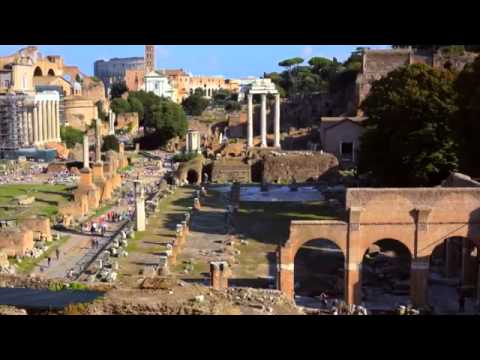
Amy.Lin posted on 2018/08/10Ever wondered how ancient Rome became the world's first megacity? This video dives deep into its incredible infrastructure, from the famous aqueducts to the Cloaca Maxima, and reveals how Emperor Augustus managed it all! You'll pick up some fantastic vocabulary related to Roman life and engineering that's perfect for B1 learners.
Learn this video on the APP!
The VoiceTube App has more in-depth practice for videos!