
acquire
US /əˈkwaɪr/
UK /ə'kwaɪə(r)/
- Transitive Verb
- To get or earn something by thinking or working
- To develop or learn a skill, habit, or quality.
A2TOEICMoreadapt
US /əˈdæpt/
UK /ə'dæpt/
- Transitive Verb
- To change something for a different function
- To change something to fit or suit a new purpose
- Intransitive Verb
- To change your behaviour so that it is easier to live in a new place or situation
B1TOEICMorearound the world
US /əˈraʊnd ði wɜrld/
UK /əˈraund ðə wɜː(r)ld/
- Phrase
- In or to many countries.
- In various places throughout the world.
A2Moreasthma
US /ˈæzmə, ˈæs-/
UK /ˈæsmə/
- Uncountable Noun
- Lung illness causing difficulty in breathing
B2Moreat the same time
US
UK
- Phrase
- Simultaneously; at the identical moment.
- Nevertheless; however; used to introduce a contrasting or qualifying statement.
A1Moreaxis
US /ˈæksɪs/
UK /ˈæksɪs/
- Noun
- A line about which a rotating body turns
B1Morebest known
US
UK
- Adjective
- Most widely or popularly recognized, famous, or familiar.
A1Moreblade
US /bled/
UK /bleɪd/
- Noun
- One of several flat pieces in a fan which move air
- Sharp edge used for cutting
B1Morebreathe
US /brið/
UK /bri:ð/
- Verb (Transitive/Intransitive)
- To move air into and out of your lungs
- To say something very softly
A2Morebroad
US /brɔd/
UK /brɔ:d/
- Adjective
- General; not detailed
- Wide; from the shorter two sides to the other
A2Morecaptive
US /ˈkæptɪv/
UK /ˈkæptɪv/
- Noun
- Person caught and held against their will
- Adjective
- Unable to leave and forced to stay and listen
B1Morecause
US /kɔz/
UK /kɔ:z/
- Noun
- Belief, goal or organization that people support
- Reason for
- Transitive Verb
- To make something happen; create effect or result
A2Morediabetes
US /ˌdaɪəˈbitɪs, -tiz/
UK /ˌdaɪəˈbi:ti:z/
- Noun (Countable/Uncountable)
- Illness where there is too much sugar in the blood
- A form of diabetes, usually diagnosed in children and young adults, in which the body does not produce insulin.
B2Morediarrhea
US /ˌdaɪəˈriə/
UK /ˌdaɪə'rɪə/
- Uncountable Noun
- Frequent and watery bowel movements
- Frequent and watery bowel movements
C1Morediet
US /ˈdaɪɪt/
UK /'daɪət/
- Intransitive Verb
- To eat special or less food, as to lose weight
- Noun (Countable/Uncountable)
- Plan of eating to reduce weight or improve health
- The usual food and drink consumed by an organism (person or animal)
A2TOEICMorediversity
US /dɪˈvə:sɪti, daɪ-/
UK /daɪ'vɜ:sətɪ/
- Noun (Countable/Uncountable)
- Having a range of different races, ideas etc.
- A range of different things.
B1TOEICMoredna
US
UK
- Noun (Countable/Uncountable)
- Chemical in living cells with genetic information
B2Moredominate
US /ˈdɑməˌnet/
UK /'dɒmɪneɪt/
- Verb (Transitive/Intransitive)
- To be taller, bigger, or more physically obvious
- To control; rule; enjoy a commanding position in
B1TOEICMoreduke in
US /du:k ɪn/
UK /dju:k in/
- other
- To begin fighting or boxing each other.
C2Morefingerprint
US /ˈfɪŋɡɚˌprɪnt/
UK /'fɪŋɡəprɪnt/
- Noun (Countable/Uncountable)
- Generic term for any identifying characteristic
B2Morefor the better
US /fɔr ði ˈbɛtɚ/
UK /fɔ: ðə ˈbetə/
- Phrase
- Resulting in improvement; to a more favorable condition.
A1Morefraction
US /ˈfrækʃən/
UK /ˈfrækʃn/
- Noun (Countable/Uncountable)
- Small part of something
- A numerical quantity that is not a whole number (e.g., 1/2, 0.5).
B1TOEICMorefrequently
US /ˈfrikwəntlɪ/
UK /ˈfri:kwəntli/
- Adverb
- Often; regularly
- Repeatedly or many times.
A2TOEICMoregenome
US /ˈdʒi:noʊm/
UK /ˈdʒi:nəʊm/
- Noun
- Complete set of genetic material in an organism
B2Moregut
US /ɡʌt/
UK /ɡʌt/
- Transitive Verb
- To destroy the inside of a building , e.g. by fire
- To remove the internal parts of an animal or fish
- Noun (Countable/Uncountable)
- Stomach and internal organs of digestion
B1Moreimmigrant
US /ˈɪmɪɡrənt/
UK /ˈɪmɪgrənt/
- Countable Noun
- Person moving to another country to live there
B1Morein fact
US /ɪn fækt/
UK /in fækt/
- Adverb
- Used to emphasize the truth of a statement, especially one that contrasts with or contradicts something else.
- Used to introduce a more detailed or surprising piece of information.
- Phrase
- Used to emphasize the truth of a statement, especially one that is surprising or contrary to what might be expected.
C1Morein the meantime
US /ɪn ði ˈminˌtaɪm/
UK /in ðə ˈmi:ntaim/
- Phrase
- During the time between two events; meanwhile.
A1Moreincreased risk
US
UK
- Noun
- A greater chance of something harmful or dangerous happening.
- A higher probability of financial loss in an investment.
B2Moreinvasive
US /ɪnˈvesɪv/
UK /ɪnˈveɪsɪv/
- Adjective
- Entering the body, etc. in a destructive way
- Tending to spread aggressively; intrusive.
C1Morelead to
US /lid tu/
UK /li:d tu:/
- Phrasal Verb
- To result in some action
- Verb (Transitive/Intransitive)
- To have something as a consequence or result.
A1Morelocal communities
US
UK
- Noun (plural)
- Groups of people living in the same area or having particular characteristics in common.
- Neighborhoods or districts where people share social connections and common interests.
B2Moremetabolism
US /mɪˈtæbəˌlɪzəm/
UK /məˈtæbəlɪzəm/
- Uncountable Noun
- Chemical processes to convert food to energy
- The rate at which the body uses energy.
B2Moremicrobe
US /ˈmaɪkroʊb/
UK /ˈmaɪkrəʊb/
- Noun (Countable/Uncountable)
- Very small, microscopic, living thing
C1Moremicrobiome
US /ˌmaɪ.kroʊ.ˈbaɪ.oʊm/
UK /ˌmaɪ.krəʊ.ˈbaɪ.əʊm/
- Noun
- the microorganisms (= living things too small to be seen) that exist in a particular environment or in the human body
- Noun (Countable/Uncountable)
- The community of microorganisms (such as bacteria, fungi, and viruses) that inhabit a particular environment, especially the human body.
- A specific ecological community of microorganisms.
C1Moreobese
US /oˈbis/
UK /əʊˈbi:s/
- Adjective
- Fat over a long period, so harming your health
- Noun (Countable/Uncountable)
- A person who is very fat; a person with an unhealthy amount of body fat.
B2Moreobesity
US /oˈbisɪti/
UK /əʊ'bi:sətɪ/
- Uncountable Noun
- State of being so fat it can harm your health
- The state of being far too heavy; corpulence.
B2Moreof course
US /ʌv kɔː(r)s/
UK /ɔv kɔː(r)s/
- Adverb
- Sure ; Certainly
- Phrase
- For sure; certainly
A2Moreon the back of
US /ɑn ðə bæk əv/
UK /ɒn ðə bæk əv/
- other
- As a result of or following something.
B2Moreon to
US /ɑn tu/
UK /ɔn tu:/
- Preposition
- Toward something; forward
- Aware of someone's activities.
- Adjective
- Aware of someone's deception or illegal activities.
A1Moreoutnumber
US /aʊtˈnʌmbɚ/
UK /ˌaʊtˈnʌmbə(r)/
- Transitive Verb
- To be larger than something in number
B2Moreplot
US /plɑt/
UK /plɒt/
- Countable Noun
- Small piece of land for a house growing crops etc.
- Series of events that form the main story
- Transitive Verb
- To mark a path, etc. on a map, using lines or dots
- To devise or develop a dramatic storyline
B1Morepremature
US /ˌpri:məˈtʃʊr/
UK /ˈpremətʃə(r)/
- Adjective
- Happening before the natural or desired time
B2TOEICMorepreserve
US /prɪˈzɜ:rv/
UK /prɪˈzɜ:v/
- Transitive Verb
- To cook food so it can be kept for long periods
- To protect something from harm, loss or damage
- Noun (Countable/Uncountable)
- Sweet fruit spread; jam
- Protected area of land with plants and animals
B1TOEICMoreprimate
US /ˈpraɪmɪt, -ˌmet/
UK /'praɪmeɪt/
- Countable Noun
- One of species containing humans and monkeys
- A chief bishop or archbishop.
B2Morerainforest
US /ˈreɪnfɔ:rɪst/
UK /ˈreɪnfɒrɪst/
- Noun
- Ancient forest growing in tropical regions
B2Morerefugee
US /ˌrɛfjʊˈdʒi/
UK /ˌrefjuˈdʒi:/
- Countable Noun
- Person forced to leave their home e.g. due to war
B2Morerelate
US /rɪˈlet/
UK /rɪ'leɪt/
- Transitive Verb
- To demonstrate a logical relationship between
- To understand or sympathize with, e.g. a problem
A2TOEICMorereplenish
US /rɪˈplɛnɪʃ/
UK /rɪ'plenɪʃ/
- Transitive Verb
- To fill up again
B2Moreresearch
US /rɪˈsɚtʃ, ˈriˌsɚtʃ/
UK /rɪ'sɜ:tʃ/
- Verb (Transitive/Intransitive)
- To study in order to discover new ideas and facts
- To study the market relating to marketing products and services.
- Noun (Countable/Uncountable)
- Study done to discover new ideas and facts
- A particular area or topic of study.
A2TOEICMorerestore
US /rɪˈstɔr, -ˈstor/
UK /rɪˈstɔ:(r)/
- Transitive Verb
- To return a thing to its original condition
B1Moresame time
US
UK
- Phrase
- Occurring simultaneously or at the same point in time.
- At the identical time as before; recurring at a fixed hour.
- Noun
- An equal duration or period.
A1Moresociety
US /səˈsaɪɪti/
UK /sə'saɪətɪ/
- Noun (Countable/Uncountable)
- A group who meet to share values or interests
- Group of people living together
A2TOEICMoresoutheast
US /saʊθˈist, saʊˈist/
UK /ˌsaʊθ'i:st/
- Noun
- Location in the southeastern part of an area
B2Morestool
US /stul/
UK /stu:l/
- Countable Noun
- Single seat without support for the arms or back
- Uncountable Noun
- Med. feces; excrement
B1Moresuffer
US / ˈsʌfɚ/
UK /'sʌfə(r)/
- Verb (Transitive/Intransitive)
- To experience pain, illness, or injury
- To allow or permit something, especially something unpleasant.
A2Moresufficient
US /səˈfɪʃənt/
UK /səˈfɪʃnt/
- Adjective
- Having or providing enough when needed
A2TOEICMoresurvival
US /sɚˈvaɪvəl/
UK /səˈvaɪvl/
- Uncountable Noun
- Act of continuing to exist when facing difficulty
A2Moretaken over
US
UK
- Phrasal Verb
- To gain control of (a company) from someone else
- To gain control of something.
A1Moretalking about
US
UK
- Phrasal Verb
- To discuss a particular topic.
- To be constantly mentioning or bringing up a subject.
A1Morethink about
US /θɪŋk əˈbaʊt/
UK /θiŋk əˈbaut/
- Phrasal Verb
- To consider something carefully.
- To remember or call to mind.
A1Moretrack
US /træk/
UK /træk/
- Transitive Verb
- To use marks to follow a wild animal
- To move a certain way/follow a particular course
- Noun
- A circular course for running
- Course or way someone takes, e.g. in education
A2TOEICMoretropical
US /ˈtrɑpɪkəl/
UK /ˈtrɒpɪkl/
- Adjective
- Hot and humid; near to the equator
- Very hot and humid
- Noun
- The tropical region of the earth
B1Morevisualize
US /ˈvɪʒuəˌlaɪz/
UK /ˈvɪʒuəlaɪz/
- Transitive Verb
- To create a picture in your mind of something
B1Morewaste
US /west/
UK /weɪst/
- Transitive Verb
- To kill or severely harm someone
- To use valuable things ineffectively
- Uncountable Noun
- Materials left over after a process has finished
A2TOEICMorewild
US /waɪld/
UK /waɪld/
- Adverb
- In a manner which lacks control
- Adjective
- Living in nature; not tame
- (Of land) not developed by people
A2More
Vocabulary
- around the world: In or to many countries.
- think about: To consider something carefully.
- best known: Most widely or popularly recognized, famous, or familiar.
- at the same time: Simultaneously; at the identical moment.
- same time: Occurring simultaneously or at the same point in time.
- talking about: To discuss a particular topic.
- taken over: To gain control of (a company) from someone else
- in the meantime: During the time between two events; meanwhile.
- on to: Toward something; forward
- of course: Sure ; Certainly
- duke in: To begin fighting or boxing each other.
- on the back of: As a result of or following something.
- local communities: Groups of people living in the same area or having particular characteristics in common.
- for the better: Resulting in improvement; to a more favorable condition.
- lead to: To result in some action
- in fact: Used to emphasize the truth of a statement, especially one that contrasts with or contradicts something else.
- increased risk: A greater chance of something harmful or dangerous happening.
- figure: To appear in a game, play or event
- metabolism: Chemical processes to convert food to energy
- diabetes: Illness where there is too much sugar in the blood
- evidence: Factual proof that helps to establish the truth
- obesity: State of being so fat it can harm your health
- acquire: To get or earn something by thinking or working
- track: To use marks to follow a wild animal
- gut: To destroy the inside of a building , e.g. by fire
- research: To study in order to discover new ideas and facts
- suffer: To experience pain, illness, or injury
- diversity: Having a range of different races, ideas etc.
- society: A group who meet to share values or interests
- premature: Happening before the natural or desired time
- plot: Small piece of land for a house growing crops etc.
- fraction: Small part of something
- diarrhea: Frequent and watery bowel movements
- cause: Belief, goal or organization that people support
- preserve: To cook food so it can be kept for long periods
- adapt: To change something for a different function
- apply: To spread a substance or liquid over a surface
- visualize: To create a picture in your mind of something
- obese: Fat over a long period, so harming your health
- risk: To do something potentially dangerous or foolish
- replenish: To fill up again
- refugee: Person forced to leave their home e.g. due to war
- diet: To eat special or less food, as to lose weight
- frequently: Often; regularly
- relate: To demonstrate a logical relationship between
- dominate: To be taller, bigger, or more physically obvious
- discuss: To talk about seriously or in great detail
- asthma: Lung illness causing difficulty in breathing
- tropical: Hot and humid; near to the equator
- totally: In a complete way; completely; absolutely
- leave: To go away from; depart
- sufficient: Having or providing enough when needed
- waste: To kill or severely harm someone
- broad: General; not detailed
- invasive: Entering the body, etc. in a destructive way
- wild: In a manner which lacks control
- immigrant: Person moving to another country to live there
- restore: To return a thing to its original condition
- survival: Act of continuing to exist when facing difficulty
- breathe: To move air into and out of your lungs
- modern: Of the present time; up to date; contemporary
- point: An item to be discussed
- protect: To defend someone or something from harm or danger
- primate: One of species containing humans and monkeys
- microbe: Very small, microscopic, living thing
- change: To exchange one set of clothes for another
- stool: Single seat without support for the arms or back
- axis: A line about which a rotating body turns
- find: To become aware of something that is happening
- blade: One of several flat pieces in a fan which move air
- future: Time that is to come after the present
- burn: To destroy with fire
- captive: Person caught and held against their will
- healthy: In good condition physically, or financially; well
- genome: Complete set of genetic material in an organism
- microbiome: the microorganisms (= living things too small to be seen) that exist in a particular environment or in the human body
- rainforest: Ancient forest growing in tropical regions
- outnumber: To be larger than something in number
- fingerprint: Generic term for any identifying characteristic
- southeast: Location in the southeastern part of an area
- dna: Chemical in living cells with genetic information
Get the full experience in the app
Learn anywhere with detailed sentence and usage analysis
01:03
She took a brave step forward, leaving behind her comfort zone to chase her dreams.
Vocabulary
- brave
adj. Having courage
- comfort zone
phr. A familiar situation where one feels safe
Explanation
a brave step is a noun phrase, where brave is an adjective modifying the noun step, meaning "a courageous step".
forward is an adverb modifying step, meaning "ahead".
The whole phrase serves as the object, answering the "what" of took (verb) — she took a brave step forward.
Get the full experience in the app
Look up words anytime with pronunciation, part of speech, and usage
brave
US/brev/
UK/breɪv/
adj.Brave
v.t.To bravely face
A2 Elementary
Get the full experience in the app
Practice speaking anytime and get instant pronunciation feedback
Try this speaking exercise.
Try practicing with this sentence.
80
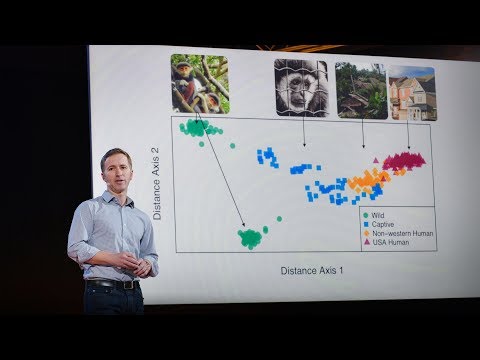
【TED】Dan Knights: How we study the microbes living in your gut (How we study the microbes living in your gut | Dan Knights)
0
林宜悉 posted on 2018/08/08Ever wondered what's really going on inside your gut? This fascinating talk dives into the amazing world of microbes, explaining how scientists study them and why this research is so important for our health. You'll pick up some advanced vocabulary related to the human microbiome and DNA sequencing, making it a great way to boost your English while learning something new!
Learn this video on the APP!
The VoiceTube App has more in-depth practice for videos!