
agony
US /ˈæɡəni/
UK /ˈægəni/
- Uncountable Noun
- Great pain or suffering
B1Moreapplause
US /əˈplɔz/
UK /ə'plɔ:z/
- Noun (Countable/Uncountable)
- The sound made by clapping a performance or speech
B1Moreas long as
US /æz lɔŋ æz/
UK /æz lɔŋ æz/
- Conjunction
- For the period that; provided that.
- For the length of time that
- Preposition
- On the condition that; providing that.
- Having the same length as.
A1Moreat risk
US
UK
- Phrase
- In danger; likely to be harmed
audacious
US /ɔˈdeʃəs/
UK /ɔ:ˈdeɪʃəs/
- Adjective
- Fearless, brave and daring
C1TOEICMorebacterial
US /bæk'tɪərɪrl/
UK /bæk'tɪərɪəl/
- Adjective
- Concerning or caused by bacteria
B2Morebased on
US
UK
- Phrasal Verb
- To use something as the foundation or starting point for something else.
- Preposition
- Using something as the main idea or foundation.
- Relying on something as evidence or justification.
A1Moreburden
US /ˈbɚdn/
UK /'bɜ:dn/
- Transitive Verb
- To weigh down with a load; impose a task upon
- Noun (Countable/Uncountable)
- Something difficult to do, manage, or accept
- Something that is carried with difficulty; an oppressive load.
B1Morecollaborate
US /kəˈlæbəˌret/
UK /kəˈlæbəreɪt/
- Verb (Transitive/Intransitive)
- To cooperate with or help an enemy
- To work together to complete a task
B1Morecolleague
US /ˈkɑlˌiɡ/
UK /'kɒli:ɡ/
- Noun (Countable/Uncountable)
- Person you work or cooperate with
- A fellow member of a profession
A2Morecome together
US /kʌm təˈɡɛðɚ/
UK /kʌm təˈɡeðə/
- Phrasal Verb
- To assemble or unite; to start working together.
- To form a close relationship or bond.
A1Morecommunity
US /kəˈmjunɪti/
UK /kə'mju:nətɪ/
- Noun (Countable/Uncountable)
- Group of people who share a common idea or area
- A feeling of fellowship with others, as a result of sharing common attitudes, interests, and goals.
- Adjective
- Relating to or shared by the people in a particular area.
- Shared or participated in by all members of a group
A2Moreconflict
US /ˈkɑnˌflɪkt/
UK /'kɒnflɪkt/
- Noun (Countable/Uncountable)
- Argument or struggle between two or more parties
- A serious disagreement or argument.
- Verb (Transitive/Intransitive)
- To have opposite ideas; to disagree; To not match
A2Morecoordinate
US /ko'ɔrdəˈnet/
UK /kəʊ'ɔ:dɪneɪt/
- Transitive Verb
- To match styles or colors that go well together
- To cause body parts to move smoothly together
- Noun
- Point on a map defining a location e.g. 135N, 34W
- A matching set of clothes.
B1Moredestroy
US /dɪˈstrɔɪ/
UK /dɪ'strɔɪ/
- Transitive Verb
- To damage so badly that something no longer exists
- To defeat someone or something easily
A2TOEICMoredevastating
US
UK
- Transitive Verb
- To cause extensive destruction or ruin utterly
- Adjective
- Destroying everything; very shocking
- Causing great emotional pain or shock.
B1Moredisease
US /dɪˈziz/
UK /dɪˈzi:z/
- Noun (Countable/Uncountable)
- Illness that affects a person, animal, or plant
- A disorder of structure or function in a plant, especially one caused by a pathogen.
- Transitive Verb
- To affect with disease; to corrupt or sicken.
A2TOEICMoredistribute
US /dɪˈstrɪbjut/
UK /dɪˈstrɪbju:t/
- Transitive Verb
- To hand out or give to people
- To send products to stores to sell
A2Moredistrict
US /ˈdɪstrɪkt/
UK /'dɪstrɪkt/
- Noun (Countable/Uncountable)
- Area of a country, city, or town
- A region or area known for a particular activity, industry, or feature.
A2Moreeliminate
US /ɪˈlɪməˌnet/
UK /ɪ'lɪmɪneɪt/
- Transitive Verb
- To completely remove; to get rid of
- To remove from a contest by beating them
B1TOEICMoreexaggeration
US /ɪɡˌzædʒəˈreʃən/
UK /ɪgˌzædʒəˈreɪʃn/
- Noun (Countable/Uncountable)
- Act of trying to make things seem more extreme
B1Moreexamine
US /ɪɡˈzæmɪn/
UK /ɪgˈzæmɪn/
- Transitive Verb
- (Medical) to test to find out what is wrong
- To test your knowledge or ability
A2Moreexcitement
US /ɪkˈsaɪtmənt/
UK /ɪkˈsaɪtmənt/
- Uncountable Noun
- When people feel very happy and enthusiastic
- Something that causes great enthusiasm and eagerness.
A2Moreexperience in
US
UK
- Phrase
- Knowledge or skill gained from doing something for a period of time.
- Exposure to or involvement in a particular activity or situation.
B1Morefor the sake of
US /fɔr ði sek ʌv/
UK /fɔ: ðə seik ɔv/
- Phrase
- For the purpose of; in the interest of.
A1Moregrow back
US
UK
- Phrasal Verb
- To regrow; to grow again after being cut, lost, or damaged.
A1Moregrow up
US /ɡro ʌp/
UK /ɡrəu ʌp/
- Phrasal Verb
- To develop from a child into an adult
A1Morehave to
US /hæv tu/
UK /ˈhæv tə/
- Auxiliary Verb
- Must do
A1Moreimpair
US /ɪmˈpɛr/
UK /ɪm'peə(r)/
- Transitive Verb
- To damage or weaken something
B2TOEICMorein fact
US /ɪn fækt/
UK /in fækt/
- Adverb
- Used to emphasize the truth of a statement, especially one that contrasts with or contradicts something else.
- Used to introduce a more detailed or surprising piece of information.
- Phrase
- Used to emphasize the truth of a statement, especially one that is surprising or contrary to what might be expected.
C1Morein order to
US /ɪn ˈɔrdɚ tu/
UK /in ˈɔ:də tu:/
- Preposition
- For the purpose of; with the aim of.
- Phrase
- In a specific sequence or arrangement.
- With the aim of; for the purpose of.
C1Morein places
US
UK
- Phrase
- In some locations but not others
A1Morein the process of
US /ɪn ði ˈprɑsˌɛs ʌv/
UK /in ðə ˈprəuses ɔv/
- Phrase
- During the course of; while something is happening or being done.
A1Morein the world
US /ɪn ði wɜrld/
UK /in ðə wɜː(r)ld/
- Phrase
- Used to emphasize a question expressing surprise, confusion, disbelief
- Used to indicate the extent or degree of something, often in a superlative sense
A1Moreinfection
US /ɪnˈfɛkʃən/
UK /ɪnˈfekʃn/
- Noun
- (Computers) Having a computer virus
- Making or becoming sick with a bacteria/virus
A2Moreinstead of
US /ɪnˈstɛd ʌv/
UK /inˈsted ɔv/
- Preposition
- When one thing is replaced by another
- Adverb
- As a substitute or alternative.
A1Moreleverage
US /ˈlɛvərɪdʒ, ˈlivə-/
UK /'li:vərɪdʒ/
- Noun (Countable/Uncountable)
- An advantage which gives you influence or power
- An advantage gained through the use of resources or a strategic position
- Transitive Verb
- To use an advantage which gives you influence
B2TOEICMorelogistic
US /loˈdʒɪstɪk/
UK /lə'dʒɪstɪkl/
- Adjective
- Concerning planning and organizing a large project
B2Morenext to
US /nɛkst tu/
UK /nekst tu:/
- Preposition
- Being located along side another
- In comparison with
- Adverb
- Almost; nearly
A1Moreof course
US /ʌv kɔː(r)s/
UK /ɔv kɔː(r)s/
- Adverb
- Sure ; Certainly
- Phrase
- For sure; certainly
A2Moreon the run
US /ɑn ði rʌn/
UK /ɔn ðə rʌn/
- Phrase
- Fleeing or trying to escape, especially from the police.
- Adjective
- Very busy and active; constantly moving from place to place.
A1Morepluck
US /plʌk/
UK /plʌk/
- Uncountable Noun
- Quality of bravery or determination
- Transitive Verb
- To pull the feathers or hair off something
- To pull a string to make sounds on (e.g. a guitar)
B2TOEICMorepluck out
US
UK
- Phrasal Verb
- To remove something from a place by pulling it quickly.
C2Moreporch
US /pɔ:rtʃ/
UK /pɔ:tʃ/
- Noun
- Roofed structure over the entrance of a building
B2Moreprogress
US /ˈprɑɡˌrɛs, -rəs, ˈproˌɡrɛs/
UK /'prəʊɡres/
- Verb (Transitive/Intransitive)
- To move forward or toward a place or goal
- To make progress; develop or improve.
- Uncountable Noun
- Act of moving forward
- The process of improving or developing something over a period of time.
A2TOEICMorerampant
US /ˈræmpənt/
UK /ˈræmpənt/
- Adjective
- Growing rapidly and uncontrollably
B2Morerid
US /rɪd/
UK /rɪd/
- Transitive Verb
- To cause to no longer have (pest, problem)
- Adjective
- Freed or delivered from something.
A2Moresake
US /sek/
UK /seɪk/
- Uncountable Noun
- Japanese rice wine
- Noun
- Interest or benefit of someone or something
A2Morescar
US /skɑr/
UK /skɑ:(r)/
- Noun (Countable/Uncountable)
- Long lasting emotional pain from a bad experience
- A mark on something made by scratching it
- Transitive Verb
- To cause long lasting emotional pain
- To leave a mark on something by scratching it
B1Moresee in
US /si ɪn/
UK /si: in/
- Phrasal Verb
- To accompany someone to the entrance of a building or room.
A1Moresocialize
US /ˈsoʃəˌlaɪz/
UK /'səʊʃəlaɪz/
- Intransitive Verb
- To spend time with people; go out and make friends
- To spend time with people; go out and make friends
- Transitive Verb
- To teach people acceptable cultural behaviors
- To organize or control (something) according to socialist principles.
B2Morestall
US /stɔl/
UK /stɔ:l/
- Countable Noun
- Walled area in a barn where a farm animal is kept
- A table where things are sold at a market or fair
- Transitive Verb
- To put animals inside the room where they are kept
B1TOEICMorestraightforward
US /stretˈfɔrwəd/
UK /ˌstreɪtˈfɔ:wəd/
- Adjective
- Easy to do or understand; not complicated
- Honest and open; not trying to hide anything.
B1TOEICMorestrategy
US /ˈstrætədʒi/
UK /'strætədʒɪ/
- Noun (Countable/Uncountable)
- Careful plan or method for achieving a goal
- Branch of military dealing with command
A2TOEICMoresurgery
US /ˈsɚdʒəri/
UK /'sɜ:dʒərɪ/
- Noun (Countable/Uncountable)
- Medical operation involving cutting into body
- A doctor's office; health clinic
B1Moretackle
US /ˈtækəl/
UK /'tækl/
- Transitive Verb
- To start working on a difficult problem
- To grab and throw a person to the ground
- Noun (Countable/Uncountable)
- Equipment used in fishing
- Arrangement of ropes and wheels used for lifting
B1TOEICMoretemporary
US /'tempəreri/
UK /ˈtemprəri/
- Adjective
- Continuing for a limited time; not permanent
- Noun
- A temporary worker.
A2TOEICMoreto date
US /tu det/
UK /tu: deit/
- Phrase
- Up to the present time; until now.
- Verb (Transitive/Intransitive)
- To go out on romantic dates with someone.
C2Moretragedy
US /ˈtrædʒɪdi/
UK /'trædʒədɪ/
- Noun
- Play that has a sad ending with many deaths
- Very sad event that usually involves death
B1Moretransform
US /trænsˈfɔrm/
UK /træns'fɔ:m/
- Transitive Verb
- To change the shape completely in a good way
- To convert from one form or substance into another.
C2Moreused to
US /juzd tu/
UK /ˈju:st tə/
- Adjective
- Did regularly before, but don't do now
- Auxiliary Verb
- Have done before, but do not do now
A1Morevalidate
US /ˈvælɪˌdet/
UK /'vælɪdeɪt/
- Transitive Verb
- To show to be officially correct or allowable
B2TOEICMorevicious
US /ˈvɪʃəs/
UK /'vɪʃəs/
- Adjective
- Very dangerous, e.g. an animal or dog
- Being very mean or violent
B1More
Vocabulary
- in order to: For the purpose of; with the aim of.
- to date: Up to the present time; until now.
- instead of: When one thing is replaced by another
- in places: In some locations but not others
- see in: To accompany someone to the entrance of a building or room.
- pluck out: To remove something from a place by pulling it quickly.
- of course: Sure ; Certainly
- grow back: To regrow; to grow again after being cut, lost, or damaged.
- in the world: Used to emphasize a question expressing surprise, confusion, disbelief
- at risk: In danger; likely to be harmed
- next to: Being located along side another
- come together: To assemble or unite; to start working together.
- experience in: Knowledge or skill gained from doing something for a period of time.
- have to: Must do
- based on: To use something as the foundation or starting point for something else.
- used to: Did regularly before, but don't do now
- in fact: Used to emphasize the truth of a statement, especially one that contrasts with or contradicts something else.
- in the process of: During the course of; while something is happening or being done.
- on the run: Fleeing or trying to escape, especially from the police.
- as long as: For the period that; provided that.
- grow up: To develop from a child into an adult
- for the sake of: For the purpose of; in the interest of.
- eliminate: To completely remove; to get rid of
- strategy: Careful plan or method for achieving a goal
- progress: To move forward or toward a place or goal
- devastating: To cause extensive destruction or ruin utterly
- tackle: To start working on a difficult problem
- conflict: Argument or struggle between two or more parties
- applause: The sound made by clapping a performance or speech
- community: Group of people who share a common idea or area
- rid: To cause to no longer have (pest, problem)
- disease: Illness that affects a person, animal, or plant
- straightforward: Easy to do or understand; not complicated
- burden: To weigh down with a load; impose a task upon
- sake: Japanese rice wine
- rampant: Growing rapidly and uncontrollably
- leverage: An advantage which gives you influence or power
- impair: To damage or weaken something
- coordinate: To match styles or colors that go well together
- surgery: Medical operation involving cutting into body
- tragedy: Play that has a sad ending with many deaths
- excitement: When people feel very happy and enthusiastic
- examine: (Medical) to test to find out what is wrong
- district: Area of a country, city, or town
- temporary: Continuing for a limited time; not permanent
- validate: To show to be officially correct or allowable
- vicious: Very dangerous, e.g. an animal or dog
- colleague: Person you work or cooperate with
- agony: Great pain or suffering
- infection: (Computers) Having a computer virus
- exaggeration: Act of trying to make things seem more extreme
- stall: Walled area in a barn where a farm animal is kept
- destroy: To damage so badly that something no longer exists
- transform: To change the shape completely in a good way
- distribute: To hand out or give to people
- collaborate: To cooperate with or help an enemy
- scar: Long lasting emotional pain from a bad experience
- order: Religious or social group, as of nuns
- control: A device designed to operate a machine
- porch: Roofed structure over the entrance of a building
- program: To make someone act or think in a certain way
- build: Your physical shape; physique
- audacious: Fearless, brave and daring
- person: Man, woman or child
- turn: To become (a particular age)
- grow: To get bigger and more mature; make plants do this
- front: Behavior not showing a person's true feelings
- world: All the humans, events, activities on the earth
- pluck: Quality of bravery or determination
- train: Line of people, animals moving the same direction
- problem: Something difficult to deal with or causes trouble
- country: An area of land that is controlled by a government
- work: The product of some artistic or literary endeavor
- meet: To provide something that is necessary
- date: To have become old-fashioned
- socialize: To spend time with people; go out and make friends
- bacterial: Concerning or caused by bacteria
- logistic: Concerning planning and organizing a large project
Get the full experience in the app
Learn anywhere with detailed sentence and usage analysis
01:03
She took a brave step forward, leaving behind her comfort zone to chase her dreams.
Vocabulary
- brave
adj. Having courage
- comfort zone
phr. A familiar situation where one feels safe
Explanation
a brave step is a noun phrase, where brave is an adjective modifying the noun step, meaning "a courageous step".
forward is an adverb modifying step, meaning "ahead".
The whole phrase serves as the object, answering the "what" of took (verb) — she took a brave step forward.
Get the full experience in the app
Look up words anytime with pronunciation, part of speech, and usage
brave
US/brev/
UK/breɪv/
adj.Brave
v.t.To bravely face
A2 Elementary
Get the full experience in the app
Practice speaking anytime and get instant pronunciation feedback
Try this speaking exercise.
Try practicing with this sentence.
80
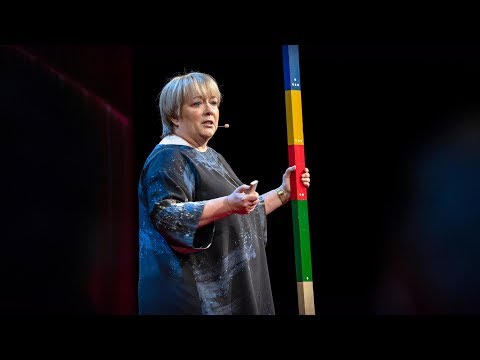
【TED】Caroline Harper: What if we eliminated one of the world's oldest diseases? (What if we eliminated one of the world's oldest diseases? | Caroline Harper)
0
林宜悉 posted on 2018/07/18Ever wondered how we could tackle one of the world's oldest diseases? This fascinating talk dives into the 'SAFE strategy' for fighting trachoma, a leading cause of blindness, and you'll pick up some great advanced vocabulary along the way! It's an inspiring look at global health efforts and the power of simple interventions like eyelid surgery and face washing.
Learn this video on the APP!
The VoiceTube App has more in-depth practice for videos!