
advent
US /ˈædˌvɛnt/
UK /'ædvent/
- Noun
- First appearance of something important
B2Moreargument
US /ˈɑrɡjəmənt/
UK /ˈɑ:gjumənt/
- Noun (Countable/Uncountable)
- Discussion in which you disagree with someone
- A presentation of reasons for or against an idea
A2TOEICMorearmy
US /ˈɑrmi/
UK /'ɑ:mɪ/
- Countable Noun
- Large group of soldiers organized to fight in wars
A2Morearound the world
US /əˈraʊnd ði wɜrld/
UK /əˈraund ðə wɜː(r)ld/
- Phrase
- In or to many countries.
- In various places throughout the world.
A2Moreasbestos
US /æsˈbɛstəs, æz-/
UK /æsˈbestəs/
- Uncountable Noun
- Type of mineral with cancerous fibers
B2Moreat home
US /æt hom/
UK /æt həum/
- Phrase
- In one's own residence or country.
- Adjective
- Feeling comfortable and relaxed.
at work
US /æt wɚk/
UK /æt wə:k/
- Phrase
- Located at one's place of employment
A1Moreattention
US /əˈtɛnʃən/
UK /əˈtenʃn/
- Noun (Countable/Uncountable)
- Taking notice of someone or something
- Noun
- (Soldiers) Standing with straight backs
A2TOEICMoreblind
US /blaɪnd/
UK /blaɪnd/
- Adjective
- Unable to see; with eyes that cannot see
- Lacking in judgment or awareness
- Transitive Verb
- To cause someone to lose the ability to see
- To be unable to see the truth about a situation
A2Moreblindness
US /ˈblaɪndnɪs/
UK /'blaɪndnəs/
- Uncountable Noun
- State of being blind or lacking sight
A2Morebliss
US /blɪs/
UK /blɪs/
- Uncountable Noun
- Great joy or happiness
- Perfect spiritual joy; beatitude.
B2Morebumper
US /ˈbʌmpɚ/
UK /ˈbʌmpə(r)/
- Noun
- Front part of a car designed to prevent damage
- Adjective
- Large
B1Morecensorship
US /ˈsensərʃɪp/
UK /ˈsensəʃɪp/
- Uncountable Noun
- Removing inappropriate material from books, films
B2Morecollaborate
US /kəˈlæbəˌret/
UK /kəˈlæbəreɪt/
- Verb (Transitive/Intransitive)
- To cooperate with or help an enemy
- To work together to complete a task
B1Moreconservative
US /kənˈsɚvətɪv/
UK /kənˈsɜ:vətɪv/
- Adjective
- (Of an estimate, price) set fairly low
- Resistant to change
- Noun
- Person with traditional ideas; doesn't like change
B1Moredue to
US /du tu/
UK /dju: tu:/
- Preposition
- Because of; owing to
- Adjective
- Attributable to; caused by.
A1Moreextraction
US /ɪkˈstrækʃən/
UK /ɪkˈstrækʃn/
- Noun (Countable/Uncountable)
- Process of taking something out of something else
- Country, region from which a person or family came
B1Morefor example
US
UK
- Phrase
- As an illustration or instance.
freedom
US /ˈfridəm/
UK /'fri:dəm/
- Uncountable Noun
- State of being free, not being controlled
B1Morefutile
US /ˈfju:tl/
UK /ˈfju:taɪl/
- Adjective
- Having no result; useless
B2Moregoing on
US /ˈɡoɪŋ ɑn/
UK /ˈgəʊɪŋ ɔn/
- Phrasal Verb
- To continue doing something
- To happen (usually negative)
A1Moregrow up
US /ɡro ʌp/
UK /ɡrəu ʌp/
- Phrasal Verb
- To develop from a child into an adult
A1Morehome in
US /ˈhoʊm ɪn/
UK /ˈhəum ɪn/
- other
- Move or direct toward a specific target or goal.
B2Moreignorance
US /ˈɪɡnərəns/
UK /ˈɪgnərəns/
- Uncountable Noun
- Lack of information or knowledge about something
- Deliberate avoidance of knowledge or information.
B1TOEICMoreimmense
US /ɪˈmɛns/
UK /ɪˈmens/
- Adjective
- Very great in size or amount
- Extremely great in degree; vast.
B1Morein fact
US /ɪn fækt/
UK /in fækt/
- Adverb
- Used to emphasize the truth of a statement, especially one that contrasts with or contradicts something else.
- Used to introduce a more detailed or surprising piece of information.
- Phrase
- Used to emphasize the truth of a statement, especially one that is surprising or contrary to what might be expected.
C1Morein particular
US /ɪn pɚˈtɪkjəlɚ/
UK /in pəˈtikjulə/
- Phrase
- Specifically; especially.
- Detailed or precise.
A1Morein the middle of
US
UK
- Phrase
- In the central part or point of something.
- Engaged or occupied with something.
A2Moreloyal
US /ˈlɔɪəl/
UK /ˈlɔɪəl/
- Adjective
- Always showing support for; faithful
- Demonstrating allegiance to one's country.
B1TOEICMoremanipulate
US /məˈnɪpjəˌlet/
UK /mə'nɪpjʊleɪt/
- Transitive Verb
- To try to control others to gain an advantage
- To handle or work in a skillful manner
B1Moremedical
US /ˈmɛdɪkəl/
UK /ˈmedɪkl/
- Adjective
- Of or relating to physical health or medicine
- Noun
- A health check or test
A2Moremilitary
US /ˈmɪlɪˌtɛri/
UK /'mɪlətrɪ/
- Noun
- Army or armed forces
- Adjective
- Concerning the army or navy
B1Moreminer
US /ˈmaɪnɚ/
UK /'maɪnə(r)/
- Countable Noun
- Someone working in a mine to dig out coal, etc.
B2Moremortality
US /mɔrˈtælɪti/
UK /mɔ:ˈtæləti/
- Uncountable Noun
- Quality or state of being capable of dying
- The state of being subject to death; the proportion of deaths to population.
B2Moremuch about
US /mʌtʃ əˈbaʊt/
UK /mʌtʃ əˈbaut/
- Phrase
- A lot of information or knowledge concerning something.
- To a great extent or degree regarding something; caring.
A1Moremythology
US /mɪˈθɑ:lədʒi/
UK /mɪˈθɒlədʒi/
- Uncountable Noun
- Myths of a particular culture or group of people
- The study of myths.
B2Moreobedient
US /oˈbidiənt/
UK /əˈbi:diənt/
- Adjective
- Doing what someone tell you to; submissive
B1Moreof course
US /ʌv kɔː(r)s/
UK /ɔv kɔː(r)s/
- Adverb
- Sure ; Certainly
- Phrase
- For sure; certainly
A2Moreorientation
US /ˌɔriɛnˈteʃən, -ən-, ˌor-/
UK /ˌɔ:riənˈteɪʃn/
- Noun
- Where you are in a location, e.g. facing east/west
- Process of giving information about something new
B1Moreoxygen
US /ˈɑksɪdʒən/
UK /'ɒksɪdʒən/
- Uncountable Noun
- A gas in the air that we need to breathe
- Oxygen administered as a medical treatment.
B1Morepatience
US /ˈpeʃəns/
UK /ˈpeɪʃns/
- Uncountable Noun
- Ability to wait without being annoyed
- Perseverance; the ability to continue doing something despite difficulties.
B2TOEICMorepercent
US /pɚˈsɛnt/
UK /pə'sent/
- Adverb
- One one-hundredth of a whole; the symbol %
- Noun (Countable/Uncountable)
- A proportion multiplied by 100
- A specified amount in every hundred
A2TOEICMorepersistence
US /pərˈsɪstəns/
UK /pəˈsɪstəns/
- Uncountable Noun
- Determination to keep doing even if it is hard
- The fact of continuing to exist for a long time.
C1TOEICMoreplayground
US /ˈpleˌɡraʊnd/
UK /ˈpleɪgraʊnd/
- Noun (Countable/Uncountable)
- Outdoor area for children to play in
B2Moreprompt
US /prɑmpt/
UK /prɒmpt/
- Noun
- Message on a computer requiring attention
- Encouragement to ask someone else to talk
- Transitive Verb
- To display a message to requires a user to act
- To say something to encourage someone else to talk
B1Moreprotest
US /ˈproʊtɛst/
UK /'prəʊtest/
- Verb (Transitive/Intransitive)
- To argue against something in a forceful way
- To express a strong objection or dislike
- Noun
- Forceful argument against something
- Objection to something
A2Moreput under
US /pʊt ˈʌndɚ/
UK /put ˈʌndə/
- Phrasal Verb
- To administer an anaesthetic to someone.
- To bring someone or something under one's control or authority.
A1Moreput up with
US /pʊt ʌp wɪð/
UK /put ʌp wið/
- Phrasal Verb
- To suffer (a difficult thing) without complaining
- To endure or accept something undesirable.
A1Morepuzzle
US /ˈpʌzəl/
UK /'pʌzl/
- Transitive Verb
- To be a challenge to understand; confuse
- Noun (Countable/Uncountable)
- Something challenging to explain or understand
- Game requiring the player to find an answer
A2TOEICMorerecognize
US /ˈrek.əɡ.naɪz/
UK /ˈrek.əɡ.naɪz/
- Transitive Verb
- To accept the truth or reality of something
- To consider something as important or special
A2TOEICMorerecurrent
US /rɪˈkɜ:rənt/
UK /rɪˈkʌrənt/
- Adjective
- Happening again and again
B1Morerefusal
US /rɪˈfjuzəl/
UK /rɪˈfju:zl/
- Noun
- Act of not accepting, giving, or doing
A2TOEICMoreresearch
US /rɪˈsɚtʃ, ˈriˌsɚtʃ/
UK /rɪ'sɜ:tʃ/
- Verb (Transitive/Intransitive)
- To study in order to discover new ideas and facts
- To study the market relating to marketing products and services.
- Noun (Countable/Uncountable)
- Study done to discover new ideas and facts
- A particular area or topic of study.
A2TOEICMoreretaliation
US / rɪˌtælɪˈeʃən/
UK /rɪˌtælɪˈeɪʃn/
- Uncountable Noun
- Revenge for something harmful or wrong
B2Morerink
US /rɪŋk/
UK /rɪŋk/
- Noun
- A ice playing area for ice hockey or curling
B2Moreset up
US /sɛt ʌp/
UK /set ʌp/
- Phrasal Verb
- To make arrangements for something; establish
- Verb (Transitive/Intransitive)
- To arrange or prepare something for use.
- To start a business, organization, etc.
A1Moreshock
US /ʃɑ:k/
UK /ʃɒk/
- Noun
- The passage of an electricity through the body
- Sudden bad feeling caused by something unexpected
- Transitive Verb
- To affect someone with an electrical current
- To cause great surprise, horror, or anger
A2Moreskate
US /sket/
UK /skeɪt/
- Noun
- Flat sea fish
- Boot with a metal blade attached to the bottom
- Intransitive Verb
- To slide on ice wearing boots with a metal blade
- To slide on a surface, e.g. ice
B2Moresoil
US /sɔɪl/
UK /sɔɪl/
- Uncountable Noun
- Conditions in which something develops
- Mix of natural material in which plants grow
- Transitive Verb
- To get or become dirty
B1Moresomehow manage
US
UK
- Phrase
- To succeed in doing something despite difficulties or a lack of resources.
B1Moresticker
US /ˈstɪkɚ/
UK /ˈstɪkə(r)/
- Noun
- A short pointed knife for piercing or stabbing
- An adhesive label, e.g. to identify something
B2Morestrike
US /straɪk/
UK /straɪk/
- Transitive Verb
- To hit something
- To remove or erase.
- Noun (Countable/Uncountable)
- A punch or hit
- Fact of not hitting the ball when playing baseball
A2TOEICMoresyndrome
US /ˈsɪnˌdrom/
UK /'sɪndrəʊm/
- Noun
- A group of signs and symptoms of a disease
B1Moretake on
US /tek ɑn/
UK /teik ɔn/
- Phrasal Verb
- To acquire a new characteristic
- To accept a new responsibility, role
A1Morethink of
US /θɪŋk ʌv/
UK /θiŋk ɔv/
- Phrasal Verb
- To look on as (being something specific); consider
- To consider or remember something.
- Verb (Transitive/Intransitive)
- To imagine or call something to mind
A1Moreuniquely
US /jʊ'ni:klɪ/
UK /jʊ'ni:klɪ/
- Adverb
- In an unusual manner
- In a way that is unlike anything else; distinctively.
A2Moreused to
US /juzd tu/
UK /ˈju:st tə/
- Adjective
- Did regularly before, but don't do now
- Auxiliary Verb
- Have done before, but do not do now
A1Morevictim
US /ˈvɪktɪm/
UK /ˈvɪktɪm/
- Noun
- Person/thing affected by an unpleasant event
- Person feeling helpless in times of bad luck
B1TOEICMorewaltz
US /wɔlts, wɔls/
UK /wɔ:lts/
- Noun
- Dignified dance of two people holding each other
- Verb (Transitive/Intransitive)
- To act confidently
- To dance the waltz
B2Morewar
US /wɔr/
UK /wɔ:(r)/
- Noun
- Situation where armies fight each other
A2Morework in
US /wɚk ɪn/
UK /wə:k in/
- Phrasal Verb
- To make an opening for something in your schedule
- To fit person/thing into a schedule or sequence
A1More
Vocabulary
- in the middle of: In the central part or point of something.
- used to: Did regularly before, but don't do now
- at home: In one's own residence or country.
- in fact: Used to emphasize the truth of a statement, especially one that contrasts with or contradicts something else.
- think of: To look on as (being something specific); consider
- work in: To make an opening for something in your schedule
- due to: Because of; owing to
- for example: As an illustration or instance.
- put under: To administer an anaesthetic to someone.
- home in: Move or direct toward a specific target or goal.
- of course: Sure ; Certainly
- somehow manage: To succeed in doing something despite difficulties or a lack of resources.
- going on: To continue doing something
- at work: Located at one's place of employment
- around the world: In or to many countries.
- much about: A lot of information or knowledge concerning something.
- put up with: To suffer (a difficult thing) without complaining
- set up
- grow up: To develop from a child into an adult
- in particular: Specifically; especially.
- take on: To acquire a new characteristic
- people: Persons sharing culture, country, background, etc.
- town: Small city
- lot: What happens to a person in life from chance; fate
- mother: Female who has a child or children; female parent
- daughter: A female child of someone
- age: To keep food, wine for a long time to improve it
- want: To desire or wish for something; hope for a thing
- tell: To (strongly) advise a person to do something
- problem: Something difficult to deal with or causes trouble
- leg: Part of the body from the hips down
- visited: To go to a place for a time, usually for a reason
- work: The product of some artistic or literary endeavor
- life: All the living things e.g. animals, plants, humans
- die: Cube with dots numbering 1-6 on it used in games
- talk: Style of speaking
- middle: Place that is halfway between two things
- war: Situation where armies fight each other
- puzzle: To be a challenge to understand; confuse
- playground: Outdoor area for children to play in
- dangerous: Involving the chance of hurt or damage; risky
- afraid: Worried that something bad will happen; scared
- grow: To get bigger and more mature; make plants do this
- skate: Flat sea fish
- blind: Unable to see; with eyes that cannot see
- research: To study in order to discover new ideas and facts
- argue: To fight or disagree over something
- percent: One one-hundredth of a whole; the symbol %
- shock: The passage of an electricity through the body
- fight: To argue or quarrel with someone about something
- strike: To hit something
- army: Large group of soldiers organized to fight in wars
- argument: Discussion in which you disagree with someone
- recognize: To accept the truth or reality of something
- exist: To be present, alive or real
- thought: To have an idea about something without certainty
- attention: Taking notice of someone or something
- fear: Unpleasant feeling caused by being aware of danger
- sticker: A short pointed knife for piercing or stabbing
- freedom: State of being free, not being controlled
- loyal: Always showing support for; faithful
- victim: Person/thing affected by an unpleasant event
- protest: To argue against something in a forceful way
- soil: Conditions in which something develops
- legal: Concerning the law; allowed by law
- oxygen: A gas in the air that we need to breathe
- medical: Of or relating to physical health or medicine
- military: Army or armed forces
- uniquely: In an unusual manner
- extraction: Process of taking something out of something else
- prompt: Message on a computer requiring attention
- patience: Ability to wait without being annoyed
- bumper: Front part of a car designed to prevent damage
- obedient: Doing what someone tell you to; submissive
- blindness: State of being blind or lacking sight
- miner: Someone working in a mine to dig out coal, etc.
- refusal: Act of not accepting, giving, or doing
- conservative: (Of an estimate, price) set fairly low
- collaborate: To cooperate with or help an enemy
- immense: Very great in size or amount
- recurrent: Happening again and again
- ignorance: Lack of information or knowledge about something
- orientation: Where you are in a location, e.g. facing east/west
- mortality: Quality or state of being capable of dying
- persistence: Determination to keep doing even if it is hard
- willful: Stubborn; strong-headed
- asbestos: Type of mineral with cancerous fibers
- manipulate: To try to control others to gain an advantage
- rink: A ice playing area for ice hockey or curling
- advent: First appearance of something important
- censorship: Removing inappropriate material from books, films
- retaliation: Revenge for something harmful or wrong
- futile: Having no result; useless
- waltz: Dignified dance of two people holding each other
- mythology: Myths of a particular culture or group of people
- bliss: Great joy or happiness
- syndrome: A group of signs and symptoms of a disease
Get the full experience in the app
Learn anywhere with detailed sentence and usage analysis
01:03
She took a brave step forward, leaving behind her comfort zone to chase her dreams.
Vocabulary
- brave
adj. Having courage
- comfort zone
phr. A familiar situation where one feels safe
Explanation
a brave step is a noun phrase, where brave is an adjective modifying the noun step, meaning "a courageous step".
forward is an adverb modifying step, meaning "ahead".
The whole phrase serves as the object, answering the "what" of took (verb) — she took a brave step forward.
Get the full experience in the app
Look up words anytime with pronunciation, part of speech, and usage
brave
US/brev/
UK/breɪv/
adj.Brave
v.t.To bravely face
A2 Elementary
Get the full experience in the app
Practice speaking anytime and get instant pronunciation feedback
Try this speaking exercise.
Try practicing with this sentence.
80
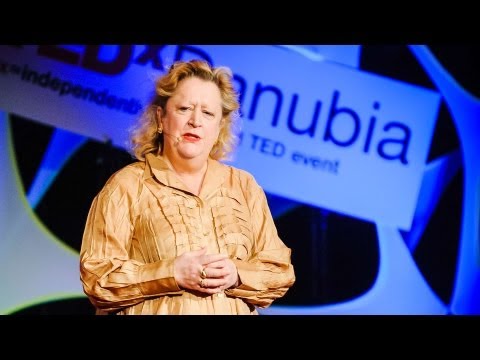
【TED】Margaret Heffernan: The dangers of "willful blindness"
0
VoiceTube posted on 2013/09/20Ever wondered how people can ignore obvious problems? This TED Talk dives into 'willful blindness' using the shocking Libby, Montana asbestos case, and you'll pick up some powerful vocabulary along the way! It's a fascinating look at public health and community activism that's perfect for expanding your knowledge and understanding.
Learn this video on the APP!
The VoiceTube App has more in-depth practice for videos!