
access
US /ˈæksɛs/
UK /'ækses/
- Noun (Countable/Uncountable)
- Way to enter a place, e.g. a station or stadium
- The opportunity or right to use something or to see someone.
- Transitive Verb
- To be able to use or have permission to use
A2TOEICMoreactivate
US /ˈæktəˌvet/
UK /ˈæktɪveɪt/
- Transitive Verb
- To cause to happen; cause a chemical reaction
- To make something start working
B1Moreambition
US /æmˈbɪʃən/
UK /æmˈbɪʃn/
- Noun (Countable/Uncountable)
- Desire to win or be successful in life, work
A2TOEICMoreapproach
US /əˈprəʊtʃ/
UK /ə'prəʊtʃ/
- Verb (Transitive/Intransitive)
- To get close to reaching something or somewhere
- To request someone to do something specific
- Noun (Countable/Uncountable)
- Means of reaching a place, often a road or path
- Request of someone with a specific goal in mind
A2TOEICMorearchitect
US /ˈɑrkɪˌtɛkt/
UK /ˈɑ:kɪtekt/
- Noun
- Person who designs and advises on buildings
B1Morearchitecture
US /ˈɑrkɪˌtɛktʃɚ/
UK /ˈɑ:kɪtektʃə(r)/
- Uncountable Noun
- Design and construction of buildings
- The style or design of a building or buildings.
A2Moreat home
US /æt hom/
UK /æt həum/
- Phrase
- In one's own residence or country.
- Adjective
- Feeling comfortable and relaxed.
audio
US /ˈɔ:dioʊ/
UK /ˈɔ:diəʊ/
- Adjective
- Concerning sound
- Uncountable Noun
- Sound, especially when recorded or transmitted.
B2TOEICMorebury
US /ˈbɛri/
UK /'berɪ/
- Transitive Verb
- To put something into the ground and cover it
B1Morecancer
US /ˈkænsɚ/
UK /'kænsə(r)/
- Noun
- Any growth caused by abnormal cell division
B1Morecemetery
US /ˈsɛmɪˌtɛri/
UK /'semətrɪ/
- Noun (Countable/Uncountable)
- Place where people are buried after they die
B1Morecentralize
US /ˈsɛntrəˌlaɪz/
UK /ˈsentrəlaɪz/
- Transitive Verb
- To locate efforts, energy into one place or thing
- To bring under the control of one person or group
B1Morechronic
US /ˈkrɑnɪk/
UK /'krɒnɪk/
- Adjective
- Always or often doing something, e.g. lying
- (Of disease) over a long time; serious
B1Moreconversation
US /ˌkɑnvɚˈseʃən/
UK /ˌkɒnvəˈseɪʃn/
- Uncountable Noun
- Talking with other people; discussion or chat
- General communication or interaction.
A2Moredefault
US /dɪˈfɔlt/
UK /dɪ'fɔ:lt/
- Noun (Countable/Uncountable)
- Automatic setting when no indicated preference
- Failure to meet an agreement or make a payment
- Verb (Transitive/Intransitive)
- To fail to meet as agreed; failure to pay
- To return to a previously determined state
B2TOEICMoredisease
US /dɪˈziz/
UK /dɪˈzi:z/
- Noun (Countable/Uncountable)
- Illness that affects a person, animal, or plant
- A disorder of structure or function in a plant, especially one caused by a pathogen.
- Transitive Verb
- To affect with disease; to corrupt or sicken.
A2TOEICMoredramatically
US /drəˈmætɪkl:ɪ/
UK /drə'mætɪklɪ/
- Adverb
- In a sudden or extreme manner
- In a theatrical or exaggerated manner.
B1Moreengage
US /ɪn'gedʒ/
UK /ɪn'ɡeɪdʒ/
- Transitive Verb
- To start to fight with an enemy
- To hire someone for a task or job
A2TOEICMoreengage with it
US
UK
- Phrasal Verb
- To interact with something or someone in a meaningful way.
A1Moreexhibition
US /ˌɛksəˈbɪʃən/
UK /ˌeksɪˈbɪʃn/
- Noun (Countable/Uncountable)
- Public event to display objects, art etc.
- A display or demonstration of a skill or quality.
- Uncountable Noun
- Act of displaying a particular emotion or quality
- The act of behaving in a way that is intended to attract attention.
B1TOEICMorefluorescent
US /flʊˈrɛsənt, flɔ-, flo-/
UK /ˌflɔ:ˈresnt/
- Adjective
- Having the property of fluorescence; brightly lit
- Noun
- A fluorescent substance or material.
B2Morehave to
US /hæv tu/
UK /ˈhæv tə/
- Auxiliary Verb
- Must do
A1Morehealthcare
US /'helθker/
UK /'helθkeə/
- Uncountable Noun
- Nursing care to prevent illness or recover from it
B1Morehome in
US /ˈhoʊm ɪn/
UK /ˈhəum ɪn/
- other
- Move or direct toward a specific target or goal.
B2Moreillness
US /ˈɪlnɪs/
UK /ˈɪlnəs/
- Uncountable Noun
- Unhealthy condition of the mind or body
- A particular instance or type of disease.
A2Morein different ways
US
UK
- Phrase
- Using various methods or approaches; with variety.
- In varying manners or styles; not uniformly.
A1Morelack
US /læk/
UK /læk/
- Verb (Transitive/Intransitive)
- To not have, or not have enough, of something
- Uncountable Noun
- The state of not having or not having enough of
A2TOEICMorelook at
US /lʊk æt/
UK /luk æt/
- Phrasal Verb
- To use your eyes to focus on something
- To focus your eyes on something carefully
A1Moreof the century
US /ʌv ðə ˈsɛnʧəri/
UK /əv ðə ˈsenʧəri/
- other
- The most notable or important in a hundred-year period.
B2Moreoptimism
US /ˈɑptəˌmɪzəm/
UK /ˈɒptɪmɪzəm/
- Uncountable Noun
- Condition of having a positive outlook or belief
B2Moreoption
US /ˈɑpʃən/
UK /'ɒpʃn/
- Noun (Countable/Uncountable)
- A choice
- A right to buy or sell something at a particular price within a particular period.
A2TOEICMoreover to
US
UK
- Preposition
- Used to hand over to someone else to speak
- The responsibility is now yours
pass through
US /pæs θru/
UK /pɑ:s θru:/
- Phrasal Verb
- To experience something, often unpleasant or difficult.
- To go through something; to move from one side to the other of something.
A2Morepenicillin
US /ˌpɛnɪˈsɪlɪn/
UK /ˌpenɪ'sɪlɪn/
- Noun
- Medicine that treats infection by killing bacteria
C1Morepneumonia
US /nu:ˈmoʊniə/
UK /nju:ˈməʊniə/
- Uncountable Noun
- Serious illness affecting the lungs and breathing
B2Moreray
US /re/
UK /reɪ/
- Proper Noun
- Person's name
- Noun (Countable/Uncountable)
- Lines of light coming from an object
- Fish with a pointed tail and flat body
B1Morereputation
US /ˌrɛpjəˈteʃən/
UK /ˌrepjuˈteɪʃn/
- Noun (Countable/Uncountable)
- Common opinion that people have about someone
- A widespread belief that someone or something has a particular characteristic.
B1TOEICMoreresult
US /rɪˈzʌlt/
UK /rɪ'zʌlt/
- Noun
- Something produced through tests or experiments
- Final score of a competition, election or game
- Intransitive Verb
- To be the outcome of other causes and effects
- To happen or exist as a consequence of something.
A2Morereveal
US /rɪˈvil/
UK /rɪ'vi:l/
- Transitive Verb
- To show something that was hidden before
A2TOEICMoreset up
US /sɛt ʌp/
UK /set ʌp/
- Phrasal Verb
- To make arrangements for something; establish
- Verb (Transitive/Intransitive)
- To arrange or prepare something for use.
- To start a business, organization, etc.
A1Moresuppose
US /səˈpoʊz/
UK /sə'pəʊz/
- Verb (Transitive/Intransitive)
- To imagine or guess what might happen
- Conjunction
- What if
A2TOEICMoretalk about it
US /tɔk əˈbaʊt ɪt/
UK /tɔ:k əˈbaut it/
- Verb (Transitive/Intransitive)
- To discuss a particular subject.
A1Moretend
US /tɛnd/
UK /tend/
- Intransitive Verb
- To move or act in a certain manner
- Transitive Verb
- To take care of
A2Morethink about
US /θɪŋk əˈbaʊt/
UK /θiŋk əˈbaut/
- Phrasal Verb
- To consider something carefully.
- To remember or call to mind.
A1Moreto death
US /tu dɛθ/
UK /tu: deθ/
- Phrase
- Extremely; to a great degree
- Until death
B1Moreuncomfortable
US /ʌnˈkʌmfətəbəl, -ˈkʌmftə-/
UK /ʌnˈkʌmftəbl/
- Adjective
- Not being relaxed; worried about something
- Causing or feeling slight pain or physical unease.
B1Moreuniversal
US /ˌjunəˈvɚsəl/
UK /ˌju:nɪˈvɜ:sl/
- Adjective
- Existing in all places at all times for all people
- Done or experienced by everyone
- Noun (Countable/Uncountable)
- Things which apply equally to everyone
- A general term, idea, or concept applicable to many particular things.
A2Morewith it
US /wɪð ɪt/
UK /wið it/
- Adjective
- Intelligent, alert, and up-to-date.
- Understanding and knowledgeable about current trends or information.
A1More
Vocabulary
- to death: Extremely; to a great degree
- think about: To consider something carefully.
- talk about it: To discuss a particular subject.
- home in: Move or direct toward a specific target or goal.
- at home: In one's own residence or country.
- set up
- of the century: The most notable or important in a hundred-year period.
- look at: To use your eyes to focus on something
- have to: Must do
- engage with it: To interact with something or someone in a meaningful way.
- with it: Intelligent, alert, and up-to-date.
- over to: Used to hand over to someone else to speak
- pass through: To experience something, often unpleasant or difficult.
- in different ways: Using various methods or approaches; with variety.
- chronic: Always or often doing something, e.g. lying
- approach: To get close to reaching something or somewhere
- engage: To start to fight with an enemy
- access: Way to enter a place, e.g. a station or stadium
- reveal: To show something that was hidden before
- period: Set amount of time during which events take place
- tend: To move or act in a certain manner
- treat: To pay for the food or enjoyment of someone else
- reputation: Common opinion that people have about someone
- develop: To explain something in steps and in detail
- conversation: Talking with other people; discussion or chat
- disease: Illness that affects a person, animal, or plant
- default: Automatic setting when no indicated preference
- suppose: To imagine or guess what might happen
- lack: To not have, or not have enough, of something
- pneumonia: Serious illness affecting the lungs and breathing
- series: Set of stories or articles on a particular subject
- dramatically: In a sudden or extreme manner
- ambition: Desire to win or be successful in life, work
- architecture: Design and construction of buildings
- result: Something produced through tests or experiments
- illness: Unhealthy condition of the mind or body
- universal: Existing in all places at all times for all people
- option: A choice
- subject: The person, thing, or idea that is being discussed, described, or studied.
- optimism: Condition of having a positive outlook or belief
- bury: To put something into the ground and cover it
- strange: Unusual or odd; surprising because unexpected
- architect: Person who designs and advises on buildings
- activate: To cause to happen; cause a chemical reaction
- century: Period of 100 years
- offer: Price you say you are willing to pay for something
- act: To behave in a certain way
- modern: Of the present time; up to date; contemporary
- audio: Concerning sound
- lot: What happens to a person in life from chance; fate
- chance: The way something happens without planning
- build: Your physical shape; physique
- question: To ask for or try to get information
- change: To exchange one set of clothes for another
- cemetery: Place where people are buried after they die
- exhibition: Public event to display objects, art etc.
- fluorescent: Having the property of fluorescence; brightly lit
- cancer: Any growth caused by abnormal cell division
- uncomfortable: Not being relaxed; worried about something
- healthcare: Nursing care to prevent illness or recover from it
- ray: Person's name
- penicillin: Medicine that treats infection by killing bacteria
- centralize: To locate efforts, energy into one place or thing
Get the full experience in the app
Learn anywhere with detailed sentence and usage analysis
01:03
She took a brave step forward, leaving behind her comfort zone to chase her dreams.
Vocabulary
- brave
adj. Having courage
- comfort zone
phr. A familiar situation where one feels safe
Explanation
a brave step is a noun phrase, where brave is an adjective modifying the noun step, meaning "a courageous step".
forward is an adverb modifying step, meaning "ahead".
The whole phrase serves as the object, answering the "what" of took (verb) — she took a brave step forward.
Get the full experience in the app
Look up words anytime with pronunciation, part of speech, and usage
brave
US/brev/
UK/breɪv/
adj.Brave
v.t.To bravely face
A2 Elementary
Get the full experience in the app
Practice speaking anytime and get instant pronunciation feedback
Try this speaking exercise.
Try practicing with this sentence.
80
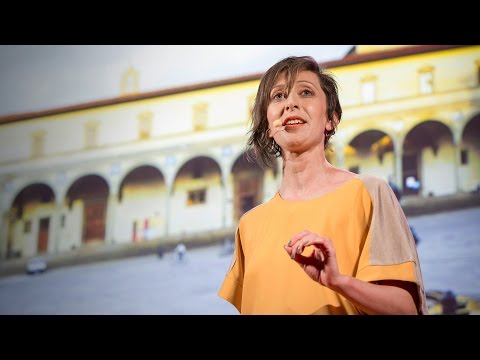
【TED】Alison Killing: There’s a better way to die, and architecture can help (Alison Killing: There’s a better way to die, and architecture can help)
0
Zenn posted on 2017/11/18Ever wondered how architecture influences how we approach death and dying? This fascinating TED talk explores the surprising connection between design, cultural attitudes, and end-of-life spaces, offering advanced vocabulary and a deeper understanding of societal shifts. You'll gain insights into hospital design, cremation history, and even historical figures like Brunelleschi!
Learn this video on the APP!
The VoiceTube App has more in-depth practice for videos!