
all the things
US
UK
- Pronoun
- Everything; all items or aspects
- Determiner
- Every item or object being considered or discussed.
A1Moreat home
US /æt hom/
UK /æt həum/
- Phrase
- In one's own residence or country.
- Adjective
- Feeling comfortable and relaxed.
at night
US /æt naɪt/
UK /æt nait/
- Phrase
- During the night; in the nighttime.
A1Morebased on
US
UK
- Phrasal Verb
- To use something as the foundation or starting point for something else.
- Preposition
- Using something as the main idea or foundation.
- Relying on something as evidence or justification.
A1Morebump
US /bʌmp/
UK /bʌmp/
- Verb (Transitive/Intransitive)
- To bounce along over a rough surface
- To knock against with force or violence
- Noun
- Act or sound of one solid object hitting another
- Raised area on any smooth surface
B1Morecairn
US /kern/
UK /keən/
- Noun
- Pile of stones to mark something, e.g. in Scotland
- A small, sturdy breed of terrier originating in Scotland.
C1Morecare of
US /kɛr ʌv/
UK /kɛə ɔv/
- Preposition
- Used in an address to indicate the person who will receive the mail for someone else.
A2Morechallenge
US /ˈtʃæləndʒ/
UK /'tʃælɪndʒ/
- Noun (Countable/Uncountable)
- An activity you wish to try that may be hard to do
- Act of formally inviting someone to compete
- Transitive Verb
- To formally invite someone to compete at something
- To question the correctness of something
A2Morecome back
US /kʌm bæk/
UK /kʌm bæk/
- Phrasal Verb
- To reply to someone, often forcefully
- To be remembered
A1Morecome up with
US /kʌm ʌp wɪð/
UK /kʌm ʌp wið/
- Phrasal Verb
- To think of an idea or solution; produce
A1Morecore
US /kɔr, kor/
UK /kɔ:(r)/
- Transitive Verb
- To take out the central section of a fruit
- Noun (Countable/Uncountable)
- Important central part of something
- The hard central part of certain fruits, containing the seeds.
A2Morecut it out
US /kʌt ɪt aʊt/
UK /kʌt it aut/
- Phrasal Verb
- Stop doing something annoying or disruptive.
- Interjection
- Stop doing something annoying or disruptive.
A1Moredatum
US /ˈdetəm, ˈdætəm, ˈdɑtəm/
UK /ˈdeɪtəm/
- Noun
- Item of factual information
B1Moredepress
US /dɪˈprɛs/
UK /dɪ'pres/
- Transitive Verb
- To make someone feel sad or miserable
- To push something down
B2Morediagnose
US /ˌdaɪəgˈnoʊs/
UK /ˈdaɪəgnəʊz/
- Transitive Verb
- To determine the cause of an illness or problem
B1Morediagnosis
US /ˌdaɪəgˈnoʊsɪs/
UK /ˌdaɪəgˈnəʊsɪs/
- Noun (plural)
- Judgments by a doctor about a person's illness
- Noun
- The identification of a disease or condition.
B1Moredisconnect
US /ˌdɪskəˈnɛkt/
UK /ˌdɪskəˈnekt/
- Transitive Verb
- To separate something from something else
- Noun
- State of being separated from something else
B2Moreepidemic
US /ˌɛpɪˈdɛmɪk/
UK /ˌepɪ'demɪk/
- Adjective
- Disease that spreads quickly affecting many
- Noun (Countable/Uncountable)
- Something that spreads suddenly and widely
B2Moreessence
US /ˈɛsəns/
UK /'esns/
- Uncountable Noun
- Most important part or quality of something
- Substance that has a very strong, unique smell
B1TOEICMoreexercise
US /ˈɛksɚˌsaɪz/
UK /'eksəsaɪz/
- Verb (Transitive/Intransitive)
- To work out to become stronger and healthier
- To retain your ability or practice your skills
- Noun (Countable/Uncountable)
- Physical activity to increase health and strength
- Set of questions in a text book
A2Morefigure out
US /ˈfɪɡjɚ aʊt/
UK /ˈfiɡə aut/
- Phrasal Verb
- To understand the behavior of someone
- To think through logically to find a solution
- Verb (Transitive/Intransitive)
- To understand or find an answer to something.
- To find a solution to a problem or understand something.
A1Morefor a minute
US
UK
- Phrase
- For a short period of time; briefly.
- Used to indicate a sudden realization or thought.
A1Morefoundation
US /faʊnˈdeʃən/
UK /faunˈdeiʃən/
- Noun (Countable/Uncountable)
- Base or important starting point
- Underground base on which building is constructed
C1TOEICMorefreak
US /friːk/
UK /friːk/
- Adjective
- (Of weather, etc.) unusual; unpredictable; amazing
- Noun
- A person, animal, or event that is physically abnormal, very unusual, or unlike others.
- A person with an unusual appearance or behaviour.
B2Morefrustrate
US /ˈfrʌsˌtret/
UK /frʌ'streɪt/
- Transitive Verb
- To make annoyed because things don't go well
- To prevent (a plan or intention) from succeeding.
B1TOEICMoreget out of
US /ɡɛt aʊt ʌv/
UK /ɡet aut ɔv/
- Phrasal Verb
- To leave or escape responsibilities, troubles
- To leave a small, enclosed vehicle
A1Moregot to
US /ɡɑt tu/
UK /gɔt tu:/
- Verb (Transitive/Intransitive)
- To arrive at some place
- To have the opportunity or permission to do something
- Phrasal Verb
- To appeal to the emotions of; move
- To finally begin to start something after a delay
A1Morehave against
US /hæv əˈɡenst/
UK /hæv əˈɡenst/
- other
- Hold a grudge or dislike towards someone.
B2Moreheal
US /hi:l/
UK /hi:l/
- Verb (Transitive/Intransitive)
- To recover from or forget a bad experience
- To make or become healthy or well again
B1Morehuge deal
US
UK
- Noun
- Something very important or significant.
- An event or situation that has a major impact.
B1Moreignore
US /ɪɡˈnɔr, -ˈnor/
UK /ɪɡ'nɔ:(r)/
- Transitive Verb
- To not listen to, look at, or pay attention to
A2TOEICMorein the first place
US
UK
- Phrase
- To begin with; as the first point or consideration.
- From the beginning; initially.
A1Morein the future
US /ɪn ði ˈfjutʃɚ/
UK /in ðə ˈfju:tʃə/
- Phrase
- At a later time; in times to come.
A1Moreinstead of
US /ɪnˈstɛd ʌv/
UK /inˈsted ɔv/
- Preposition
- When one thing is replaced by another
- Adverb
- As a substitute or alternative.
A1Moreinsurance
US /ɪnˈʃʊrəns/
UK /ɪnˈʃʊərəns/
- Uncountable Noun
- Protection against loss/injury/death you pay for
A2TOEICMorejournal
US /ˈdʒɚnəl/
UK /ˈdʒə:nl/
- Noun (Countable/Uncountable)
- A diary; record of what you do every day
- Magazine of academic papers
B1TOEICMoreliterature
US /ˈlɪtərəˌtʃʊr, -tʃɚ/
UK /ˈlɪtrətʃə(r)/
- Uncountable Noun
- Writing valued as art, e.g. fiction, drama, poetry
- The body of written works produced in a particular language, country, or age.
A2Morelook at
US /lʊk æt/
UK /luk æt/
- Phrasal Verb
- To use your eyes to focus on something
- To focus your eyes on something carefully
A1Moremask
US /mæsk/
UK /mɑ:sk/
- Transitive Verb
- To hide something so that it cannot be seen
- To hide something so that it cannot be seen
- Noun (Countable/Uncountable)
- Covering to hide or disguise the face
- Way of pretending to behave that is not real
B1Moremove to
US /muv tu/
UK /mu:v tu:/
- Phrasal Verb
- To change the place where you live or work.
- Verb (Transitive/Intransitive)
- To proceed to the next stage or action.
A2Morenewborn
US /ˈnu:bɔ:rn/
UK /ˈnju:bɔ:n/
- Adjective
- Having just/recently arisen or come into existence
C2Moreof a sudden
US
UK
- Phrase
- Quickly and unexpectedly; suddenly.
B2Moreof course
US /ʌv kɔː(r)s/
UK /ɔv kɔː(r)s/
- Adverb
- Sure ; Certainly
- Phrase
- For sure; certainly
A2Moreon the table
US /ɑn ði ˈtebəl/
UK /ɔn ðə ˈteibl/
- Phrase
- Located on the surface of a table.
- Available for consideration or discussion.
A1Moreout there
US /aʊt ðɛr/
UK /aut ðɛə/
- Adverb
- In or to a place that is far away
- Existing in the universe
- Adjective
- Unconventional; strange; avant-garde
- Existing or available.
A1Moreoutside of
US /aʊtˈsaɪd ʌv/
UK /ˌautˈsaid ɔv/
- Preposition
- Located or situated beyond the boundaries or confines of something.
- Beyond the scope, range, or limits of something.
A1Morepatient
US /ˈpeʃənt/
UK /'peɪʃnt/
- Adjective
- Not getting annoyed when things take a long time
- Bearing or enduring pain or trials without complaint; exhibiting forbearance.
- Countable Noun
- Person who receives medical treatment or care
A2Morephysical
US /ˈfɪzɪkəl/
UK /ˈfɪzɪkl/
- Countable Noun
- Health check at the doctors' or hospital
- Adjective
- Concerning the body of a person
- Concerning things that can be seen or touched
A2Morephysician
US /fɪˈzɪʃən/
UK /fɪˈzɪʃn/
- Countable Noun
- A medical doctor
B2Morepractice
US /ˈpræktɪs/
UK /'præktɪs/
- Noun
- The office and place for legal or medical work
- Doing something many times to become better at it
- Verb (Transitive/Intransitive)
- To work as a doctor or lawyer
- To live according to the teachings of a religion
A2TOEICMoreprescription
US /prɪˈskrɪpʃən/
UK /prɪˈskrɪpʃn/
- Noun
- Specific medicine officially ordered for a patient
- Set of appropriate guidelines for something
B2TOEICMoreprofessional
US /prəˈfɛʃənəl/
UK /prə'feʃənl/
- Adjective
- Of jobs such as doctor, lawyer, accountant, etc.
- Acting/done properly as a qualified person would
- Noun
- Highly qualified person, e.g. lawyer or doctor
- One who plays a sport or similar activity as a job
A2TOEICMorequest
US /kwɛst/
UK /kwest/
- Noun (Countable/Uncountable)
- Long and challenging journey to find something
- Transitive Verb
- To ask (someone) questions.
- To search or seek for something.
B2Morequit
US /kwɪt/
UK /kwɪt/
- Verb (Transitive/Intransitive)
- To leave a job
- To leave a place
- Intransitive Verb
- To leave a school etc. without finishing
B1Moreraw
US /rɔ/
UK /rɔ:/
- Adjective
- Being uncontrolled or strong, as your emotions
- Being inexperienced
B1Moreresearch
US /rɪˈsɚtʃ, ˈriˌsɚtʃ/
UK /rɪ'sɜ:tʃ/
- Verb (Transitive/Intransitive)
- To study in order to discover new ideas and facts
- To study the market relating to marketing products and services.
- Noun (Countable/Uncountable)
- Study done to discover new ideas and facts
- A particular area or topic of study.
A2TOEICMoreright for
US
UK
- Adjective
- Suitable or appropriate for a particular person, purpose, or situation.
- Correct or most appropriate.
A1Morespiritual
US /ˈspɪrɪtʃuəl/
UK /ˈspɪrɪtʃuəl/
- Adjective
- Of religious belief; believing in things of soul
- Noun
- Religious song from the southern united states
A2Moresuffer
US / ˈsʌfɚ/
UK /'sʌfə(r)/
- Verb (Transitive/Intransitive)
- To experience pain, illness, or injury
- To allow or permit something, especially something unpleasant.
A2Moresuffer from
US /ˈsʌfɚ frʌm/
UK /ˈsʌfə frɔm/
- Intransitive Verb
- To experience pain or distress; to be badly affected by.
A1Moresuppose
US /səˈpoʊz/
UK /sə'pəʊz/
- Verb (Transitive/Intransitive)
- To imagine or guess what might happen
- Conjunction
- What if
A2TOEICMoresurgery
US /ˈsɚdʒəri/
UK /'sɜ:dʒərɪ/
- Noun (Countable/Uncountable)
- Medical operation involving cutting into body
- A doctor's office; health clinic
B1Moresymptom
US /ˈsɪmtəm, ˈsɪmp-/
UK /'sɪmptəm/
- Noun
- Sign that suggests that there is a problem
B1Moretap into
US /tæp ˈɪntu/
UK /tæp ˈɪntuː/
- Phrasal Verb
- To manage to use something in a way that brings you benefits
- To understand and express something that people are feeling
B1Morethink about
US /θɪŋk əˈbaʊt/
UK /θiŋk əˈbaut/
- Phrasal Verb
- To consider something carefully.
- To remember or call to mind.
A1Morethink of
US /θɪŋk ʌv/
UK /θiŋk ɔv/
- Phrasal Verb
- To look on as (being something specific); consider
- To consider or remember something.
- Verb (Transitive/Intransitive)
- To imagine or call something to mind
A1Moreto do with
US
UK
- Phrasal Verb
- To be about something; concern
A1Moreto the core
US
UK
- Phrase
- Completely; fundamentally; in every aspect.
- To the innermost part; to the very essence or center.
A1Moretransparent
US /trænsˈpærənt/
UK /trænsˈpærənt/
- Adjective
- Being open to see and to public criticism
- Able to be seen through
B2Moretumor
US /'tju:mə/
UK /'tju:mə/
- Noun (Countable/Uncountable)
- Abnormal growth of cells; cancer
- A swelling of a part of the body, generally without inflammation, caused by an abnormal growth of tissue, whether benign or malignant.
B1Moreup against
US /ʌp əˈɡenst/
UK /ʌp əˈɡenst/
- Phrase
- Facing or contending with something difficult or challenging.
- In close proximity or contact with something.
used to
US /juzd tu/
UK /ˈju:st tə/
- Adjective
- Did regularly before, but don't do now
- Auxiliary Verb
- Have done before, but do not do now
A1Morevulnerable
US /ˈvʌlnərəbəl/
UK /ˈvʌlnərəbl/
- Adjective
- Being open to attack or damage
- Being easily harmed, hurt, or wounded
B1Morewellness
US /ˈwelnəs/
UK /ˈwelnəs/
- Uncountable Noun
- State of being happy, healthy or prosperous
C2Morewith it
US /wɪð ɪt/
UK /wið it/
- Adjective
- Intelligent, alert, and up-to-date.
- Understanding and knowledgeable about current trends or information.
A1Morework in
US /wɚk ɪn/
UK /wə:k in/
- Phrasal Verb
- To make an opening for something in your schedule
- To fit person/thing into a schedule or sequence
A1Morewound
US /waʊnd/
UK /waʊnd/
- Transitive Verb
- To rotate a part of say a watch to make it work
- To hurt someone emotionally
- Noun (Countable/Uncountable)
- Sadness or displeasure caused by a bad memory
- Physical injury, especially that suffered in war
A2More
Vocabulary
- got to: To arrive at some place
- think about: To consider something carefully.
- based on: To use something as the foundation or starting point for something else.
- come back: To reply to someone, often forcefully
- look at: To use your eyes to focus on something
- in the future: At a later time; in times to come.
- figure out: To understand the behavior of someone
- up against: Facing or contending with something difficult or challenging.
- outside of: Located or situated beyond the boundaries or confines of something.
- all the things: Everything; all items or aspects
- think of: To look on as (being something specific); consider
- for a minute: For a short period of time; briefly.
- to do with: To be about something; concern
- at night: During the night; in the nighttime.
- suffer from: To experience pain or distress; to be badly affected by.
- used to: Did regularly before, but don't do now
- work in: To make an opening for something in your schedule
- come up with: To think of an idea or solution; produce
- cut it out: Stop doing something annoying or disruptive.
- on the table: Located on the surface of a table.
- of a sudden: Quickly and unexpectedly; suddenly.
- at home: In one's own residence or country.
- huge deal: Something very important or significant.
- move to: To change the place where you live or work.
- instead of: When one thing is replaced by another
- in the first place: To begin with; as the first point or consideration.
- out there: In or to a place that is far away
- of course: Sure ; Certainly
- have against: Hold a grudge or dislike towards someone.
- care of: Used in an address to indicate the person who will receive the mail for someone else.
- right for: Suitable or appropriate for a particular person, purpose, or situation.
- with it: Intelligent, alert, and up-to-date.
- tap into: To manage to use something in a way that brings you benefits
- get out of: To leave or escape responsibilities, troubles
- to the core: Completely; fundamentally; in every aspect.
- vulnerable: Being open to attack or damage
- figure: To appear in a game, play or event
- physical: Health check at the doctors' or hospital
- epidemic: Disease that spreads quickly affecting many
- practice: The office and place for legal or medical work
- realize: To become aware of or understand mentally
- treat: To pay for the food or enjoyment of someone else
- symptom: Sign that suggests that there is a problem
- develop: To explain something in steps and in detail
- suppose: To imagine or guess what might happen
- environment: Natural world in which plants and animals live
- freak: (Of weather, etc.) unusual; unpredictable; amazing
- ignore: To not listen to, look at, or pay attention to
- essence: Most important part or quality of something
- suffer: To experience pain, illness, or injury
- research: To study in order to discover new ideas and facts
- foundation: Base or important starting point
- challenge: An activity you wish to try that may be hard to do
- journal: A diary; record of what you do every day
- account: An advantage
- transparent: Being open to see and to public criticism
- core: To take out the central section of a fruit
- prescription: Specific medicine officially ordered for a patient
- spiritual: Of religious belief; believing in things of soul
- exercise: To work out to become stronger and healthier
- surgery: Medical operation involving cutting into body
- quest: Long and challenging journey to find something
- professional: Of jobs such as doctor, lawyer, accountant, etc.
- frustrate: To make annoyed because things don't go well
- literature: Writing valued as art, e.g. fiction, drama, poetry
- insurance: Protection against loss/injury/death you pay for
- raw: Being uncontrolled or strong, as your emotions
- bump: To bounce along over a rough surface
- heal: To recover from or forget a bad experience
- patient: Not getting annoyed when things take a long time
- wound: To rotate a part of say a watch to make it work
- totally: In a complete way; completely; absolutely
- diagnose: To determine the cause of an illness or problem
- important: Having power or authority
- diagnosis: Judgments by a doctor about a person's illness
- manage: To survive hardships and difficulties; to cope
- wrong: Action that is harmful, unjust or illegal
- physician: A medical doctor
- quit: To leave a job
- wear: To have clothes, glasses, shoes etc. on your body
- grow: To get bigger and more mature; make plants do this
- tumor: Abnormal growth of cells; cancer
- part: Division of a book
- start: First time or place that a thing exists; beginning
- know: To be familiar with a person or place, thing
- depress: To make someone feel sad or miserable
- wellness: State of being happy, healthy or prosperous
- disconnect: To separate something from something else
- mask: To hide something so that it cannot be seen
- datum: Item of factual information
- newborn: Having just/recently arisen or come into existence
- cairn: Pile of stones to mark something, e.g. in Scotland
Get the full experience in the app
Learn anywhere with detailed sentence and usage analysis
01:03
She took a brave step forward, leaving behind her comfort zone to chase her dreams.
Vocabulary
- brave
adj. Having courage
- comfort zone
phr. A familiar situation where one feels safe
Explanation
a brave step is a noun phrase, where brave is an adjective modifying the noun step, meaning "a courageous step".
forward is an adverb modifying step, meaning "ahead".
The whole phrase serves as the object, answering the "what" of took (verb) — she took a brave step forward.
Get the full experience in the app
Look up words anytime with pronunciation, part of speech, and usage
brave
US/brev/
UK/breɪv/
adj.Brave
v.t.To bravely face
A2 Elementary
Get the full experience in the app
Practice speaking anytime and get instant pronunciation feedback
Try this speaking exercise.
Try practicing with this sentence.
80
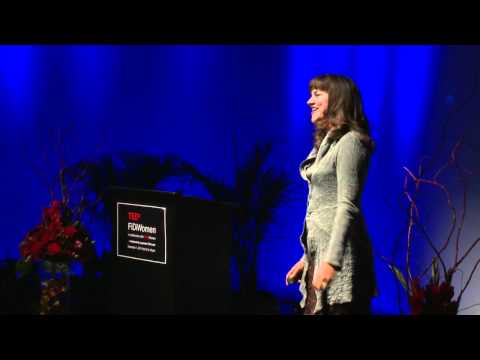
【TEDx】TEDxFiDiWomen - Lissa Rankin - The Shocking Truth About Your Health
0
鄭乃銘 posted on 2013/09/06Ever wondered what 'health' truly means beyond just physical well-being? This talk dives into the shocking truth about our health, exploring mind-body medicine and the power of emotional honesty to help you find your inner pilot light. You'll pick up advanced vocabulary and gain insights into integrative medicine and healthy relationships!
Learn this video on the APP!
The VoiceTube App has more in-depth practice for videos!