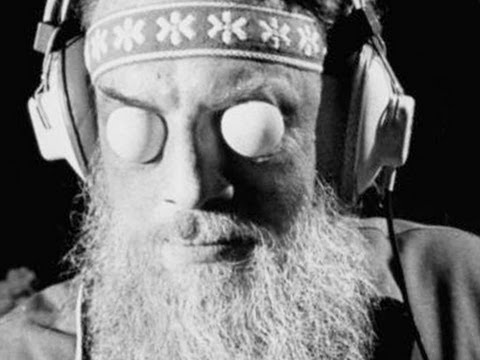

abnormal
US /æbˈnɔ:rml/
UK /æbˈnɔ:ml/
- Adjective
- Not normal, not typical, not usual, not regular
- Relating to behavior that deviates from the norm.
B1Moreabuse
US /əˈbjuz/
UK /ə'bju:s/
- Transitive Verb
- To mistreat or be cruel towards someone
- To use in an inappropriate or excessive way
- Noun (Countable/Uncountable)
- Improper/dishonest/excessive use of something
- Insulting someone, e.g. by swearing at them
A2TOEICMoreabusive
US /əˈbjusɪv, -zɪv/
UK /əˈbju:sɪv/
- Adjective
- Saying or doing bad or cruel things to others
- Engaging in behavior that is cruel, violent, or harmful to another person.
A2Moreact out
US /ækt aʊt/
UK /ækt aut/
- Phrasal Verb
- To perform a role before going on stage; practice
- To perform or represent something through actions.
A1Moreaddiction
US /əˈdɪkʃən/
UK /əˈdɪkʃn/
- Noun (Countable/Uncountable)
- Lack of control the overuse of something e.g. drugs
- A compulsive physiological need for a habit-forming substance.
B1TOEICMoreanxiety
US /æŋˈzaɪɪti/
UK /æŋ'zaɪətɪ/
- Uncountable Noun
- A feeling of worry, nervousness, or unease about something that might happen, especially when the outcome is uncertain.
B1Moreas well as
US /æz wɛl æz/
UK /æz wel æz/
- Adverb
- Also; in addition to
- Preposition
- In addition to; and also.
A1Moreattentive
US /əˈtɛntɪv/
UK /əˈtentɪv/
- Adjective
- Thoughtful and considerate
- Paying attention to; concentrating on
B2TOEICMorebarrel
US /ˈbærəl/
UK /'bærəl/
- Intransitive Verb
- To travel at high speed
- Countable Noun
- A round container with curved sides and flat ends
- Straight tube from which a bullet exits a gun
B1Morebased on
US
UK
- Phrasal Verb
- To use something as the foundation or starting point for something else.
- Preposition
- Using something as the main idea or foundation.
- Relying on something as evidence or justification.
A1Moreboredom
US /ˈbɔrdəm, ˈbor-/
UK /ˈbɔ:dəm, ˈbəʊr-/
- Uncountable Noun
- Feeling of being uninterested or unexcited
B1Morebureau
US /ˈbjʊro/
UK /'bjʊərəʊ/
- Noun
- Administrative unit of government
B1Morechamber
US /ˈtʃembɚ/
UK /'tʃeɪmbə(r)/
- Countable Noun
- Enclosed space that contains something
- Large room that is used for official meetings
B1TOEICMoreconfine
US /kənˈfaɪn/
UK /kənˈfaɪn/
- Transitive Verb
- To hold or imprison someone in a place
- Limit to your movements or behavior s
B1Morecontact
US /ˈkɑnˌtækt/
UK /'kɒntækt/
- Adjective
- Touching or feeling something
- Noun (Countable/Uncountable)
- Touching or feeling something
- Object that allows electricity to run through it
A2Morecorrelate
US /ˈkɔ:rəleɪt/
UK /ˈkɒrəleɪt/
- Verb (Transitive/Intransitive)
- To have/show the relationship between two things
- To have a mutual relationship or connection; to establish a systematic connection.
- Noun
- Something that is mutually related to or associated with something else.
B1TOEICMoreculprit
US /ˈkʌlprɪt/
UK /ˈkʌlprɪt/
- Countable Noun
- Person who has done something wrong or illegal
- Noun
- a cause or reason for the problem
B2Moredelusional
US /dɪ'lu:ʒnəl/
UK /dɪ'lu:ʒnəl/
- Adjective
- Suffering false beliefs based on little evidence
- Suffering from delusions.
B2Moredeny
US /dɪˈnaɪ/
UK /dɪ'naɪ/
- Transitive Verb
- To refuse to allow or accept something
A2TOEICMoredisgust
US /dɪsˈɡʌst/
UK /dɪs'ɡʌst/
- Uncountable Noun
- Strong feeling of dislike for something
- Something that causes a feeling of revulsion or strong disapproval.
- Transitive Verb
- To cause a strong negative reaction or feeling
B2Moreemotion
US /ɪˈmoʃən/
UK /iˈməuʃən/
- Noun (Countable/Uncountable)
- A feeling such as sadness, anger or love
- A mental state that arises spontaneously rather than through conscious effort
A2Moreevidence of
US
UK
- Phrase
- Facts, objects, or signs that make you believe that something is true.
- Something that shows that something else exists or is true.
A1Moreexistence
US /ɪɡˈzɪstəns/
UK /ɪɡ'zɪstəns/
- Uncountable Noun
- State of being present, alive or real
- A way of living; the manner in which someone lives.
A2TOEICMoreextensively
US /ɪkˈstɛnsɪvlɪ/
UK /ɪk'stensɪvlɪ/
- Adverb
- Very much or often; to a large degree
- In a widespread manner; to a great extent.
B2Moreferal
US /ˈfɪrəl, ˈfɛr-/
UK /ˈferəl/
- Adjective
- Wild; behaving like a wild animal
C1TOEICMorefor instance
US /fɔr ˈɪnstəns/
UK /fɔ: ˈinstəns/
- Adverb
- As an example.
- Phrase
- As an example.
- As an illustration or case in point
B1Morefor long
US
UK
- Phrase
- For a considerable period of time.
- For a significant duration in the future.
A1Morefor sure
US /fɔr ʃʊr/
UK /fɔ: ʃuə/
- Adverb
- Definitely; certainly; without a doubt.
- Used to emphasize a statement.
- Interjection
- An expression of strong agreement or affirmation.
A2Moregenie
US /ˈdʒini/
UK /'dʒi:nɪ/
- Noun
- Magic spirit that can make wishes come true
C1Morehostility
US /hɑ:ˈstɪləti/
UK /hɒˈstɪləti/
- Uncountable Noun
- Hostile action; an act of war
B1Morehypothetical
US /ˌhaɪpəˈθɛtɪkəl/
UK /ˌhaɪpəˈθetɪkl/
- Adjective
- Thought up, as an example; not being a real case
- Of the nature of a hypothesis; conjectural; provisional.
- Noun
- A hypothetical example or case.
- A hypothetical situation or scenario.
B2Morein a sense
US /ɪn e sɛns/
UK /in ə sens/
- Phrase
- In one way of thinking; to some extent; in some ways.
B1Morein circles
US
UK
- Phrase
- Moving or going around and around; not progressing.
- To discuss something without making any progress or reaching a conclusion.
A2Morein fact
US /ɪn fækt/
UK /in fækt/
- Adverb
- Used to emphasize the truth of a statement, especially one that contrasts with or contradicts something else.
- Used to introduce a more detailed or surprising piece of information.
- Phrase
- Used to emphasize the truth of a statement, especially one that is surprising or contrary to what might be expected.
C1Morein itself
US /ɪn ɪtˈsɛlf/
UK /in itˈself/
- Phrase
- Considered alone or without reference to anything else; intrinsically.
- Essentially; by its very nature.
in line with
US /ɪn laɪn wɪð/
UK /in lain wið/
- Phrase
- In agreement with; conforming to.
- In the same direction or alignment as.
- Preposition
- In agreement or conformity with.
A2Morein order to
US /ɪn ˈɔrdɚ tu/
UK /in ˈɔ:də tu:/
- Preposition
- For the purpose of; with the aim of.
- Phrase
- In a specific sequence or arrangement.
- With the aim of; for the purpose of.
C1Morein the middle of
US
UK
- Phrase
- In the central part or point of something.
- Engaged or occupied with something.
A2Moreindividual
US /ˌɪndəˈvɪdʒuəl/
UK /ˌɪndɪˈvɪdʒuəl/
- Countable Noun
- Single person, looked at separately from others
- A single thing or item, especially when part of a set or group.
- Adjective
- Made for use by one single person
- Having a distinct manner different from others
A2Moreinduce
US /ɪnˈdus, -ˈdjus/
UK /ɪn'dju:s/
- Transitive Verb
- To make someone do something; create an outcome
- To make a woman give birth by giving her medicine
B1TOEICMoreinflict
US /ɪnˈflɪkt/
UK /ɪn'flɪkt/
- Transitive Verb
- To make someone endure (something bad)
B2TOEICMoreinstance
US /ˈɪnstəns/
UK /'ɪnstəns/
- Noun (Countable/Uncountable)
- An example of something; case
- An occurrence of something.
- Transitive Verb
- To give as an example of something else
A2TOEICMoremake up
US /mek ʌp/
UK /meik ʌp/
- Phrasal Verb
- To invent or create a story
- To add up to
- Verb (Transitive/Intransitive)
- To invent a story, excuse, etc.
- To compensate for something lost, missed, or deficient.
A1Moremedical center
US
UK
- Noun
- A facility providing comprehensive healthcare services, including diagnosis, treatment, and rehabilitation.
monotonous
US /məˈnɑ:tənəs/
UK /məˈnɒtənəs/
- Adjective
- Lacking in variety; always the same, and so boring
- Lacking in variation in tone or pitch.
C1Moreneurological
US /ˌnjʊrəˈlɑdʒɪkəl/
UK /ˌnjʊərəˈlɒdʒɪkl/
- Adjective
- Concerning, used in or practicing neurology
B2Moreoverload
US /ˌovɚˈlod/
UK /ˌəʊvə'ləʊd/
- Transitive Verb
- To make a machine work too hard so it might break
- To cause someone or something to work too hard
- Noun (Countable/Uncountable)
- Too much of something
B2Morephysiology
US /ˌfɪziˈɑ:lədʒi/
UK /ˌfɪziˈɒlədʒi/
- Uncountable Noun
- Ways in which the parts of a living thing operate
B2Morepossess
US /pəˈzɛs/
UK /pəˈzes/
- Transitive Verb
- To enter a person's mind or body as a spirit
- To have or own something
A2TOEICMoreprocess
US /ˈprɑsˌɛs, ˈproˌsɛs/
UK /prə'ses/
- Transitive Verb
- To organize and use data in a computer
- To deal with official forms in the way required
- Noun (Countable/Uncountable)
- Dealing with official forms in the way required
- Set of changes that occur slowly and naturally
A2TOEICMorepropensity
US /prəˈpɛnsɪti/
UK /prəˈpensəti/
- Noun
- Natural tendency to behave in a particular way
B2TOEICMorepsychology
US /saɪˈkɑlədʒi/
UK /saɪ'kɒlədʒɪ/
- Uncountable Noun
- The study of the mind and how it affects behavior
- Way in which a person or group thinks and behaves
C2Morepurpose
US /ˈpɚpəs/
UK /'pɜ:pəs/
- Noun (Countable/Uncountable)
- Reason for which something is done; aim; goal
- A person's sense of resolve or determination.
- Adverb
- With clear intention or determination.
- Intentionally; deliberately.
A2TOEICMoreput off
US /pʊt ɔf/
UK /put ɔf/
- Phrasal Verb
- To take off, e.g. clothing
- To delay until a later date
A1Morerancid
US /'rænsɪd/
UK /ˈrænsɪd/
- Adjective
- With an unpleasant smell or taste, like sour milk
C1Morerepetitive
US /rɪˈpɛtɪtɪv/
UK /rɪˈpetətɪv/
- Adjective
- Doing or saying the same things many times
B2Morerequire
US /rɪˈkwaɪr/
UK /rɪ'kwaɪə(r)/
- Transitive Verb
- To demand that someone does something
- To need to do something, to make it necessary
A2TOEICMoreset by
US
UK
- Phrasal Verb
- To separate and save for another use or time
A1Moresit down
US /sit daʊn/
UK /sit daun/
- Phrasal Verb
- To take a seat
A1Moresolitude
US /ˈsɑlɪˌtud, -ˌtjud/
UK /'sɒlɪtju:d/
- Uncountable Noun
- State of preferring to be alone
B2Morespoil
US /spɔɪl/
UK /spɔɪl/
- Transitive Verb
- To damage something, usually by treating it poorly
- To overindulge and harm the character of a child
- Intransitive Verb
- (Of food) to go bad
A2Morestimulate
US /ˈstɪmjəˌlet/
UK /'stɪmjʊleɪt/
- Transitive Verb
- To arouse or excite emotionally
B1Morestimulation
US /ˌstɪmjʊ'leɪʃn/
UK /ˌstɪmjʊ'leɪʃn/
- Uncountable Noun
- Arousal of interest or emotions
B1Moresuburbia
US /səˈbɜ:rbiə/
UK /səˈbɜ:biə/
- Noun
- Residential area on the outskirts of a city
C2Moresymptom
US /ˈsɪmtəm, ˈsɪmp-/
UK /'sɪmptəm/
- Noun
- Sign that suggests that there is a problem
B1Moretactile
US /ˈtæktəl, -ˌtaɪl/
UK /ˈtæktaɪl/
- Adjective
- Concerning touch; enjoys touching
- Perceptible to the touch; having a texture that can be felt.
C1Moretemporarily
US /tempəˈrerɪlɪ/
UK /tempəˈrerɪlɪ/
- Adverb
- For a limited amount of time
- In a way that is not intended to be permanent or lasting
A2Moretend
US /tɛnd/
UK /tend/
- Intransitive Verb
- To move or act in a certain manner
- Transitive Verb
- To take care of
A2Morethink about
US /θɪŋk əˈbaʊt/
UK /θiŋk əˈbaut/
- Phrasal Verb
- To consider something carefully.
- To remember or call to mind.
A1Moretoxic
US /ˈtɑksɪk/
UK /ˈtɒksɪk/
- Adjective
- Poisonous; harmful
- (Of relationships) harmful; causing conflict
B2Moretrivial
US /ˈtrɪviəl/
UK /'trɪvɪəl/
- Adjective
- Small; unimportant; worthless
- Easy and simple
B2TOEICMoretuned to
US
UK
- Phrasal Verb
- To adjust a radio receiver to the frequency of a particular station.
- To adjust or adapt to something.
A2Moreward
US /wɔ:rd/
UK /wɔ:d/
- Proper Noun
- Person's name
- Noun
- Child legally protected and cared for by a court
- Section or part of a town or city
B1Morewith just
US
UK
- Phrase
- Using only; with no more than.
- Barely; by a narrow margin.
A2More
Vocabulary
- for instance: As an example.
- in order to: For the purpose of; with the aim of.
- in circles: Moving or going around and around; not progressing.
- evidence of: Facts, objects, or signs that make you believe that something is true.
- with just: Using only; with no more than.
- in itself: Considered alone or without reference to anything else; intrinsically.
- for sure: Definitely; certainly; without a doubt.
- in line with: In agreement with; conforming to.
- think about: To consider something carefully.
- put off: To take off, e.g. clothing
- in a sense: In one way of thinking; to some extent; in some ways.
- in fact: Used to emphasize the truth of a statement, especially one that contrasts with or contradicts something else.
- medical center: A facility providing comprehensive healthcare services, including diagnosis, treatment, and rehabilitation.
- act out: To perform a role before going on stage; practice
- make up: To invent or create a story
- tuned to: To adjust a radio receiver to the frequency of a particular station.
- as well as: Also; in addition to
- for long: For a considerable period of time.
- in the middle of: In the central part or point of something.
- set by: To separate and save for another use or time
- based on: To use something as the foundation or starting point for something else.
- sit down: To take a seat
- anxiety: A feeling of worry, nervousness, or unease about something that might happen, especially when the outcome is uncertain.
- individual: Single person, looked at separately from others
- process: To organize and use data in a computer
- evidence: Factual proof that helps to establish the truth
- instance: An example of something; case
- tend: To move or act in a certain manner
- dopamine: Drug used to treat shock and hypotension
- culprit: Person who has done something wrong or illegal
- sense: Certain mental feeling or emotion
- purpose: Reason for which something is done; aim; goal
- symptom: Sign that suggests that there is a problem
- hypothetical: Thought up, as an example; not being a real case
- psychology: The study of the mind and how it affects behavior
- toxic: Poisonous; harmful
- existence: State of being present, alive or real
- trivial: Small; unimportant; worthless
- stimulate: To arouse or excite emotionally
- solitude: State of preferring to be alone
- abuse: To mistreat or be cruel towards someone
- addiction: Lack of control the overuse of something e.g. drugs
- state: Region within a country, with its own government
- brain: To strike someone forcefully on the head
- require: To demand that someone does something
- possess: To enter a person's mind or body as a spirit
- contact: Touching or feeling something
- effect: An advantage, benefit
- spoil: To damage something, usually by treating it poorly
- temporarily: For a limited amount of time
- repetitive: Doing or saying the same things many times
- deny: To refuse to allow or accept something
- induce: To make someone do something; create an outcome
- abusive: Saying or doing bad or cruel things to others
- neurological: Concerning, used in or practicing neurology
- chamber: Enclosed space that contains something
- social: Involving activity with people, e.g. in free time
- boredom: Feeling of being uninterested or unexcited
- delusional: Suffering false beliefs based on little evidence
- mind: To be bothered or upset by something
- activity: An action or task, e.g. sports, washing clothes
- emotion: A feeling such as sadness, anger or love
- inflict: To make someone endure (something bad)
- hostility: Hostile action; an act of war
- order: Religious or social group, as of nuns
- fact: Something that is known or proved to be true
- tactile: Concerning touch; enjoys touching
- language: Words or signs used to communicate messages
- barrel: To travel at high speed
- build: Your physical shape; physique
- worse: Comparative of 'bad'; more bad
- monotonous: Lacking in variety; always the same, and so boring
- stimulation: Arousal of interest or emotions
- perfect: So good it cannot be improved
- attentive: Thoughtful and considerate
- correlate: To have/show the relationship between two things
- disgust: Strong feeling of dislike for something
- ward: Person's name
- abnormal: Not normal, not typical, not usual, not regular
- bureau: Administrative unit of government
- confine: To hold or imprison someone in a place
- physiology: Ways in which the parts of a living thing operate
- rancid: With an unpleasant smell or taste, like sour milk
- extensively: Very much or often; to a large degree
- feral: Wild; behaving like a wild animal
- propensity: Natural tendency to behave in a particular way
- overload: To make a machine work too hard so it might break
- genie: Magic spirit that can make wishes come true
- suburbia: Residential area on the outskirts of a city
Get the full experience in the app
Learn anywhere with detailed sentence and usage analysis
01:03
She took a brave step forward, leaving behind her comfort zone to chase her dreams.
Vocabulary
- brave
adj. Having courage
- comfort zone
phr. A familiar situation where one feels safe
Explanation
a brave step is a noun phrase, where brave is an adjective modifying the noun step, meaning "a courageous step".
forward is an adverb modifying step, meaning "ahead".
The whole phrase serves as the object, answering the "what" of took (verb) — she took a brave step forward.
Get the full experience in the app
Look up words anytime with pronunciation, part of speech, and usage
brave
US/brev/
UK/breɪv/
adj.Brave
v.t.To bravely face
A2 Elementary
Get the full experience in the app
Practice speaking anytime and get instant pronunciation feedback
Try this speaking exercise.
Try practicing with this sentence.
80
0
Howard Lin posted on 2018/02/12Ever wondered why boredom hits and what it's actually doing to your brain? This fascinating video dives into the neuroscience and psychology of boredom, exploring how it can actually spark creativity and lead to that elusive 'flow state'. You'll pick up some advanced vocabulary and gain a deeper cultural understanding of this common human experience!
Learn this video on the APP!
The VoiceTube App has more in-depth practice for videos!