
access
US /ˈæksɛs/
UK /'ækses/
- Noun (Countable/Uncountable)
- Way to enter a place, e.g. a station or stadium
- The opportunity or right to use something or to see someone.
- Transitive Verb
- To be able to use or have permission to use
A2TOEICMoreadorable
US /əˈdɔrəbəl,əˈdor-/
UK /əˈdɔ:rəbl/
- Adjective
- Lovable or appealing, e.g. like a cute child
B2Moreaggression
US /əˈɡrɛʃən/
UK /əˈgreʃn/
- Uncountable Noun
- Use of energy and determination to achieve a goal
- Hostile or violent behavior or attitudes toward another; readiness to attack or confront.
B1Moreattempt
US /əˈtɛmpt/
UK /ə'tempt/
- Verb (Transitive/Intransitive)
- To try to do something challenging or difficult
- Noun
- Effort made to try to do or accomplish something
A2TOEICMoreattentive
US /əˈtɛntɪv/
UK /əˈtentɪv/
- Adjective
- Thoughtful and considerate
- Paying attention to; concentrating on
B2TOEICMorebark
US /bɑ:rk/
UK /bɑ:k/
- Intransitive Verb
- To make the loud sound of a dog (when angry)
- Noun
- Sound made by a dog
- Tough outer covering of a tree or other plant
B1Morebased on
US
UK
- Phrasal Verb
- To use something as the foundation or starting point for something else.
- Preposition
- Using something as the main idea or foundation.
- Relying on something as evidence or justification.
A1Morebias
US /ˈbaɪəs/
UK /'baɪəs/
- Noun (Countable/Uncountable)
- Preference to believe things even if incorrect
- A systematic error in a statistical result
- Transitive Verb
- To unfairly favor one view over another
- To cause someone to have prejudice
B1TOEICMorebreed
US /brid/
UK /bri:d/
- Noun
- Kind of / sort of
- Particular kind of animal, e.g. a Labrador dog
- Verb (Transitive/Intransitive)
- To create situations for a (bad) thing to happen
- To produce baby animals of specific kinds
A2Morebutt
US /bʌt/
UK /bʌt/
- Noun
- (Informal) fleshy part of your body you sit on
- The thick end of something, especially a cigarette.
- Verb (Transitive/Intransitive)
- To share a boundary by being next to
- To strike, push, or shove (someone or something) with the head.
B2Morecanine
US /ˈkenaɪn/
UK /ˈkeɪnaɪn/
- Countable Noun
- Long, pointed tooth
- a dog
- Adjective
- of or relating to dogs
- Relating to or resembling a dog or dogs.
C1Morecommunity
US /kəˈmjunɪti/
UK /kə'mju:nətɪ/
- Noun (Countable/Uncountable)
- Group of people who share a common idea or area
- A feeling of fellowship with others, as a result of sharing common attitudes, interests, and goals.
- Adjective
- Relating to or shared by the people in a particular area.
- Shared or participated in by all members of a group
A2Moreconfirmation
US /ˌkɑ:nfərˈmeɪʃn/
UK /ˌkɒnfəˈmeɪʃn/
- Noun (Countable/Uncountable)
- Approval or check of something
- Statement something is real, true or accurate
B1Morecuriosity
US /ˌkjʊriˈɑsɪti/
UK /ˌkjʊərɪ'ɒsətɪ/
- Noun (Countable/Uncountable)
- Something unusual and perhaps worthy of collecting
- Eager desire to learn more about something
B1Morediffer
US /ˈdɪfɚ/
UK /'dɪfə(r)/
- Intransitive Verb
- To be different; to be not like others
- Disagree; be of a different opinion.
B1Moreever since
US /ˈɛvɚ sɪns/
UK /ˈevə sins/
- Adverb
- Continuously from a past time until now.
- Conjunction
- From the time that; because.
B2Moreexclusive
US /ɪkˈsklusɪv/
UK /ɪk'sklu:sɪv/
- Adjective
- Being available only to people with a lot of money
- Available to only a particular person, group
B1TOEICMorefellow
US /ˈfɛlo/
UK /'feləʊ/
- Noun (Countable/Uncountable)
- Man or a boy
- Student paid to study and teach after college
- Adjective
- Being of the same kind
- Sharing a particular activity, situation, or characteristic.
A2TOEICMoreguard
US /ɡɑrd/
UK /ɡɑ:d/
- Transitive Verb
- To keep watch over something to protect it
- Noun (Countable/Uncountable)
- Someone who watches a place or prevents escapes
- A player in basketball whose primary role is to handle the ball and initiate the offense.
A2Morehistorical
US /hɪˈstɔrɪkəl,-ˈstɑr-/
UK /hɪˈstɒrɪkl/
- Adjective
- Connected with the past
B1Moreignore
US /ɪɡˈnɔr, -ˈnor/
UK /ɪɡ'nɔ:(r)/
- Transitive Verb
- To not listen to, look at, or pay attention to
A2TOEICMorein fact
US /ɪn fækt/
UK /in fækt/
- Adverb
- Used to emphasize the truth of a statement, especially one that contrasts with or contradicts something else.
- Used to introduce a more detailed or surprising piece of information.
- Phrase
- Used to emphasize the truth of a statement, especially one that is surprising or contrary to what might be expected.
C1Moreindividual
US /ˌɪndəˈvɪdʒuəl/
UK /ˌɪndɪˈvɪdʒuəl/
- Countable Noun
- Single person, looked at separately from others
- A single thing or item, especially when part of a set or group.
- Adjective
- Made for use by one single person
- Having a distinct manner different from others
A2Moreintelligence
US /ɪnˈtɛlədʒəns/
UK /ɪn'telɪdʒəns/
- Uncountable Noun
- Collection of secret information about something
- Ability to learn things or to consider situations
- Adjective
- Of the spying services; acting in secrecy
A2TOEICMorejudge
US /dʒʌdʒ/
UK /dʒʌdʒ/
- Noun (Countable/Uncountable)
- Person who decides on the results of a contest
- Person who has the power to make a decision
- Verb (Transitive/Intransitive)
- To reach a decision about who won a contest
- To form an opinion after careful consideration
A2TOEICMoreplanet
US /ˈplænɪt/
UK /'plænɪt/
- Noun (Countable/Uncountable)
- One of the bodies that orbit the sun
- A different world or sphere of existence.
- Proper Noun
- The earth.
A2Morepsychology
US /saɪˈkɑlədʒi/
UK /saɪ'kɒlədʒɪ/
- Uncountable Noun
- The study of the mind and how it affects behavior
- Way in which a person or group thinks and behaves
C2Morerandom
US /ˈrændəm/
UK /'rændəm/
- Adjective
- Chosen, done without a particular plan or pattern
B1Moreresearch
US /rɪˈsɚtʃ, ˈriˌsɚtʃ/
UK /rɪ'sɜ:tʃ/
- Verb (Transitive/Intransitive)
- To study in order to discover new ideas and facts
- To study the market relating to marketing products and services.
- Noun (Countable/Uncountable)
- Study done to discover new ideas and facts
- A particular area or topic of study.
A2TOEICMorereveal
US /rɪˈvil/
UK /rɪ'vi:l/
- Transitive Verb
- To show something that was hidden before
A2TOEICMoresection
US / ˈsɛkʃən/
UK /'sekʃn/
- Noun (Countable/Uncountable)
- A part of a whole
- Specific group of people from a larger group
- Transitive Verb
- To divide something into smaller parts
B1TOEICMoreseek
US /sik/
UK /si:k/
- Transitive Verb
- To ask someone for help
- To search for; try to find or do; look for
A2TOEICMoreseek out
US /sik aʊt/
UK /si:k aut/
- Phrasal Verb
- To look for and find someone or something, especially when it is not easy to find.
B2Moresniff
US /snɪf/
UK /snɪf/
- Verb (Transitive/Intransitive)
- To detect something, e.g. a potential problem
- To breathe in noisily through nose, as when crying
- Noun
- A noisy breath through your nose
B1Moresnuggle
US /ˈsnʌɡəl/
UK /ˈsnʌgl/
- Intransitive Verb
- To put yourself into a warm, comfortable position
C1Morespectator
US /ˈspekteɪtər/
UK /spekˈteɪtə(r)/
- Countable Noun
- Someone who watches an event
B1Morespot
US /spɑt/
UK /spɒt/
- Noun
- A certain place or area
- A difficult time; awkward situation
- Transitive Verb
- To see someone or something by chance
A2TOEICMoresubscribe
US /səbˈskraɪb/
UK /səb'skraɪb/
- Verb (Transitive/Intransitive)
- To regularly pay to receive a service
B1TOEICMorethink about
US /θɪŋk əˈbaʊt/
UK /θiŋk əˈbaut/
- Phrasal Verb
- To consider something carefully.
- To remember or call to mind.
A1Moreturned out
US
UK
- Phrasal Verb
- To arrive for a public event or entertainment
- To happen to be in the end
- Transitive Verb
- To extinguish or switch off lights.
A1Moreweird
US /wɪrd/
UK /wɪəd/
- Adjective
- Odd or unusual; surprising; strange
- Eerily strange or disturbing.
B1Moreweirder
US
UK
- Adjective
- More odd or unusual
B1More
Vocabulary
- ever since: Continuously from a past time until now.
- based on: To use something as the foundation or starting point for something else.
- think about: To consider something carefully.
- turned out: To arrive for a public event or entertainment
- in fact: Used to emphasize the truth of a statement, especially one that contrasts with or contradicts something else.
- seek out: To look for and find someone or something, especially when it is not easy to find.
- weird: Odd or unusual; surprising; strange
- subscribe: To regularly pay to receive a service
- individual: Single person, looked at separately from others
- access: Way to enter a place, e.g. a station or stadium
- reveal: To show something that was hidden before
- evidence: Factual proof that helps to establish the truth
- adorable: Lovable or appealing, e.g. like a cute child
- common: Area in a city or town that is open to everyone
- attempt: To try to do something challenging or difficult
- intelligence: Collection of secret information about something
- exclusive: Being available only to people with a lot of money
- bias: Preference to believe things even if incorrect
- spot: A certain place or area
- community: Group of people who share a common idea or area
- random: Chosen, done without a particular plan or pattern
- describe: To tell the appearance, sound, smell of something
- psychology: The study of the mind and how it affects behavior
- imagine: To think creatively about; form mental picture of
- research: To study in order to discover new ideas and facts
- butt: (Informal) fleshy part of your body you sit on
- ignore: To not listen to, look at, or pay attention to
- similar: Nearly the same; alike
- judge: Person who decides on the results of a contest
- perform: To carry out an action well or successfully
- section: A part of a whole
- curiosity: Something unusual and perhaps worthy of collecting
- seek: To ask someone for help
- planet: One of the bodies that orbit the sun
- pretty: Being attractive to the eye in a simple way
- breed: Kind of / sort of
- fellow: Man or a boy
- sniff: To detect something, e.g. a potential problem
- snuggle: To put yourself into a warm, comfortable position
- suggest: To mention something that could be done; propose
- guard: To keep watch over something to protect it
- aggression: Use of energy and determination to achieve a goal
- british: Concerning the culture and people of British
- fact: Something that is known or proved to be true
- continue: To do something without stopping, or after pausing
- act: To behave in a certain way
- canine: Long, pointed tooth
- support: To give assistance or advice to someone
- spectator: Someone who watches an event
- attentive: Thoughtful and considerate
- turn: To become (a particular age)
- make: To arrange or prepare something e.g. dinner
- historical: Connected with the past
- bark: To make the loud sound of a dog (when angry)
- confirmation: Approval or check of something
- differ: To be different; to be not like others
- weirder: More odd or unusual
Get the full experience in the app
Learn anywhere with detailed sentence and usage analysis
01:03
She took a brave step forward, leaving behind her comfort zone to chase her dreams.
Vocabulary
- brave
adj. Having courage
- comfort zone
phr. A familiar situation where one feels safe
Explanation
a brave step is a noun phrase, where brave is an adjective modifying the noun step, meaning "a courageous step".
forward is an adverb modifying step, meaning "ahead".
The whole phrase serves as the object, answering the "what" of took (verb) — she took a brave step forward.
Get the full experience in the app
Look up words anytime with pronunciation, part of speech, and usage
brave
US/brev/
UK/breɪv/
adj.Brave
v.t.To bravely face
A2 Elementary
Get the full experience in the app
Practice speaking anytime and get instant pronunciation feedback
Try this speaking exercise.
Try practicing with this sentence.
80
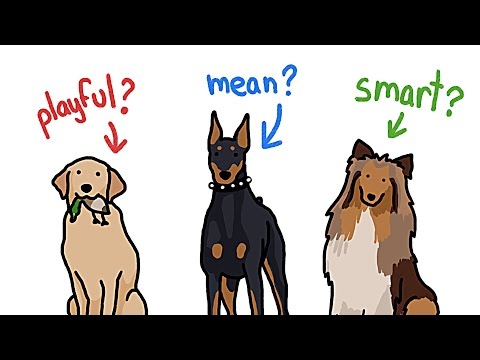
How Different Are Different Types of Dogs?
0
HsiangLanLee posted on 2025/07/18Ever wondered if your dog's breed *really* matters for their personality? This fun video from MinuteEarth dives into dog breed groups and debunks common myths, helping you understand canine intelligence and avoid confirmation bias. You'll pick up some great vocabulary while learning fascinating facts about our furry friends!
Learn this video on the APP!
The VoiceTube App has more in-depth practice for videos!