
biological
US /ˌbaɪəˈlɑdʒɪkəl/
UK /ˌbaɪəˈlɒdʒɪkl/
- Adjective
- Being related to life and living things
- A substance, such as a detergent, that contains enzymes.
B1Moreburst
US /bɚst/
UK /bɜ:st/
- Verb (Transitive/Intransitive)
- To move (arrive, exit, etc.) suddenly or hurriedly
- To break apart/open in a sudden and violent way
- Noun
- Brief time period when something happens and ends
- A sudden outbreak or display of something.
A2Morecapacity
US /kəˈpæsɪti/
UK /kə'pæsətɪ/
- Noun (Countable/Uncountable)
- Ability to hold, involve or contain (e.g. liquids)
- Largest amount of something that can be produced
B1Morechin
US /tʃɪn/
UK /tʃɪn/
- Noun
- Part of your face below your mouth above your neck
B2Moreclinical
US /ˈklɪnɪkəl/
UK /ˈklɪnɪkl/
- Adjective
- Concerning the treatment or observing patients
- Using scientific techniques and precision
B1Morecome at
US /kʌm æt/
UK /kʌm æt/
- Phrasal Verb
- To approach someone to attack them
A1Morecomponent
US /kəmˈponənt/
UK /kəmˈpəʊnənt/
- Noun (Countable/Uncountable)
- One of the parts that something is made up of
- A constituent part; ingredient.
- Adjective
- Being a part of something
A2Moreconduct
US / kənˈdʌkt/
UK /kənˈdʌkt/
- Uncountable Noun
- Your behavior
- Verb (Transitive/Intransitive)
- To behave in a certain way; e.g. at a party
- To let electricity or heat travel through
B1TOEICMoreconvert
US /kənˈvɚt/
UK /kən'vɜ:t/
- Verb (Transitive/Intransitive)
- To switch from a religion, belief etc. to another
- To change form, character, or function to another
- Countable Noun
- Person switching from one belief system to another
A2Morecrisis
US /ˈkraɪsɪs/
UK /'kraɪsɪs/
- Noun (Countable/Uncountable)
- Unstable situation of extreme danger or difficulty
- A turning point in a disease.
B1Moredeprivation
US /ˌdɛprəˈveʃən/
UK /ˌdeprɪˈveɪʃn/
- Uncountable Noun
- State of lacking something needed
- The state of lacking or being denied something considered necessary.
B2Moredeprive
US /dɪˈpraɪv/
UK /dɪˈpraɪv/
- Transitive Verb
- To deny someone access to or take away something
B2Moredevice
US /dɪˈvaɪs/
UK /dɪˈvaɪs/
- Noun (Countable/Uncountable)
- Object, machine, or equipment for a specific use
- Method of doing something; a way
A2TOEICMorediabetes
US /ˌdaɪəˈbitɪs, -tiz/
UK /ˌdaɪəˈbi:ti:z/
- Noun (Countable/Uncountable)
- Illness where there is too much sugar in the blood
- A form of diabetes, usually diagnosed in children and young adults, in which the body does not produce insulin.
B2Moredisorder
US /dɪsˈɔrdɚ/
UK /dɪs'ɔ:də(r)/
- Uncountable Noun
- State of confusion or a lack of organization
- Illness when the body is not functioning well
- Transitive Verb
- To disrupt the order or arrangement of something.
B2Moredrain
US /dren/
UK /dreɪn/
- Noun (Countable/Uncountable)
- Hole or pipe that water, waste etc. flows into
- Something that depletes resources or energy.
- Transitive Verb
- To empty or remove liquid from
- To use up the energy/ money/power of something
B1Moreefficient
US /ɪˈfɪʃənt/
UK /ɪˈfɪʃnt/
- Adjective
- Able to produce results without waste
- Capable of producing desired results with little or no waste (of time, energy, or other resources).
A2TOEICMoreempathy
US /ˈɛmpəθi/
UK /ˈempəθi/
- Uncountable Noun
- Understanding how other people feel/suffer
- The ability to understand and share the feelings of another, especially when those feelings are negative or painful
B2TOEICMoreenergy level
US
UK
- Noun (Countable/Uncountable)
- A measure of a person's physical or mental vitality.
- A person's overall state of mind and enthusiasm.
B1Moreexposure
US /ɪkˈspoʒɚ/
UK /ɪk'spəʊʒə(r)/
- Noun
- Allowing light through a cameras lens onto film
- Being talked about in the media
A2TOEICMorefor myself
US /fɚ maɪˈsɛlf/
UK /fə maɪˈself/
- other
- Done for one's own benefit or use.
A1Morefor some reason
US /fɔr sʌm ˈrizən/
UK /fɔ: sʌm ˈri:zən/
- Phrase
- For a reason that is not known or not easily explained.
A1Morefrequency
US /ˈfrikwənsi/
UK /'fri:kwənsɪ/
- Uncountable Noun
- Number of repetitions of (radio or sound) wave
- How often something happens
B1TOEICMoregadget
US /ˈɡædʒɪt/
UK /ˈgædʒɪt/
- Countable Noun
- Interesting or unusual tool with a practical use
B2Moregenerally
US /ˈdʒɛnərəli/
UK /ˈdʒenrəli/
- Adverb
- Usually; as a rule; by, to or for most people
A2Moregrant
US /ɡrænt/
UK /ɡrɑ:nt/
- Transitive Verb
- To admit an opinion is true but not fully agreeing
- To give or let someone do what they want
- Uncountable Noun
- Money given for education or research
A2TOEICMorehabitat
US /ˈhæbɪˌtæt/
UK /'hæbɪtæt/
- Noun (Countable/Uncountable)
- Natural place where a plant or animal lives
B1Morehack
US /hæk/
UK /hæk/
- Transitive Verb
- To illegally access someone else's computer
- To cut away plants and branches to make a path
- Noun (Countable/Uncountable)
- Dry cough
- Horse for hire to work or pull a vehicle for a fee
B1TOEICMorehave on
US /hæv ɑn/
UK /hæv ɔn/
- Phrasal Verb
- To be wearing something.
- To deceive or trick someone, often in a playful way.
A1Morehook
US /hʊk/
UK /hʊk/
- Noun (Countable/Uncountable)
- Bent tool used to catch fish or to hang things on
- The start of a story which catches your interest
- Transitive Verb
- To make a bent or curved shape
- To catch your interest completely
B1Morein order to
US /ɪn ˈɔrdɚ tu/
UK /in ˈɔ:də tu:/
- Preposition
- For the purpose of; with the aim of.
- Phrase
- In a specific sequence or arrangement.
- With the aim of; for the purpose of.
C1Moreinstitute
US / ˈɪnstɪˌtut, -ˌtjut/
UK /'ɪnstɪtju:t/
- Noun (Countable/Uncountable)
- Organization studying science, engineering etc.
- A short intensive course of instruction, often focusing on a specific topic.
- Transitive Verb
- To start or commence doing, e.g. a business plan
- To establish or start (a system, rule, or course of action).
A2TOEICMorejeopardy
US /ˈdʒɛpədi/
UK /'dʒepədɪ/
- Uncountable Noun
- When something may be harmed, damaged or lost
B2TOEICMoreknow about
US /noʊ əˈbaʊt/
UK /nəʊ əˈbaut/
- Phrasal Verb
- To have information or understanding of a subject or situation.
lightbulb
US
UK
- Countable Noun
- Electric bulb from which light comes
C2Moreliterally
US /ˈlɪtərəli/
UK
- Adverb
- In a literal manner or sense; exactly as stated.
- Used for emphasis to describe something that is actually true, often to highlight surprise or intensity.
B1Morelook at
US /lʊk æt/
UK /luk æt/
- Phrasal Verb
- To use your eyes to focus on something
- To focus your eyes on something carefully
A1Moreoccur
US /əˈkɚ/
UK /əˈkɜ:(r)/
- Intransitive Verb
- To come to pass or to happen
- To be found to exist; to be present.
A2TOEICMoreout there
US /aʊt ðɛr/
UK /aut ðɛə/
- Adverb
- In or to a place that is far away
- Existing in the universe
- Adjective
- Unconventional; strange; avant-garde
- Existing or available.
A1Morepanel
US /ˈpænəl/
UK /'pænl/
- Noun (Countable/Uncountable)
- Group who answer questions or give opinions
- Flat surface with controls and switches
- Transitive Verb
- To cover a wall with thin pieces of wood
A2TOEICMoreproductivity
US /ˌprɑ:dʌkˈtɪvəti/
UK /ˌprɒdʌkˈtɪvəti/
- Uncountable Noun
- Rate at which people or machines produce
- A measure of the efficiency of a person, machine, factory, system, etc., in converting inputs into useful output.
B1TOEICMorequality
US /ˈkwɑlɪti/
UK /'kwɒlətɪ/
- Noun (Countable/Uncountable)
- Feature associated with someone or something
- High level of worth or excellence
- Adjective
- Of a high standard
A2TOEICMorerapid
US /ˈræpɪd/
UK /ˈræpɪd/
- Adjective
- Moving or happening very quickly
- Noun
- Rough and fast-moving part of a river
B1Morerash
US /ræʃ/
UK /ræʃ/
- Adjective
- Without much thought; done or acting too quickly
- Noun
- Series of many negative events in a short time
- Skin condition of raised red spots
B2Moreregenerative
US /rɪˈdʒɛnəˌretɪv, -ərətɪv/
UK /rɪ'dʒenərətɪv/
- Adjective
- Of, relating to, or marked by regeneration
B2Moreresearch
US /rɪˈsɚtʃ, ˈriˌsɚtʃ/
UK /rɪ'sɜ:tʃ/
- Verb (Transitive/Intransitive)
- To study in order to discover new ideas and facts
- To study the market relating to marketing products and services.
- Noun (Countable/Uncountable)
- Study done to discover new ideas and facts
- A particular area or topic of study.
A2TOEICMorerhythm
US /ˈrɪðəm/
UK /ˈrɪðəm/
- Noun (Countable/Uncountable)
- Pattern of events, motions, or changes
- A pattern of sound and beats in music
A2Morescalp
US /skælp/
UK /skælp/
- Noun
- Part of the human head covered by hair
- Transitive Verb
- To sell e.g. tickets far above the original price
B2Moreshift
US /ʃɪft/
UK /ʃɪft/
- Verb (Transitive/Intransitive)
- To change in position or direction
- To move something from one place to another
- Noun (Countable/Uncountable)
- A change in a persons plans, opinions or beliefs
- Period of work starting at a certain time
A2Morestimulate
US /ˈstɪmjəˌlet/
UK /'stɪmjʊleɪt/
- Transitive Verb
- To arouse or excite emotionally
B1Morestroke
US /strok/
UK /strəʊk/
- Noun (Countable/Uncountable)
- When blood cannot get to brain, causing damage
- Mark made by a pen, pencil or brush
- Transitive Verb
- To rub your hand in a caring way on something
B1Morevalidate
US /ˈvælɪˌdet/
UK /'vælɪdeɪt/
- Transitive Verb
- To show to be officially correct or allowable
B2TOEICMore
Vocabulary
- come at: To approach someone to attack them
- energy level: A measure of a person's physical or mental vitality.
- for some reason: For a reason that is not known or not easily explained.
- know about: To have information or understanding of a subject or situation.
- for myself: Done for one's own benefit or use.
- out there: In or to a place that is far away
- in order to: For the purpose of; with the aim of.
- have on: To be wearing something.
- look at: To use your eyes to focus on something
- literally: In a literal manner or sense; exactly as stated.
- deprivation: State of lacking something needed
- rhythm: Pattern of events, motions, or changes
- empathy: Understanding how other people feel/suffer
- diabetes: Illness where there is too much sugar in the blood
- crisis: Unstable situation of extreme danger or difficulty
- improve: To make, or become, something better
- disorder: State of confusion or a lack of organization
- capacity: Ability to hold, involve or contain (e.g. liquids)
- develop: To explain something in steps and in detail
- exposure: Allowing light through a cameras lens onto film
- research: To study in order to discover new ideas and facts
- cardiovascular: Concerning the heart and vessels of the body
- shift: To change in position or direction
- quality: Feature associated with someone or something
- conduct: Your behavior
- stroke: When blood cannot get to brain, causing damage
- component: One of the parts that something is made up of
- drain: Hole or pipe that water, waste etc. flows into
- stimulate: To arouse or excite emotionally
- occur: To come to pass or to happen
- efficient: Able to produce results without waste
- generally: Usually; as a rule; by, to or for most people
- brain: To strike someone forcefully on the head
- circadian: Concerning biological processes occurring at -hour intervals
- burst: To move (arrive, exit, etc.) suddenly or hurriedly
- grant: To admit an opinion is true but not fully agreeing
- panel: Group who answer questions or give opinions
- productivity: Rate at which people or machines produce
- institute: Organization studying science, engineering etc.
- validate: To show to be officially correct or allowable
- device: Object, machine, or equipment for a specific use
- clinical: Concerning the treatment or observing patients
- convert: To switch from a religion, belief etc. to another
- produce: Fresh foods such as fruits and vegetables
- habitat: Natural place where a plant or animal lives
- deprive: To deny someone access to or take away something
- frequency: Number of repetitions of (radio or sound) wave
- rapid: Moving or happening very quickly
- biological: Being related to life and living things
- hack: To illegally access someone else's computer
- gadget: Interesting or unusual tool with a practical use
- sound: Sensible, dependable and reliable
- continue: To do something without stopping, or after pausing
- learn: To get knowledge or skills by study or experience
- jeopardy: When something may be harmed, damaged or lost
- hook: Bent tool used to catch fish or to hang things on
- chin: Part of your face below your mouth above your neck
- wear: To have clothes, glasses, shoes etc. on your body
- deep: Complex and important
- scalp: Part of the human head covered by hair
- rash: Without much thought; done or acting too quickly
- life: All the living things e.g. animals, plants, humans
- light: To cause something to burn; put a burning match to
- people: Persons sharing culture, country, background, etc.
- health: (Person, company) being in a good condition; well
- regenerative: Of, relating to, or marked by regeneration
- lightbulb: Electric bulb from which light comes
Get the full experience in the app
Learn anywhere with detailed sentence and usage analysis
01:03
She took a brave step forward, leaving behind her comfort zone to chase her dreams.
Vocabulary
- brave
adj. Having courage
- comfort zone
phr. A familiar situation where one feels safe
Explanation
a brave step is a noun phrase, where brave is an adjective modifying the noun step, meaning "a courageous step".
forward is an adverb modifying step, meaning "ahead".
The whole phrase serves as the object, answering the "what" of took (verb) — she took a brave step forward.
Get the full experience in the app
Look up words anytime with pronunciation, part of speech, and usage
brave
US/brev/
UK/breɪv/
adj.Brave
v.t.To bravely face
A2 Elementary
Get the full experience in the app
Practice speaking anytime and get instant pronunciation feedback
Try this speaking exercise.
Try practicing with this sentence.
80
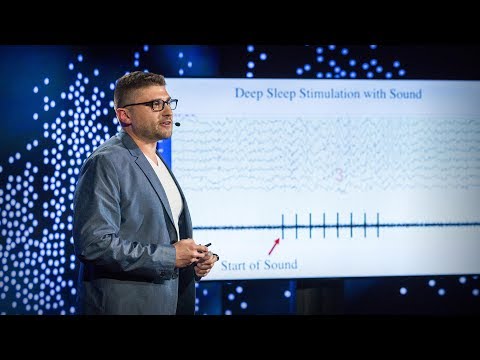
【TED】The brain benefits of deep sleep and how to get more of it | Dan Gartenberg
0
Di Yan posted on 2018/01/08Ever wonder why you feel so groggy after a bad night's sleep? This fascinating TED talk dives into the amazing brain benefits of deep sleep and shares practical tips, like using acoustic stimulation, to help you get more restful nights. You'll pick up some advanced vocabulary related to sleep science and learn how to improve your memory and overall well-being!
Learn this video on the APP!
The VoiceTube App has more in-depth practice for videos!