
advance
US /ædˈvæns/
UK /əd'vɑ:ns/
- Noun
- Forward movement by an army
- An attempt to seduce someone
- Verb (Transitive/Intransitive)
- (Of an army) to move forward
- To change or improve
A2TOEICMorearound the world
US /əˈraʊnd ði wɜrld/
UK /əˈraund ðə wɜː(r)ld/
- Phrase
- In or to many countries.
- In various places throughout the world.
A2Moreat home
US /æt hom/
UK /æt həum/
- Phrase
- In one's own residence or country.
- Adjective
- Feeling comfortable and relaxed.
at least
US /æt list/
UK /æt li:st/
- Adverb
- As a minimum
- Not less than
- Phrase
- No less than; at the minimum
- Used to indicate that something is positive in a bad situation.
C2Moreat the least
US
UK
- Phrase
- As a minimum; no less than.
- As the bare minimum action; anyway.
A1Moreat war
US /æt wɔr/
UK /æt wɔ:/
- Phrase
- Engaged in a war; fighting
A2Moreattend to
US /əˈtɛnd tu/
UK /əˈtend tu:/
- Phrasal Verb
- To deal with; take care of; pay attention to.
- Verb (Transitive/Intransitive)
- Deal with
A1Moreauthorize
US /ˈɔθəˌraɪz/
UK /'ɔ:θəraɪz/
- Transitive Verb
- To officially or legally allow or give permission
B2TOEICMorebased on
US
UK
- Phrasal Verb
- To use something as the foundation or starting point for something else.
- Preposition
- Using something as the main idea or foundation.
- Relying on something as evidence or justification.
A1Morecarry out
US /ˈkæri aʊt/
UK /ˈkæri aut/
- Phrasal Verb
- To fulfill or perform your instructions, duty
- Verb (Transitive/Intransitive)
- To perform or execute a task, order, or plan.
- To remove something or someone from a place.
A1Morechancellor
US /ˈtʃænsəlɚ, -slɚ/
UK /'tʃɑ:nsələ(r)/
- Noun
- High government official
B2Morecharismatic
US /ˌkærɪzˈmætɪk/
UK /ˌkærɪzˈmætɪk/
- Adjective
- Able to attract and make them like you
B2Morecivil
US /ˈsɪvəl/
UK /ˈsɪvl/
- Adjective
- Of citizens of a country; not military, criminal
- Acting in a polite, but not truly friendly manner
B1Morecoalition
US /ˌkoəˈlɪʃən/
UK /ˌkəʊəˈlɪʃn/
- Noun
- Union of separate political parties
B1Morecommunist
US /ˈkɑmjənɪst/
UK /ˈkɒmjənɪst/
- Adjective
- Believer in communism
- Noun
- A person who supports or believes in communism.
B1Moreconcentration
US /ˌkɑ:nsnˈtreɪʃn/
UK /ˌkɒnsnˈtreɪʃn/
- Noun (Countable/Uncountable)
- Amount or number of something in a thing or place
- Paying (a lot of) attention to a task
A2Morecondemn
US /kənˈdɛm/
UK /kənˈdem/
- Transitive Verb
- To say that (a building) is too unsafe to be used
- To state strongly that person, thing is bad, wrong
B1Morecondemned to
US
UK
- Verb (Transitive/Intransitive)
- To be destined for a particular fate, usually negative.
- To be sentenced to a particular punishment.
C2Moreconstitution
US /ˌkɑnstɪˈtuʃən, -ˈtju-/
UK /ˌkɔnstiˈtju:ʃən/
- Noun (Countable/Uncountable)
- Statement of fundamental principles of a country
- Condition of your health
B1Morecripple
US /ˈkrɪpəl/
UK /'krɪpl/
- Transitive Verb
- To hurt and make useless
- Noun
- (rude) Disabled person
B2Moredecree
US /dɪˈkri/
UK /dɪ'kri:/
- Noun
- Official order issued by an authority
- Transitive Verb
- To give an order as an authority
B2TOEICMoredefeat
US /dɪˈfit/
UK /dɪ'fi:t/
- Transitive Verb
- To beat an enemy, team, disease
- To prevent something from succeeding.
- Noun
- When you lose a fight, game or competition
- The feeling of having been beaten.
B1Moredemocracy
US /dɪˈmɑkrəsi/
UK /dɪ'mɒkrəsɪ/
- Noun (Countable/Uncountable)
- System of government in which everyone is equal
- Principles of social equality and respect for the individual within a society.
B1Moredeport
US /dɪˈpɔrt, -ˈport/
UK /dɪ'pɔ:t/
- Transitive Verb
- To force a person to leave a country
C1Moredue to
US /du tu/
UK /dju: tu:/
- Preposition
- Because of; owing to
- Adjective
- Attributable to; caused by.
A1Moreestablish
US /ɪˈstæblɪʃ/
UK /ɪˈstæblɪʃ/
- Transitive Verb
- To set or create something to last for a long time
- To use facts, evidence to show truth or clarity
A2TOEICMoreexpansion
US /ɪkˈspænʃən/
UK /ɪkˈspænʃn/
- Noun (Countable/Uncountable)
- Making or becoming larger
- The process of increasing in size, number, or scope, especially in a business context.
B2TOEICMoreexploit
US /ɪkˈsplɔɪt/
UK /ɪk'splɔɪt/
- Transitive Verb
- To selfishly take advantage of or treat badly
- To use something in a very effective manner
- Noun (Countable/Uncountable)
- Personal journey or series of events
- A bold or daring feat.
B1TOEICMorefor fear of
US /fɔr fɪr ʌv/
UK /fɔ: fiə ɔv/
- Phrase
- Because of anxiety or apprehension that something undesirable might happen.
A1Morefor now
US /fɔr naʊ/
UK /fɔ: nau/
- Phrase
- Temporarily; for the present time.
- In the short term; for the immediate future.
A1Moreforce in
US /fɔrs ɪn/
UK /fɔ:rs ɪn/
- other
- To enter a place by applying physical force.
B2Morefound out
US
UK
- Phrasal Verb
- To learn or discover something, often after some effort.
- To become known; be revealed.
B2Morehave to
US /hæv tu/
UK /ˈhæv tə/
- Auxiliary Verb
- Must do
A1Morehome in
US /ˈhoʊm ɪn/
UK /ˈhəum ɪn/
- other
- Move or direct toward a specific target or goal.
B2Morehumanity
US /hjuˈmænɪti/
UK /hju:ˈmænəti/
- Uncountable Noun
- Quality of being understanding or sympathetic
- Compassionate behavior, especially towards those suffering.
- Noun (Countable/Uncountable)
- All human beings collectively; the human race.
A2Morehumiliation
US /hjuˌmɪliˈeʃən/
UK /hju:ˌmɪlɪ'eɪʃn/
- Uncountable Noun
- Loss of self-respect or status
B2Morein command
US /ɪn kəˈmænd/
UK /in kəˈmɑ:nd/
- Adjective
- Having control or authority over something or someone.
- Having the highest authority in a military unit.
B2Morein fact
US /ɪn fækt/
UK /in fækt/
- Adverb
- Used to emphasize the truth of a statement, especially one that contrasts with or contradicts something else.
- Used to introduce a more detailed or surprising piece of information.
- Phrase
- Used to emphasize the truth of a statement, especially one that is surprising or contrary to what might be expected.
C1Morein favor of
US /ɪn ˈfevɚ ʌv/
UK /in ˈfeivə ɔv/
- Phrase
- Expressing support or approval for someone or something.
- To the advantage of; benefiting.
- Preposition
- Supporting or approving of something.
- To the advantage of; to the benefit of.
A1Morein flames
US
UK
- Phrase
- Burning fiercely
B2Morein spirit
US /ɪn ˈspɪrɪt/
UK /in ˈspirit/
- Phrase
- Feeling or showing enthusiasm; with strong emotional support, even if not physically present.
- According to the general intention or meaning, though not necessarily the exact words.
B2Morein the future
US /ɪn ði ˈfjutʃɚ/
UK /in ðə ˈfju:tʃə/
- Phrase
- At a later time; in times to come.
A1Morein the streets
US /ɪn ðə strits/
UK /ɪn ðə stri:ts/
- other
- Located or happening outdoors in public roads or areas.
A2Morein vain
US /ɪn ven/
UK /in vein/
- Phrase
- Without success or result; futilely.
C1Moreinferior
US /ɪnˈfɪriɚ/
UK /ɪnˈfɪəriə(r)/
- Adjective
- Being of little importance or worth
- Of lower status; not powerful or rich
- Noun
- Person of lower status
B2Moreinvade
US /ɪnˈved/
UK /ɪnˈveɪd/
- Transitive Verb
- To enter something causing a harmful result
- To enter (a country or region) so as to subjugate or occupy it.
B1Morejail time
US
UK
- Uncountable Noun
- A period of imprisonment in a jail or prison.
- A sentence to be served in a jail or prison.
labor under
US
UK
- Phrasal Verb
- To be burdened by or suffer from something, especially a false belief or misconception.
A1Moreleftist
US /'leftɪst/
UK /ˈleftɪst/
- Noun
- One supporting liberal or new ideas politically
B2Moreliberate
US /ˈlɪbəˌret/
UK /'lɪbəreɪt/
- Transitive Verb
- To free someone or something that was captured
B2Moremass
US /mæs/
UK /mæs/
- Noun (Countable/Uncountable)
- Religious ceremony in some Christian churches
- Large amount or number of something
- Transitive Verb
- To gather people or things into a large group
B1Moremilitary
US /ˈmɪlɪˌtɛri/
UK /'mɪlətrɪ/
- Noun
- Army or armed forces
- Adjective
- Concerning the army or navy
B1Morenew level
US
UK
- Noun
- A higher or improved stage of achievement or quality.
- A different or more advanced degree of expertise or understanding.
A1Moreoath
US /oθ/
UK /əʊθ/
- Noun
- Promise to do something
B2Moreoccupation
US /ˌɑkjəˈpeʃən/
UK /ˌɒkjuˈpeɪʃn/
- Noun
- A career or regular job
- Act of entering and taking control of an area
A2TOEICMoreof old
US /ʌv oʊld/
UK /əv əuld/
- other
- From a long time ago; in the past.
B2Moreon foot
US /ɑn fʊt/
UK /ɔn fut/
- Phrase
A1Moreon the rise
US /ɑn ði raɪz/
UK /ɔn ðə raiz/
- Adjective
- Increasing; becoming more popular or common.
- Becoming more successful in a career or field.
- Phrase
- Increasing in popularity.
A1Moreon the streets
US /ɑn ðə strits/
UK /ɒn ðə stri:ts/
- other
- Without a home; homeless or exposed outdoors.
B2Moreorchestrate
US /ˈɔ:rkɪstreɪt/
UK /ˈɔ:kɪstreɪt/
- Transitive Verb
- To organize and plan
B2Moreoutbreak
US /ˈaʊtˌbrek/
UK /ˈaʊtbreɪk/
- Noun (Countable/Uncountable)
- Sudden occurrence of illness, discontent etc.
- A sudden occurrence of something unwelcome, such as war or disease.
B2Moreparliament
US /ˈpɑrləmənt/
UK /ˈpɑ:ləmənt/
- Noun
- Elected officials who govern a country (in the UK)
- Period when the Uk government is in session
A2Morephysical disabilities
US
UK
- Noun (plural)
- Impairments that affect a person's physical functioning, mobility, dexterity, or stamina.
B2Morepolitical
US /pəˈlɪtɪkəl/
UK /pəˈlɪtɪkl/
- Adjective
- Being active or interested in government matters
- Diplomatic
A2Morepopulation
US /ˌpɑpjəˈleʃən/
UK /ˌpɒpjuˈleɪʃn/
- Noun (Countable/Uncountable)
- Number of people who live in a country, area etc.
- A group of individuals of one species living in a particular area.
A2TOEICMorepresident
US /ˈprɛzɪdənt,-ˌdɛnt/
UK /ˈprezɪdənt/
- Noun
- Person in charge of a country, or organization
- The highest-ranking executive in a corporation or organization.
A2TOEICMorepropaganda
US /ˌprɑ:pə'ɡændə/
UK /ˌprɒpə'ɡændə/
- Uncountable Noun
- (Use of) message that you want people to accept
- The systematic dissemination of information, especially in a biased or misleading way, in order to promote a political cause or point of view.
B1Morepublic life
US /ˈpʌblɪk laɪf/
UK /ˈpʌblik laif/
- Noun
- The aspect of a person's life that concerns their involvement in public affairs, especially as a politician or other figure known to the general public.
- The state of being exposed to general public attention or knowledge.
A1Moreracial
US /ˈreʃəl/
UK /ˈreɪʃl/
- Adjective
- Of or relating to race
B2Moreracially
US /ˈreʃəlɪ/
UK /'reɪʃəlɪ/
- Adverb
- With respect to race
B2Morereach
US /ritʃ/
UK /ri:tʃ/
- Verb (Transitive/Intransitive)
- To come to or arrive at a goal or destination
- To be long enough to get to a certain place
- Uncountable Noun
- Power or control someone has over something
A2TOEICMoreregime
US /reˈʒim, rɪ-/
UK /reɪˈʒi:m/
- Noun
- A system of management; a form of government
B1Morerock bottom
US /rɑk ˈbɑtəm/
UK /rɔk ˈbɔtəm/
- Noun
- The lowest possible level or point.
- Adjective
- The absolute lowest; minimum.
A1Moresolution
US /səˈluʃən/
UK /səˈlu:ʃn/
- Noun (Countable/Uncountable)
- Mix of a liquid and a solid or a gas
- Way to solve or deal with a problem
A2Morestruggle
US /ˈstrʌɡəl/
UK /'strʌɡl/
- Verb (Transitive/Intransitive)
- To try very hard to do something difficult
- To fight or struggle violently
- Noun (Countable/Uncountable)
- Strong efforts made to do something difficult
- A difficult or challenging situation or task
A2Moresuch as
US /sʌtʃ æz/
UK /sʌtʃ æz/
- Preposition
- For example; like
A1Moreswear
US /swɛr/
UK /sweə(r)/
- Intransitive Verb
- To say bad or impolite words to someone
- Transitive Verb
- To make a serious promise to do something
B1Moretarget
US /ˈtɑrɡɪt/
UK /'tɑ:ɡɪt/
- Noun (Countable/Uncountable)
- A goal or amount you are trying to achieve
- Group you are trying to sell to or influence
- Transitive Verb
- To try to influence; direct a message toward
- (Army) to aim an attack at something
A2TOEICMoretechnology
US /tɛkˈnɑlədʒi/
UK /tek'nɒlədʒɪ/
- Uncountable Noun
- Use or knowledge of science in industry etc.
- Machinery and equipment developed from scientific knowledge.
A2TOEICMoreterritory
US /ˈtɛrɪˌtɔri, -ˌtori/
UK /'terətrɪ/
- Noun (Countable/Uncountable)
- Area of land defended by an animal
- Area of particular knowledge or experience
B1TOEICMoreto death
US /tu dɛθ/
UK /tu: deθ/
- Phrase
- Extremely; to a great degree
- Until death
B1Moreunion
US /ˈjunjən/
UK /'ju:nɪən/
- Noun (Countable/Uncountable)
- Act of joining two or more things into one
- Marriage
- Proper Noun
- The United States of America, especially during the Civil War.
A2TOEICMoreused to
US /juzd tu/
UK /ˈju:st tə/
- Adjective
- Did regularly before, but don't do now
- Auxiliary Verb
- Have done before, but do not do now
A1Morevote in
US /voʊt ɪn/
UK /vəut ɪn/
- other
- To elect someone into a position by voting.
B1Morewait for
US /wet fɔr/
UK /weit fɔ:/
- Phrasal Verb
- To wait until someone comes, or something happens
A1Morewin over
US /wɪn ˈovɚ/
UK /win ˈəuvə/
- Phrasal Verb
- To convince others to support you or your ideas
A1More
Vocabulary
- at war: Engaged in a war; fighting
- in the streets: Located or happening outdoors in public roads or areas.
- based on: To use something as the foundation or starting point for something else.
- used to: Did regularly before, but don't do now
- to death: Extremely; to a great degree
- condemned to: To be destined for a particular fate, usually negative.
- around the world: In or to many countries.
- in spirit: Feeling or showing enthusiasm; with strong emotional support, even if not physically present.
- at home: In one's own residence or country.
- in fact: Used to emphasize the truth of a statement, especially one that contrasts with or contradicts something else.
- in vain: Without success or result; futilely.
- on the rise: Increasing; becoming more popular or common.
- home in: Move or direct toward a specific target or goal.
- of old: From a long time ago; in the past.
- jail time: A period of imprisonment in a jail or prison.
- vote in: To elect someone into a position by voting.
- have to: Must do
- in favor of: Expressing support or approval for someone or something.
- in the future: At a later time; in times to come.
- win over: To convince others to support you or your ideas
- for now: Temporarily; for the present time.
- rock bottom: The lowest possible level or point.
- force in: To enter a place by applying physical force.
- such as: For example; like
- physical disabilities: Impairments that affect a person's physical functioning, mobility, dexterity, or stamina.
- public life: The aspect of a person's life that concerns their involvement in public affairs, especially as a politician or other figure known to the general public.
- at the least: As a minimum; no less than.
- carry out
- on the streets: Without a home; homeless or exposed outdoors.
- in flames: Burning fiercely
- for fear of: Because of anxiety or apprehension that something undesirable might happen.
- new level: A higher or improved stage of achievement or quality.
- in command: Having control or authority over something or someone.
- on foot
- at least: As a minimum
- due to: Because of; owing to
- found out: To learn or discover something, often after some effort.
- labor under: To be burdened by or suffer from something, especially a false belief or misconception.
- wait for: To wait until someone comes, or something happens
- attend to: To deal with; take care of; pay attention to.
- struggle: To try very hard to do something difficult
- force: Group of persons trained for military action; army
- parliament: Elected officials who govern a country (in the UK)
- territory: Area of land defended by an animal
- exploit: To selfishly take advantage of or treat badly
- concentration: Amount or number of something in a thing or place
- establish: To set or create something to last for a long time
- political: Being active or interested in government matters
- military: Army or armed forces
- reach: To come to or arrive at a goal or destination
- regime: A system of management; a form of government
- democracy: System of government in which everyone is equal
- population: Number of people who live in a country, area etc.
- swear: To say bad or impolite words to someone
- advance: Forward movement by an army
- charismatic: Able to attract and make them like you
- propaganda: (Use of) message that you want people to accept
- humanity: Quality of being understanding or sympathetic
- inferior: Being of little importance or worth
- mass: Religious ceremony in some Christian churches
- communist: Believer in communism
- outbreak: Sudden occurrence of illness, discontent etc.
- defeat: To beat an enemy, team, disease
- civil: Of citizens of a country; not military, criminal
- solution: Mix of a liquid and a solid or a gas
- humiliation: Loss of self-respect or status
- target: A goal or amount you are trying to achieve
- constitution: Statement of fundamental principles of a country
- condemn: To say that (a building) is too unsafe to be used
- century: Period of 100 years
- technology: Use or knowledge of science in industry etc.
- invade: To enter something causing a harmful result
- coalition: Union of separate political parties
- president: Person in charge of a country, or organization
- public: Owned by the government
- government: Group of people and system that rule a nation
- occupation: A career or regular job
- own: To have something as your property
- union: Act of joining two or more things into one
- expansion: Making or becoming larger
- include: To make someone, something part of a group
- future: Time that is to come after the present
- nation: Area or region controlled by a government and army
- liberate: To free someone or something that was captured
- racial: Of or relating to race
- world: All the humans, events, activities on the earth
- cripple: To hurt and make useless
- country: An area of land that is controlled by a government
- work: The product of some artistic or literary endeavor
- decree: Official order issued by an authority
- soviet: Elected government council in a communist country
- arm: To activate a weapon or bomb for use
- people: Persons sharing culture, country, background, etc.
- oath: Promise to do something
- holocaust: Act of mass destruction and loss of life in a war
- authorize: To officially or legally allow or give permission
- orchestrate: To organize and plan
- chancellor: High government official
- deport: To force a person to leave a country
- racially: With respect to race
- leftist: One supporting liberal or new ideas politically
Get the full experience in the app
Learn anywhere with detailed sentence and usage analysis
01:03
She took a brave step forward, leaving behind her comfort zone to chase her dreams.
Vocabulary
- brave
adj. Having courage
- comfort zone
phr. A familiar situation where one feels safe
Explanation
a brave step is a noun phrase, where brave is an adjective modifying the noun step, meaning "a courageous step".
forward is an adverb modifying step, meaning "ahead".
The whole phrase serves as the object, answering the "what" of took (verb) — she took a brave step forward.
Get the full experience in the app
Look up words anytime with pronunciation, part of speech, and usage
brave
US/brev/
UK/breɪv/
adj.Brave
v.t.To bravely face
A2 Elementary
Get the full experience in the app
Practice speaking anytime and get instant pronunciation feedback
Try this speaking exercise.
Try practicing with this sentence.
80
0
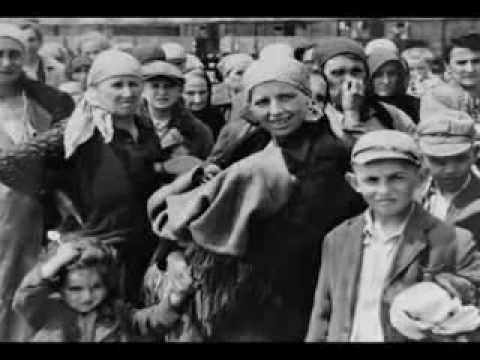
Apple Wu posted on 2017/12/30Ever wondered how history's darkest chapters unfolded? This video dives deep into the Weimar Republic and the rise of Nazism, offering crucial insights into political propaganda and the path to genocide. You'll not only gain a powerful understanding of this historical period but also boost your advanced vocabulary and complex sentence structure skills!
Learn this video on the APP!
The VoiceTube App has more in-depth practice for videos!