
admit
US /ædˈmɪt/
UK /əd'mɪt/
- Transitive Verb
- To acknowledge that something is true or right
- To allow someone to enter
A2TOEICMoreadversity
US /ædˈvə:sɪti/
UK /əd'vɜ:sətɪ/
- Uncountable Noun
- Bad or difficult situation or times; trouble
B2TOEICMorealmost all of
US
UK
- Determiner
- Nearly the entire quantity or number of something.
- Pronoun
- Nearly every person in a group.
A1Moreat least
US /æt list/
UK /æt li:st/
- Adverb
- As a minimum
- Not less than
- Phrase
- No less than; at the minimum
- Used to indicate that something is positive in a bad situation.
C2Moreat that time
US /æt ðæt taɪm/
UK /æt ðæt taim/
- Phrase
- During a specific point in the past.
A1Moreaudience
US /ˈɔdiəns/
UK /ˈɔ:diəns/
- Noun (Countable/Uncountable)
- Group of people attending a play, movie etc.
A2TOEICMoreawful
US /ˈɔfəl/
UK /ˈɔ:fl/
- Adjective
- Very bad; horrible; terrible
A2Moreback into
US /bæk ˈɪntu/
UK /bæk ˈɪntuː/
- Phrasal Verb
- To drive a vehicle backwards into a space or area.
- To accidentally collide with something while moving backwards.
A1Morebased on
US
UK
- Phrasal Verb
- To use something as the foundation or starting point for something else.
- Preposition
- Using something as the main idea or foundation.
- Relying on something as evidence or justification.
A1Moreblow
US /blo/
UK /bləʊ/
- Verb (Transitive/Intransitive)
- To move something using air
- To make air come quickly out of your mouth
- Noun
- Something that causes you difficulty or sadness
- Act of making air come out of your mouth
A2Morecareer
US /kəˈrɪr/
UK /kə'rɪə(r)/
- Noun (Countable/Uncountable)
- Particular occupation in professional life
- The course of a person's life, especially in a particular pursuit or profession.
- Verb (Transitive/Intransitive)
- To move forward very fast and without control
- To advance or make progress rapidly
A2Morecause
US /kɔz/
UK /kɔ:z/
- Noun
- Belief, goal or organization that people support
- Reason for
- Transitive Verb
- To make something happen; create effect or result
A2Morechildhood
US /ˈtʃaɪldˌhʊd/
UK /ˈtʃaɪldhʊd/
- Uncountable Noun
- The time when you are a child
B1Moreclock in
US
UK
- Phrasal Verb
- To record the time of one's arrival at work, typically using a time clock.
A1Moreclose by
US /kloz baɪ/
UK /kləuz bai/
- Adverb
- Near in distance; nearby.
- Phrase
- In a position or location that is near.
A2Morecome from
US /kʌm frʌm/
UK /kʌm frɔm/
- Phrasal Verb
- To have as your native country or city
A1Moredecrease
US /dɪˈkris/
UK /dɪˈkri:s/
- Verb (Transitive/Intransitive)
- To reduce the size, amount or number of something
- Uncountable Noun
- Amount by which something has been reduced
B1TOEICMoredepress
US /dɪˈprɛs/
UK /dɪ'pres/
- Transitive Verb
- To make someone feel sad or miserable
- To push something down
B2Moredepression
US /dɪˈprɛʃən/
UK /dɪ'preʃn/
- Noun (Countable/Uncountable)
- Medical condition of a lack of vitality
- Period of unemployment and low economic activity
B2Moredo the trick
US /du ði trɪk/
UK /du: ðə trik/
- Idiom
- To solve a problem or achieve a desired result.
A1Moredreadful
US /ˈdrɛdfəl/
UK /ˈdredfl/
- Adjective
- Extremely bad, unpleasant, or ugly
B1Moreessentially
US /ɪˈsenʃəli/
UK /ɪˈsenʃəli/
- Adverb
- Basically; (said when stating the basic facts)
- Used to emphasize the basic truth or fact of a situation.
A2Moreever since
US /ˈɛvɚ sɪns/
UK /ˈevə sins/
- Adverb
- Continuously from a past time until now.
- Conjunction
- From the time that; because.
B2Moreexcept that
US /ɪkˈsɛpt ðæt/
UK /ikˈsept ðæt/
- Conjunction
- But; with the exception that.
A2Morefellow
US /ˈfɛlo/
UK /'feləʊ/
- Noun (Countable/Uncountable)
- Man or a boy
- Student paid to study and teach after college
- Adjective
- Being of the same kind
- Sharing a particular activity, situation, or characteristic.
A2TOEICMorefound out
US
UK
- Phrasal Verb
- To learn or discover something, often after some effort.
- To become known; be revealed.
B2Morefrom time to time
US
UK
- Phrase
- Occasionally; sometimes but not regularly.
- At intervals; now and then.
A1Morefrontal
US /ˈfrʌntl:/
UK /ˈfrʌntl/
- Adjective
- Belonging to the forward part
- Relating to the front part of something, especially the front of the head or brain.
- Noun
- The bone that forms the front part of the skull above the eyes.
B1Moreget out of
US /ɡɛt aʊt ʌv/
UK /ɡet aut ɔv/
- Phrasal Verb
- To leave or escape responsibilities, troubles
- To leave a small, enclosed vehicle
A1Moreget through
US /ɡɛt θru/
UK /ɡet θru:/
- Phrasal Verb
- To arrive at the end of or finish something
- To succeed in contacting someone by phone
A1Morego back to
US /ɡo bæk tu/
UK /ɡəu bæk tu:/
- Phrasal Verb
- To return to a starting point
A1Morego nuts
US
UK
- Intransitive Verb
- To become crazy, angry, or very excited.
- To become very enthusiastic or excited.
B2Morego on
US /ɡo ɑn/
UK /ɡəu ɔn/
- Phrasal Verb
- To continue doing something
- To happen (usually negative)
- Interjection
- Used to encourage someone
A1Moregoing on
US /ˈɡoɪŋ ɑn/
UK /ˈgəʊɪŋ ɔn/
- Phrasal Verb
- To continue doing something
- To happen (usually negative)
A1Moregrand
US /ɡrænd/
UK /ɡrænd/
- Adjective
- A counter for 1000 of something
- Great in amount, number or size
A2Morehave to
US /hæv tu/
UK /ˈhæv tə/
- Auxiliary Verb
- Must do
A1Moreillness
US /ˈɪlnɪs/
UK /ˈɪlnəs/
- Uncountable Noun
- Unhealthy condition of the mind or body
- A particular instance or type of disease.
A2Morein a row
US /ɪn e ro/
UK /in ə rəu/
- Phrase
- One after another without a break.
- Arranged in a straight line.
- Idiom
- To have an argument.
A1Morein a while
US /ɪn e hwaɪl/
UK /in ə hwail/
- Phrase
- In a short period of time; soon.
- For a short period of time; soon.
A2Morein fact
US /ɪn fækt/
UK /in fækt/
- Adverb
- Used to emphasize the truth of a statement, especially one that contrasts with or contradicts something else.
- Used to introduce a more detailed or surprising piece of information.
- Phrase
- Used to emphasize the truth of a statement, especially one that is surprising or contrary to what might be expected.
C1Morein terms of
US
UK
- Phrase
- With regard to; concerning a particular aspect.
A1Morein the books
US /ɪn ði bʊks/
UK /ɪn ði bʊks/
- other
- Finished, completed, or officially recorded.
B2Morein the way
US /ɪn ði we/
UK /in ðə wei/
- Phrase
- Obstructing someone or something; hindering progress.
- Stored or placed so as to be available or ready when needed.
A1Moreknow about
US /noʊ əˈbaʊt/
UK /nəʊ əˈbaut/
- Phrasal Verb
- To have information or understanding of a subject or situation.
lift
US /lɪft/
UK /lɪft/
- Noun
- Picking someone up in a car and taking to a place
- Machine carrying people up or down to other floors
- Transitive Verb
- To stop or cancel something, such as a rule
- To move something to higher position
A2Morelook for
US /lʊk fɔr/
UK /luk fɔ:/
- Phrasal Verb
- To try to find a thing or person that is lost
- To expect or anticipate something.
A1Moremagnificent
US /mæɡˈnɪfɪsənt/
UK /mæɡ'nɪfɪsnt/
- Adjective
- Splendid; brilliant; extremely good
- Extremely impressive or beautiful; characterized by grandeur.
B1TOEICMoremedical center
US
UK
- Noun
- A facility providing comprehensive healthcare services, including diagnosis, treatment, and rehabilitation.
meet with
US /mit wɪð/
UK /mi:t wið/
- Phrasal Verb
- To have a meeting with someone in order to discuss something.
- To encounter or experience something, often something negative.
mental
US /ˈmɛntl/
UK /ˈmentl/
- Adjective
- Concerning the mind
A2TOEICMoreobservation
US /ˌɑbzɚˈveʃən/
UK /ˌɒbzəˈveɪʃn/
- Noun (Countable/Uncountable)
- Remark or comment on something you noticed
- Practice of performing actions required by rules
B1Moreof course
US /ʌv kɔː(r)s/
UK /ɔv kɔː(r)s/
- Adverb
- Sure ; Certainly
- Phrase
- For sure; certainly
A2Moreoff the track
US /ɔf ðə træk/
UK /ɒf ðə træk/
- other
- Away from the main subject or correct path.
B2Moreon the brain
US
UK
- Idiom
- To be constantly thinking about someone or something; to be obsessed with someone or something.
on to
US /ɑn tu/
UK /ɔn tu:/
- Preposition
- Toward something; forward
- Aware of someone's activities.
- Adjective
- Aware of someone's deception or illegal activities.
A1Moreonce in a while
US //wʌns ɪn ə waɪl//
UK
- Phrase
- Occasionally; not very often.
- Occasionally; not very often.
A2Moreother than
US
UK
- Preposition
- Except for; apart from.
- Conjunction
- Different from.
A1Moreout of it
US /aʊt ʌv ɪt/
UK /aut ɔv it/
- Adjective
- Unconscious or not completely alert; dazed or confused.
- Not able to think clearly or react quickly; not with it.
A1Moreoutside of
US /aʊtˈsaɪd ʌv/
UK /ˌautˈsaid ɔv/
- Preposition
- Located or situated beyond the boundaries or confines of something.
- Beyond the scope, range, or limits of something.
A1Moreovercome
US /ˌovɚˈkʌm/
UK /ˌəʊvə'kʌm/
- Transitive Verb
- To succeed in a struggle against; defeat
- Participle
- Past participle of overcome; to have successfully dealt with or controlled a problem or feeling.
A2TOEICMorephoenix
US /ˈfinɪks/
UK /ˈfi:nɪks/
- Noun
- Mythical bird that was burned but rose from ashes
- A symbol of immortality or rebirth.
- Proper Noun
- A small constellation in the southern sky.
- The capital and largest city of the state of Arizona.
C1Morephysician
US /fɪˈzɪʃən/
UK /fɪˈzɪʃn/
- Countable Noun
- A medical doctor
B2Moreplug
US /plʌɡ/
UK /plʌg/
- Noun
- Wood, rubber or metal used to block a hole
- Thing on a wire to connect to electricity supply
- Transitive Verb
- To use an object to block a hole
- To promote or advertise a product
B1TOEICMorepre
US
UK
- Prefix
- A prefix meaning 'before'
B2Morepsychiatric
US
UK
- Adjective
- Concerning the treatment of the mind
B2Moreput to sleep
US
UK
- Transitive Verb
- To euthanize an animal; to kill an animal painlessly.
- To cause someone to fall asleep.
A1Moreregardless of
US /rɪˈɡɑrdlɪs ʌv/
UK /riˈɡɑ:dlis ɔv/
- Phrase
- Preposition
- Without being affected or influenced by something; despite.
A2Morerenaissance
US /ˈrenəsɑ:ns/
UK /rɪˈneɪsns/
- Noun (Countable/Uncountable)
- Period of intense activity in art and science
- Renewed interest in a particular field or subject
- Adjective
- Relating to or characteristic of the Renaissance.
B1Moreresurrection
US /ˌrɛzəˈrɛkʃən/
UK /ˌrezəˈrekʃn/
- Noun
- Bringing a dead person/unused thing back to life
C2Moreright back
US /raɪt bæk/
UK /rait bæk/
- Interjection
- Said when someone says they will return soon, indicating you expect their prompt return.
- Adverb
- Immediately; very soon after going.
A1Moresearch for
US /sɚtʃ fɔr/
UK /sə:tʃ fɔ:/
- Phrasal Verb
- To try to find someone or something.
B1Moresee in
US /si ɪn/
UK /si: in/
- Phrasal Verb
- To accompany someone to the entrance of a building or room.
A1Morespirit
US /ˈspɪrɪt/
UK /'spɪrɪt/
- Noun
- Person's strong determination or attitude
- Unique qualities of person, place, or time
- Transitive Verb
- To take someone away as if by magic
A2Moresurgery
US /ˈsɚdʒəri/
UK /'sɜ:dʒərɪ/
- Noun (Countable/Uncountable)
- Medical operation involving cutting into body
- A doctor's office; health clinic
B1Moretalk about it
US /tɔk əˈbaʊt ɪt/
UK /tɔ:k əˈbaut it/
- Verb (Transitive/Intransitive)
- To discuss a particular subject.
A1Moretalking about
US
UK
- Phrasal Verb
- To discuss a particular topic.
- To be constantly mentioning or bringing up a subject.
A1Morethe following
US
UK
- Adjective
- Next in order or sequence.
- Uncountable Noun
- What is about to be said or written.
B1Moretherapy
US /ˈθɛrəpi/
UK /'θerəpɪ/
- Noun (Countable/Uncountable)
- Treatment to help cure an illness
- Psychological counseling to help resolve personal or emotional problems.
B2Morethings change
US
UK
- Phrase
- Circumstances or situations do not remain constant; they evolve or transform over time.
- An acknowledgement of the need to adapt to new realities or developments.
A1Moreto do with
US
UK
- Phrasal Verb
- To be about something; concern
A1Moreunit
US /ˈjunɪt/
UK /ˈju:nɪt/
- Countable Noun
- One apartment in a building
- Group of people, e.g. soldiers, that work together
B2TOEICMoreupset
US /ʌpˈsɛt/
UK /ʌpˈset/
- Adjective
- (Of stomach, etc.) not functioning well; sick
- Troubled, worried, or angry
- Transitive Verb
- To turn upside down or on its side
- To trouble, worry, or anger someone
A2Moreused to
US /juzd tu/
UK /ˈju:st tə/
- Adjective
- Did regularly before, but don't do now
- Auxiliary Verb
- Have done before, but do not do now
A1Morework at
US /wɚk æt/
UK /wə:k æt/
- Phrasal Verb
- To have a job at a particular place or organization.
- To make an effort to improve something.
A1More
Vocabulary
- of course: Sure ; Certainly
- to do with: To be about something; concern
- ever since: Continuously from a past time until now.
- other than: Except for; apart from.
- know about: To have information or understanding of a subject or situation.
- at that time: During a specific point in the past.
- used to: Did regularly before, but don't do now
- meet with: To have a meeting with someone in order to discuss something.
- in a while: In a short period of time; soon.
- once in a while: Occasionally; not very often.
- come from: To have as your native country or city
- going on: To continue doing something
- look for: To try to find a thing or person that is lost
- see in: To accompany someone to the entrance of a building or room.
- do the trick: To solve a problem or achieve a desired result.
- search for: To try to find someone or something.
- in terms of
- in a row: One after another without a break.
- the following: Next in order or sequence.
- put to sleep: To euthanize an animal; to kill an animal painlessly.
- on the brain: To be constantly thinking about someone or something; to be obsessed with someone or something.
- regardless of
- clock in: To record the time of one's arrival at work, typically using a time clock.
- get out of: To leave or escape responsibilities, troubles
- medical center: A facility providing comprehensive healthcare services, including diagnosis, treatment, and rehabilitation.
- in fact: Used to emphasize the truth of a statement, especially one that contrasts with or contradicts something else.
- except that: But; with the exception that.
- found out: To learn or discover something, often after some effort.
- from time to time: Occasionally; sometimes but not regularly.
- out of it: Unconscious or not completely alert; dazed or confused.
- go back to: To return to a starting point
- work at: To have a job at a particular place or organization.
- in the way: Obstructing someone or something; hindering progress.
- go nuts: To become crazy, angry, or very excited.
- at least: As a minimum
- close by: Near in distance; nearby.
- get through: To arrive at the end of or finish something
- right back: Said when someone says they will return soon, indicating you expect their prompt return.
- back into: To drive a vehicle backwards into a space or area.
- have to: Must do
- talking about: To discuss a particular topic.
- talk about it: To discuss a particular subject.
- based on: To use something as the foundation or starting point for something else.
- in the books: Finished, completed, or officially recorded.
- almost all of: Nearly the entire quantity or number of something.
- things change: Circumstances or situations do not remain constant; they evolve or transform over time.
- off the track: Away from the main subject or correct path.
- outside of: Located or situated beyond the boundaries or confines of something.
- on to: Toward something; forward
- go on: To continue doing something
- essentially: Basically; (said when stating the basic facts)
- mental: Concerning the mind
- depression: Medical condition of a lack of vitality
- therapy: Treatment to help cure an illness
- sense: Certain mental feeling or emotion
- treat: To pay for the food or enjoyment of someone else
- audience: Group of people attending a play, movie etc.
- effective: Working efficiently to produce a desired result
- awful: Very bad; horrible; terrible
- career: Particular occupation in professional life
- measure: Plan to achieve a desired result
- admit: To acknowledge that something is true or right
- overcome: To succeed in a struggle against; defeat
- cause: Belief, goal or organization that people support
- upset: (Of stomach, etc.) not functioning well; sick
- spirit: Person's strong determination or attitude
- renaissance: Period of intense activity in art and science
- adversity: Bad or difficult situation or times; trouble
- illness: Unhealthy condition of the mind or body
- blow: To move something using air
- surgery: Medical operation involving cutting into body
- lift: Picking someone up in a car and taking to a place
- grand: A counter for 1000 of something
- fellow: Man or a boy
- magnificent: Splendid; brilliant; extremely good
- produce: Fresh foods such as fruits and vegetables
- plug: Wood, rubber or metal used to block a hole
- observation: Remark or comment on something you noticed
- decrease: To reduce the size, amount or number of something
- century: Period of 100 years
- notice: To become aware by sight, touch, or hearing
- place: To put someone in a particular type of situation
- haven: Place where people can feel safe and happy
- staff: Employees of a company
- psychiatric: Concerning the treatment of the mind
- dreadful: Extremely bad, unpleasant, or ugly
- bring: To take or go with someone to a place
- middle: Place that is halfway between two things
- physician: A medical doctor
- change: To exchange one set of clothes for another
- difficult: Hard; not easy; you need to work hard to do it
- lot: What happens to a person in life from chance; fate
- childhood: The time when you are a child
- unit: One apartment in a building
- frontal: Belonging to the forward part
- depress: To make someone feel sad or miserable
- resurrection: Bringing a dead person/unused thing back to life
- phoenix: Mythical bird that was burned but rose from ashes
- pre: A prefix meaning 'before'
Get the full experience in the app
Learn anywhere with detailed sentence and usage analysis
01:03
She took a brave step forward, leaving behind her comfort zone to chase her dreams.
Vocabulary
- brave
adj. Having courage
- comfort zone
phr. A familiar situation where one feels safe
Explanation
a brave step is a noun phrase, where brave is an adjective modifying the noun step, meaning "a courageous step".
forward is an adverb modifying step, meaning "ahead".
The whole phrase serves as the object, answering the "what" of took (verb) — she took a brave step forward.
Get the full experience in the app
Look up words anytime with pronunciation, part of speech, and usage
brave
US/brev/
UK/breɪv/
adj.Brave
v.t.To bravely face
A2 Elementary
Get the full experience in the app
Practice speaking anytime and get instant pronunciation feedback
Try this speaking exercise.
Try practicing with this sentence.
80
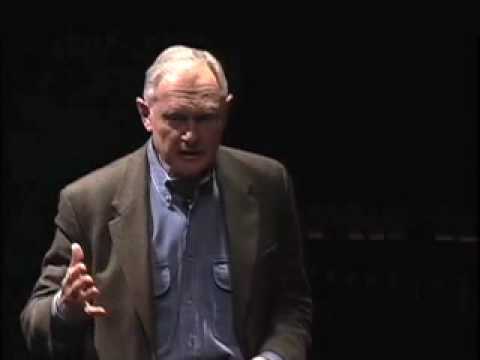
【TED】Sherwin Nuland: How electroshock therapy changed me (Sherwin Nuland: How electroshock therapy changed me)
0
劉老 posted on 2013/08/09Ever wondered about the history of mental health treatments? This powerful TED talk shares a personal journey through severe depression and electroconvulsive therapy, offering incredible insights and advanced vocabulary you won't want to miss! You'll gain a deeper understanding of psychiatric history while boosting your English skills.
Learn this video on the APP!
The VoiceTube App has more in-depth practice for videos!