
above ground
US /əˈbʌv ɡraʊnd/
UK /əˈbʌv ɡraʊnd/
- Preposition
- Located on or higher than the earth's surface.
B2Morealtitude
US /ˈæltɪˌtud,-ˌtjud/
UK /'æltɪtju:d/
- Noun
- Height of something above sea level
B2TOEICMoreannihilation
US /əˌnaɪəˈleʃən/
UK /əˌnaɪə'leɪʃn/
- Uncountable Noun
- Total destruction
C1MoreAs luck would have it
US
UK
- Phrase
- By chance; fortunately; coincidentally.
A1Moreasteroid
US /ˈæstəˌrɔɪd/
UK /ˈæstərɔɪd/
- Noun
- Very small planets that move around the sun
B2Moreastronomer
US /əˈstrɑ:nəmə(r)/
UK /əˈstrɒnəmə(r)/
- Countable Noun
- Scientist studying stars and other bodies in space
B2Moreat a distance
US
UK
- Phrase
- Far away; not close.
- Emotionally detached; not intimate.
B1Moreat least
US /æt list/
UK /æt li:st/
- Adverb
- As a minimum
- Not less than
- Phrase
- No less than; at the minimum
- Used to indicate that something is positive in a bad situation.
C2Moreblast
US /blæst/
UK /blɑ:st/
- Transitive Verb
- To attack someone with words
- To destroy something with explosives
- Noun (Countable/Uncountable)
- Destructive wave of air from an explosion
- Strong current of wind
B1Moreblockade
US /blɑ:ˈkeɪd/
UK /blɒˈkeɪd/
- Transitive Verb
- To block or impede the movement of people, objects
- Noun
- Arrangement that blocks or impedes movement
B2Moreby nature
US /baɪ ˈnetʃɚ/
UK /bai ˈneitʃə/
- Adverb
- Inherently; by one's character or disposition.
- Phrase
- Inherently; by one's natural disposition or character.
- According to its essential characteristics; intrinsically.
A2Morecaptain
US /ˈkæptən/
UK /'kæptɪn/
- Noun
- Title of a senior officer in the military
- Person in charge of a team, a ship or an airplane
- Transitive Verb
- To be in charge of a team, ship or airplane
B1Morecollide
US /kəˈlaɪd/
UK /kəˈlaɪd/
- Verb (Transitive/Intransitive)
- To come together or crash with a lot of force
- To disagree with or be very different from others
B1Morecome at
US /kʌm æt/
UK /kʌm æt/
- Phrasal Verb
- To approach someone to attack them
A1Morecomet
US /ˈkɑ:mət/
UK /ˈkɒmɪt/
- Noun
- Moving object in space, with a long, bright tail
B2Morecouple
US /ˈkʌpəl/
UK /'kʌpl/
- Transitive Verb
- To join something to something else
- (Two animals) to engage in sexual relations
- Noun (Countable/Uncountable)
- Two people in a romantic relationship
- Two of something; two people; a pair
A2Moredestructive
US /dɪˈstrʌktɪv/
UK /dɪ'strʌktɪv/
- Adjective
- Causing a very large amount of damage
- Tending to demolish or tear down; negative; unhelpful.
B2Moredue to
US /du tu/
UK /dju: tu:/
- Preposition
- Because of; owing to
- Adjective
- Attributable to; caused by.
A1Moreend in
US /ɛnd ɪn/
UK /end in/
- Phrasal Verb
- To have something as the final result.
explosion
US /ɪkˈsploʒən/
UK /ɪkˈspləʊʒn/
- Noun (Countable/Uncountable)
- Loud and sudden expression of emotion
- Sudden increase of something
B1Moreextremely
US /ɪk'strimlɪ/
UK /ɪkˈstri:mli/
- Adverb
- In a way that is much more than usual or expected
- Remarkably; unusually.
B1Morefallout
US /ˈfɔlˌaʊt/
UK /'fɔ:laʊt/
- Noun (Countable/Uncountable)
- Radioactive particles after a nuclear explosion
- The adverse results of a situation or action.
C2Morefor short
US /fɔr ʃɔrt/
UK /fɔ: ʃɔ:t/
- Phrase
- As a shortened form of a name or phrase.
A1Morefor the best
US
UK
- Phrase
- Resulting in the most positive or beneficial outcome, even if it's difficult or painful in the short term.
- Hoping for a positive outcome.
A1Morefunction
US /ˈfʌŋkʃən/
UK /'fʌŋkʃn/
- Noun
- Social event, or party such as a wedding
- Mathematical operation used in calculations
- Intransitive Verb
- To serve a certain purpose or role
- To be operating, working or achieving its purpose
A2TOEICMorego against
US
UK
- Phrasal Verb
- To disagree with or challenge someone
A1Moregrind to a halt
US /ɡraɪnd tə ə hɔlt/
UK /ɡraɪnd tə ə hɔ:lt/
- other
- To slow down gradually and then stop completely.
B2Morehave to
US /hæv tu/
UK /ˈhæv tə/
- Auxiliary Verb
- Must do
A1Morehaze
US /hez/
UK /heɪz/
- Noun (Countable/Uncountable)
- Dust, smoke, or gas that darkens or clouds the air
- State of confusion about thoughts, or meanings
- Transitive Verb
- To initiate members who perform dangerous acts
B2TOEICMoreimpact
US /ˈɪmˌpækt/
UK /'ɪmpækt/
- Noun
- A striking effect or result to hit with force
- Act or force of one thing hitting something else
- Verb (Transitive/Intransitive)
- To hit or strike someone or something with force
- To have a strong effect on someone or something.
A2TOEICMorein charge
US /ɪn tʃɑrdʒ/
UK /in tʃɑ:dʒ/
- Adverb
- To be responsible for
A1Morein fact
US /ɪn fækt/
UK /in fækt/
- Adverb
- Used to emphasize the truth of a statement, especially one that contrasts with or contradicts something else.
- Used to introduce a more detailed or surprising piece of information.
- Phrase
- Used to emphasize the truth of a statement, especially one that is surprising or contrary to what might be expected.
C1Morein other words
US
UK
- Phrase
- Stating something in a different way, often to make it clearer or more understandable.
In the event of
US
UK
- Phrase
- If something happens, especially something undesirable
A1Morein the way
US /ɪn ði we/
UK /in ðə wei/
- Phrase
- Obstructing someone or something; hindering progress.
- Stored or placed so as to be available or ready when needed.
A1Morein time
US /ɪn taɪm/
UK /in taim/
- Adverb
- Eventually; after a period of time.
- Not late; with enough time to spare.
- Phrase
- Eventually; before it is too late.
- According to the scheduled time; punctual.
A1Morein total
US /ɪn ˈtotl/
UK /in ˈtəutəl/
- Phrase
- Completely; with everything added together.
A1Moreinvestigation
US /ɪnˌvɛstɪˈɡeʃən/
UK /ɪnˌvestɪ'ɡeɪʃn/
- Noun (Countable/Uncountable)
- Search for information about something
B1Moreissue
US /ˈɪʃu/
UK /'ɪʃu:/
- Transitive Verb
- To make something available to be used or sold
- To deliver a statement, etc. in an official manner
- Noun (Countable/Uncountable)
- Important topic discussed, debated or argued over
- Single edition of a magazine
A2TOEICMorelaunch
US /lɔntʃ, lɑntʃ/
UK /lɔ:ntʃ/
- Noun
- Starting a new project; introducing new product
- Act of firing rockets into the air
- Transitive Verb
- To start a new project; start selling a product
- To put a rocket into the air
A2TOEICMoremalfunction
US /mælˈfʌŋkʃən/
UK /ˌmæl'fʌŋkʃn/
- Noun
- A failure of something to work properly
- Intransitive Verb
- To fail to work correctly
C1Moremigrate
US /ˈmaɪgreɪt/
UK /maɪˈgreɪt/
- Intransitive Verb
- To move from one country or place to live or work
B1Moremilitary
US /ˈmɪlɪˌtɛri/
UK /'mɪlətrɪ/
- Noun
- Army or armed forces
- Adjective
- Concerning the army or navy
B1Moremiracle
US /ˈmɪrəkəl/
UK /'mɪrəkl/
- Noun (Countable/Uncountable)
- Amazing, seemingly impossible thing that happened
- A remarkable event or development that brings very welcome consequences.
B1Moreobserve
US /əbˈzɜ:rv/
UK /əbˈzɜ:v/
- Verb (Transitive/Intransitive)
- To celebrate a particular holiday/religious event
- To obey or follow laws, rules, or customs
A2TOEICMoreoccur
US /əˈkɚ/
UK /əˈkɜ:(r)/
- Intransitive Verb
- To come to pass or to happen
- To be found to exist; to be present.
A2TOEICMoreof course
US /ʌv kɔː(r)s/
UK /ɔv kɔː(r)s/
- Adverb
- Sure ; Certainly
- Phrase
- For sure; certainly
A2Moreof itself
US /ʌv ɪtˈself/
UK /əv ɪtˈself/
- other
- Happening automatically without external cause or help.
B1Moreoff of
US /ɔf ʌv/
UK /ɔf ɔv/
- Preposition
- From a position on something; down from.
A1Moreon earth
US /ɑn ɚθ/
UK /ɔn ə:θ/
- Phrase
- Used to emphasize a question expressing surprise or anger.
- Used to emphasize that something is not possible or will not happen.
A1Moreon edge
US /ɑn ɛdʒ/
UK /ɔn edʒ/
- Adjective
- Anxious, nervous, or irritable.
- Tense and easily upset.
B1Moreon fire
US /ɑn faɪr/
UK /ɔn ˈfaiə/
- Adjective
- Very successful or popular
- Burning
A2Morepanic
US /ˈpænɪk/
UK /'pænɪk/
- Uncountable Noun
- Overwhelming feeling of fear and anxiety
- Intransitive Verb
- To feel sudden anxiety and fear and cannot think
B1Moreplanet
US /ˈplænɪt/
UK /'plænɪt/
- Noun (Countable/Uncountable)
- One of the bodies that orbit the sun
- A different world or sphere of existence.
- Proper Noun
- The earth.
A2Moreplunge
US /plʌndʒ/
UK /plʌndʒ/
- Intransitive Verb
- (Of prices, hopes etc.) to decrease very quickly
- Verb (Transitive/Intransitive)
- To dive (into water)
B1TOEICMoreprevent
US /prɪˈvɛnt/
UK /prɪ'vent/
- Transitive Verb
- To stop something from happening or existing
A2TOEICMoreprior
US /ˈpraɪɚ/
UK /'praɪə(r)/
- Adjective
- Existing or coming earlier in time
- (Of a claim, etc.) more important than another one
- Noun
- Monk or priest in charge of a monastery
B1TOEICMoreprogress
US /ˈprɑɡˌrɛs, -rəs, ˈproˌɡrɛs/
UK /'prəʊɡres/
- Verb (Transitive/Intransitive)
- To move forward or toward a place or goal
- To make progress; develop or improve.
- Uncountable Noun
- Act of moving forward
- The process of improving or developing something over a period of time.
A2TOEICMorerecorded history
US
UK
- Uncountable Noun
- The period of time for which written records exist.
A2Moreresult in
US /rɪˈzʌlt ɪn/
UK /riˈzʌlt in/
- Phrasal Verb
- To cause or produce as a consequence.
reveal
US /rɪˈvil/
UK /rɪ'vi:l/
- Transitive Verb
- To show something that was hidden before
A2TOEICMorerotation
US /roʊˈteɪʃn/
UK /rəʊˈteɪʃn/
- Uncountable Noun
- Regular change of the crops grown in a field
- Group who take turns performing a certain task
B2Morescale
US /skel/
UK /skeɪl/
- Noun (Countable/Uncountable)
- Size, level, or amount when compared
- Small hard plates that cover the body of fish
- Verb (Transitive/Intransitive)
- To change the size of but keep the proportions
- To climb something large (e.g. a mountain)
A2TOEICMoreslight
US /slaɪt/
UK /slaɪt/
- Adjective
- Small (amount, quality)
- Appearing thin, delicate and physically weak
- Transitive Verb
- To ignore or treat rudely and with no respect
B1Moresolar
US /ˈsolɚ/
UK /'səʊlə(r)/
- Adjective
- Concerning the sun, or its heat
B1Morespecifically
US /spəˈsɪfɪkli/
UK /spəˈsɪfɪkli/
- Adverb
- As regards a particular thing; closely related to
- In a definite and clear manner.
A2Morestrike
US /straɪk/
UK /straɪk/
- Transitive Verb
- To hit something
- To remove or erase.
- Noun (Countable/Uncountable)
- A punch or hit
- Fact of not hitting the ball when playing baseball
A2TOEICMoresubmarine
US /ˈsʌbməˌrin, ˌsʌbməˈrin/
UK /ˌsʌbməˈri:n/
- Noun
- Ship that travels above and below the sea
B2Moresubsequent
US /ˈsʌbsɪˌkwɛnt, -kwənt/
UK /ˈsʌbsɪkwənt/
- Adjective
- Happening after; later
B1Moresurface
US /ˈsɚfəs/
UK /'sɜ:fɪs/
- Transitive Verb
- To give (road) a top layer
- Intransitive Verb
- To appear after being hidden, unseen, or unknown
- To come to the top of something; emerge
A2TOEICMoretalking about
US
UK
- Phrasal Verb
- To discuss a particular topic.
- To be constantly mentioning or bringing up a subject.
A1Moretear off
US
UK
- Phrasal Verb
- To remove something quickly and forcefully by pulling it
A2Morethump
US /θʌmp/
UK /θʌmp/
- Noun
- Sound produced by a heavy blow; the blow
- Transitive Verb
- To hit with the fist, making a loud hollow sound
B2Moretorpedo
US /tɔrˈpido/
UK /tɔ:'pi:dəʊ/
- Noun
- Bomb that moves underwater to sink ships
- Transitive Verb
- To attack ships with underwater moving bombs
C1Moreturn around
US /tɚn əˈraʊnd/
UK /tə:n əˈraund/
- Phrasal Verb
- To change your body to the opposite direction
- To make something running badly into a success
- Verb (Transitive/Intransitive)
- To change direction so as to face the opposite way.
- To improve or cause to improve.
A1More
Vocabulary
- in total: Completely; with everything added together.
- at least: As a minimum
- In the event of: If something happens, especially something undesirable
- of itself: Happening automatically without external cause or help.
- come at: To approach someone to attack them
- at a distance: Far away; not close.
- on fire: Very successful or popular
- tear off: To remove something quickly and forcefully by pulling it
- above ground: Located on or higher than the earth's surface.
- by nature: Inherently; by one's character or disposition.
- result in: To cause or produce as a consequence.
- in the way: Obstructing someone or something; hindering progress.
- talking about: To discuss a particular topic.
- of course: Sure ; Certainly
- in fact: Used to emphasize the truth of a statement, especially one that contrasts with or contradicts something else.
- As luck would have it: By chance; fortunately; coincidentally.
- in time: Eventually; after a period of time.
- turn around: To change your body to the opposite direction
- on edge: Anxious, nervous, or irritable.
- in charge: To be responsible for
- go against: To disagree with or challenge someone
- in other words: Stating something in a different way, often to make it clearer or more understandable.
- for the best: Resulting in the most positive or beneficial outcome, even if it's difficult or painful in the short term.
- off of: From a position on something; down from.
- on earth: Used to emphasize a question expressing surprise or anger.
- end in: To have something as the final result.
- for short: As a shortened form of a name or phrase.
- recorded history: The period of time for which written records exist.
- due to: Because of; owing to
- have to: Must do
- grind to a halt: To slow down gradually and then stop completely.
- extremely: In a way that is much more than usual or expected
- reveal: To show something that was hidden before
- panic: Overwhelming feeling of fear and anxiety
- progress: To move forward or toward a place or goal
- scale: Size, level, or amount when compared
- impact: A striking effect or result to hit with force
- specifically: As regards a particular thing; closely related to
- strike: To hit something
- fear: Unpleasant feeling caused by being aware of danger
- prevent: To stop something from happening or existing
- function: Social event, or party such as a wedding
- issue: To make something available to be used or sold
- subsequent: Happening after; later
- military: Army or armed forces
- occur: To come to pass or to happen
- blast: To attack someone with words
- surface: To give (road) a top layer
- explain: To make clear or easy to understand by describing
- launch: Starting a new project; introducing new product
- observe: To celebrate a particular holiday/religious event
- planet: One of the bodies that orbit the sun
- risk: To do something potentially dangerous or foolish
- drop: Distance between a higher and a lower level
- couple: To join something to something else
- prior: Existing or coming earlier in time
- destructive: Causing a very large amount of damage
- ground: To break (coffee, etc.) into tiny bits with machine
- plunge: (Of prices, hopes etc.) to decrease very quickly
- altitude: Height of something above sea level
- slight: Small (amount, quality)
- investigation: Search for information about something
- asteroid: Very small planets that move around the sun
- storm: To act violently or angrily
- miracle: Amazing, seemingly impossible thing that happened
- continue: To do something without stopping, or after pausing
- event: Any social gathering; occasion; planned activity
- collide: To come together or crash with a lot of force
- migrate: To move from one country or place to live or work
- solar: Concerning the sun, or its heat
- captain: Title of a senior officer in the military
- rotation: Regular change of the crops grown in a field
- malfunction: A failure of something to work properly
- haze: Dust, smoke, or gas that darkens or clouds the air
- difficult: Hard; not easy; you need to work hard to do it
- explosion: Loud and sudden expression of emotion
- submarine: Ship that travels above and below the sea
- march: To force someone to walk somewhere
- wide: Having a great distance from one side to the other
- world: All the humans, events, activities on the earth
- forest: Large area with many trees
- begin: To do the first part of an action; to start
- fallout: Radioactive particles after a nuclear explosion
- earth: Wire connecting an electrical device to the ground
- astronomer: Scientist studying stars and other bodies in space
- annihilation: Total destruction
- comet: Moving object in space, with a long, bright tail
- torpedo: Bomb that moves underwater to sink ships
- blockade: To block or impede the movement of people, objects
- thump: Sound produced by a heavy blow; the blow
Get the full experience in the app
Learn anywhere with detailed sentence and usage analysis
01:03
She took a brave step forward, leaving behind her comfort zone to chase her dreams.
Vocabulary
- brave
adj. Having courage
- comfort zone
phr. A familiar situation where one feels safe
Explanation
a brave step is a noun phrase, where brave is an adjective modifying the noun step, meaning "a courageous step".
forward is an adverb modifying step, meaning "ahead".
The whole phrase serves as the object, answering the "what" of took (verb) — she took a brave step forward.
Get the full experience in the app
Look up words anytime with pronunciation, part of speech, and usage
brave
US/brev/
UK/breɪv/
adj.Brave
v.t.To bravely face
A2 Elementary
Get the full experience in the app
Practice speaking anytime and get instant pronunciation feedback
Try this speaking exercise.
Try practicing with this sentence.
80
0
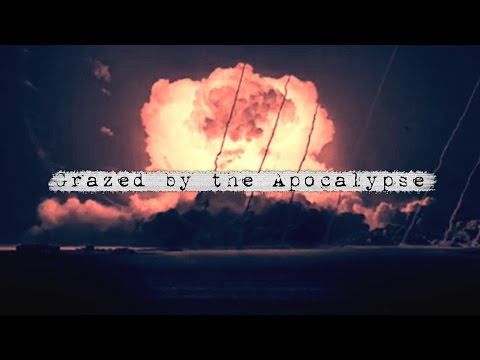
shes96011 posted on 2017/11/13Ever wondered how close humanity has come to total disaster? This video dives into incredible 'what if' scenarios, from the Tunguska event to the Cuban Missile Crisis, using declassified documents and eyewitness accounts. You'll boost your vocabulary with advanced terms and grasp complex sentence structures while learning about some truly wild historical moments!
Learn this video on the APP!
The VoiceTube App has more in-depth practice for videos!