
absent
US /ˈæbsənt/
UK /ˈæbsənt/
- Adjective
- Not present at a usual or expected place
- Without paying attention
- Verb (Transitive/Intransitive)
- To keep (oneself) away.
A2TOEICMoreabsolutely
US /ˈæbsəˌlutli, ˌæbsəˈlutli/
UK /ˈæbsəlu:tli/
- Adverb
- Completely; totally; very
- Considered independently and without relation to other things; viewed abstractly; as, quantity absolutely considered.
A2Moreafter all
US /ˈæftɚ ɔl/
UK /ˈɑ:ftə ɔ:l/
- Adverb
- In spite of what was expected; used to introduce a statement that supports a previous statement or explains why it was made
- Considering everything; used to indicate that something is happening or is true despite some difficulty or obstacle
- Phrase
- Despite what was expected or thought; in spite of everything.
- Taking everything into consideration; considering that.
B1Moreat that time
US /æt ðæt taɪm/
UK /æt ðæt taim/
- Phrase
- During a specific point in the past.
A1Moreat the same time
US
UK
- Phrase
- Simultaneously; at the identical moment.
- Nevertheless; however; used to introduce a contrasting or qualifying statement.
A1Moreattendance
US /əˈtɛndəns/
UK /əˈtendəns/
- Noun (Countable/Uncountable)
- Number of people present at a place or event
- State of being present at a place or event
B2TOEICMoreawkwardly
US /ˈɔkwə:dlɪ/
UK /'ɔ:kwədlɪ/
- Adverb
- With a lack of smooth movement
- With a lack of social ease
B1Morebehaving
US
UK
- Intransitive Verb
- To act correctly
- To act in a particular way
A2Morebelly
US /ˈbɛli/
UK /'belɪ/
- Noun (Countable/Uncountable)
- Middle part of the body; the stomach
- A bulging or rounded part of something.
- Verb (Transitive/Intransitive)
- To expand outward; swell
- To swell like a balloon
B2Morebiology
US /baɪˈɑlədʒi/
UK /baɪˈɒlədʒi/
- Uncountable Noun
- The study of living things
A2Moreblank
US /blæŋk/
UK /blæŋk/
- Adjective
- Showing no emotion or understanding
- Being empty; not filled out; with no writing on it
- Noun
- Empty space on a form which you fill in
A2Moreblend in
US /blɛnd ɪn/
UK /blend in/
- Phrasal Verb
- To look or behave like the surrounding people so you are not easily noticed.
C2Morecall out
US /kɔl aʊt/
UK /kɔ:l aut/
- Phrasal Verb
- To criticize someone to modify their behavior
- To announce or specify, e.g. in a list
- Transitive Verb
- To summon or request the presence of someone, especially for assistance or service.
- To publicly criticize or denounce someone for their actions or behavior.
A1Morecarrot
US /ˈkærət/
UK /ˈkærət/
- Noun
- Reward offered to make someone do something
- Long hard orange vegetable that grows underground
B1Morechoke
US /tʃoʊk/
UK /tʃəʊk/
- Transitive Verb
- To cause someone not to breathe
- To suppress or restrain.
- Intransitive Verb
- To be unable to breath due to a blockage
B2Morecome to think of it
US
UK
- Phrase
- Used when you suddenly remember or realize something, often leading to a change in perspective or a new thought.
A1Morecome up to
US
UK
- Phrasal Verb
- To meet expectations
A1Morecorrect
US /kəˈrɛkt/
UK /kə'rekt/
- Adjective
- Being suitable and appropriate for an occasion
- True or accurate
- Transitive Verb
- To fix a problem
- To write marks on a piece of work to show mistakes
A2Morecough
US /kɔ:f/
UK /kɒf/
- Intransitive Verb
- To suddenly expel air from the lungs
- Noun
- Act of pushing out air from your body suddenly
A2Moredeal out
US /dil aʊt/
UK /di:l aut/
- Phrasal Verb
- To distribute something, especially playing cards or portions of something.
B1Moreexpire
US /ɪkˈspaɪr/
UK /ɪk'spaɪə(r)/
- Intransitive Verb
- To breathe out
- To die
B2TOEICMorefaint
US /fent/
UK /feɪnt/
- Intransitive Verb
- To suddenly become unconscious and fall down
- Adjective
- Lacking strength; weak; lacking clarity
- Very small, as in a chance or hope
A2Morefist
US /fɪst/
UK /fɪst/
- Noun
- Tightly closed hand, as when you punch someone
B2Morefor some reason
US /fɔr sʌm ˈrizən/
UK /fɔ: sʌm ˈri:zən/
- Phrase
- For a reason that is not known or not easily explained.
A1Morefor the most part
US
UK
- Phrase
- Generally; mostly; on the whole.
- Mostly; generally; in most cases.
A1Morefor the rest
US /fɔr ði rɛst/
UK /fɔ: ðə rest/
- Phrase
- Concerning the remaining people or things.
- During the remaining part of a period of time.
A1Morefunny business
US
UK
- Noun (Countable/Uncountable)
- Dishonest or suspicious activity.
A1Moregasping
US /'gæspɪŋ/
UK /'gɑ:spɪŋ/
- Intransitive Verb
- To take a short quick breath because of surprise
B1Moreget behind
US /ɡɛt bɪˈhaɪnd/
UK /ɡet biˈhaind/
- Phrasal Verb
- To support or encourage.
- To fail to make enough progress or to do something by a particular time.
glance
US /glæns/
UK /glɑ:ns/
- Noun
- Quick or temporary look at
- Intransitive Verb
- To look somewhere quickly and then look away
A2Moreglance over
US /ɡlæns ˈovɚ/
UK /ɡlɑ:ns ˈəuvə/
- Phrasal Verb
- To read something quickly and not carefully.
B1Moregrab
US /ɡræb/
UK /ɡræb/
- Transitive Verb
- To take and hold something quickly
A2Morehatred
US /ˈhetrɪd/
UK /ˈheɪtrɪd/
- Uncountable Noun
- Very strong feeling of dislike; hate
B2Morehave to
US /hæv tu/
UK /ˈhæv tə/
- Auxiliary Verb
- Must do
A1Morein with
US /ɪn wɪð/
UK /in wið/
- Phrase
- Fashionable or popular at the moment.
- Having influence or favor with someone.
- Phrasal Verb
- To introduce or bring something new into a system or organization.
A1Moreindividual
US /ˌɪndəˈvɪdʒuəl/
UK /ˌɪndɪˈvɪdʒuəl/
- Countable Noun
- Single person, looked at separately from others
- A single thing or item, especially when part of a set or group.
- Adjective
- Made for use by one single person
- Having a distinct manner different from others
A2Morejuvenile
US /ˈdʒuvəˌnaɪl, -nəl/
UK /ˈdʒu:vənaɪl/
- Adjective
- Concerning young people or children
- Noun
- Someone who is young; a child
B2Morekinda
US /'kaɪndə/
UK /'kaɪndə/
- Noun
- Short way of saying 'kind of'
- Adverb
- Somewhat; to some extent; rather.
- Sort of; in a way.
B2Morelecture
US /ˈlɛktʃɚ/
UK /'lektʃə(r)/
- Transitive Verb
- To speak to someone to show anger or warn them
- To give a talk or speech about a subject
- Noun (Countable/Uncountable)
- Telling someone off for doing something wrong
- Talk or speech about a particular subject
A2TOEICMorelegit
US /ləˈdʒɪt/
UK /lɪˈdʒɪt/
- Adjective
- As recognized by the law
B2Morelook at
US /lʊk æt/
UK /luk æt/
- Phrasal Verb
- To use your eyes to focus on something
- To focus your eyes on something carefully
A1Moreof a sudden
US
UK
- Phrase
- Quickly and unexpectedly; suddenly.
B2Moreout of it
US /aʊt ʌv ɪt/
UK /aut ɔv it/
- Adjective
- Unconscious or not completely alert; dazed or confused.
- Not able to think clearly or react quickly; not with it.
A1Moreover the top
US /ˈovɚ ði tɑp/
UK /ˈəuvə ðə tɔp/
- Adjective
- More than what is considered normal or suitable; exaggerated.
- So extreme that it is offensive.
- Adverb
- To an excessive degree; excessively.
A1Moreover to
US
UK
- Preposition
- Used to hand over to someone else to speak
- The responsibility is now yours
paragraph
US /ˈpærəgræf/
UK /ˈpærəgrɑ:f/
- Noun (Countable/Uncountable)
- Section of writing dealing with one point
- A section or clause in a legal document.
- Transitive Verb
- To organize a written work into paragraphs
B1TOEICMorepass out
US /pæs aʊt/
UK /pɑ:s aut/
- Phrasal Verb
- To distribute or hand out papers to people
- To faint; lose consciousness
A1Morepoke
US /pok/
UK /pəʊk/
- Transitive Verb
- To give a push, thrust, or jab
B2Morepop in
US /pɑp ɪn/
UK /pɔp in/
- Phrasal Verb
- To visit someone briefly.
A2Moreprocedure
US /prəˈsidʒɚ/
UK /prəˈsi:dʒə(r)/
- Noun
- A medical operation
- Usual or standard steps taken to do something
B1TOEICMoreproceed
US /proʊˈsi:d/
UK /prəˈsi:d/
- Verb (Transitive/Intransitive)
- To continue to do something; carry on
- To go forward in a certain direction
A2TOEICMorepronounce
US /prəˈnaʊns/
UK /prə'naʊns/
- Transitive Verb
- To state something in a legal or official way
- To give your opinion or decision about something
B1Moreproudly
US /ˈpraʊdlɪ/
UK /ˈpraʊdli/
- Adverb
- With pride; in a proud manner
B1Morereaction
US /riˈækʃən/
UK /rɪ'ækʃn/
- Noun
- Bodily response to a drug or something eaten
- Feeling or action in response to something
A2Morerelieved
US /rɪˈlivd/
UK /rɪˈli:vd/
- Transitive Verb
- To make less boring by making some change
- To replace workers with others
- Adjective
- Feeling reduced stress
B1Morerough
US /rʌf/
UK /rʌf/
- Adjective
- Causing or involving violence, force, and harm
- (Of situations) tough; difficult to get through
- Adverb
- In a manner that is difficult, or violent
A2Moresame time
US
UK
- Phrase
- Occurring simultaneously or at the same point in time.
- At the identical time as before; recurring at a fixed hour.
- Noun
- An equal duration or period.
A1Moreshuffle
US /ˈʃʌfəl/
UK /'ʃʌfl/
- Transitive Verb
- To change the order of items/people in a group
B2Moreside against
US /saɪd əˈgɛnst/
UK /saɪd əˈgenst/
- other
- To support one party in opposition to another.
B2Moresimplicity
US /sɪmˈplɪsɪti/
UK /sɪm'plɪsətɪ/
- Uncountable Noun
- Being easy to understand or use
C1Moresit down
US /sit daʊn/
UK /sit daun/
- Phrasal Verb
- To take a seat
A1Moreslate
US /slet/
UK /sleɪt/
- Transitive Verb
- To strongly criticize someone usually in public
- To plan for something to occur
- Countable Noun
- List of people attempting to win an election
- Piece of flat rock used for roofing buildings
B2TOEICMoreslavery
US /ˈslevəri, ˈslevri/
UK /ˈsleɪvəri/
- Uncountable Noun
- State or condition of being a slave
B1Moresubstitute
US /ˈsʌbstɪˌtut, -ˌtjut/
UK /'sʌbstɪtju:t/
- Transitive Verb
- To perform the tasks instead of someone else
- To replace one person or thing for another
- Noun
- A person or thing acting in place of another
B2TOEICMorethink of
US /θɪŋk ʌv/
UK /θiŋk ɔv/
- Phrasal Verb
- To look on as (being something specific); consider
- To consider or remember something.
- Verb (Transitive/Intransitive)
- To imagine or call something to mind
A1Morethrust
US /θrʌst/
UK /θrʌst/
- Transitive Verb
- To move (e.g. a knife) forcefully towards someone
- To push someone or something with great strength
- Noun (Countable/Uncountable)
- Movement of (e.g. a knife) towards someone
- Primary purpose or meaning of something
B2Moretolerate
US /ˈtɑ:ləreɪt/
UK /ˈtɒləreɪt/
- Transitive Verb
- To be able to adjust to changes of various kinds
- To be able to survive under specific conditions
B1Moreused to
US /juzd tu/
UK /ˈju:st tə/
- Adjective
- Did regularly before, but don't do now
- Auxiliary Verb
- Have done before, but do not do now
A1Morewaist
US /west/
UK /weɪst/
- Noun (Countable/Uncountable)
- Narrower part of your body between hips and chest
- The top part of trousers or a skirt
B1Morewanna
US /ˈwɑnə/
UK /'wɒnə/
- Verb (Transitive/Intransitive)
- Shortened form of 'want to'. Used only in speaking
B2Moreweird
US /wɪrd/
UK /wɪəd/
- Adjective
- Odd or unusual; surprising; strange
- Eerily strange or disturbing.
B1Morewitness
US /ˈwɪtnɪs/
UK /'wɪtnəs/
- Transitive Verb
- To see the signing of an official document
- To see an event take place (usually a crime)
- Noun (Countable/Uncountable)
- Person who was present to see an event take place
- Evidence or proof of something
B1TOEICMorework on
US /wɚk ɑn/
UK /wə:k ɔn/
- Phrasal Verb
- To devote effort to improve or develop something
- To try to persuade or influence someone.
A1Moreworksheet
US
UK
- Noun
- Piece of paper showing work planned or done
C2Morezip
US /zɪp/
UK /zɪp/
- Transitive Verb
- To compress digital documents into one file
- To close using a zipper
- Noun (Countable/Uncountable)
- Energy; vigor; determination
- Way to say 'nothing' or 'zero'
B1Morezip up
US /zɪp ʌp/
UK /zip ʌp/
- Phrasal Verb
- To fasten something with a zipper.
zombie
US /ˈzɑmbi/
UK /ˈzɔmbi/
- Noun (Countable/Uncountable)
- Dead person who exists among the living
- A fictional undead being, typically depicted as a reanimated corpse.
- Adjective
- Resembling or characteristic of a zombie.
C1More
Vocabulary
- have to: Must do
- sit down: To take a seat
- call out: To criticize someone to modify their behavior
- for the most part: Generally; mostly; on the whole.
- glance over: To read something quickly and not carefully.
- pop in: To visit someone briefly.
- of a sudden: Quickly and unexpectedly; suddenly.
- at that time: During a specific point in the past.
- for some reason: For a reason that is not known or not easily explained.
- get behind: To support or encourage.
- side against: To support one party in opposition to another.
- after all: In spite of what was expected; used to introduce a statement that supports a previous statement or explains why it was made
- over to: Used to hand over to someone else to speak
- come to think of it: Used when you suddenly remember or realize something, often leading to a change in perspective or a new thought.
- think of: To look on as (being something specific); consider
- in with: Fashionable or popular at the moment.
- blend in: To look or behave like the surrounding people so you are not easily noticed.
- funny business: Dishonest or suspicious activity.
- zip up: To fasten something with a zipper.
- look at: To use your eyes to focus on something
- used to: Did regularly before, but don't do now
- deal out: To distribute something, especially playing cards or portions of something.
- out of it: Unconscious or not completely alert; dazed or confused.
- work on: To devote effort to improve or develop something
- pass out: To distribute or hand out papers to people
- come up to: To meet expectations
- for the rest: Concerning the remaining people or things.
- at the same time: Simultaneously; at the identical moment.
- same time: Occurring simultaneously or at the same point in time.
- over the top: More than what is considered normal or suitable; exaggerated.
- weird: Odd or unusual; surprising; strange
- individual: Single person, looked at separately from others
- absolutely: Completely; totally; very
- situation: Place, position or area that something is in
- grab: To take and hold something quickly
- crap: Impolite way of saying something is not good; Faeces
- exist: To be present, alive or real
- kinda: Short way of saying 'kind of'
- pronounce: To state something in a legal or official way
- substitute: To perform the tasks instead of someone else
- belly: Middle part of the body; the stomach
- tolerate: To be able to adjust to changes of various kinds
- witness: To see the signing of an official document
- lecture: To speak to someone to show anger or warn them
- reaction: Bodily response to a drug or something eaten
- rough: Causing or involving violence, force, and harm
- legit: As recognized by the law
- reason: To think and make conclusions in a logical manner
- glance: Quick or temporary look at
- throw: To use your arm to make something fly in the air
- hatred: Very strong feeling of dislike; hate
- correct: Being suitable and appropriate for an occasion
- proceed: To continue to do something; carry on
- wanna: Shortened form of 'want to'. Used only in speaking
- paragraph: Section of writing dealing with one point
- poke: To give a push, thrust, or jab
- juvenile: Concerning young people or children
- procedure: A medical operation
- waist: Narrower part of your body between hips and chest
- faint: To suddenly become unconscious and fall down
- choke: To cause someone not to breathe
- thrust: To move (e.g. a knife) forcefully towards someone
- person: Man, woman or child
- slate: To strongly criticize someone usually in public
- wrong: Action that is harmful, unjust or illegal
- blank: Showing no emotion or understanding
- fist: Tightly closed hand, as when you punch someone
- guy: Man; boy; any person
- front: Behavior not showing a person's true feelings
- know: To be familiar with a person or place, thing
- expire: To breathe out
- start: First time or place that a thing exists; beginning
- absent: Not present at a usual or expected place
- slavery: State or condition of being a slave
- carrot: Reward offered to make someone do something
- simplicity: Being easy to understand or use
- shuffle: To change the order of items/people in a group
- cough: To suddenly expel air from the lungs
- zombie: Dead person who exists among the living
- biology: The study of living things
- zip: To compress digital documents into one file
- relieved: To make less boring by making some change
- hear: To be aware of sound; to perceive with the ear
- time: Speed at which music is played; tempo
- look: Person's beauty or physical attractiveness
- people: Persons sharing culture, country, background, etc.
- attendance: Number of people present at a place or event
- awkwardly: With a lack of smooth movement
- worksheet: Piece of paper showing work planned or done
- proudly: With pride; in a proud manner
- gasping: To take a short quick breath because of surprise
- behaving: To act correctly
Get the full experience in the app
Learn anywhere with detailed sentence and usage analysis
01:03
She took a brave step forward, leaving behind her comfort zone to chase her dreams.
Vocabulary
- brave
adj. Having courage
- comfort zone
phr. A familiar situation where one feels safe
Explanation
a brave step is a noun phrase, where brave is an adjective modifying the noun step, meaning "a courageous step".
forward is an adverb modifying step, meaning "ahead".
The whole phrase serves as the object, answering the "what" of took (verb) — she took a brave step forward.
Get the full experience in the app
Look up words anytime with pronunciation, part of speech, and usage
brave
US/brev/
UK/breɪv/
adj.Brave
v.t.To bravely face
A2 Elementary
Get the full experience in the app
Practice speaking anytime and get instant pronunciation feedback
Try this speaking exercise.
Try practicing with this sentence.
80
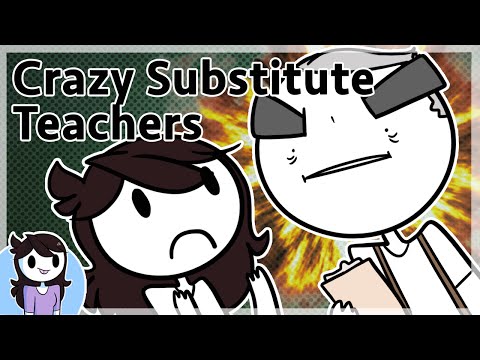
Crazy Substitute Teachers
0
Pedroli Li posted on 2017/09/26Ever had a substitute teacher who was just... something else? This hilarious high school story dives into a wild choking incident and how a deadpan sub became an unexpected hero using the Heimlich maneuver! You'll pick up practical situational dialogue and learn about emergency procedures in this super cringeworthy, yet totally memorable, classroom tale.
Learn this video on the APP!
The VoiceTube App has more in-depth practice for videos!