
affect
US /əˈfɛkt/
UK /ə'fekt/
- Transitive Verb
- To cause a change in something else
- To pretend to have or feel (something).
- Noun
- (Psychology) Emotion or feeling.
A2TOEICMoreall over the place
US
UK
- Phrase
- In a state of disorder; scattered everywhere.
- In many different locations; widely distributed.
- Adjective
- Mentally or emotionally disorganized; confused or erratic.
A1Moreanalyze
US /ˈænəˌlaɪz/
UK /'ænəlaɪz/
- Transitive Verb
- To study carefully to find out the meaning of
B1TOEICMorearound the world
US /əˈraʊnd ði wɜrld/
UK /əˈraund ðə wɜː(r)ld/
- Phrase
- In or to many countries.
- In various places throughout the world.
A2Moreas long as
US /æz lɔŋ æz/
UK /æz lɔŋ æz/
- Conjunction
- For the period that; provided that.
- For the length of time that
- Preposition
- On the condition that; providing that.
- Having the same length as.
A1Moreas soon as
US /æz sun æz/
UK /æz su:n æz/
- Phrase
- In a short time after (something happens)
- Without any delay; immediately
- Conjunction
- At the moment that, or immediately after.
A1Moreas true as
US
UK
- Phrase
- Used to emphasize the truth of a statement by comparing it to something known to be true.
- Extremely loyal and reliable.
A2Moreat a time
US /æt e taɪm/
UK /æt ə taim/
- Phrase
- Separately; one by one
- Simultaneously; together
A1Moreat home
US /æt hom/
UK /æt həum/
- Phrase
- In one's own residence or country.
- Adjective
- Feeling comfortable and relaxed.
at least
US /æt list/
UK /æt li:st/
- Adverb
- As a minimum
- Not less than
- Phrase
- No less than; at the minimum
- Used to indicate that something is positive in a bad situation.
C2Moreat school
US
UK
- Phrase
- Present and attending school.
A1Moreat some point
US /æt sʌm pɔɪnt/
UK /æt sʌm pɔint/
- Phrase
- At an unspecified time, usually in the future.
A1Moreat the same time
US
UK
- Phrase
- Simultaneously; at the identical moment.
- Nevertheless; however; used to introduce a contrasting or qualifying statement.
A1Moreattentive to
US
UK
- Adjective
- Paying close attention to someone or something.
- Considerate and helpful; making sure that people have what they need.
A1Moreback up
US /bæk ʌp/
UK /bæk ʌp/
- Phrasal Verb
- To save a copy of your computer data
- To confirm the truth of what someone says
A1Morebad idea
US
UK
- Phrase
- An unwise or imprudent course of action.
A2Morebeat up
US /bit ʌp/
UK /bi:t ʌp/
- Phrasal Verb
- To hurt someone badly by hitting and punching
- Transitive Verb
- To assault or physically harm someone.
A2Morebeep
US /bip/
UK /bi:p/
- Noun
- Short high sound such as that made by a car horn
- Intransitive Verb
- To make a sharp high sound like that of a car horn
C1Morebox in
US /bɑks ɪn/
UK /bɒks ɪn/
- other
- To trap or prevent movement by surrounding closely.
B2Morebox out
US /bɑks aʊt/
UK /bɒks aʊt/
- other
- To position yourself to block an opponent, commonly in basketball.
B2Morebuild a house
US
UK
- Transitive Verb
- To construct a building for habitation.
A1Moreby and large
US /baɪ ənd lɑrdʒ/
UK /bai ænd lɑ:dʒ/
- Phrase
- Generally; on the whole; mostly.
- Taking everything into consideration; all things considered.
A2Morecall up
US
UK
- Phrasal Verb
- To require someone to join the army
- To bring to your memory
A1Morecame across as
US
UK
- Phrasal Verb
- To give a particular impression; to seem.
A1Morecare of
US /kɛr ʌv/
UK /kɛə ɔv/
- Preposition
- Used in an address to indicate the person who will receive the mail for someone else.
A2Morecatholic
US /ˈkæθəlɪk, ˈkæθlɪk/
UK /ˈkæθlɪk/
- Adjective
- One of many Christian belief systems
- Noun
- Person believing in the Catholic church
B2Morecome around
US /kʌm əˈraʊnd/
UK /kʌm əˈraund/
- Phrasal Verb
- To eventually change your opinion or be persuaded to agree with someone else's.
- To visit someone at their house.
A1Morecome back
US /kʌm bæk/
UK /kʌm bæk/
- Phrasal Verb
- To reply to someone, often forcefully
- To be remembered
A1Morecome up
US /kʌm ʌp/
UK /kʌm ʌp/
- Phrasal Verb
- To come closer to someone; approach
- (Of sun) to rise into the sky in the morning
A1Morecome up to
US
UK
- Phrasal Verb
- To meet expectations
A1Morecome up with
US /kʌm ʌp wɪð/
UK /kʌm ʌp wið/
- Phrasal Verb
- To think of an idea or solution; produce
A1Moreconnect
US /kəˈnɛkt/
UK /kə'nekt/
- Transitive Verb
- To associate a thing with something else
- To join or attach things together
A2Moreconnected with
US
UK
- Phrase
- Related to; associated with.
- Involved with; having a relationship with.
- Phrasal Verb
- Was associated or linked to someone or something.
- Felt understanding or empathy with someone or something.
B1Moreculture
US /ˈkʌltʃɚ/
UK /'kʌltʃə(r)/
- Noun (Countable/Uncountable)
- Beliefs and customs of a particular group
- The customs, beliefs, art, and all the other things that a group of people share and consider important.
- Transitive Verb
- To grow cells, tissues, bacteria, etc. in a controlled environment.
A2Moredeal with
US /dil wɪð/
UK /di:l wið/
- Verb (Transitive/Intransitive)
- To buy or sell goods or services.
- Phrasal Verb
- To take action to solve a problem or manage a situation.
- To be about; concern.
A1Moredo in
US
UK
- Phrasal Verb
- To make completely tired out and exhausted
- To destroy or cause damage to someone
A1Moredress up
US /drɛs ʌp/
UK /dres ʌp/
- Phrasal Verb
- To put on your best clothes, e.g. for a party
- To wear formal or fancy clothes.
- Verb (Transitive/Intransitive)
- To wear formal or fancy clothes.
- To make something more attractive or elaborate.
A1Moreearn it
US
UK
- Verb (Transitive/Intransitive)
- To deserve something as a result of one's actions or efforts.
A2Morefeel like
US
UK
- Intransitive Verb
- To have a desire or inclination for something.
- To have a particular quality or sensation; resemble.
A1Morefeel the need
US
UK
- Phrase
- To have a strong desire or urge to do something.
A1Morefill in
US /fɪl ɪn/
UK /fil in/
- Phrasal Verb
- To put earth in e.g. a hole
- To explain the context so that someone understands
- Verb (Transitive/Intransitive)
- To write or type information in a blank space.
- To temporarily do someone else's job.
A1Morefor a minute
US
UK
- Phrase
- For a short period of time; briefly.
- Used to indicate a sudden realization or thought.
A1Morefor example
US
UK
- Phrase
- As an illustration or instance.
for some reason
US /fɔr sʌm ˈrizən/
UK /fɔ: sʌm ˈri:zən/
- Phrase
- For a reason that is not known or not easily explained.
A1Moreforbidden fruit
US
UK
- Noun
- Something that is desired because it is not allowed.
B2Moreforget about
US /fɚˈɡɛt əˈbaʊt/
UK /fəˈɡet əˈbaut/
- Phrasal Verb
- To stop thinking about something; to ignore something.
A1Morefound out
US
UK
- Phrasal Verb
- To learn or discover something, often after some effort.
- To become known; be revealed.
B2Morefreak out
US /frik aʊt/
UK /fri:k aut/
- Phrasal Verb
- To react or behave in a wild or irrational way
- To become very anxious, upset, or afraid; to panic.
- Intransitive Verb
- To experience or display extreme emotions, such as fear or panic.
- To have a very disturbing and frightening experience caused by taking drugs.
B2Moregenerally
US /ˈdʒɛnərəli/
UK /ˈdʒenrəli/
- Adverb
- Usually; as a rule; by, to or for most people
A2Moreget into it
US
UK
- Phrasal Verb
- To become interested in something and enjoy it.
- To start a career or profession.
- Intransitive Verb
- To become interested in something.
A1Moreget out of
US /ɡɛt aʊt ʌv/
UK /ɡet aut ɔv/
- Phrasal Verb
- To leave or escape responsibilities, troubles
- To leave a small, enclosed vehicle
A1Moreget through
US /ɡɛt θru/
UK /ɡet θru:/
- Phrasal Verb
- To arrive at the end of or finish something
- To succeed in contacting someone by phone
A1Moregive and take
US /ɡɪv ənd tek/
UK /ɡiv ænd teik/
- Phrase
A1Moregive back
US /ɡɪv bæk/
UK /ɡiv bæk/
- Phrasal Verb
- To return something you borrowed
A1Morego ahead
US /ɡo əˈhɛd/
UK /ɡəu əˈhed/
- Phrasal Verb
- To start an activity; start doing, working etc.
- To give permission to do something
- Intransitive Verb
- To start or proceed with something
- To proceed despite potential obstacles or doubts.
A1Morego away
US /ɡo əˈwe/
UK /ɡəu əˈwei/
- Phrasal Verb
- To go on vacation
- To leave; depart.
A1Morego back to
US /ɡo bæk tu/
UK /ɡəu bæk tu:/
- Phrasal Verb
- To return to a starting point
A1Morego out
US /ɡo aʊt/
UK /ɡəu aut/
- Phrase
- To leave a building (e.g. a house)
- Phrasal Verb
- (Of a fire) to burn out; be extinguished
- Go out of fashion to stop being fashionable
A1Morego with the flow
US /goʊ wɪð ðə floʊ/
UK /gəu wɪð ðə fləu/
- other
- To accept and adapt to events without resistance.
B1Moregot to
US /ɡɑt tu/
UK /gɔt tu:/
- Verb (Transitive/Intransitive)
- To arrive at some place
- To have the opportunity or permission to do something
- Phrasal Verb
- To appeal to the emotions of; move
- To finally begin to start something after a delay
A1Moregreen light
US /ɡrin laɪt/
UK /ɡri:n lait/
- Phrase
- Noun
- Permission to proceed with a project or plan.
- A green traffic signal indicating permission to proceed.
A1Morehalfway through
US
UK
- Adverb
- At or in the middle of a period of time or an activity.
- Phrase
- Having completed approximately half of something.
A2Morehandle
US /ˈhændl/
UK /'hændl/
- Transitive Verb
- To cope with or take responsibility for
- To control a machine, car etc.
- Countable Noun
- The part of a door you hold to open it
- Thing you hold to carry or open a bag, pan etc.
A2TOEICMorehang on
US /hæŋ ɑn/
UK /hæŋ ɔn/
- Phrasal Verb
- To wait for the person you phoned to answer
- To persevere or persist, especially in a difficult situation.
A2Morehave a cow
US /hæv ə kaʊ/
UK /hæv ə kaʊ/
- other
- To become very upset or angry.
B2Morehave to
US /hæv tu/
UK /ˈhæv tə/
- Auxiliary Verb
- Must do
A1Morehide behind
US /haɪd bɪˈhaɪnd/
UK /haɪd bɪˈhaɪnd/
- other
- To avoid responsibility or truth by using something as an excuse.
- To put oneself out of sight by staying at the back of something.
B1Moreidiot
US /ˈɪdiət/
UK /'ɪdɪət/
- Noun
- A person who is foolish or not very smart
B2Morein a minute
US
UK
- Phrase
- Very soon; in a short amount of time.
- Within the duration of one minute.
A1Morein advance
US /ɪn ædˈvæns/
UK /in ədˈvɑ:ns/
- Phrase
- Ahead of time; before something happens
- Noun
- A payment made before it is due, especially for work to be done
A2Morein all likelihood
US /ɪn ɔl ˈlaɪkliˌhʊd/
UK /in ɔ:l ˈlaiklihud/
- Phrase
- Very probably; almost certainly.
A1Morein bloom
US /ɪn blum/
UK /in blu:m/
- Adjective
- Having flowers; flowering.
- Flourishing; at a peak of development or success.
A1Morein business
US /ɪn ˈbɪznɪs/
UK /in ˈbiznis/
- Phrase
- Actively operating as a commercial enterprise.
- Having a commercial partnership or association.
A1Morein charge
US /ɪn tʃɑrdʒ/
UK /in tʃɑ:dʒ/
- Adverb
- To be responsible for
A1Morein detail
US /ɪn dɪˈtel/
UK /in ˈdi:teil/
- Phrase
- Thoroughly and completely; giving full particulars.
A2Morein fact
US /ɪn fækt/
UK /in fækt/
- Adverb
- Used to emphasize the truth of a statement, especially one that contrasts with or contradicts something else.
- Used to introduce a more detailed or surprising piece of information.
- Phrase
- Used to emphasize the truth of a statement, especially one that is surprising or contrary to what might be expected.
C1Morein general
US /ɪn ˈdʒɛnərəl/
UK /in ˈdʒenərəl/
- Phrase
- Typically; usually; on the whole.
- Not specific or detailed; broadly.
- Adjective
- Not detailed or specific; overall.
C2Morein green
US /ɪn ɡrin/
UK /ɪn ɡri:n/
- other
- Located in or surrounded by green plants or fields.
B2Morein love with
US //ɪn lʌv wɪð//
UK
- Adjective
- Feeling romantic love for someone.
- Extremely enthusiastic about or fond of something.
A1Morein on
US
UK
- Phrase
- To be involved in a secret or plan.
- To be aware of something that is secret or not generally known.
A1Morein other words
US
UK
- Phrase
- Stating something in a different way, often to make it clearer or more understandable.
in the first place
US
UK
- Phrase
- To begin with; as the first point or consideration.
- From the beginning; initially.
A1Morein the house
US
UK
- Phrase
- Located inside a building used as a dwelling.
- Within a legislative body, such as a parliament or congress.
A1Morein the middle of
US
UK
- Phrase
- In the central part or point of something.
- Engaged or occupied with something.
A2Morein the world
US /ɪn ði wɜrld/
UK /in ðə wɜː(r)ld/
- Phrase
- Used to emphasize a question expressing surprise, confusion, disbelief
- Used to indicate the extent or degree of something, often in a superlative sense
A1Morein trouble
US /ɪn ˈtrʌbəl/
UK /in ˈtrʌbl/
- Adjective
- Experiencing difficulties, problems, or legal issues.
- other
- In serious trouble or difficulty.
A1Moreinside of
US /ɪnˈsaɪd ʌv/
UK /inˈsaid ɔv/
- Preposition
- Within; in the inner part of.
- Within a certain period of time.
A1Moreinstitution
US /ˌɪnstɪˈtuʃən, -ˈtju-/
UK /ˌɪnstɪˈtju:ʃn/
- Noun (Countable/Uncountable)
- Organization created for a particular aim/purpose
- Tradition, custom or system accepted by a group
A2TOEICMoreinterest of
US
UK
- Phrase
- For the benefit or advantage of someone or something.
- A feeling of wanting to know or learn about something or someone.
- Noun
- A legal share or right in something.
A1Moreissue
US /ˈɪʃu/
UK /'ɪʃu:/
- Transitive Verb
- To make something available to be used or sold
- To deliver a statement, etc. in an official manner
- Noun (Countable/Uncountable)
- Important topic discussed, debated or argued over
- Single edition of a magazine
A2TOEICMorekeep it up
US /kip ɪt ʌp/
UK /ki:p it ʌp/
- Phrasal Verb
- To continue doing something well
A1Morekick out
US /kɪk aʊt/
UK /kik aut/
- Phrasal Verb
- To force to leave because of poor grades, behavior
A2Moreknock your socks off
US /nɑk jʊɚ sɑks ɔf/
UK /nɒk jɔ: sɒks ɒf/
- other
- To greatly impress or surprise you.
- To surprise or impress someone very much.
B2Morelead to
US /lid tu/
UK /li:d tu:/
- Phrasal Verb
- To result in some action
- Verb (Transitive/Intransitive)
- To have something as a consequence or result.
A1Morelet up
US /lɛt ʌp/
UK /let ʌp/
- Phrasal Verb
- To do something more slowly or less intensely
- Intransitive Verb
- To become less strong; to weaken or abate.
A1Morelight up
US /laɪt ʌp/
UK /lait ʌp/
- Phrasal Verb
- To illuminate something; to make something brighter with light.
- To ignite a cigarette, cigar, or pipe for smoking.
A1Morelights up
US
UK
- Phrasal Verb
- Third-person singular present tense of to illuminate something; to make something brighter with light.
- Third-person singular present tense of to ignite a cigarette, cigar, or pipe for smoking.
A1Morelook at
US /lʊk æt/
UK /luk æt/
- Phrasal Verb
- To use your eyes to focus on something
- To focus your eyes on something carefully
A1Moremake into
US
UK
- Phrasal Verb
- To transform something into something else.
A1Moremarriage
US /ˈmærɪdʒ/
UK /ˈmærɪdʒ/
- Noun
- Relationship between a husband and a wife
- A wedding ceremony
A2Moremess up
US /mɛs ʌp/
UK /mes ʌp/
- Phrasal Verb
- To make a mistake
- To make something untidy or dirty.
- Verb (Transitive/Intransitive)
- To make something untidy or dirty.
- To spoil or ruin something.
A2Moremore than once
US
UK
- Phrase
- On more than one occasion; repeatedly.
moron
US /ˈmɔ:rɑ:n/
UK /ˈmɔ:rɒn/
- Noun (Countable/Uncountable)
- Very stupid, foolish person
C1Moremulti
US
UK
- Prefix
- A prefix meaning 'many' or 'more than one'
B1Moremy eye
US /ˈmaɪ aɪ/
UK /ˈmaɪ ai/
- other
- Used to express disbelief or skepticism.
B2Moreno matter
US
UK
- Conjunction
- Regardless of; it does not matter.
- Adverb
- Regardless of; it is not important
A1Moreof a sudden
US
UK
- Phrase
- Quickly and unexpectedly; suddenly.
B2Moreof course
US /ʌv kɔː(r)s/
UK /ɔv kɔː(r)s/
- Adverb
- Sure ; Certainly
- Phrase
- For sure; certainly
A2Moreoff of
US /ɔf ʌv/
UK /ɔf ɔv/
- Preposition
- From a position on something; down from.
A1Moreon a roll
US /ɑn e rol/
UK /ɔn ə rəul/
- Idiom
- Experiencing a period of success or good luck.
- Having a continuous series of achievements or positive events.
A1Moreon all-fours
US /ɑn ɔl fɔrz/
UK /ɒn ɔ:l fɔ:z/
- other
- Position with hands and knees on the ground.
B1Moreon average
US /ɑn ˈævərɪdʒ/
UK /ɔn ˈævəridʒ/
- Phrase
- Typically; usually; based on an average calculation.
B1Moreon earth
US /ɑn ɚθ/
UK /ɔn ə:θ/
- Phrase
- Used to emphasize a question expressing surprise or anger.
- Used to emphasize that something is not possible or will not happen.
A1Moreon end
US /ɑn ɛnd/
UK /ɔn end/
- Phrase
- Continuously; without stopping.
- In an upright position; standing vertically.
A1Moreon purpose
US /ɑn ˈpɚpəs/
UK /ɔn ˈpə:pəs/
- Idiom
- Intentionally; deliberately.
- Phrase
- Intentionally; deliberately.
A1Moreon the inside
US /ɑn ði ɪnˈsaɪd/
UK /ɔn ðə inˈsaid/
- Phrase
- Having a position of authority or influence within an organization or system.
- In prison; incarcerated.
- Adjective
- Possessing secret or confidential information.
A1Moreon the job
US /ɑn ði dʒɑb/
UK /ɔn ðə dʒɔb/
- Phrase
- While working; during the course of employment.
A1Moreon the other side of
US /ɑn ði ˈʌðɚ ˈsaɪd ʌv/
UK /ɒn ði ˈʌðə ˈsaɪd ɒv/
- Preposition
- Located across something from a given point.
A2Moreon the phone
US
UK
- Phrase
- Talking on the telephone.
- Adjective
- Using a phone, especially a mobile phone.
A1Moreon the way
US /ɑn ði we/
UK /ɔn ðə wei/
- Phrase
- During the journey to a particular place.
A1Moreon time
US /ɑn taɪm/
UK /ɔn taim/
- Phrase
- Adjective
- Arriving at or done by the required time
- Meeting a deadline; punctual in fulfilling obligations.
A1Moreon to
US /ɑn tu/
UK /ɔn tu:/
- Preposition
- Toward something; forward
- Aware of someone's activities.
- Adjective
- Aware of someone's deception or illegal activities.
A1Moreone of those things
US /wʌn əv ðoʊz θɪŋz/
UK /wʌn əv ðəuz θɪŋz/
- other
- An unfortunate but unavoidable event.
B2Moreout of place
US /aʊt ʌv ples/
UK /aut ɔv pleis/
- Adjective
- Not comfortable or belonging in a particular situation.
- Not in the correct or usual position; missing.
A1Moreout there
US /aʊt ðɛr/
UK /aut ðɛə/
- Adverb
- In or to a place that is far away
- Existing in the universe
- Adjective
- Unconventional; strange; avant-garde
- Existing or available.
A1Moreoutside of
US /aʊtˈsaɪd ʌv/
UK /ˌautˈsaid ɔv/
- Preposition
- Located or situated beyond the boundaries or confines of something.
- Beyond the scope, range, or limits of something.
A1Moreover the head
US /ˈoʊvɚ ðə ˈhɛd/
UK /ˈəuvə ðə ˈhed/
- other
- Too difficult for someone to understand or grasp.
B2Moreover the rainbow
US /ˈoʊvɚ ðə ˈreɪnboʊ/
UK /ˈəuvə ðə ˈreɪnbəu/
- other
- Unrealistic or fanciful; unlikely to happen.
B2Moreover the top
US /ˈovɚ ði tɑp/
UK /ˈəuvə ðə tɔp/
- Adjective
- More than what is considered normal or suitable; exaggerated.
- So extreme that it is offensive.
- Adverb
- To an excessive degree; excessively.
A1Moreover to
US
UK
- Preposition
- Used to hand over to someone else to speak
- The responsibility is now yours
ox
US /ɑ:ks/
UK /ɒks/
- Countable Noun
- Cow-like animal kept for providing milk or meat
B2Morepastor
US /ˈpæstɚ/
UK /'pɑ:stə(r)/
- Noun
- Minister in charge of a Christian church or group
B2Morepoo
US
UK
- Uncountable Noun
- Feces
C2Morepull back
US /pʊl bæk/
UK /pul bæk/
- Phrasal Verb
- To move to a safer area; retreat
A1Morepush the button
US /pʊʃ ði ˈbʌtn/
UK /puʃ ðə ˈbʌtən/
- Transitive Verb
- To press a button in order to make something work.
A1Moreput away
US /pʊt əˈwe/
UK /put əˈwei/
- Phrasal Verb
- To put things in a closet, etc.; tidy up
- To eat quickly
A1Moreput it away
US
UK
- Phrasal Verb
- To return something to its proper location; to tidy up.
- To save something, especially money, for future use.
A1Moreput out
US /pʊt aʊt/
UK /put aut/
- Phrasal Verb
- To publish, e.g. a book
- To cause someone to be troubled or inconvenienced
A1Morequick look
US /kwɪk lʊk/
UK /kwik luk/
- Noun
- A brief or cursory inspection or examination.
- A swift or brief glance.
A1Moreram
US /ræm/
UK /ræm/
- Noun
- Heavy device used to break through a door by force
- Male sheep
- Transitive Verb
- To hit something hard with another object
- To push something forcefully into place
B1Morerelational
US /rɪ'leɪʃənl/
UK /rɪˈleɪʃənl/
- Adjective
- To do with relations or relationships
B1Moreright for
US
UK
- Adjective
- Suitable or appropriate for a particular person, purpose, or situation.
- Correct or most appropriate.
A1Morerun across
US /rʌn əˈkrɔs/
UK /rʌn əˈkrɔs/
- Phrasal Verb
- To meet someone or find something by chance
A1Morerun away from
US /rʌn əˈwe frʌm/
UK /rʌn əˈwei frɔm/
- Phrasal Verb
- To run somewhere, e.g. to escape from something
A1Morerun to
US /rʌn tu/
UK /rʌn tu:/
- Phrasal Verb
- To have enough money; be able to pay; afford
- To go to some place
A1Moresame time
US
UK
- Phrase
- Occurring simultaneously or at the same point in time.
- At the identical time as before; recurring at a fixed hour.
- Noun
- An equal duration or period.
A1Moresee in
US /si ɪn/
UK /si: in/
- Phrasal Verb
- To accompany someone to the entrance of a building or room.
A1Moresession
US /ˈsɛʃən/
UK /ˈseʃn/
- Noun (Countable/Uncountable)
- Period of time used for a specific activity
- Series of meetings for e.g. a court, legislature
A2TOEICMoresexual
US /ˈsɛkʃuəl/
UK /ˈsekʃuəl/
- Adjective
- Relating to men and women and their relationships
- Of the physical activity that can produce babies
A2Moresexual release
US
UK
- Noun
- The attainment of orgasm; the climax of sexual excitement.
- The relief of sexual tension or frustration.
B2Moreshut up
US /ʃʌt ʌp/
UK /ʃʌt ʌp/
- Phrasal Verb
- To close something, e.g. a shop
- To (cause someone to) be silent or not speak
- Interjection
- An expression of disbelief or surprise
A2Moresit down
US /sit daʊn/
UK /sit daun/
- Phrasal Verb
- To take a seat
A1Moresome time ago
US /sʌm taɪm əˈɡo/
UK /sʌm taim əˈɡəu/
- Phrase
- At a point in the past; not recently.
A1Morespecialist
US /ˈspɛʃəlɪst/
UK /'speʃəlɪst/
- Noun
- Person who works in one specific area or field
B1Morespend more time
US
UK
- Phrase
- To dedicate a greater amount of time to a particular activity or person.
A1Morespouse
US /spaʊs, spaʊz/
UK /spaʊs/
- Noun
- Someone's husband or wife
B2Morestatistically
US /stə'tɪstɪklɪ/
UK /stə'tɪstɪklɪ/
- Adverb
- With respect to statistics
B1Morestay away
US /ste əˈwe/
UK /stei əˈwei/
- Phrasal Verb
- To keep a distance from something or someone; to avoid approaching.
- To remain absent from a place or event.
C2Morestep off
US /stɛp ɔf/
UK /step ɔf/
- Phrasal Verb
- To leave or move away from a place or situation, often used as a command.
- To begin a journey or race.
A2Morestick with
US /stɪk wɪð/
UK /stik wið/
- Phrasal Verb
- To continue to support or stay loyal to someone or something.
- To continue doing or using something; to persevere.
A1Morestress
US / strɛs/
UK /stres/
- Transitive Verb
- To emphasize one or more parts of a word, sentence
- To put pressure on something or someone
- Noun (Countable/Uncountable)
- Emphasis on part of a word or sentence
- Pressure on something or someone
A2TOEICMorestuff
US /stʌf/
UK /stʌf/
- Uncountable Noun
- Generic description for things, materials, objects
- Transitive Verb
- To push material inside something, with force
B1Moretake back
US /tek bæk/
UK /teik bæk/
- Phrasal Verb
- To say you no longer agree with an opinion you had
- To return something you bought to the store
- Transitive Verb
- To retract or withdraw a statement or claim.
- To regain possession of something.
A1Moretake in
US
UK
- Phrasal Verb
- To allow to enter; receive as a guest
- To include or add
- Transitive Verb
- To absorb (liquid).
- To understand or comprehend something.
A1Moretalk about it
US /tɔk əˈbaʊt ɪt/
UK /tɔ:k əˈbaut it/
- Verb (Transitive/Intransitive)
- To discuss a particular subject.
A1Moretalking about
US
UK
- Phrasal Verb
- To discuss a particular topic.
- To be constantly mentioning or bringing up a subject.
A1Moretask
US /tæsk/
UK /tɑ:sk/
- Noun (Countable/Uncountable)
- Big or small piece of work someone has to do
- Transitive Verb
- To be given something to do, e.g. wash dishes
A2TOEICMoretend
US /tɛnd/
UK /tend/
- Intransitive Verb
- To move or act in a certain manner
- Transitive Verb
- To take care of
A2Moretestosterone
US /tɛsˈtɑstəˌron/
UK /tesˈtɔstərəun/
- Uncountable Noun
- Natural chemical responsible for the male sex
- A steroid hormone that stimulates development of male secondary sexual characteristics, and is produced mainly in the testes, but also in the ovaries and adrenal cortex.
C1Morethink about
US /θɪŋk əˈbaʊt/
UK /θiŋk əˈbaut/
- Phrasal Verb
- To consider something carefully.
- To remember or call to mind.
A1Moreto a man
US /tə ə ˈmæn/
UK /tə ə ˈmæn/
- other
- Every single person involved without exception.
B2Moreto death
US /tu dɛθ/
UK /tu: deθ/
- Phrase
- Extremely; to a great degree
- Until death
B1Moreto do with
US
UK
- Phrasal Verb
- To be about something; concern
A1Moreto let
US /tu lɛt/
UK /tu let/
- Preposition
- Indicates that a property is available for rent.
A2Moreto the point
US /tu ði pɔɪnt/
UK /tu: ðə pɔint/
- Adjective
- Expressing something directly and without unnecessary detail.
- Phrase
- Relevant and pertinent to the matter at hand.
A2Moretrade out
US /treid aʊt/
UK /treid aut/
- Phrasal Verb
- To replace someone or something with another, often of similar value or function.
- To exchange something you have for something else.
trouble
US /ˈtrʌbəl/
UK /ˈtrʌbl/
- Transitive Verb
- To worry, bother or disturb someone
- To make an effort to do something; bother
- Uncountable Noun
- Lack of public order; disturbance
- State of difficulty or stress
A2TOEICMoretrouble in
US
UK
- Uncountable Noun
- Problems or difficulties existing within a specific place or situation.
- Difficulties or discord within a relationship.
B1Moreturn to
US /tɚn tu/
UK /tə:n tu:/
- Phrasal Verb
- To go to someone for help, advice, or information.
- To start doing or using something, often something bad or undesirable.
A1Moreup there
US /ʌp ðɛr/
UK /ʌp ðɛə/
- Adverb
- In or to a higher place or position; far away.
- In heaven.
A1Moreused to
US /juzd tu/
UK /ˈju:st tə/
- Adjective
- Did regularly before, but don't do now
- Auxiliary Verb
- Have done before, but do not do now
A1Moreverse
US /vɚs/
UK /vɜ:s/
- Noun (Countable/Uncountable)
- Writing with words that rhyme or are rhythmic
- A section of writing, e.g. from the Bible
B1Morevital
US /'vaɪtl/
UK /'vaɪtl/
- Adjective
- Needed to support life; essential
- Full of life; energetic
B1TOEICMorewalk around
US
UK
- Phrasal Verb
- To stroll or wander in a leisurely way.
- To move about in order to inspect something.
A2Morewanna
US /ˈwɑnə/
UK /'wɒnə/
- Verb (Transitive/Intransitive)
- Shortened form of 'want to'. Used only in speaking
B2Morewire
US /waɪr/
UK /'waɪə(r)/
- Countable Noun
- Thin, flexible thread of metal
- Act of sending a message by telegraph
- Verb (Transitive/Intransitive)
- To connect two or more things together with cable
- To send money to someone electronically
A2TOEICMorewithout me
US
UK
- Phrase
- Not including me; excluding me.
A2Morework on
US /wɚk ɑn/
UK /wə:k ɔn/
- Phrasal Verb
- To devote effort to improve or develop something
- To try to persuade or influence someone.
A1More
Vocabulary
- got to: To arrive at some place
- have to: Must do
- talking about: To discuss a particular topic.
- come up to: To meet expectations
- more than once: On more than one occasion; repeatedly.
- of course: Sure ; Certainly
- to a man: Every single person involved without exception.
- in the world: Used to emphasize a question expressing surprise, confusion, disbelief
- look at: To use your eyes to focus on something
- of a sudden: Quickly and unexpectedly; suddenly.
- talk about it: To discuss a particular subject.
- light up: To illuminate something; to make something brighter with light.
- forget about: To stop thinking about something; to ignore something.
- beat up: To hurt someone badly by hitting and punching
- on to: Toward something; forward
- do in: To make completely tired out and exhausted
- out there: In or to a place that is far away
- come up: To come closer to someone; approach
- go away: To go on vacation
- at least: As a minimum
- go out: To leave a building (e.g. a house)
- give and take
- over the rainbow: Unrealistic or fanciful; unlikely to happen.
- in love with: Feeling romantic love for someone.
- have a cow: To become very upset or angry.
- for example: As an illustration or instance.
- put it away: To return something to its proper location; to tidy up.
- for a minute: For a short period of time; briefly.
- in fact: Used to emphasize the truth of a statement, especially one that contrasts with or contradicts something else.
- think about: To consider something carefully.
- get out of: To leave or escape responsibilities, troubles
- to do with: To be about something; concern
- shut up: To close something, e.g. a shop
- stay away: To keep a distance from something or someone; to avoid approaching.
- go ahead: To start an activity; start doing, working etc.
- hang on: To wait for the person you phoned to answer
- by and large: Generally; on the whole; mostly.
- at a time: Separately; one by one
- in trouble: Experiencing difficulties, problems, or legal issues.
- back up: To save a copy of your computer data
- over to: Used to hand over to someone else to speak
- feel like: To have a desire or inclination for something.
- sit down: To take a seat
- in green: Located in or surrounded by green plants or fields.
- come back: To reply to someone, often forcefully
- on the other side of: Located across something from a given point.
- get into it: To become interested in something and enjoy it.
- all over the place: In a state of disorder; scattered everywhere.
- green light
- as soon as: In a short time after (something happens)
- in advance: Ahead of time; before something happens
- outside of: Located or situated beyond the boundaries or confines of something.
- inside of: Within; in the inner part of.
- used to: Did regularly before, but don't do now
- to let: Indicates that a property is available for rent.
- take in: To allow to enter; receive as a guest
- come up with: To think of an idea or solution; produce
- without me: Not including me; excluding me.
- care of: Used in an address to indicate the person who will receive the mail for someone else.
- in on: To be involved in a secret or plan.
- kick out: To force to leave because of poor grades, behavior
- make into: To transform something into something else.
- in general: Typically; usually; on the whole.
- over the head: Too difficult for someone to understand or grasp.
- one of those things: An unfortunate but unavoidable event.
- trouble in: Problems or difficulties existing within a specific place or situation.
- in all likelihood: Very probably; almost certainly.
- step off: To leave or move away from a place or situation, often used as a command.
- freak out: To react or behave in a wild or irrational way
- in other words: Stating something in a different way, often to make it clearer or more understandable.
- run across: To meet someone or find something by chance
- go with the flow: To accept and adapt to events without resistance.
- on earth: Used to emphasize a question expressing surprise or anger.
- fill in: To put earth in e.g. a hole
- box out: To position yourself to block an opponent, commonly in basketball.
- box in: To trap or prevent movement by surrounding closely.
- on end: Continuously; without stopping.
- run to: To have enough money; be able to pay; afford
- on a roll: Experiencing a period of success or good luck.
- keep it up: To continue doing something well
- found out: To learn or discover something, often after some effort.
- lead to: To result in some action
- stick with: To continue to support or stay loyal to someone or something.
- connected with: Related to; associated with.
- at school: Present and attending school.
- in charge: To be responsible for
- at the same time: Simultaneously; at the identical moment.
- same time: Occurring simultaneously or at the same point in time.
- on the phone: Talking on the telephone.
- turn to: To go to someone for help, advice, or information.
- go back to: To return to a starting point
- up there: In or to a higher place or position; far away.
- push the button: To press a button in order to make something work.
- call up: To require someone to join the army
- for some reason: For a reason that is not known or not easily explained.
- as true as: Used to emphasize the truth of a statement by comparing it to something known to be true.
- on purpose: Intentionally; deliberately.
- in a minute: Very soon; in a short amount of time.
- interest of: For the benefit or advantage of someone or something.
- feel the need: To have a strong desire or urge to do something.
- on average: Typically; usually; based on an average calculation.
- sexual release: The attainment of orgasm; the climax of sexual excitement.
- attentive to: Paying close attention to someone or something.
- build a house: To construct a building for habitation.
- on time
- spend more time: To dedicate a greater amount of time to a particular activity or person.
- earn it: To deserve something as a result of one's actions or efforts.
- deal with
- off of: From a position on something; down from.
- in detail: Thoroughly and completely; giving full particulars.
- mess up: To make a mistake
- give back: To return something you borrowed
- to death: Extremely; to a great degree
- in business: Actively operating as a commercial enterprise.
- get through: To arrive at the end of or finish something
- put away: To put things in a closet, etc.; tidy up
- in the middle of: In the central part or point of something.
- over the top: More than what is considered normal or suitable; exaggerated.
- let up: To do something more slowly or less intensely
- work on: To devote effort to improve or develop something
- run away from: To run somewhere, e.g. to escape from something
- come around: To eventually change your opinion or be persuaded to agree with someone else's.
- in the first place: To begin with; as the first point or consideration.
- at home: In one's own residence or country.
- to the point: Expressing something directly and without unnecessary detail.
- some time ago: At a point in the past; not recently.
- my eye: Used to express disbelief or skepticism.
- trade out: To replace someone or something with another, often of similar value or function.
- dress up: To put on your best clothes, e.g. for a party
- on the way: During the journey to a particular place.
- on all-fours: Position with hands and knees on the ground.
- walk around: To stroll or wander in a leisurely way.
- came across as: To give a particular impression; to seem.
- in bloom: Having flowers; flowering.
- quick look: A brief or cursory inspection or examination.
- halfway through: At or in the middle of a period of time or an activity.
- put out: To publish, e.g. a book
- no matter: Regardless of; it does not matter.
- hide behind: To avoid responsibility or truth by using something as an excuse.
- right for: Suitable or appropriate for a particular person, purpose, or situation.
- take back: To say you no longer agree with an opinion you had
- knock your socks off: To greatly impress or surprise you.
- in the house: Located inside a building used as a dwelling.
- out of place: Not comfortable or belonging in a particular situation.
- as long as: For the period that; provided that.
- around the world: In or to many countries.
- lights up: Third-person singular present tense of to illuminate something; to make something brighter with light.
- on the inside: Having a position of authority or influence within an organization or system.
- bad idea: An unwise or imprudent course of action.
- see in: To accompany someone to the entrance of a building or room.
- pull back: To move to a safer area; retreat
- on the job: While working; during the course of employment.
- forbidden fruit: Something that is desired because it is not allowed.
- at some point: At an unspecified time, usually in the future.
- stuff: Generic description for things, materials, objects
- vital: Needed to support life; essential
- tend: To move or act in a certain manner
- stress: To emphasize one or more parts of a word, sentence
- issue: To make something available to be used or sold
- task: Big or small piece of work someone has to do
- spouse: Someone's husband or wife
- brain: To strike someone forcefully on the head
- session: Period of time used for a specific activity
- affect: To cause a change in something else
- institution: Organization created for a particular aim/purpose
- generally: Usually; as a rule; by, to or for most people
- explain: To make clear or easy to understand by describing
- reason: To think and make conclusions in a logical manner
- pretty: Being attractive to the eye in a simple way
- culture: Beliefs and customs of a particular group
- idiot: A person who is foolish or not very smart
- analyze: To study carefully to find out the meaning of
- discuss: To talk about seriously or in great detail
- wanna: Shortened form of 'want to'. Used only in speaking
- interest: Best or most advantageous thing for someone
- single: One run in cricket or a hit baseball
- detail: Small part of something; tiny fact
- connect: To associate a thing with something else
- event: Any social gathering; occasion; planned activity
- program: To make someone act or think in a certain way
- basic: At the most important or easiest (beginner) level
- information: Collection of facts and details about something
- testosterone: Natural chemical responsible for the male sex
- wrong: Action that is harmful, unjust or illegal
- wire: Thin, flexible thread of metal
- handle: To cope with or take responsibility for
- sexual: Relating to men and women and their relationships
- verse: Writing with words that rhyme or are rhythmic
- marriage: Relationship between a husband and a wife
- specialist: Person who works in one specific area or field
- catholic: One of many Christian belief systems
- moron: Very stupid, foolish person
- statistically: With respect to statistics
- trouble: To worry, bother or disturb someone
- pastor: Minister in charge of a Christian church or group
- ram: Heavy device used to break through a door by force
- multi: A prefix meaning 'many' or 'more than one'
- beep: Short high sound such as that made by a car horn
- ox: Cow-like animal kept for providing milk or meat
- poo: Feces
- relational: To do with relations or relationships
Get the full experience in the app
Learn anywhere with detailed sentence and usage analysis
01:03
She took a brave step forward, leaving behind her comfort zone to chase her dreams.
Vocabulary
- brave
adj. Having courage
- comfort zone
phr. A familiar situation where one feels safe
Explanation
a brave step is a noun phrase, where brave is an adjective modifying the noun step, meaning "a courageous step".
forward is an adverb modifying step, meaning "ahead".
The whole phrase serves as the object, answering the "what" of took (verb) — she took a brave step forward.
Get the full experience in the app
Look up words anytime with pronunciation, part of speech, and usage
brave
US/brev/
UK/breɪv/
adj.Brave
v.t.To bravely face
A2 Elementary
Get the full experience in the app
Practice speaking anytime and get instant pronunciation feedback
Try this speaking exercise.
Try practicing with this sentence.
80
0
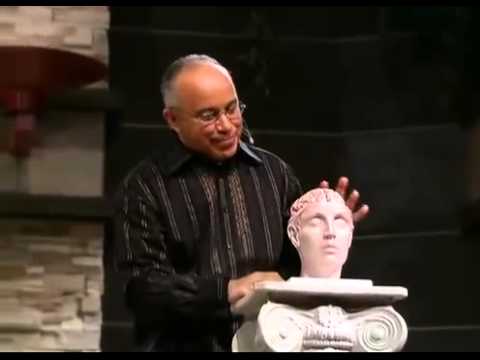
alex posted on 2017/09/17Ever wondered why men and women seem to operate on different wavelengths? Pastor Mark Gungor hilariously breaks down the 'tale of two brains' in this full seminar, offering practical insights for married couples. You'll pick up advanced vocabulary and situational dialogue that's perfect for understanding gender differences and boosting your relationship!
Learn this video on the APP!
The VoiceTube App has more in-depth practice for videos!