
activate
US /ˈæktəˌvet/
UK /ˈæktɪveɪt/
- Transitive Verb
- To cause to happen; cause a chemical reaction
- To make something start working
B1Moreafter all
US /ˈæftɚ ɔl/
UK /ˈɑ:ftə ɔ:l/
- Adverb
- In spite of what was expected; used to introduce a statement that supports a previous statement or explains why it was made
- Considering everything; used to indicate that something is happening or is true despite some difficulty or obstacle
- Phrase
- Despite what was expected or thought; in spite of everything.
- Taking everything into consideration; considering that.
B1Moreanswer to
US
UK
- Phrasal Verb
- To be responsible to someone and have to explain your actions to them.
- To correspond to or match a description or requirement.
A1Moreas long as
US /æz lɔŋ æz/
UK /æz lɔŋ æz/
- Conjunction
- For the period that; provided that.
- For the length of time that
- Preposition
- On the condition that; providing that.
- Having the same length as.
A1Moreat least
US /æt list/
UK /æt li:st/
- Adverb
- As a minimum
- Not less than
- Phrase
- No less than; at the minimum
- Used to indicate that something is positive in a bad situation.
C2Moreat once
US /æt wʌns/
UK /æt wʌns/
- Adverb
- Immediately; without delay
- At the same time; simultaneously
A2Moreattend
US /əˈtɛnd/
UK /əˈtend/
- Transitive Verb
- To take care of someone in need
- Verb (Transitive/Intransitive)
- To listen or watch carefully; to concentrate
- To be present at an event
B1TOEICMoreattention
US /əˈtɛnʃən/
UK /əˈtenʃn/
- Noun (Countable/Uncountable)
- Taking notice of someone or something
- Noun
- (Soldiers) Standing with straight backs
A2TOEICMorebaby
US /ˈbeɪbi/
UK /ˈbeɪbi/
- Countable Noun
- A very young child, who cannot yet speak
- Transitive Verb
- To treat someone as if they were newly born
A2Morebarely
US /ˈbɛrli/
UK /ˈbɛəli/
- Adverb
- Only just; just possible
A2TOEICMoreblock
US /blɑk/
UK /blɒk/
- Noun (Countable/Uncountable)
- Solid piece of material used for building
- A piece of wood, chocolate etc.
- Transitive Verb
- To stop from going forward or making progress
- To obstruct or prevent the movement or passage of.
A2Morebowl
US /bol/
UK /bəʊl/
- Noun (Countable/Uncountable)
- Part of an object that has a rounded, inward curve
- Round container used for holding rice, soup etc.
- Intransitive Verb
- To roll a ball in the sport of bowling
A2Morebrilliant
US /ˈbrɪljənt/
UK /'brɪlɪənt/
- Adjective
- Having a great amount of intelligence or talent
- Being very bright, like a diamond; shining
- Noun
- A diamond or other gem cut in a particular form with many facets to have exceptional brilliance.
A2Morebroccoli
US /ˈbrɑkəli/
UK /'brɒkəlɪ/
- Noun (Countable/Uncountable)
- Vegetable with thick branches and green flowers
- The plant that produces broccoli.
B2Morecare of
US /kɛr ʌv/
UK /kɛə ɔv/
- Preposition
- Used in an address to indicate the person who will receive the mail for someone else.
A2Morechildhood
US /ˈtʃaɪldˌhʊd/
UK /ˈtʃaɪldhʊd/
- Uncountable Noun
- The time when you are a child
B1Moreclock in
US
UK
- Phrasal Verb
- To record the time of one's arrival at work, typically using a time clock.
A1Moreconditional
US /kənˈdɪʃənəl/
UK /kənˈdɪʃənl/
- Noun
- Clause or sentence beginning with 'if' or 'unless'
- Adjective
- Depending (on)
A2Moreconscious
US /ˈkɑnʃəs/
UK /ˈkɒnʃəs/
- Adjective
- Aware of what is going on around you
- Intentionally done; deliberate.
A2Moreconsciousness
US /ˈkɑnʃəsnɪs/
UK /'kɒnʃəsnəs/
- Uncountable Noun
- Process by which thoughts, ideas are processed
- A person's awareness or perception of something.
A2Morecrow
US /kroʊ/
UK /krəʊ/
- Noun (Countable/Uncountable)
- Large black bird
- Intransitive Verb
- To make a high loud sound, e.g. like a rooster
- To be very proud of something and talk about it
B2Moredetector
US /dɪˈtɛktɚ/
UK /dɪˈtektə(r)/
- Noun
- Device that receives a signal and responds to it
A2Moredisadvantage
US /ˌdɪsədˈvæntɪdʒ/
UK /ˌdɪsədˈvɑ:ntɪdʒ/
- Noun (Countable/Uncountable)
- A negative point; a downside; difficulty
- A factor that places someone in a less favorable position.
B1Moredivision
US /dɪˈvɪʒən/
UK /dɪ'vɪʒn/
- Noun (Countable/Uncountable)
- How many times a number is contained in another
- One part of an organization
B1TOEICMoreelectricity
US /ɪlɛkˈtrɪsɪti,ˌilɛk-/
UK /ɪˌlekˈtrɪsəti/
- Uncountable Noun
- Energy generated positive and negative charges
- The study or science of electric charges and currents.
A2Moreexcept that
US /ɪkˈsɛpt ðæt/
UK /ikˈsept ðæt/
- Conjunction
- But; with the exception that.
A2Moreexperimental
US /ɪkˌspɛrəˈmɛntl/
UK /ɪkˌsperɪˈmentl/
- Adjective
- Using techniques that are different or untried
- Based on or involving experiment.
A2Moreextremely
US /ɪk'strimlɪ/
UK /ɪkˈstri:mli/
- Adverb
- In a way that is much more than usual or expected
- Remarkably; unusually.
B1Morefigure out
US /ˈfɪɡjɚ aʊt/
UK /ˈfiɡə aut/
- Phrasal Verb
- To understand the behavior of someone
- To think through logically to find a solution
- Verb (Transitive/Intransitive)
- To understand or find an answer to something.
- To find a solution to a problem or understand something.
A1Morefind out about
US
UK
- Phrasal Verb
- To look for information to learn about it
A1Moreflexible
US /ˈflɛksəbəl/
UK /ˈfleksəbl/
- Adjective
- Bending easily
- Able to adjust to new events, requirements easily
B1TOEICMorego back to
US /ɡo bæk tu/
UK /ɡəu bæk tu:/
- Phrasal Verb
- To return to a starting point
A1Morego out
US /ɡo aʊt/
UK /ɡəu aut/
- Phrase
- To leave a building (e.g. a house)
- Phrasal Verb
- (Of a fire) to burn out; be extinguished
- Go out of fashion to stop being fashionable
A1Moregoing on
US /ˈɡoɪŋ ɑn/
UK /ˈgəʊɪŋ ɔn/
- Phrasal Verb
- To continue doing something
- To happen (usually negative)
A1Moregoldfish
US /ˈɡoldˌfɪʃ/
UK /'ɡəʊldfɪʃ/
- Countable Noun
- Orange or orange and white freshwater fish
C1Moregrain
US /ɡren/
UK /greɪn/
- Noun (Countable/Uncountable)
- Seeds of plants used for food
- Natural pattern in something, e.g. wood
B1TOEICMorehand out
US /hænd aʊt/
UK /hænd aut/
- Phrasal Verb
- To distribute papers (often in class)
A1Morehave to
US /hæv tu/
UK /ˈhæv tə/
- Auxiliary Verb
- Must do
A1Morehypothesis
US /haɪˈpɑθɪsɪs/
UK /haɪˈpɒθəsɪs/
- Noun
- A theory trying to explain something
- A supposition or proposed explanation made on the basis of limited evidence as a starting point for further investigation.
B1Morein fact
US /ɪn fækt/
UK /in fækt/
- Adverb
- Used to emphasize the truth of a statement, especially one that contrasts with or contradicts something else.
- Used to introduce a more detailed or surprising piece of information.
- Phrase
- Used to emphasize the truth of a statement, especially one that is surprising or contrary to what might be expected.
C1Morein love with
US //ɪn lʌv wɪð//
UK
- Adjective
- Feeling romantic love for someone.
- Extremely enthusiastic about or fond of something.
A1Morein particular
US /ɪn pɚˈtɪkjəlɚ/
UK /in pəˈtikjulə/
- Phrase
- Specifically; especially.
- Detailed or precise.
A1Morein the space of
US /ɪn ðə ˈspeɪs ʌv/
UK /in ðə ˈspeis ɔv/
- Preposition
- Within a certain period of time.
B2Morein the world
US /ɪn ði wɜrld/
UK /in ðə wɜː(r)ld/
- Phrase
- Used to emphasize a question expressing surprise, confusion, disbelief
- Used to indicate the extent or degree of something, often in a superlative sense
A1Moreinstead of
US /ɪnˈstɛd ʌv/
UK /inˈsted ɔv/
- Preposition
- When one thing is replaced by another
- Adverb
- As a substitute or alternative.
A1Moreknow about
US /noʊ əˈbaʊt/
UK /nəʊ əˈbaut/
- Phrasal Verb
- To have information or understanding of a subject or situation.
lab
US /læb/
UK /læb/
- Noun (Countable/Uncountable)
- Short for 'laboratory'
B1Morelight up
US /laɪt ʌp/
UK /lait ʌp/
- Phrasal Verb
- To illuminate something; to make something brighter with light.
- To ignite a cigarette, cigar, or pipe for smoking.
A1Morelights up
US
UK
- Phrasal Verb
- Third-person singular present tense of to illuminate something; to make something brighter with light.
- Third-person singular present tense of to ignite a cigarette, cigar, or pipe for smoking.
A1Morelook at
US /lʊk æt/
UK /luk æt/
- Phrasal Verb
- To use your eyes to focus on something
- To focus your eyes on something carefully
A1Moremathematical
US /ˌmæθəˈmætɪkəl/
UK /ˌmæθə'mætɪkl/
- Adjective
- Concerning numbers and equations
A2Moremuch about
US /mʌtʃ əˈbaʊt/
UK /mʌtʃ əˈbaut/
- Phrase
- A lot of information or knowledge concerning something.
- To a great extent or degree regarding something; caring.
A1Morenotebook
US /ˈnotˌbʊk/
UK /'nəʊtbʊk/
- Countable Noun
- Book with blank pages used for writing notes
A2TOEICMoreof course
US /ʌv kɔː(r)s/
UK /ɔv kɔː(r)s/
- Adverb
- Sure ; Certainly
- Phrase
- For sure; certainly
A2Moreon the other hand
US
UK
- Phrase
- Considering a different aspect of the matter; alternatively.
A1Moreout there
US /aʊt ðɛr/
UK /aut ðɛə/
- Adverb
- In or to a place that is far away
- Existing in the universe
- Adjective
- Unconventional; strange; avant-garde
- Existing or available.
A1Moreover the top
US /ˈovɚ ði tɑp/
UK /ˈəuvə ðə tɔp/
- Adjective
- More than what is considered normal or suitable; exaggerated.
- So extreme that it is offensive.
- Adverb
- To an excessive degree; excessively.
A1Morepowerful
US /ˈpaʊəfəl/
UK /ˈpauəful/
- Adjective
- Having control or influence over
- Having a lot of physical force, energy, strength
A2TOEICMoreprobability
US /ˌprɑ:bəˈbɪləti/
UK /ˌprɒbəˈbɪləti/
- Uncountable Noun
- What the chances are that something will happen
A2Moreprofound
US /prəˈfaʊnd, pro-/
UK /prə'faʊnd/
- Adjective
- Requiring deep thought; difficult to understand
- Showing a lot of deep thought or understanding
B1Moreremarkable
US /rɪˈmɑrkəbəl/
UK /rɪˈmɑ:kəbl/
- Adjective
- Interesting and unexpected, worthy of notice
- Worthy of attention; striking.
A2TOEICMorescience
US /ˈsaɪəns/
UK /'saɪəns/
- Uncountable Noun
- Study of the physical world, based on facts
A2TOEICMoreshow up
US /ʃo ʌp/
UK /ʃəu ʌp/
- Phrasal Verb
- To arrive or be seen at a place, e.g. a party
- To be noticeably better than (someone else)
A1Moresix times
US
UK
- Adverb
- Multiplied by six; a factor of six.
- On six occasions; six instances.
slingshot
US /ˈslɪŋˌʃɑt/
UK /ˈslɪŋʃɒt/
- Noun
- Loop of leather used as a weapon to throw stones
C2Moresmart
US /smɑ:rt/
UK /smɑ:t/
- Adjective
- Fashionable; well-dressed; well-groomed
- Looking clean, neat and stylish
- Intransitive Verb
- To feel hurt or upset
- To hurt with an unexpected sharp or burning pain
A2TOEICMorespotlight
US /ˈspɑ:tlaɪt/
UK /ˈspɒtlaɪt/
- Noun
- Lamp that produces a strong beam of light
- Transitive Verb
- To highlight or put attention on something
C1Morestatistician
US /ˌstætɪˈstɪʃən/
UK /ˌstætɪˈstɪʃn/
- Countable Noun
- Mathematician who specializes in statistics
B1Morestrategy
US /ˈstrætədʒi/
UK /'strætədʒɪ/
- Noun (Countable/Uncountable)
- Careful plan or method for achieving a goal
- Branch of military dealing with command
A2TOEICMorethink about
US /θɪŋk əˈbaʊt/
UK /θiŋk əˈbaut/
- Phrasal Verb
- To consider something carefully.
- To remember or call to mind.
A1Morethink of
US /θɪŋk ʌv/
UK /θiŋk ɔv/
- Phrasal Verb
- To look on as (being something specific); consider
- To consider or remember something.
- Verb (Transitive/Intransitive)
- To imagine or call something to mind
A1Moreturn to
US /tɚn tu/
UK /tə:n tu:/
- Phrasal Verb
- To go to someone for help, advice, or information.
- To start doing or using something, often something bad or undesirable.
A1Moreup there
US /ʌp ðɛr/
UK /ʌp ðɛə/
- Adverb
- In or to a higher place or position; far away.
- In heaven.
A1Morework to do
US
UK
- Phrase
- Tasks or activities that need to be accomplished.
- Obligations or responsibilities that require effort and attention.
A1Moreyuck
US /jʌk/
UK /jʌk/
- Interjection
- Used to express rejection or strong disgust
C1More
Vocabulary
- after all: In spite of what was expected; used to introduce a statement that supports a previous statement or explains why it was made
- going on: To continue doing something
- figure out: To understand the behavior of someone
- have to: Must do
- look at: To use your eyes to focus on something
- think about: To consider something carefully.
- light up: To illuminate something; to make something brighter with light.
- on the other hand : Considering a different aspect of the matter; alternatively.
- at least: As a minimum
- in the world: Used to emphasize a question expressing surprise, confusion, disbelief
- go out: To leave a building (e.g. a house)
- find out about: To look for information to learn about it
- hand out: To distribute papers (often in class)
- turn to: To go to someone for help, advice, or information.
- answer to: To be responsible to someone and have to explain your actions to them.
- care of: Used in an address to indicate the person who will receive the mail for someone else.
- up there: In or to a higher place or position; far away.
- as long as: For the period that; provided that.
- in particular: Specifically; especially.
- of course: Sure ; Certainly
- show up: To arrive or be seen at a place, e.g. a party
- work to do: Tasks or activities that need to be accomplished.
- out there: In or to a place that is far away
- instead of: When one thing is replaced by another
- except that: But; with the exception that.
- in fact: Used to emphasize the truth of a statement, especially one that contrasts with or contradicts something else.
- lights up: Third-person singular present tense of to illuminate something; to make something brighter with light.
- over the top: More than what is considered normal or suitable; exaggerated.
- think of: To look on as (being something specific); consider
- six times: Multiplied by six; a factor of six.
- in the space of: Within a certain period of time.
- go back to: To return to a starting point
- know about: To have information or understanding of a subject or situation.
- at once: Immediately; without delay
- in love with: Feeling romantic love for someone.
- clock in: To record the time of one's arrival at work, typically using a time clock.
- much about: A lot of information or knowledge concerning something.
- learn: To get knowledge or skills by study or experience
- baby: A very young child, who cannot yet speak
- think: To have an idea about something without certainty
- kind: In a caring and helpful manner
- put: To move or place a thing in a particular position
- young: At an early stage of existence; not mature
- give: Degree of flexibility in something, a material
- time: Speed at which music is played; tempo
- good: Proper, appropriate or right
- world: All the humans, events, activities on the earth
- want: To desire or wish for something; hope for a thing
- test: To be given a medical examination
- show: To be easily seen or displayed
- long: Person's name
- people: Persons sharing culture, country, background, etc.
- machine: Piece of equipment used to do work
- idea: Belief, thought, suggestion, opinion or plan
- brilliant: Having a great amount of intelligence or talent
- notebook: Book with blank pages used for writing notes
- suit: To be appropriate for a given situation
- science: Study of the physical world, based on facts
- brain: To strike someone forcefully on the head
- fact: Something that is known or proved to be true
- bowl: Part of an object that has a rounded, inward curve
- sort: To organize things by putting them into groups
- cover: To record a different version of another song
- mind: To be bothered or upset by something
- electricity: Energy generated positive and negative charges
- chicken: A bird raised for its eggs and meat
- top: To be higher or larger than a specific value
- broccoli: Vegetable with thick branches and green flowers
- attention: Taking notice of someone or something
- figure: To appear in a game, play or event
- extremely: In a way that is much more than usual or expected
- childhood: The time when you are a child
- useless: Having no use; incapable of functioning properly
- disadvantage: A negative point; a downside; difficulty
- lab: Short for 'laboratory'
- conditional: Clause or sentence beginning with 'if' or 'unless'
- block: Solid piece of material used for building
- smart: Fashionable; well-dressed; well-groomed
- human: A person; a man, woman or child
- attend: To take care of someone in need
- experimental: Using techniques that are different or untried
- powerful: Having control or influence over
- consciousness: Process by which thoughts, ideas are processed
- evidence: Factual proof that helps to establish the truth
- strategy: Careful plan or method for achieving a goal
- conscious: Aware of what is going on around you
- flexible: Bending easily
- mathematical: Concerning numbers and equations
- division: How many times a number is contained in another
- barely: Only just; just possible
- remarkable: Interesting and unexpected, worthy of notice
- statistician: Mathematician who specializes in statistics
- detector: Device that receives a signal and responds to it
- probability: What the chances are that something will happen
- hypothesis: A theory trying to explain something
- profound: Requiring deep thought; difficult to understand
- spotlight: Lamp that produces a strong beam of light
- grain: Seeds of plants used for food
- yuck: Used to express rejection or strong disgust
- crow: Large black bird
- activate: To cause to happen; cause a chemical reaction
- goldfish: Orange or orange and white freshwater fish
- slingshot: Loop of leather used as a weapon to throw stones
- mastodon: Extinct elephant-like mammal that flourished worldwide from Miocene through Pleistocene times; differ from mammoths in the form of the molar teeth
Get the full experience in the app
Learn anywhere with detailed sentence and usage analysis
01:03
She took a brave step forward, leaving behind her comfort zone to chase her dreams.
Vocabulary
- brave
adj. Having courage
- comfort zone
phr. A familiar situation where one feels safe
Explanation
a brave step is a noun phrase, where brave is an adjective modifying the noun step, meaning "a courageous step".
forward is an adverb modifying step, meaning "ahead".
The whole phrase serves as the object, answering the "what" of took (verb) — she took a brave step forward.
Get the full experience in the app
Look up words anytime with pronunciation, part of speech, and usage
brave
US/brev/
UK/breɪv/
adj.Brave
v.t.To bravely face
A2 Elementary
Get the full experience in the app
Practice speaking anytime and get instant pronunciation feedback
Try this speaking exercise.
Try practicing with this sentence.
80
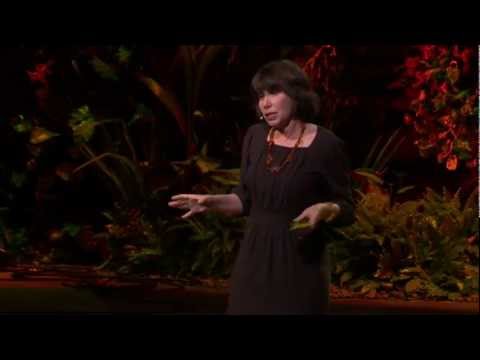
【TED】Alison Gopnik: What do babies think?
0
VoiceTube posted on 2013/07/26Ever wonder what's really going on in a baby's mind? This fascinating TED Talk by Alison Gopnik dives into how babies learn and think, using fun experiments like the famous 'broccoli experiment' to show us their incredible reasoning skills! You'll pick up some advanced vocabulary and get a peek into the amazing world of child development.
Learn this video on the APP!
The VoiceTube App has more in-depth practice for videos!