
advantage
US /ædˈvæntɪdʒ/
UK /əd'vɑ:ntɪdʒ/
- Noun (Countable/Uncountable)
- Thing making the chance of success higher
- A positive point about something
- Transitive Verb
- To make use of something, especially to further one's own position; exploit.
A2TOEICMoreas one
US
UK
- Adverb
- Acting or moving together at the same time.
- In complete agreement or unity.
- Phrase
- With a single voice or opinion; unanimously.
- In perfect harmony or unison.
A1Moreat odds
US /æt ɑdz/
UK /æt ɔdz/
- Phrase
- In a state of conflict or disagreement
- Adjective
- In a state of disagreement or conflict.
- Inconsistent or incompatible.
B1Moreattention
US /əˈtɛnʃən/
UK /əˈtenʃn/
- Noun (Countable/Uncountable)
- Taking notice of someone or something
- Noun
- (Soldiers) Standing with straight backs
A2TOEICMorebehold
US /bɪˈhoʊld/
UK /bɪˈhəʊld/
- Transitive Verb
- To look at
B2Morecapture
US /ˈkæptʃɚ/
UK /'kæptʃə(r)/
- Transitive Verb
- To attract and hold e.g. interest, attention
- To record, tape, or film something
- Noun
- The act of seizing or taking control of something.
B1Morecome about
US /kʌm əˈbaʊt/
UK /kʌm əˈbaut/
- Phrasal Verb
- To turn a boat around; (of boat) to turn around
- To take place; happen
A1Morecomplex
US /kəmˈplɛks, ˈkɑmˌplɛks/
UK /'kɒmpleks/
- Countable Noun
- Group of buildings all used for the same purpose
- Adjective
- Not being simple; having many parts or aspects
A2Morecortex
US /ˈkɔrˌteks/
UK /'kɔ:teks/
- Noun (Countable/Uncountable)
- The outer part of an organ/structure, e.g. brain
- The outer layer of the cerebrum (the cerebral cortex), other organs, or a plant.
C1Moredominant
US /ˈdɑmənənt/
UK /ˈdɒmɪnənt/
- Adjective
- The strongest; most powerful
- Being the most common, significant or important
- Noun
- (Music) The fifth note of a scale.
B1Moredue to
US /du tu/
UK /dju: tu:/
- Preposition
- Because of; owing to
- Adjective
- Attributable to; caused by.
A1Moreemotional
US /ɪˈmoʃənəl/
UK /ɪˈməʊʃənl/
- Adjective
- Causing, feeling, or appealing to the emotions
- Relating to or characterized by emotion
A2Moreescape
US /ɪˈskep/
UK /ɪ'skeɪp/
- Noun (Countable/Uncountable)
- Act to briefly ignoring boring or bad things
- The 'esc key' on a keyboard
- Verb (Transitive/Intransitive)
- To avoid something undesirable, dangerous or bad
- To get away from a place where you are being kept
A2Morefeat
US /fit/
UK /fi:t/
- Noun (Countable/Uncountable)
- Impressive act showing courage or skill
- A remarkable or skillful act or accomplishment.
- Noun
- An archaic spelling of 'feet'.
B1Morefor sure
US /fɔr ʃʊr/
UK /fɔ: ʃuə/
- Adverb
- Definitely; certainly; without a doubt.
- Used to emphasize a statement.
- Interjection
- An expression of strong agreement or affirmation.
A2Morefunction
US /ˈfʌŋkʃən/
UK /'fʌŋkʃn/
- Noun
- Social event, or party such as a wedding
- Mathematical operation used in calculations
- Intransitive Verb
- To serve a certain purpose or role
- To be operating, working or achieving its purpose
A2TOEICMorehemisphere
US /ˈhɛmɪˌsfɪr/
UK /ˈhemɪsfɪə(r)/
- Noun (Countable/Uncountable)
- One half of a rounded, ball-like object
- One of the two masses forming the brain
B2Morein fact
US /ɪn fækt/
UK /in fækt/
- Adverb
- Used to emphasize the truth of a statement, especially one that contrasts with or contradicts something else.
- Used to introduce a more detailed or surprising piece of information.
- Phrase
- Used to emphasize the truth of a statement, especially one that is surprising or contrary to what might be expected.
C1Moreinspire
US /ɪnˈspaɪr/
UK /ɪn'spaɪə(r)/
- Transitive Verb
- To give someone an idea to do or make something
- To make someone feel a certain emotion
- Intransitive Verb
- To breathe in
- To draw (air, etc.) into the lungs.
B1TOEICMoreinternal
US /ɪnˈtɚnəl/
UK /inˈtə:nəl/
- Adjective
- Being or happening in the body
- Being, happening in a country, state, organization
B1TOEICMoreintricate
US /ˈɪntrɪkɪt/
UK /ˈɪntrɪkət/
- Adjective
- Very detailed or difficult to untangle
B2TOEICMorelandscape
US /ˈlændˌskep/
UK /'lændskeɪp/
- Noun
- Area or scene of activity, especially in politics
- Picture of natural scenery in a place
- Transitive Verb
- To make gardens that improve an area of land
B1TOEICMorelayer
US /ˈleɚ/
UK /ˈleiə/
- Noun (Countable/Uncountable)
- One of several sheets of a material or object
- A covering of something spread over a surface.
- Transitive Verb
- To put things one on top of another
B1TOEICMoreleft and right
US
UK
- Adverb
- In both the left and right directions.
- Everywhere; in all directions.
- Noun
- Referring to both liberal and conservative political viewpoints.
- Two opposing options or directions.
A1Moremid
US /mɪd/
UK /mɪd/
- Adjective
- At (or near) the middle point
B2Moremisconception
US /ˌmɪskənˈsɛpʃən/
UK /ˌmɪskənˈsepʃn/
- Noun (Countable/Uncountable)
- Wrong or misunderstood idea
- A widely held but incorrect belief.
B1Moremyth
US /mɪθ/
UK /mɪθ/
- Noun (Countable/Uncountable)
- Popular belief that is false, unsupported by fact
- Famous story dealing with origins of a culture
B1Moreodd
US /ɑd/
UK /ɒd/
- Adjective
- Being unmatched with someone or something
- Being a number not able to be divided by two
A2Morepervasive
US /pɚˈvesɪv/
UK /pə'veɪsɪv/
- Adjective
- Occurring or existing throughout all the parts
B2TOEICMorepredator
US /ˈprɛdətɚ, -ˌtɔr/
UK /'predətə(r)/
- Countable Noun
- An animal that hunts and kills other animals
- Person preying on the weak to gain advantage
B1Morerather than
US
UK
- Adverb
- More exactly; more correctly
- Preferably; instead
- Preposition
- Instead of
A1Morerely
US /rɪˈlaɪ/
UK /rɪ'laɪ/
- Intransitive Verb
- Depend on with full trust or confidence
- To trust or have confidence in someone.
B2TOEICMorerely on
US /rɪˈlaɪ ɑn/
UK /riˈlai ɔn/
- Phrasal Verb
- To depend on someone or something
A2Morerepresent
US /ˌrɛprɪˈzɛnt/
UK /ˌreprɪ'zent/
- Transitive Verb
- To depict art objects, figures, scenes; to portray
- To show or describe something in a particular way
A2TOEICMorerequire
US /rɪˈkwaɪr/
UK /rɪ'kwaɪə(r)/
- Transitive Verb
- To demand that someone does something
- To need to do something, to make it necessary
A2TOEICMoreresearch
US /rɪˈsɚtʃ, ˈriˌsɚtʃ/
UK /rɪ'sɜ:tʃ/
- Verb (Transitive/Intransitive)
- To study in order to discover new ideas and facts
- To study the market relating to marketing products and services.
- Noun (Countable/Uncountable)
- Study done to discover new ideas and facts
- A particular area or topic of study.
A2TOEICMoreseparate
US /'sepəreɪt/
UK /'sepəreɪt/
- Adjective
- Being different from or unrelated to another
- Not connected; different.
- Transitive Verb
- To divide two things by being in between them
- To move things away from each other
A2TOEICMoresplit
US /splɪt/
UK /splɪt/
- Adjective
- No longer married or in a relationship
- (Injured) by cutting it open, as in someone's lip
- Verb (Transitive/Intransitive)
- To become divided or broken along a straight line
- To cause a cut in (lip, etc.)
A2Morestem
US /stɛm/
UK /stem/
- Noun (Countable/Uncountable)
- Long thin central part of a plant, bearing leaves
- Long thin part supporting something e.g. a light
- Transitive Verb
- To remove the stem of a flower or fruit
- To stop something bad from spreading or developing
B1TOEICMorestructure
US /ˈstrʌk.tʃɚ/
UK /ˈstrʌk.tʃə/
- Noun (Countable/Uncountable)
- The way in which the parts of a system or object are arranged or organized, or a system arranged in this way
- A building or other man-made object.
- Transitive Verb
- To plan, organize, or arrange the parts of something
A2TOEICMoresuch as
US /sʌtʃ æz/
UK /sʌtʃ æz/
- Preposition
- For example; like
A1Moretemporal
US /ˈtɛmpərəl, ˈtɛmprəl/
UK /ˈtempərəl/
- Adjective
- Concerning time
- Relating to worldly affairs as opposed to spiritual affairs.
B2Moretheory
US /ˈθiəri, ˈθɪri/
UK /ˈθiəri/
- Noun (Countable/Uncountable)
- Ideas or principles that explain facts or events
- An idea or belief about something
A2TOEICMoreto do with
US
UK
- Phrasal Verb
- To be about something; concern
A1Moreto the left
US
UK
- Phrase
- In or toward the left direction.
- Situated on the left side of.
versa
US /'vɜ:sə/
UK /'vɜ:sə/
- Adverb
- used to say that what you have just said is also true in the opposite order
C1Morevibrant
US /ˈvaɪbrənt/
UK /ˈvaɪbrənt/
- Adjective
- Having a lot of energy and being very active
B1Morevice
US /ˌvaɪ.sə/
UK /ˌvaɪs/
- Noun
- used as part of the title of particular positions. The person who holds one of these positions is next below in authority to the person who holds the full position and can act for them
- Noun (Countable/Uncountable)
- a moral fault or weakness in someone's character
- illegal and immoral activities, especially involving illegal sex, drugs, etc.
B2Morevisibly
US /ˈvɪzɪblɪ/
UK /ˈvɪzəbli/
- Adverb
- So as to be seen or noticed
B1Morevision
US /ˈvɪʒən/
UK /'vɪʒn/
- Uncountable Noun
- Ability to see; eyesight
- Something you see in your imagination or dreams
A2More
Vocabulary
- left and right: In both the left and right directions.
- to the left: In or toward the left direction.
- come about: To turn a boat around; (of boat) to turn around
- in fact: Used to emphasize the truth of a statement, especially one that contrasts with or contradicts something else.
- such as: For example; like
- for sure: Definitely; certainly; without a doubt.
- rely on: To depend on someone or something
- due to: Because of; owing to
- rather than: More exactly; more correctly
- to do with: To be about something; concern
- at odds: In a state of conflict or disagreement
- as one: Acting or moving together at the same time.
- evidence: Factual proof that helps to establish the truth
- structure: The way in which the parts of a system or object are arranged or organized, or a system arranged in this way
- split: No longer married or in a relationship
- emotional: Causing, feeling, or appealing to the emotions
- cortex: The outer part of an organ/structure, e.g. brain
- advantage: Thing making the chance of success higher
- represent: To depict art objects, figures, scenes; to portray
- develop: To explain something in steps and in detail
- predator: An animal that hunts and kills other animals
- complex: Group of buildings all used for the same purpose
- separate: Being different from or unrelated to another
- field: Area of study, such as physics or biology
- function: Social event, or party such as a wedding
- brain: To strike someone forcefully on the head
- myth: Popular belief that is false, unsupported by fact
- inspire: To give someone an idea to do or make something
- odd: Being unmatched with someone or something
- theory: Ideas or principles that explain facts or events
- misconception: Wrong or misunderstood idea
- research: To study in order to discover new ideas and facts
- escape: Act to briefly ignoring boring or bad things
- require: To demand that someone does something
- dominant: The strongest; most powerful
- attention: Taking notice of someone or something
- vice: used as part of the title of particular positions. The person who holds one of these positions is next below in authority to the person who holds the full position and can act for them
- capture: To attract and hold e.g. interest, attention
- nervous: Concerning the system of nerves in the body
- stem: Long thin central part of a plant, bearing leaves
- layer: One of several sheets of a material or object
- introduce: To open an essay to set the scene
- vision: Ability to see; eyesight
- vibrant: Having a lot of energy and being very active
- due: When something is required or expected
- hemisphere: One half of a rounded, ball-like object
- intricate: Very detailed or difficult to untangle
- complete: To finish or reach the end of doing something
- landscape: Area or scene of activity, especially in politics
- suggest: To mention something that could be done; propose
- pervasive: Occurring or existing throughout all the parts
- organize: To arrange and plan things, e.g. a party
- internal: Being or happening in the body
- rely: Depend on with full trust or confidence
- feat: Impressive act showing courage or skill
- system: Set of organized, planned ideas that work together
- language: Words or signs used to communicate messages
- support: To give assistance or advice to someone
- control: A device designed to operate a machine
- wrong: Action that is harmful, unjust or illegal
- behold: To look at
- versa: used to say that what you have just said is also true in the opposite order
- temporal: Concerning time
- visibly: So as to be seen or noticed
- mid: At (or near) the middle point
Get the full experience in the app
Learn anywhere with detailed sentence and usage analysis
01:03
She took a brave step forward, leaving behind her comfort zone to chase her dreams.
Vocabulary
- brave
adj. Having courage
- comfort zone
phr. A familiar situation where one feels safe
Explanation
a brave step is a noun phrase, where brave is an adjective modifying the noun step, meaning "a courageous step".
forward is an adverb modifying step, meaning "ahead".
The whole phrase serves as the object, answering the "what" of took (verb) — she took a brave step forward.
Get the full experience in the app
Look up words anytime with pronunciation, part of speech, and usage
brave
US/brev/
UK/breɪv/
adj.Brave
v.t.To bravely face
A2 Elementary
Get the full experience in the app
Practice speaking anytime and get instant pronunciation feedback
Try this speaking exercise.
Try practicing with this sentence.
80
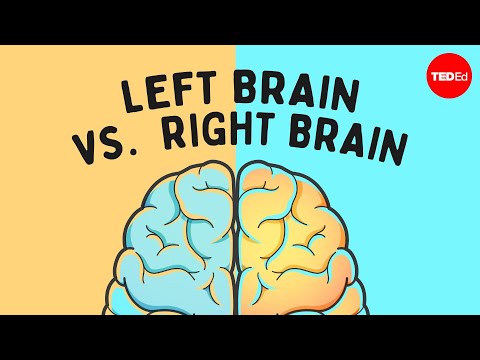
【TED-Ed】The left brain vs. right brain myth - Elizabeth Waters
0
gotony5614.me97 posted on 2017/07/25Ever wondered if you're a 'left-brain' or 'right-brain' thinker? This fascinating TED-Ed video debunks that popular myth, diving into the science behind brain lateralization and revealing what neurologists actually discovered! You'll boost your understanding of complex sentence structures and pick up some advanced vocabulary along the way.
Learn this video on the APP!
The VoiceTube App has more in-depth practice for videos!