
answer to
US
UK
- Phrasal Verb
- To be responsible to someone and have to explain your actions to them.
- To correspond to or match a description or requirement.
A1Moreappreciate
US /əˈpriʃiˌet/
UK /ə'pri:ʃɪeɪt/
- Intransitive Verb
- To rise in value (of property or belongings)
- Transitive Verb
- To be thankful for; to value or admire
A2TOEICMoreapproach
US /əˈprəʊtʃ/
UK /ə'prəʊtʃ/
- Verb (Transitive/Intransitive)
- To get close to reaching something or somewhere
- To request someone to do something specific
- Noun (Countable/Uncountable)
- Means of reaching a place, often a road or path
- Request of someone with a specific goal in mind
A2TOEICMorearrangement
US /əˈrendʒmənt/
UK /əˈreɪndʒmənt/
- Noun (Countable/Uncountable)
- Particular design of a device
- Piece of music written for a particular instrument
A2TOEICMoreasterisk
US /ˈæstəˌrɪsk/
UK /'æstərɪsk/
- Noun
- The mark *
C1TOEICMoreborder
US /ˈbɔrdɚ/
UK /'bɔ:də(r)/
- Verb (Transitive/Intransitive)
- To be right next to another country or state
- To form the edge of something
- Noun
- Outer part or edge of something
- Line separating one country, state from another
A2TOEICMorebottomless
US /ˈbɑ:təmləs/
UK /ˈbɒtəmləs/
- Adjective
- Extremely deep
B1Moreboundary
US /ˈbaʊndəri, -dri/
UK /'baʊndrɪ/
- Noun
- A division or border to separate two areas
- In sports, a line or marker indicating the edge of the playing area.
B1Moreby no means
US
UK
- Phrase
- Certainly not; in no way.
A1Morecircumference
US /sərˈkʌmfərəns/
UK /səˈkʌmfərəns/
- Noun
- Length around an outer boundary, e.g. a circle
C1Morecitizen
US /ˈsɪtɪzən/
UK /'sɪtɪzn/
- Noun (Countable/Uncountable)
- Person who belongs to and has rights in a country
- A person who is a member of a community.
B1Morecitizenship
US /ˈsɪtɪzənˌʃɪp/
UK /ˈsɪtɪzənʃɪp/
- Uncountable Noun
- Status of a citizen who has rights and duties
- Noun
- The rights and duties of citizens.
B1Morecoast
US /kost/
UK /kəʊst/
- Noun
- Land near the sea or ocean
- Intransitive Verb
- To progress in something without trying hard
- (Of a vehicle) to move forward without power
A2TOEICMorecomplicated
US /ˈkɑmplɪˌketɪd/
UK /'kɒmplɪkeɪtɪd/
- Transitive Verb
- To make more difficult to do, understand or use
- Adjective
- Difficult to do, understand or use
- Involving many different and confusing aspects.
B1Morecontinent
US /ˈkɑntənənt/
UK /ˈkɒntɪnənt/
- Noun (Countable/Uncountable)
- Very large piece of land, e.g. Africa or Asia
- Adjective
- Able to control excretory functions (bowel and bladder).
B1Morecurrency
US /ˈkɚrənsi, ˈkʌr-/
UK /'kʌrənsɪ/
- Uncountable Noun
- Widespread acceptance
- Money system that a country uses
B1Moredecrease
US /dɪˈkris/
UK /dɪˈkri:s/
- Verb (Transitive/Intransitive)
- To reduce the size, amount or number of something
- Uncountable Noun
- Amount by which something has been reduced
B1TOEICMoreditch
US /dɪtʃ/
UK /dɪtʃ/
- Transitive Verb
- To abandon or give up a plan, etc.
- To land an airplane in water due to an emergency
- Countable Noun
- Long, shallow hole used for drainage or irrigation
B1Moredue to
US /du tu/
UK /dju: tu:/
- Preposition
- Because of; owing to
- Adjective
- Attributable to; caused by.
A1Moreeconomic
US /ˌɛkəˈnɑmɪk, ˌikə-/
UK /ˌi:kəˈnɒmɪk/
- Adjective
- Concerning trade, industry, and money
- Financially worthwhile; profitable.
- Noun
- A system relating to economics
- A factor relating to economics
A2Moreempire
US /ˈɛmˌpaɪr/
UK /ˈempaɪə(r)/
- Countable Noun
- Group of countries controlled by one government
- A large and important business or group of businesses owned by one person or company.
- Adjective
- A style of dress with a high waistline, just below the bust.
B1Moreexcept for
US /ɪkˈsɛpt fɔr/
UK /ikˈsept fɔ:/
- Preposition
- Not including; excluding.
extend
US /ɪkˈstɛnd/
UK /ɪkˈstend/
- Transitive Verb
- To offer something (help, friendship) to someone
- To reach from one point to another
A2TOEICMorefiercely
US /ˈfɪrslɪ/
UK /fɪəslɪ/
- Adverb
- In an emotionally violent manner
B1Morefor example
US
UK
- Phrase
- As an illustration or instance.
freely
US /ˈfrili/
UK /ˈfri:li/
- Adverb
- (Living, existing) without being controlled
A2Morefurther out
US
UK
- Adverb
- At a greater distance; more distant.
- To a more advanced or remote stage or point.
A2Morefuzzy
US /ˈfʌzi/
UK /'fʌzɪ/
- Adjective
- Covered with fur or short hair
- Not clear; blurred
B2Moreget a say
US
UK
- Phrase
- To have the opportunity to express an opinion or influence a decision.
A1Moreget onto
US /ɡɛt ˈɑnˌtu/
UK /ɡet ˈɔntu/
- Phrasal Verb
- To board or mount a vehicle, such as a bus, train, or bicycle.
- To start talking or dealing with a new subject.
A1Morehard to say
US
UK
- Phrase
- Difficult to know or predict; uncertain.
A1Morehassle
US /ˈhæsəl/
UK /ˈhæsl/
- Noun (Countable/Uncountable)
- Unpleasant task or chore harder than it should be
- Persistent petty annoyance.
- Transitive Verb
- To cause trouble or annoyance to someone
- To argue or negotiate persistently, especially over a price.
B2Morehave to
US /hæv tu/
UK /ˈhæv tə/
- Auxiliary Verb
- Must do
A1Moreidentification
US /aɪˌdɛntəfɪˈkeʃən/
UK /aɪˌdentɪfɪˈkeɪʃn/
- Noun (Countable/Uncountable)
- (Card or paper) that proves who a person is
- The act of discovering exactly what something is
B2TOEICMorein detail
US /ɪn dɪˈtel/
UK /in ˈdi:teil/
- Phrase
- Thoroughly and completely; giving full particulars.
A2Morein exchange for
US /ɪn ɪksˈtʃendʒ fɔr/
UK /in iksˈtʃeindʒ fɔ:/
- Phrase
- Given or done as an equivalent or substitute for.
B1Morein favor of
US /ɪn ˈfevɚ ʌv/
UK /in ˈfeivə ɔv/
- Phrase
- Expressing support or approval for someone or something.
- To the advantage of; benefiting.
- Preposition
- Supporting or approving of something.
- To the advantage of; to the benefit of.
A1Morein general
US /ɪn ˈdʒɛnərəl/
UK /in ˈdʒenərəl/
- Phrase
- Typically; usually; on the whole.
- Not specific or detailed; broadly.
- Adjective
- Not detailed or specific; overall.
C2Moreinside of
US /ɪnˈsaɪd ʌv/
UK /inˈsaid ɔv/
- Preposition
- Within; in the inner part of.
- Within a certain period of time.
A1Moremaintain
US /menˈten/
UK /meɪn'teɪn/
- Transitive Verb
- To keep saying something a certain way
- To keep (machine) working by checking, repairing
A2TOEICMoremembership
US /ˈmembərʃɪp/
UK /ˈmembəʃɪp/
- Noun (Countable/Uncountable)
- Being a member of a group; joining a group
B1TOEICMoremembrane
US /ˈmɛmˌbren/
UK /'membreɪn/
- Noun (Countable/Uncountable)
- Outside covering of a cell
- A thin covering of tissue or of a cell
B2Moremove to
US /muv tu/
UK /mu:v tu:/
- Phrasal Verb
- To change the place where you live or work.
- Verb (Transitive/Intransitive)
- To proceed to the next stage or action.
A2Morenotable
US /ˈnoʊtəbl/
UK /ˈnəʊtəbl/
- Adjective
- Being famous or well-known
- Deserving notice or mention; important
A2Morenotably
US /ˈnoʊtəbli/
UK /ˈnəʊtəbli/
- Adverb
- In a way that deserves notice; particularly
A2Moreof any kind
US
UK
- Phrase
- Of any type or variety whatsoever.
- To any degree or extent.
A1Moreof course
US /ʌv kɔː(r)s/
UK /ɔv kɔː(r)s/
- Adverb
- Sure ; Certainly
- Phrase
- For sure; certainly
A2Moreon the other hand
US
UK
- Phrase
- Considering a different aspect of the matter; alternatively.
A1Moreoutside of
US /aʊtˈsaɪd ʌv/
UK /ˌautˈsaid ɔv/
- Preposition
- Located or situated beyond the boundaries or confines of something.
- Beyond the scope, range, or limits of something.
A1Moreparticipation
US /pɑ:rˌtɪsɪˈpeɪʃn/
UK /pɑ:ˌtɪsɪˈpeɪʃn/
- Uncountable Noun
- Act of being involved in something
- The involvement of individuals in making decisions that affect them.
C1Morepass on
US
UK
- Phrasal Verb
- A polite way of saying 'to die'
A1Morepassport
US /ˈpæspɔ:rt/
UK /ˈpɑ:spɔ:t/
- Countable Noun
- Official book of identification allowing travel
- Noun
- Way to achieve something
B1TOEICMoreretire
US /rɪˈtaɪr/
UK /rɪ'taɪə(r)/
- Transitive Verb
- To stop using, producing, or servicing something
- Intransitive Verb
- To stop taking part in a competition or game
- To quit having jobs because you are old
A2TOEICMoreselective
US /sɪˈlɛktɪv/
UK /sɪˈlektɪv/
- Adjective
- Choosing through thoughtful comparison
A2Morestumble
US /ˈstʌmbəl/
UK /'stʌmbl/
- Noun
- Failing to do something well, e.g. giving a speech
- Act of tripping and almost falling
- Intransitive Verb
- To fail to perform, e.g. when giving a speech
- To trip and almost fall
B1Morestumble upon
US
UK
- Phrasal Verb
- To accidentally discover or meet
B1Moresuch as
US /sʌtʃ æz/
UK /sʌtʃ æz/
- Preposition
- For example; like
A1Moretalking about
US
UK
- Phrasal Verb
- To discuss a particular topic.
- To be constantly mentioning or bringing up a subject.
A1Moretreaty
US /ˈtriti/
UK /ˈtri:ti/
- Noun
- An agreement between nations
B1TOEICMoreunclear
US /ˌʌnˈklɪr/
UK /ˌʌnˈklɪə(r)/
- Adjective
- Not easy to understand; not obvious
B1Moreunion
US /ˈjunjən/
UK /'ju:nɪən/
- Noun (Countable/Uncountable)
- Act of joining two or more things into one
- Marriage
- Proper Noun
- The United States of America, especially during the Civil War.
A2TOEICMoreused to
US /juzd tu/
UK /ˈju:st tə/
- Adjective
- Did regularly before, but don't do now
- Auxiliary Verb
- Have done before, but do not do now
A1Moreweirdly
US /wɪrdlɪ/
UK /wɪədlɪ/
- Adverb
- In an odd or strange way
B1Morewere it not for
US /wɚ ɪt nɑt fɚ/
UK /wə ɪt nɒt fɔ:/
- other
- Used to say something would not happen without a particular condition.
B2More
Vocabulary
- have to: Must do
- in general: Typically; usually; on the whole.
- further out: At a greater distance; more distant.
- used to: Did regularly before, but don't do now
- for example: As an illustration or instance.
- in exchange for: Given or done as an equivalent or substitute for.
- get a say: To have the opportunity to express an opinion or influence a decision.
- pass on: A polite way of saying 'to die'
- were it not for: Used to say something would not happen without a particular condition.
- except for: Not including; excluding.
- of any kind: Of any type or variety whatsoever.
- get onto: To board or mount a vehicle, such as a bus, train, or bicycle.
- in favor of: Expressing support or approval for someone or something.
- of course: Sure ; Certainly
- inside of: Within; in the inner part of.
- outside of: Located or situated beyond the boundaries or confines of something.
- talking about: To discuss a particular topic.
- answer to: To be responsible to someone and have to explain your actions to them.
- on the other hand : Considering a different aspect of the matter; alternatively.
- by no means: Certainly not; in no way.
- hard to say: Difficult to know or predict; uncertain.
- due to: Because of; owing to
- move to: To change the place where you live or work.
- such as: For example; like
- in detail: Thoroughly and completely; giving full particulars.
- stumble upon: To accidentally discover or meet
- part: Division of a book
- country: An area of land that is controlled by a government
- live: To be alive
- bottomless: Extremely deep
- big: Popular
- give: Degree of flexibility in something, a material
- answer: To reply to a question someone asks
- pay: To give money for goods or work done
- money: Coins or notes we use to pay for things
- passport: Official book of identification allowing travel
- member: Part of the body of a human, animal
- follow: To come after someone; be guided by someone
- identification: (Card or paper) that proves who a person is
- unclear: Not easy to understand; not obvious
- union: Act of joining two or more things into one
- general: Widespread, normal or usual
- complicated: To make more difficult to do, understand or use
- economic: Concerning trade, industry, and money
- continent: Very large piece of land, e.g. Africa or Asia
- currency: Widespread acceptance
- border: To be right next to another country or state
- membership: Being a member of a group; joining a group
- coast: Land near the sea or ocean
- approach: To get close to reaching something or somewhere
- law: Field of study that relates to the legal profession
- decrease: To reduce the size, amount or number of something
- deal: To cope with something - usually troubles
- arrangement: Particular design of a device
- retire: To stop using, producing, or servicing something
- citizenship: Status of a citizen who has rights and duties
- freely: (Living, existing) without being controlled
- citizen: Person who belongs to and has rights in a country
- weirdly: In an odd or strange way
- participation: Act of being involved in something
- extend: To offer something (help, friendship) to someone
- appreciate: To rise in value (of property or belongings)
- maintain: To keep saying something a certain way
- empire: Group of countries controlled by one government
- selective: Choosing through thoughtful comparison
- boundary: A division or border to separate two areas
- notable: Being famous or well-known
- stumble: Failing to do something well, e.g. giving a speech
- treaty: An agreement between nations
- asterisk: The mark *
- hassle: Unpleasant task or chore harder than it should be
- membrane: Outside covering of a cell
- ditch: To abandon or give up a plan, etc.
- fiercely: In an emotionally violent manner
- circumference: Length around an outer boundary, e.g. a circle
- notably: In a way that deserves notice; particularly
- fuzzy: Covered with fur or short hair
Get the full experience in the app
Learn anywhere with detailed sentence and usage analysis
01:03
She took a brave step forward, leaving behind her comfort zone to chase her dreams.
Vocabulary
- brave
adj. Having courage
- comfort zone
phr. A familiar situation where one feels safe
Explanation
a brave step is a noun phrase, where brave is an adjective modifying the noun step, meaning "a courageous step".
forward is an adverb modifying step, meaning "ahead".
The whole phrase serves as the object, answering the "what" of took (verb) — she took a brave step forward.
Get the full experience in the app
Look up words anytime with pronunciation, part of speech, and usage
brave
US/brev/
UK/breɪv/
adj.Brave
v.t.To bravely face
A2 Elementary
Get the full experience in the app
Practice speaking anytime and get instant pronunciation feedback
Try this speaking exercise.
Try practicing with this sentence.
80
0
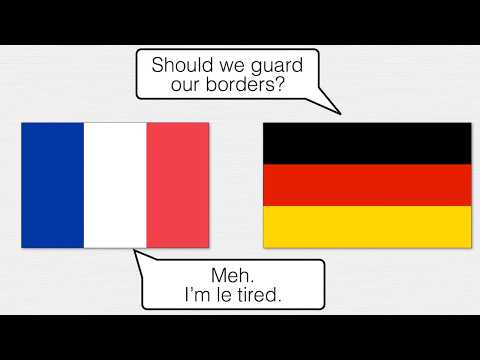
VoiceTube posted on 2013/07/15Ever wondered how the EU *really* works with its borders, or why some countries use the Euro and others don't? This video breaks down the fascinating details of the European Union, from the Schengen Area to overseas territories, giving you practical vocabulary for understanding global affairs and maybe even planning your next trip abroad!
Learn this video on the APP!
The VoiceTube App has more in-depth practice for videos!