
action
US /ˈækʃən/
UK /'ækʃn/
- Noun (Countable/Uncountable)
- Something that a person or thing does
- A lawsuit.
- Intransitive Verb
- To act to do something
A2Moreactivate
US /ˈæktəˌvet/
UK /ˈæktɪveɪt/
- Transitive Verb
- To cause to happen; cause a chemical reaction
- To make something start working
B1Moreagent
US /ˈedʒənt/
UK /'eɪdʒənt/
- Noun
- Chemical with the power to make chemical reactions
- Person who represents or decides for others
A2TOEICMoreanalogy
US /əˈnælədʒi/
UK /əˈnælədʒi/
- Noun
- Comparison of things based on their similarity
B1Morebrick
US /brɪk/
UK /brɪk/
- Countable Noun
- Baked clay block used to build houses, walls
A2Morebuttercup
US /ˈbʌtərkʌp/
UK /ˈbʌtəkʌp/
- Noun
- Small yellow flower
C2Moreclutch
US /klʌtʃ/
UK /klʌtʃ/
- Transitive Verb
- To hold strongly in your hand
- To operate the clutch of a vehicle.
- Noun (Countable/Uncountable)
- A tight grasp or grip.
- A mechanical device that engages and disengages power transmission, especially in a vehicle.
B1Morecognitive
US /ˈkɑɡnɪtɪv/
UK /ˈkɒgnətɪv/
- Adjective
- The process of knowing and remembering
- Relating to the ability to think and reason.
C1Morecome up with
US /kʌm ʌp wɪð/
UK /kʌm ʌp wið/
- Phrasal Verb
- To think of an idea or solution; produce
A1Moredeal with
US /dil wɪð/
UK /di:l wið/
- Verb (Transitive/Intransitive)
- To buy or sell goods or services.
- Phrasal Verb
- To take action to solve a problem or manage a situation.
- To be about; concern.
A1Moredeliberate
US /dɪˈlɪbərɪt/
UK /dɪ'lɪbərət/
- Adjective
- Carefully thought out in advance
- Done purposely
- Verb (Transitive/Intransitive)
- To consider a problem or decision carefully
B2Moredissonance
US /ˈdɪsənəns/
UK /ˈdɪsənəns/
- Uncountable Noun
- Lack of harmony or agreement
C1Moredome
US /doʊm/
UK /dəʊm/
- Noun
- Rounded roof or ceiling shaped like half a ball
B2Moreelaborate
US /ɪˈlæbəret/
UK /ɪ'læbəreɪt/
- Verb (Transitive/Intransitive)
- To explain something in detail
- To be made or explained with great care/in detail
- Adjective
- Made or done with great care or in a detailed way
B2TOEICMoreelvis has left the building
US /ˈɛlvɪs hæz lɛft ðə ˈbɪldɪŋ/
UK /ˈelvɪs hæz left ðə ˈbɪldɪŋ/
- other
- The event is finished; nothing more will happen.
B1Moreenlisted
US
UK
- Verb (Transitive/Intransitive)
- To obtain support from someone
- To become a member of a military group or service
B2Moreexpose
US /ɪkˈspoʊz/
UK /ɪk'spəʊz/
- Transitive Verb
- To make visible, without covering or protection
- To allow light through a cameras lens onto film
A2TOEICMorefalse
US /fɔ:ls/
UK /fɔ:ls/
- Adjective
- Not real or genuine
- Not true or correct; containing incorrect information.
- Adverb
- In an untrue or inaccurate way.
A2TOEICMorefind out about
US
UK
- Phrasal Verb
- To look for information to learn about it
A1Morefor example
US
UK
- Phrase
- As an illustration or instance.
fossil
US /ˈfɑsəl/
UK /'fɒsl/
- Noun (Countable/Uncountable)
- Plant or animal that became rock after many years
- A person or thing that is outdated or no longer useful.
- Adjective
- Relating to or resembling a fossil.
- Relating to or denoting energy generated from fossil fuels.
B1Morehave to
US /hæv tu/
UK /ˈhæv tə/
- Auxiliary Verb
- Must do
A1Morehypothetical
US /ˌhaɪpəˈθɛtɪkəl/
UK /ˌhaɪpəˈθetɪkl/
- Adjective
- Thought up, as an example; not being a real case
- Of the nature of a hypothesis; conjectural; provisional.
- Noun
- A hypothetical example or case.
- A hypothetical situation or scenario.
B2Moreidentify
US /aɪˈdɛntəˌfaɪ/
UK /aɪ'dentɪfaɪ/
- Transitive Verb
- To indicate who or what someone or something is
- To say exactly what something is
B1TOEICMoreignore
US /ɪɡˈnɔr, -ˈnor/
UK /ɪɡ'nɔ:(r)/
- Transitive Verb
- To not listen to, look at, or pay attention to
A2TOEICMoreimply
US /ɪmˈplaɪ/
UK /ɪmˈplaɪ/
- Transitive Verb
- To suggest something, without saying it directly
- To involve or indicate by inference, association, or necessary consequence rather than by direct statement
A2TOEICMoreink in
US
UK
- Phrasal Verb
- To fill in an outline or sketch with ink.
B1Moreinstinctively
US /ɪn'stɪŋktɪvlɪ/
UK /ɪn'stɪŋktɪvlɪ/
- Adverb
- Through intuition, not thought
B1TOEICMoreknow about
US /noʊ əˈbaʊt/
UK /nəʊ əˈbaut/
- Phrasal Verb
- To have information or understanding of a subject or situation.
laughter
US /ˈlæftɚ, ˈlɑf-/
UK /ˈlɑ:ftə(r)/
- Uncountable Noun
- Action or sound of laughing
- The feeling of amusement that makes you laugh.
A2Moreliteral
US /ˈlɪtərəl/
UK /ˈlɪtərəl/
- Adjective
- Being the basic exact meaning of a word/expression
- Being real and true and without exaggerating
B1Moreliterally
US /ˈlɪtərəli/
UK
- Adverb
- In a literal manner or sense; exactly as stated.
- Used for emphasis to describe something that is actually true, often to highlight surprise or intensity.
B1Morelook at
US /lʊk æt/
UK /luk æt/
- Phrasal Verb
- To use your eyes to focus on something
- To focus your eyes on something carefully
A1Moremetaphor
US /ˈmɛtəˌfɔr, -fɚ/
UK /ˈmetəfə(r)/
- Noun
- Imaginative use of words to reveal a similarity
B1Moremetaphorical
US /ˌmetəˈfɔ:rɪkl/
UK /ˌmetəˈfɒrɪkl/
- Adjective
- Using words imaginatively to reveal a similarity
B2Moremetaphorically
US /ˌmɛtəˈfɑrɪkəlɪ/
UK /ˌmetə'fɒrɪklɪ/
- Adverb
- In a metaphorical manner
B2Moreneutral
US /ˈnu:trəl/
UK /ˈnju:trəl/
- Adjective
- Something with pH value of 7
- Having no positive or negative electrical charge
- Noun (Countable/Uncountable)
- Color that is dull and not bright, such as gray
- The rest position for gears in a car or vehicle
B1Moreof course
US /ʌv kɔː(r)s/
UK /ɔv kɔː(r)s/
- Adverb
- Sure ; Certainly
- Phrase
- For sure; certainly
A2Moreorgan
US /ˈɔrɡən/
UK /'ɔ:ɡən/
- Noun (Countable/Uncountable)
- Part of a person's body with a particular function
- Large institution or body
B1Morepattern
US /ˈpætən/
UK /'pætn/
- Noun (Countable/Uncountable)
- Model to follow in making or doing something
- Colors or shapes which are repeated on objects
- Transitive Verb
- To copy the way something else is made
- To decorate with a pattern.
A2TOEICMorepoetry
US /ˈpoʊətri/
UK /ˈpəʊətri/
- Uncountable Noun
- Poetic writing; imaginative verses
- A collection of poems.
A2Moreprefix
US /ˈpriˌfɪks/
UK /'pri:fɪks/
- Noun
- Part of a word added to the front, e.g. UNhappy
B2Moreprocess
US /ˈprɑsˌɛs, ˈproˌsɛs/
UK /prə'ses/
- Transitive Verb
- To organize and use data in a computer
- To deal with official forms in the way required
- Noun (Countable/Uncountable)
- Dealing with official forms in the way required
- Set of changes that occur slowly and naturally
A2TOEICMorepursue
US /pɚˈsu/
UK /pə'sju:/
- Transitive Verb
- To follow and try to catch, or to reach a goal
- To try to achieve or get something over time
B1TOEICMorereign
US /ren/
UK /reɪn/
- Intransitive Verb
- To be present and felt or sensed by everyone there
- (King or Queen) to rule a country
- Uncountable Noun
- Time during which a person runs an organization
- Period of time when (e.g. king) rules a country
B1Morereject
US /rɪˈdʒɛkt/
UK /rɪˈdʒekt/
- Noun (Countable/Uncountable)
- Goods that are not suitable for sale at full price
- Person others do not like, or refuse to accept
- Transitive Verb
- To decide that something is not good enough
- To refuse, deny to believe, accept, or consider
A2TOEICMoreroutinely
US /ruˈtinlɪ/
UK /ru:'ti:nlɪ/
- Adverb
- In a regular, habitual or expected way
A2Morescientific
US /ˌsaɪənˈtɪfɪk/
UK /ˌsaɪənˈtɪfɪk/
- Adjective
- Concerning academic study of the physical world
- Systematic and precise, following a methodology.
- Noun
- Relating to or used in science.
A2Moreshow of hands
US
UK
- Noun
- A way of voting in which people raise their hands to show that they support something.
A1Morespark
US /spɑrk/
UK /spɑ:k/
- Countable Noun
- Small piece of burning material produced by fire
- Tiny, brief bit of light caused by electric energy
- Intransitive Verb
- To make tiny, brief bits of light
B1Morespiky
US /ˈspaɪki/
UK /ˈspaɪki/
- Adjective
- Having a long sharp point
B2Morestimulus
US /ˈstɪmjələs/
UK /ˈstɪmjələs/
- Noun
- Something that causes a change
B2Moresuch as
US /sʌtʃ æz/
UK /sʌtʃ æz/
- Preposition
- For example; like
A1Moresynesthesia
US /ˌsɪnəs'θi:ʒɪr/
UK /ˌsɪnəs'θi:ʒɪə/
- Noun
- Stimulation of one sense organ by another
C2Moretranslate
US /trænsˈlet/
UK /trænsˈleɪt/
- Transitive Verb
- To change something into a different state
- To be equivalent to; equate to
A2Moretrigger
US /ˈtrɪɡɚ/
UK /'trɪɡə(r)/
- Noun
- Lever on a gun that you pull to fire
- Device that starts a process
- Transitive Verb
- To start a process off e.g. a memory
- To cause something to begin or happen.
B1Moreubiquitous
US /juˈbɪkwɪtəs/
UK /ju:ˈbɪkwɪtəs/
- Adjective
- Found everywhere; found in many places
C2TOEICMoreutter
US /ˈʌtɚ/
UK /'ʌtə(r)/
- Transitive Verb
- To make a particular sound; speak
- Adjective
- Being complete or total
B2TOEICMore
Vocabulary
- of course: Sure ; Certainly
- know about: To have information or understanding of a subject or situation.
- look at: To use your eyes to focus on something
- have to: Must do
- deal with
- such as: For example; like
- show of hands: A way of voting in which people raise their hands to show that they support something.
- ink in: To fill in an outline or sketch with ink.
- for example: As an illustration or instance.
- find out about: To look for information to learn about it
- come up with: To think of an idea or solution; produce
- elvis has left the building: The event is finished; nothing more will happen.
- literally: In a literal manner or sense; exactly as stated.
- cognitive: The process of knowing and remembering
- process: To organize and use data in a computer
- elaborate: To explain something in detail
- deliberate: Carefully thought out in advance
- pattern: Model to follow in making or doing something
- present: Being in attendance; being there; having turned up
- trigger: Lever on a gun that you pull to fire
- experience: Thing a person has done or that happened to them
- pursue: To follow and try to catch, or to reach a goal
- sense: Certain mental feeling or emotion
- metaphor: Imaginative use of words to reveal a similarity
- identify: To indicate who or what someone or something is
- hypothetical: Thought up, as an example; not being a real case
- neutral: Something with pH value of 7
- describe: To tell the appearance, sound, smell of something
- ignore: To not listen to, look at, or pay attention to
- ubiquitous: Found everywhere; found in many places
- organ: Part of a person's body with a particular function
- spark: Small piece of burning material produced by fire
- create: To make, cause, or bring into existence
- scientific: Concerning academic study of the physical world
- shape: The outer form of something, what it looks like
- expose: To make visible, without covering or protection
- analogy: Comparison of things based on their similarity
- utter: To make a particular sound; speak
- literal: Being the basic exact meaning of a word/expression
- agent: Chemical with the power to make chemical reactions
- instinctively: Through intuition, not thought
- brick: Baked clay block used to build houses, walls
- reign: To be present and felt or sensed by everyone there
- clutch: To hold strongly in your hand
- fossil: Plant or animal that became rock after many years
- language: Words or signs used to communicate messages
- imply: To suggest something, without saying it directly
- reject: Goods that are not suitable for sale at full price
- sound: Sensible, dependable and reliable
- activate: To cause to happen; cause a chemical reaction
- false: Not real or genuine
- stimulus: Something that causes a change
- step: Movement done as part of a particular dance
- poetry: Poetic writing; imaginative verses
- find: To become aware of something that is happening
- group: Two or more musicians who play music together
- great: Very good; better than before
- understand: To know the meaning of language, what someone says
- think: To have an idea about something without certainty
- laughter: Action or sound of laughing
- translate: To change something into a different state
- meaning: To express a particular idea or thought
- action: Something that a person or thing does
- spiky: Having a long sharp point
- routinely: In a regular, habitual or expected way
- metaphorically: In a metaphorical manner
- dissonance: Lack of harmony or agreement
- dome: Rounded roof or ceiling shaped like half a ball
- metaphorical: Using words imaginatively to reveal a similarity
- synesthesia: Stimulation of one sense organ by another
- enlisted: To obtain support from someone
- prefix: Part of a word added to the front, e.g. UNhappy
- buttercup: Small yellow flower
Get the full experience in the app
Learn anywhere with detailed sentence and usage analysis
01:03
She took a brave step forward, leaving behind her comfort zone to chase her dreams.
Vocabulary
- brave
adj. Having courage
- comfort zone
phr. A familiar situation where one feels safe
Explanation
a brave step is a noun phrase, where brave is an adjective modifying the noun step, meaning "a courageous step".
forward is an adverb modifying step, meaning "ahead".
The whole phrase serves as the object, answering the "what" of took (verb) — she took a brave step forward.
Get the full experience in the app
Look up words anytime with pronunciation, part of speech, and usage
brave
US/brev/
UK/breɪv/
adj.Brave
v.t.To bravely face
A2 Elementary
Get the full experience in the app
Practice speaking anytime and get instant pronunciation feedback
Try this speaking exercise.
Try practicing with this sentence.
80
0
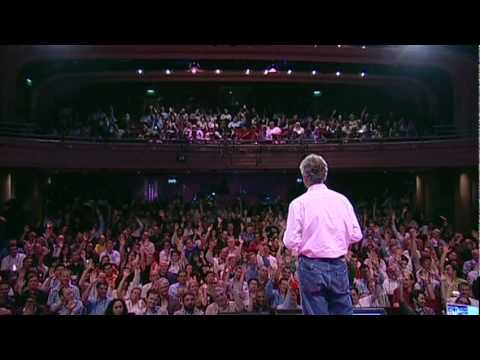
Maggie Chien posted on 2017/06/21Ever wonder how metaphors shape our world? This fascinating TED Talk dives deep into the power of metaphor, showing you how it influences our thoughts and language with fun examples. You'll pick up some really interesting vocabulary and gain a new perspective on everyday expressions!
Learn this video on the APP!
The VoiceTube App has more in-depth practice for videos!