
aggressor
US /əˈɡrɛsɚ/
UK /əˈgresə(r)/
- Noun (Countable/Uncountable)
- Country or person that starts a fight or conflict
C1Moreannouncement
US /əˈnaʊnsmənt/
UK /əˈnaʊnsmənt/
- Noun
- Act of informing people about something publicly
A2TOEICMoreargument
US /ˈɑrɡjəmənt/
UK /ˈɑ:gjumənt/
- Noun (Countable/Uncountable)
- Discussion in which you disagree with someone
- A presentation of reasons for or against an idea
A2TOEICMorearrogance
US /ˈærəɡəns/
UK /ˈærəgəns/
- Uncountable Noun
- Rude manner from belief you are better than others
B2TOEICMoreas such
US /æz sʌtʃ/
UK /æz sʌtʃ/
- Pronoun
- Something previously stated or understood
A1Moreaside from
US /əˈsaɪd frʌm/
UK /əˈsaid frɔm/
- Phrase
A1Moreat that time
US /æt ðæt taɪm/
UK /æt ðæt taim/
- Phrase
- During a specific point in the past.
A1Moreattention
US /əˈtɛnʃən/
UK /əˈtenʃn/
- Noun (Countable/Uncountable)
- Taking notice of someone or something
- Noun
- (Soldiers) Standing with straight backs
A2TOEICMoreaudience
US /ˈɔdiəns/
UK /ˈɔ:diəns/
- Noun (Countable/Uncountable)
- Group of people attending a play, movie etc.
A2TOEICMoreavenue
US /ˈævəˌnu, -ˌnju/
UK /'ævənju:/
- Noun
- Noun (Countable/Uncountable)
- Wide street
- Way to approach something or some issue
B1Moreayatollah
US /ˌaɪəˈtoʊlə/
UK /ˌaɪəˈtɒlə/
- Proper Noun
- Important religious or political leader in Iran
C1Morebased on
US
UK
- Phrasal Verb
- To use something as the foundation or starting point for something else.
- Preposition
- Using something as the main idea or foundation.
- Relying on something as evidence or justification.
A1Morebimbo
US /ˈbɪmbo/
UK /'bɪmbəʊ/
- Noun
- Good-looking young woman without much sense
C1Moreboycott
US /ˈbɔɪˌkɑt/
UK /'bɔɪkɒt/
- Transitive Verb
- To not buy a product for moral reasons
- To not buy/use something as a protest
B2Moreby now
US /baɪ naʊ/
UK /bai nau/
- Phrase
- At the present time or already; before the present.
A2Morecall on
US /kɔl ɑn/
UK /kɔ:l ɔn/
- Phrasal Verb
- To order or ask someone to do a specific activity
- To visit someone
A1Morecampaign
US /kæmˈpen/
UK /kæm'peɪn/
- Intransitive Verb
- To work in an organized, active way towards a goal
- Noun (Countable/Uncountable)
- Series of actions meant to achieve a goal
- A planned set of military activities intended to achieve a particular objective.
A2TOEICMorecaucus
US /ˈkɔkəs/
UK /'kɔ:kəs/
- Noun (plural)
- Private meeting of people in a political party
- Noun
- A meeting of supporters or members of a political party or movement.
- A group of people with shared concerns within a political party or organization.
C1TOEICMorechronology
US /krəˈnɑ:lədʒi/
UK /krəˈnɒlədʒi/
- Uncountable Noun
- Order in which certain events occurred
B2Morecoward
US /ˈkaʊərd/
UK /ˈkaʊəd/
- Noun
- Someone too afraid to do what is right or needed
B2Morecross
US /krɔs, krɑs/
UK /krɒs/
- Adjective
- Angry and upset
- From one side of something to the other
- Transitive Verb
- To put one thing over another e.g. arms
- To breed one type of animal or plant with another
A2Moredebate
US / dɪˈbet/
UK /dɪ'beɪt/
- Noun (Countable/Uncountable)
- General public discussion of a topic
- A formal event where two sides discuss a topic
- Verb (Transitive/Intransitive)
- To consider options before making a decision
- To take part in a formal discussion
A2TOEICMoredefeat
US /dɪˈfit/
UK /dɪ'fi:t/
- Transitive Verb
- To beat an enemy, team, disease
- To prevent something from succeeding.
- Noun
- When you lose a fight, game or competition
- The feeling of having been beaten.
B1Moreenormously
US /ɪˈnɔ:rməsli/
UK /ɪˈnɔ:məsli/
- Adverb
- Extremely (happy, popular, etc.)
B1Morefor days
US /fɔr dez/
UK /fɔ: deɪz/
- Phrase
- For a long period of time; lasting several days.
gigantic
US /dʒaɪˈɡæntɪk/
UK /dʒaɪ'ɡæntɪk/
- Adjective
- Extremely large
- Of very great size, extent, or degree.
B2Moregive in
US /ɡɪv ɪn/
UK /ɡiv in/
- Phrasal Verb
- To submit work; hand in
- To stop resisting; to surrender
A1Morego on
US /ɡo ɑn/
UK /ɡəu ɔn/
- Phrasal Verb
- To continue doing something
- To happen (usually negative)
- Interjection
- Used to encourage someone
A1Morehallway
US /ˈhɔlˌwe/
UK /ˈhɔ:lweɪ/
- Noun
- Interior passage or corridor onto which rooms open
B2Morehave to
US /hæv tu/
UK /ˈhæv tə/
- Auxiliary Verb
- Must do
A1Morein the news
US
UK
- Phrase
- Being widely reported in the media.
A1Morein the past
US
UK
- Phrase
- During a former period of time; previously.
A1Moreinterview
US /ˈɪntɚˌvju/
UK /'ɪntəvju:/
- Transitive Verb
- To formally ask questions about a given topic
- Noun
- Meeting to ask questions to get information
A2TOEICMorejournalism
US /ˈdʒɜ:rnəlɪzəm/
UK /ˈdʒɜ:nəlɪzəm/
- Uncountable Noun
- Profession of writing or reporting news
B2Morejournalist
US /ˈdʒɚnəlɪst/
UK /ˈdʒɜ:nəlɪst/
- Noun
- Writer of news reports for newspapers etc.
A2TOEICMorelive on
US /lɪv ɒn/
UK /lɪv ɒn/
- Phrasal Verb
- To continue to exist or be remembered.
- To eat a particular type of food as the main thing.
B2Morelook at
US /lʊk æt/
UK /luk æt/
- Phrasal Verb
- To use your eyes to focus on something
- To focus your eyes on something carefully
A1Moremeet with
US /mit wɪð/
UK /mi:t wið/
- Phrasal Verb
- To have a meeting with someone in order to discuss something.
- To encounter or experience something, often something negative.
move to
US /muv tu/
UK /mu:v tu:/
- Phrasal Verb
- To change the place where you live or work.
- Verb (Transitive/Intransitive)
- To proceed to the next stage or action.
A2Moreno shame
US
UK
- Adjective
- Without a sense of embarrassment or guilt.
- Showing a lack of hesitation or embarrassment in a way that is admirable or amusing; bold.
- Phrase
- Without apology or regret.
A1Morenominee
US /ˌnɑməˈni/
UK /ˌnɒmɪˈni:/
- Countable Noun
- One put forward or suggested for an award/position
B2TOEICMoreof a sudden
US
UK
- Phrase
- Quickly and unexpectedly; suddenly.
B2Moreof course
US /ʌv kɔː(r)s/
UK /ɔv kɔː(r)s/
- Adverb
- Sure ; Certainly
- Phrase
- For sure; certainly
A2Moreon to
US /ɑn tu/
UK /ɔn tu:/
- Preposition
- Toward something; forward
- Aware of someone's activities.
- Adjective
- Aware of someone's deception or illegal activities.
A1Moreopponent
US /əˈponənt/
UK /əˈpəʊnənt/
- Noun (Countable/Uncountable)
- Person who opposes an idea or plan; enemy
- Person that you are competing against in a game
B1Moreout of it
US /aʊt ʌv ɪt/
UK /aut ɔv it/
- Adjective
- Unconscious or not completely alert; dazed or confused.
- Not able to think clearly or react quickly; not with it.
A1Moreoy
US
UK
- Interjection
- The sound made to get someone's attention
C2Morepathetic
US /pəˈθɛtɪk/
UK /pəˈθetɪk/
- Adjective
- Causing feelings of sadness, pity and sympathy
B1Moreperceive
US /pɚˈsiv/
UK /pə'si:v/
- Transitive Verb
- To notice or become aware of something
- To think of someone or something in a certain way
B1TOEICMorepitch
US /pɪtʃ/
UK /pɪtʃ/
- Transitive Verb
- To suggest a product, idea to make someone buy
- To throw a baseball to a batter
- Noun
- Act of throwing a baseball for someone to hit
- Playing fields in sports, e.g. for soccer
B1TOEICMorepropaganda
US /ˌprɑ:pə'ɡændə/
UK /ˌprɒpə'ɡændə/
- Uncountable Noun
- (Use of) message that you want people to accept
- The systematic dissemination of information, especially in a biased or misleading way, in order to promote a political cause or point of view.
B1Morepublicity
US /pʌˈblɪsɪti/
UK /pʌbˈlɪsəti/
- Uncountable Noun
- Attention given to person/thing by news/radio/TV
B1Moreput out
US /pʊt aʊt/
UK /put aut/
- Phrasal Verb
- To publish, e.g. a book
- To cause someone to be troubled or inconvenienced
A1Morerefuse
US /ˈrefjus/
UK /rɪ'fju:z/
- Transitive Verb
- To not accept, allow, or give something
- Uncountable Noun
- Garbage, waste
A2TOEICMorerepublican
US /rɪˈpʌblɪkən/
UK /rɪˈpʌblɪkən/
- Countable Noun
- Supporter of the conservative US political party
- Adjective
- Of a republic; not favoring a monarchy
B1Moreridiculously
US /rɪˈdɪkjələslɪ/
UK /rɪ'dɪkjələslɪ/
- Adverb
- Extremely; so much so that people might laugh
B1Moreset up
US /sɛt ʌp/
UK /set ʌp/
- Phrasal Verb
- To make arrangements for something; establish
- Verb (Transitive/Intransitive)
- To arrange or prepare something for use.
- To start a business, organization, etc.
A1Moreshark
US /ʃɑ:rk/
UK /ʃɑ:k/
- Noun
- Person who lends money at unfair rates of interest
- Large and dangerous fish with sharp teeth
B2Moreshow up
US /ʃo ʌp/
UK /ʃəu ʌp/
- Phrasal Verb
- To arrive or be seen at a place, e.g. a party
- To be noticeably better than (someone else)
A1Moresimilarity
US /ˌsɪməˈlærɪti/
UK /ˌsɪmə'lærətɪ/
- Uncountable Noun
- Degree to which people or things are the same
A2Moreskipped
US /skɪpt/
UK /skɪpt/
- Verb (Transitive/Intransitive)
- To move forward by taking fast steps and jumps
- To move rapidly, from one topic to another
- Transitive Verb
- To not do something expected or required
B2Morestand for
US /stænd fɔr/
UK /stænd fɔ:/
- Phrasal Verb
- To support a particular idea, e.g. in politics
- To represent or symbolize
A1Morestand up to
US /stænd ʌp tu/
UK /stænd ʌp tu:/
- Phrasal Verb
- To resist or fight someone who is being aggressive
A1Morestatement
US / ˈstetmənt/
UK /ˈsteɪtmənt/
- Noun (Countable/Uncountable)
- Record of activity in a bank account over time
- Act or process of saying something formally
A2TOEICMorestew
US /stu, stju/
UK /stju:/
- Verb (Transitive/Intransitive)
- To cook meat or vegetables in hot water
- Noun (Countable/Uncountable)
- Type of dish mixing meat, vegetables, and gravy
B2Morestrength
US /strɛŋkθ, strɛŋθ, strɛnθ/
UK /streŋθ/
- Noun (Countable/Uncountable)
- Condition of being strong
- The quality or state of being physically strong.
A2TOEICMorestroke
US /strok/
UK /strəʊk/
- Noun (Countable/Uncountable)
- When blood cannot get to brain, causing damage
- Mark made by a pen, pencil or brush
- Transitive Verb
- To rub your hand in a caring way on something
B1Moresupposedly
US /səˈpoʊzɪdli/
UK /səˈpəʊzɪdli/
- Adverb
- As some people believe (shows you doubt it)
A2Moretalking about
US
UK
- Phrasal Verb
- To discuss a particular topic.
- To be constantly mentioning or bringing up a subject.
A1Morethreaten
US /ˈθrɛtn/
UK /ˈθretn/
- Transitive Verb
- To cause something potential harm, or put at risk
- To say you may harm or hurt someone
A2Moretweet
US /twit/
UK /twi:t/
- Noun
- Weak chirping sound as of a small bird
- Message sent to Twitter
- Intransitive Verb
- To make a weak chirping sound as of a small bird
B1Moreunprecedented
US /ʌnˈprɛsɪˌdɛntɪd/
UK /ʌnˈpresɪdentɪd/
- Adjective
- Not having happened before, or to such a degree
B1Moreviolate
US /ˈvaɪəˌlet/
UK /ˈvaɪəleɪt/
- Transitive Verb
- To abuse, damage or disrespect
- To break rules or laws; disregard important rights
B1Morewalk away from
US /wɔk əˈwe frʌm/
UK /wɔ:k əˈwei frɔm/
- Phrasal Verb
- To leave a situation or relationship, especially when it is difficult or unpleasant.
A2Morework out
US /wɚk aʊt/
UK /wə:k aut/
- Phrasal Verb
- To find a way to do something, by thinking
A1More
Vocabulary
- show up: To arrive or be seen at a place, e.g. a party
- of course: Sure ; Certainly
- put out: To publish, e.g. a book
- go on: To continue doing something
- talking about: To discuss a particular topic.
- in the news: Being widely reported in the media.
- in the past: During a former period of time; previously.
- out of it: Unconscious or not completely alert; dazed or confused.
- stand for: To support a particular idea, e.g. in politics
- by now: At the present time or already; before the present.
- call on: To order or ask someone to do a specific activity
- give in: To submit work; hand in
- as such: Something previously stated or understood
- on to: Toward something; forward
- walk away from: To leave a situation or relationship, especially when it is difficult or unpleasant.
- set up
- aside from
- stand up to: To resist or fight someone who is being aggressive
- meet with: To have a meeting with someone in order to discuss something.
- for days: For a long period of time; lasting several days.
- have to: Must do
- no shame: Without a sense of embarrassment or guilt.
- based on: To use something as the foundation or starting point for something else.
- of a sudden: Quickly and unexpectedly; suddenly.
- look at: To use your eyes to focus on something
- move to: To change the place where you live or work.
- at that time: During a specific point in the past.
- work out
- live on: To continue to exist or be remembered.
- perceive: To notice or become aware of something
- debate: General public discussion of a topic
- campaign: To work in an organized, active way towards a goal
- audience: Group of people attending a play, movie etc.
- unprecedented: Not having happened before, or to such a degree
- strength: Condition of being strong
- statement: Record of activity in a bank account over time
- stroke: When blood cannot get to brain, causing damage
- pitch: To suggest a product, idea to make someone buy
- pathetic: Causing feelings of sadness, pity and sympathy
- propaganda: (Use of) message that you want people to accept
- gigantic: Extremely large
- attention: Taking notice of someone or something
- risk: To do something potentially dangerous or foolish
- argument: Discussion in which you disagree with someone
- defeat: To beat an enemy, team, disease
- opponent: Person who opposes an idea or plan; enemy
- supposedly: As some people believe (shows you doubt it)
- journalist: Writer of news reports for newspapers etc.
- moment: Very short or brief period of time
- interview: To formally ask questions about a given topic
- appear: To be seen, become visible; come into sight
- threaten: To cause something potential harm, or put at risk
- chance: The way something happens without planning
- leave: To go away from; depart
- question: To ask for or try to get information
- wrong: Action that is harmful, unjust or illegal
- refuse: To not accept, allow, or give something
- announcement: Act of informing people about something publicly
- avenue
- nominee: One put forward or suggested for an award/position
- scared: To become frightened
- arrogance: Rude manner from belief you are better than others
- violate: To abuse, damage or disrespect
- case: Container used to carry things, e.g. clothes
- stew: To cook meat or vegetables in hot water
- tweet: Weak chirping sound as of a small bird
- similarity: Degree to which people or things are the same
- enormously: Extremely (happy, popular, etc.)
- happen: To take place or occur
- republican: Supporter of the conservative US political party
- cross: Angry and upset
- hallway: Interior passage or corridor onto which rooms open
- show: To be easily seen or displayed
- line: Border that divides two places or regions
- journalism: Profession of writing or reporting news
- boycott: To not buy a product for moral reasons
- strong: (Of tea or beer) dark or thick
- coward: Someone too afraid to do what is right or needed
- put: To move or place a thing in a particular position
- hate: To have a very strong feeling of dislike for
- ridiculously: Extremely; so much so that people might laugh
- publicity: Attention given to person/thing by news/radio/TV
- shark: Person who lends money at unfair rates of interest
- caucus: Private meeting of people in a political party
- aggressor: Country or person that starts a fight or conflict
- skipped: To move forward by taking fast steps and jumps
- bimbo: Good-looking young woman without much sense
- chronology: Order in which certain events occurred
- ayatollah: Important religious or political leader in Iran
- oy: The sound made to get someone's attention
Get the full experience in the app
Learn anywhere with detailed sentence and usage analysis
01:03
She took a brave step forward, leaving behind her comfort zone to chase her dreams.
Vocabulary
- brave
adj. Having courage
- comfort zone
phr. A familiar situation where one feels safe
Explanation
a brave step is a noun phrase, where brave is an adjective modifying the noun step, meaning "a courageous step".
forward is an adverb modifying step, meaning "ahead".
The whole phrase serves as the object, answering the "what" of took (verb) — she took a brave step forward.
Get the full experience in the app
Look up words anytime with pronunciation, part of speech, and usage
brave
US/brev/
UK/breɪv/
adj.Brave
v.t.To bravely face
A2 Elementary
Get the full experience in the app
Practice speaking anytime and get instant pronunciation feedback
Try this speaking exercise.
Try practicing with this sentence.
80
0
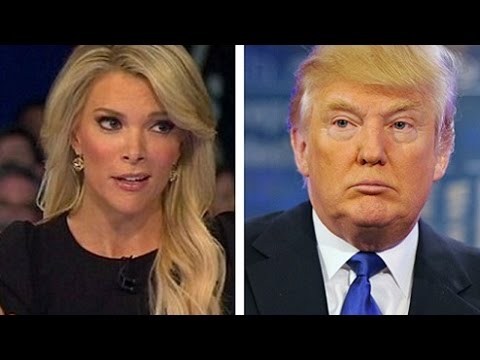
EZ Wang posted on 2017/05/14Ever wonder why some politicians skip debates? This video dives into Donald Trump's decision to boycott a debate with Megyn Kelly, exploring the campaign strategy and media warfare behind it. You'll get a great look at cultural depth and learn about real-world political tactics!
Learn this video on the APP!
The VoiceTube App has more in-depth practice for videos!