
agricultural
US /ˌæɡrɪ'kʌltʃərəl/
UK /ˌæɡrɪ'kʌltʃərəl/
- Adjective
- Concerning farming, or the land
B1Morearound the world
US /əˈraʊnd ði wɜrld/
UK /əˈraund ðə wɜː(r)ld/
- Phrase
- In or to many countries.
- In various places throughout the world.
A2Moreas well as
US /æz wɛl æz/
UK /æz wel æz/
- Adverb
- Also; in addition to
- Preposition
- In addition to; and also.
A1Morebrink
US /brɪŋk/
UK /brɪŋk/
- Noun
- Near to happening; on the verge of
B2Morecontribute
US /kənˈtrɪbjut/
UK /kən'trɪbju:t/
- Verb (Transitive/Intransitive)
- To be a factor in causing something to happen
- To donate, give (money) or help to something
A2Moredecipher
US /dɪˈsaɪfɚ/
UK /dɪˈsaɪfə(r)/
- Transitive Verb
- To uncover the meaning of something hard to read
B2Moredelicious
US /dɪˈlɪʃəs/
UK /dɪˈlɪʃəs/
- Adjective
- Very pleasing to eat; especially pleasing
B1TOEICMoredude
US /dud, djud/
UK /du:d/
- Noun
- Form of address for a man
- (informal) A man; a fellow.
- Interjection
- (informal) Used as a term of address, often between men.
B2Moreenslave
US /ɛnˈslev/
UK /ɪn'sleɪv/
- Transitive Verb
- To make someone live like a slave
C2Moreessentially
US /ɪˈsenʃəli/
UK /ɪˈsenʃəli/
- Adverb
- Basically; (said when stating the basic facts)
- Used to emphasize the basic truth or fact of a situation.
A2Moreextinction
US /ɪkˈstɪŋkʃən/
UK /ɪkˈstɪŋkʃn/
- Noun (Countable/Uncountable)
- When every example of animal, plant is dead
- The process of something ceasing to exist or be active.
B1Morefavor
US /ˈfevɚ/
UK /'feɪvə/
- Noun
- Support or approval from people
- Small gift given out at a party
- Transitive Verb
- To prefer or promote over another
A2Morefeed
US /fid/
UK /fi:d/
- Transitive Verb
- To give food, e.g. to animals or a baby
- To push something through an opening
- Uncountable Noun
- Food given to animals
A2TOEICMoreflow
US /flo/
UK /fləʊ/
- Intransitive Verb
- To move steadily and easily in a certain direction
- Uncountable Noun
- Amount of something that moves through an area
A2Morefor sure
US /fɔr ʃʊr/
UK /fɔ: ʃuə/
- Adverb
- Definitely; certainly; without a doubt.
- Used to emphasize a statement.
- Interjection
- An expression of strong agreement or affirmation.
A2Moregenerally
US /ˈdʒɛnərəli/
UK /ˈdʒenrəli/
- Adverb
- Usually; as a rule; by, to or for most people
A2Morehorrible
US /ˈhɔrəbəl, ˈhɑr-/
UK /ˈhɒrəbl/
- Adjective
- Very bad; causing annoyance, distaste or fear
A2TOEICMoreimmune
US /ɪˈmjoon/
UK /ɪˈmju:n/
- Adjective
- Having a special protection from, e.g. the law
- Protected against a particular disease or condition because of antibodies or vaccination.
B1Moreindustrial
US /ɪnˈdʌstriəl/
UK /ɪnˈdʌstriəl/
- Adjective
- Concerning making things in factories
- Noun
- A worker in industry.
- A company involved in industrial production.
A2Morelast straw
US /læst strɔ/
UK /lɑ:st strɔ:/
- Noun
- The final problem in a series of problems that causes someone to lose patience or give up.
C1Morelikelihood
US /ˈlaɪkliˌhʊd/
UK /ˈlaɪklihʊd/
- Uncountable Noun
- Chance that something might happen
B1TOEICMorelook at
US /lʊk æt/
UK /luk æt/
- Phrasal Verb
- To use your eyes to focus on something
- To focus your eyes on something carefully
A1Moremackerel
US /ˈmækərəl, ˈmækrəl/
UK /ˈmækrəl/
- Noun (Countable/Uncountable)
- Fish with wavy marks on the back
- Adjective
- Having a pattern of wavy lines or bands, resembling the markings on a mackerel fish.
C1Moremarine
US /məˈrin/
UK /mə'ri:n/
- Countable Noun
- Soldier trained to serve on land and sea
- Adjective
- Of the ocean or ocean plants and animals
- Concerning sailing or doing business by sea
B1Morenegative
US /ˈnɛɡətɪv/
UK /'neɡətɪv/
- Noun
- The opposite to a positive electrical charge
- In grammar, containing words such as 'no' or 'not'
- Adjective
- Being harmful, unwanted or unhelpful
- In mathematics, being less than zero
A2Moreon the brink of
US /ɑːn ðiː brɪŋk ɑːv/
UK
- Phrase
- Very near to experiencing something, usually something unpleasant.
- About to happen; imminent.
A1Morepeel
US /pil/
UK /pi:l/
- Noun (Countable/Uncountable)
- Outer covering, or skin, of a piece of fruit
- Transitive Verb
- To remove the outer skin of something, e.g. fruit
- To remove the cover or outer layer from something
B1Morepoison
US /ˈpɔɪzən/
UK /ˈpɔɪzn/
- Transitive Verb
- To affect something in a very negative way
- To hurt or kill with a dangerous substance
- Noun (Countable/Uncountable)
- Substance that can kill when eaten/drunk
- Something that has a harmful or destructive influence.
A2Moreportion
US /ˈpɔrʃən, ˈpor-/
UK /'pɔ:ʃn/
- Noun (Countable/Uncountable)
- Serving of food that is intended for one person
- Part of something shared that belongs to a whole
- Transitive Verb
- To separate something to divide among people
B1Morepre
US
UK
- Prefix
- A prefix meaning 'before'
B2Morerecommend
US /ˌrɛkəˈmɛnd/
UK /ˌrekə'mend/
- Transitive Verb
- To advise or suggest that someone do something
- To endorse or support something publicly.
A2TOEICMorereproductive
US /ˌriprəˈdʌktɪv/
UK /ˌri:prəˈdʌktɪv/
- Adjective
- Concerning the process of making children
- Relating to having children, young, or new plants
B1Moreruin
US /ˈruɪn/
UK /'ru:ɪn/
- Transitive Verb
- To damage or completely destroy something
- To cause someone to lose their money or status
- Noun (Countable/Uncountable)
- Remains of a building that has been destroyed
- The state of being destroyed or severely damaged.
B1Moresalmon
US /ˈsæmən/
UK /ˈsæmən/
- Noun
- Light pinkish orange color
- Large fish with silver skin and pink flesh
B1Moreseafood
US /ˈsiˌfud/
UK /'si:fu:d/
- Noun (Countable/Uncountable)
- Fish, shellfish, etc. that can be eaten
B2Moreshrimp
US /ʃrɪmp/
UK /ʃrɪmp/
- Countable Noun
- Small edible salt-water shellfish with many legs
- Someone who is small and weak
B1Moreslave
US /slev/
UK /sleɪv/
- Countable Noun
- Someone who is legally owned by another person
- A person who is controlled by something.
- Intransitive Verb
- To work very hard.
B1Moresnicker
US /'snɪkər/
UK /'snɪkə(r)/
- Noun
- A quiet, unkind laugh
- Intransitive Verb
- To laugh at in an unkind way
B2Moresoutheast
US /saʊθˈist, saʊˈist/
UK /ˌsaʊθ'i:st/
- Noun
- Location in the southeastern part of an area
B2Morestick
US /stɪk/
UK /stɪk/
- Verb (Transitive/Intransitive)
- To push a sharp or pointed object into something
- To join together using glue or paste
- Countable Noun
- Long thin piece of wood from a tree
A2Morestraw
US /strɔ/
UK /strɔ:/
- Adjective
- Dry yellow stems of crops such as wheat
- Countable Noun
- Thin tube used for sucking up liquids to drink
B1Moresuch as
US /sʌtʃ æz/
UK /sʌtʃ æz/
- Preposition
- For example; like
A1Moresushi
US /ˈsuʃi/
UK /ˈsu:ʃi/
- Noun
- Rice (with raw fish) wrapped in seaweed
B2Moretaint
US /tent/
UK /teɪnt/
- Transitive Verb
- To hurt or damage the good condition of something
- Noun
- A trace of something bad or undesirable.
- A state of being contaminated or morally corrupted.
B2Morethreaten
US /ˈθrɛtn/
UK /ˈθretn/
- Transitive Verb
- To cause something potential harm, or put at risk
- To say you may harm or hurt someone
A2Moretoxic
US /ˈtɑksɪk/
UK /ˈtɒksɪk/
- Adjective
- Poisonous; harmful
- (Of relationships) harmful; causing conflict
B2Moretuna
US /ˈtu:nə/
UK /ˈtju:nə/
- Noun (Countable/Uncountable)
- Large sea fish that is caught for food
B2Morewaste
US /west/
UK /weɪst/
- Transitive Verb
- To kill or severely harm someone
- To use valuable things ineffectively
- Uncountable Noun
- Materials left over after a process has finished
A2TOEICMorewild
US /waɪld/
UK /waɪld/
- Adverb
- In a manner which lacks control
- Adjective
- Living in nature; not tame
- (Of land) not developed by people
A2Morewildlife
US /ˈwaɪldˌlaɪf/
UK /ˈwaɪldlaɪf/
- Uncountable Noun
- All wild animals
B1Morewrestle
US /ˈrɛsəl/
UK /'resl/
- Verb (Transitive/Intransitive)
- To fight someone by holding parts of their body
- To struggle with a problem
B2More
Vocabulary
- on the brink of: Very near to experiencing something, usually something unpleasant.
- around the world: In or to many countries.
- look at: To use your eyes to focus on something
- such as: For example; like
- as well as: Also; in addition to
- last straw: The final problem in a series of problems that causes someone to lose patience or give up.
- for sure: Definitely; certainly; without a doubt.
- essentially: Basically; (said when stating the basic facts)
- stick: To push a sharp or pointed object into something
- immune: Having a special protection from, e.g. the law
- recommend: To advise or suggest that someone do something
- negative: The opposite to a positive electrical charge
- ruin: To damage or completely destroy something
- consider: To think carefully about something
- dude: Form of address for a man
- contribute: To be a factor in causing something to happen
- toxic: Poisonous; harmful
- industry: Hard work; being busy working
- portion: Serving of food that is intended for one person
- generally: Usually; as a rule; by, to or for most people
- behavior: The way a person or thing acts; manner
- labor: To struggle to do something because it's difficult
- nervous: Concerning the system of nerves in the body
- horrible: Very bad; causing annoyance, distaste or fear
- favor: Support or approval from people
- likelihood: Chance that something might happen
- extinction: When every example of animal, plant is dead
- belief: Being sure that something exists or is true
- straw: Dry yellow stems of crops such as wheat
- waste: To kill or severely harm someone
- industrial: Concerning making things in factories
- decipher: To uncover the meaning of something hard to read
- marine: Soldier trained to serve on land and sea
- wild: In a manner which lacks control
- brink: Near to happening; on the verge of
- peel: Outer covering, or skin, of a piece of fruit
- flow: To move steadily and easily in a certain direction
- system: Set of organized, planned ideas that work together
- threaten: To cause something potential harm, or put at risk
- shrimp: Small edible salt-water shellfish with many legs
- agricultural: Concerning farming, or the land
- poison: To affect something in a very negative way
- feed: To give food, e.g. to animals or a baby
- salmon: Light pinkish orange color
- wrestle: To fight someone by holding parts of their body
- slave: Someone who is legally owned by another person
- atlantic: Of the ocean between Africa and the Americas
- feel: To be aware of or experience an emotion, sensation
- reproductive: Concerning the process of making children
- delicious: Very pleasing to eat; especially pleasing
- taint: To hurt or damage the good condition of something
- human: A person; a man, woman or child
- tuna: Large sea fish that is caught for food
- expensive: Costing a lot of money
- meal: Food for eating at a particular time, e.g. dinner
- touch: To affect feelings, especially by causing sympathy
- fresh: Clean; not used or dirty
- hear: To be aware of sound; to perceive with the ear
- wildlife: All wild animals
- pre: A prefix meaning 'before'
- enslave: To make someone live like a slave
- mackerel: Fish with wavy marks on the back
- snicker: A quiet, unkind laugh
- southeast: Location in the southeastern part of an area
- sushi: Rice (with raw fish) wrapped in seaweed
- seafood: Fish, shellfish, etc. that can be eaten
Get the full experience in the app
Learn anywhere with detailed sentence and usage analysis
01:03
She took a brave step forward, leaving behind her comfort zone to chase her dreams.
Vocabulary
- brave
adj. Having courage
- comfort zone
phr. A familiar situation where one feels safe
Explanation
a brave step is a noun phrase, where brave is an adjective modifying the noun step, meaning "a courageous step".
forward is an adverb modifying step, meaning "ahead".
The whole phrase serves as the object, answering the "what" of took (verb) — she took a brave step forward.
Get the full experience in the app
Look up words anytime with pronunciation, part of speech, and usage
brave
US/brev/
UK/breɪv/
adj.Brave
v.t.To bravely face
A2 Elementary
Get the full experience in the app
Practice speaking anytime and get instant pronunciation feedback
Try this speaking exercise.
Try practicing with this sentence.
80
0
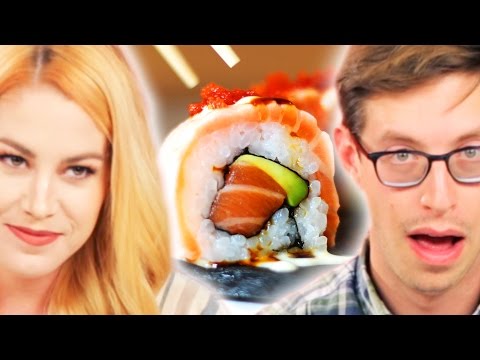
Colleen Jao posted on 2021/11/16Get ready for some serious sushi shock! You'll hear real people react to disturbing facts about overfishing and seafood slavery while they're trying to enjoy their favorite rolls. It's a wild ride that's perfect for picking up advanced vocabulary and understanding cultural depth around our food choices!
Learn this video on the APP!
The VoiceTube App has more in-depth practice for videos!