
appearance
US /əˈpɪrəns/
UK /əˈpɪərəns/
- Noun
- The way a person looks to others
- The way that something looks
A2TOEICMoreappetite
US /ˈæpɪˌtaɪt/
UK /'æpɪtaɪt/
- Noun
- Feeling of hunger or desire for something
B1Moreapproach
US /əˈprəʊtʃ/
UK /ə'prəʊtʃ/
- Verb (Transitive/Intransitive)
- To get close to reaching something or somewhere
- To request someone to do something specific
- Noun (Countable/Uncountable)
- Means of reaching a place, often a road or path
- Request of someone with a specific goal in mind
A2TOEICMoreask for help
US
UK
- Verb (Transitive/Intransitive)
- To request assistance or support.
authentic
US /ɔˈθɛntɪk/
UK /ɔ:ˈθentɪk/
- Adjective
- From a reliable source; accurate; true
B1Morebullet
US /ˈbʊlɪt/
UK /'bʊlɪt/
- Countable Noun
- Metal object fired from a gun
- Dot at the beginning of each line in a list
- Adjective
- Very fast.
B1Morebury
US /ˈbɛri/
UK /'berɪ/
- Transitive Verb
- To put something into the ground and cover it
B1Morecease
US /sis/
UK /si:s/
- Verb (Transitive/Intransitive)
- To come or bring to an end; stop continuing
B1Morechanger
US /'tʃeɪndʒər/
UK /'tʃeɪndʒə(r)/
- Countable Noun
- A person who changes something
C1Morechew
US /tʃu:/
UK /tʃu:/
- Verb (Transitive/Intransitive)
- To bite something many times without swallowing it
- Noun
- Act of biting something many times
B1Morechewed up
US
UK
- Phrasal Verb
- To damage or destroy something by chewing it repeatedly.
- To defeat someone easily and completely.
B1Moreconcentrate
US /ˈkɑnsənˌtret/
UK /'kɒnsntreɪt/
- Verb (Transitive/Intransitive)
- To cause to be present in large amount or number
- To pay great attention to a task; focus
- Noun (Countable/Uncountable)
- A substance made by removing water or other diluents; a concentrated form of something.
A2Moreconfidence
US /ˈkɑnfɪdəns/
UK /'kɒnfɪdəns/
- Uncountable Noun
- Feeling that you can do well at something
- Feeling you can trust someone
A2Moreconstantly
US /ˈkɑnstəntlɪ/
UK /ˈkɒnstəntli/
- Adverb
- Frequently, or without pause
- In a way that is unchanging or faithful
B1Moredepression
US /dɪˈprɛʃən/
UK /dɪ'preʃn/
- Noun (Countable/Uncountable)
- Medical condition of a lack of vitality
- Period of unemployment and low economic activity
B2Morediscipline
US /ˈdɪsəplɪn/
UK /'dɪsəplɪn/
- Noun (Countable/Uncountable)
- Instruction and practice to teach obedience
- Particular field of study
- Transitive Verb
- To control or train others by making them obey you
- To punish a person for their wrongdoing
B1TOEICMoredog days
US /dɔg deɪz/
UK /dɒg deɪz/
- other
- The hottest and most oppressive period of summer.
B2Moreembrace
US /ɛmˈbres/
UK /ɪm'breɪs/
- Noun (Countable/Uncountable)
- Act of holding someone closely
- An act of accepting or supporting something willingly and enthusiastically.
- Transitive Verb
- To hold closely; cuddle, kiss or hug
- To accept something enthusiastically.
B1TOEICMoreemotional
US /ɪˈmoʃənəl/
UK /ɪˈməʊʃənl/
- Adjective
- Causing, feeling, or appealing to the emotions
- Relating to or characterized by emotion
A2Moreexercise
US /ˈɛksɚˌsaɪz/
UK /'eksəsaɪz/
- Verb (Transitive/Intransitive)
- To work out to become stronger and healthier
- To retain your ability or practice your skills
- Noun (Countable/Uncountable)
- Physical activity to increase health and strength
- Set of questions in a text book
A2Morefound out
US
UK
- Phrasal Verb
- To learn or discover something, often after some effort.
- To become known; be revealed.
B2Moregenuine
US /ˈdʒɛnjuɪn/
UK /ˈdʒenjuɪn/
- Adjective
- Being real, actual, and not false or artificial
- Being sincere in your actions or character
A2TOEICMoregrateful
US /ˈɡretfəl/
UK /ˈgreɪtfl/
- Adjective
- Feeling or showing thanks; thankful
B1TOEICMorehave to
US /hæv tu/
UK /ˈhæv tə/
- Auxiliary Verb
- Must do
A1Moreheal
US /hi:l/
UK /hi:l/
- Verb (Transitive/Intransitive)
- To recover from or forget a bad experience
- To make or become healthy or well again
B1Morein difficulty
US /ɪn ˈdɪfəkəlti/
UK /in ˈdɪfikəlti/
- other
- In trouble or facing hardship.
B1Moreintimacy
US /ˈɪntəməsi/
UK /'ɪntɪməsɪ/
- Uncountable Noun
- The sharing of private and personal things
B2Moreirritable
US /ˈɪrɪtəbəl/
UK /ˈɪrɪtəbl/
- Adjective
- Annoyed; easily annoyed or angered
- Easily inflamed or sore.
B2Morejournal
US /ˈdʒɚnəl/
UK /ˈdʒə:nl/
- Noun (Countable/Uncountable)
- A diary; record of what you do every day
- Magazine of academic papers
B1TOEICMorejudge
US /dʒʌdʒ/
UK /dʒʌdʒ/
- Noun (Countable/Uncountable)
- Person who decides on the results of a contest
- Person who has the power to make a decision
- Verb (Transitive/Intransitive)
- To reach a decision about who won a contest
- To form an opinion after careful consideration
A2TOEICMorekeeping up
US
UK
- Phrasal Verb
- To understand what someone is saying
- To move or progress at the same rate as someone or something else.
A1Moremedication
US /ˌmɛdɪˈkeʃən/
UK /ˌmedɪˈkeɪʃn/
- Noun (Countable/Uncountable)
- Substance to relieve pain or cure sickness
B2Moremoderate
US /ˈmɑdərɪt/
UK /ˈmɒdərət/
- Verb (Transitive/Intransitive)
- To host a meeting or panel discussion
- To make something less violent, severe, or strong
- Adjective
- Being average in quantity or size
B1Moremuch about
US /mʌtʃ əˈbaʊt/
UK /mʌtʃ əˈbaut/
- Phrase
- A lot of information or knowledge concerning something.
- To a great extent or degree regarding something; caring.
A1Morenegative
US /ˈnɛɡətɪv/
UK /'neɡətɪv/
- Noun
- The opposite to a positive electrical charge
- In grammar, containing words such as 'no' or 'not'
- Adjective
- Being harmful, unwanted or unhelpful
- In mathematics, being less than zero
A2Moreno matter
US
UK
- Conjunction
- Regardless of; it does not matter.
- Adverb
- Regardless of; it is not important
A1Moreno shame
US
UK
- Adjective
- Without a sense of embarrassment or guilt.
- Showing a lack of hesitation or embarrassment in a way that is admirable or amusing; bold.
- Phrase
- Without apology or regret.
A1Moreoccasion
US /əˈkeʒən/
UK /ə'keɪʒn/
- Noun
- Significant or important event or function
- Time when something happens or takes place
- Transitive Verb
- To make or cause something to happen; to lead to
A2TOEICMoreon paper
US /ɑn ˈpeɪpər/
UK /ɔn ˈpeipə/
- Phrase
- In theory or as a plan, but not necessarily in reality.
- Recorded in writing; documented.
A1Moreopportunity
US /ˌɑpɚˈtunɪti, -ˈtju-/
UK /ˌɒpə'tju:nətɪ/
- Noun (Countable/Uncountable)
- Time, situation when a thing might be done; chance
- A favorable time or occasion for doing something.
A2TOEICMorepatience
US /ˈpeʃəns/
UK /ˈpeɪʃns/
- Uncountable Noun
- Ability to wait without being annoyed
- Perseverance; the ability to continue doing something despite difficulties.
B2TOEICMorerather than
US
UK
- Adverb
- More exactly; more correctly
- Preferably; instead
- Preposition
- Instead of
A1Moreregular
US /ˈrɛɡjəlɚ/
UK /ˈregjələ(r)/
- Adjective
- Having an equal amount of space or time in between
- Occurring or being done frequently
- Noun (Countable/Uncountable)
- Customers who frequently visit a place
- Soldier who has a permanent job in the army
A2TOEICMorerepetitive
US /rɪˈpɛtɪtɪv/
UK /rɪˈpetətɪv/
- Adjective
- Doing or saying the same things many times
B2Moreruin
US /ˈruɪn/
UK /'ru:ɪn/
- Transitive Verb
- To damage or completely destroy something
- To cause someone to lose their money or status
- Noun (Countable/Uncountable)
- Remains of a building that has been destroyed
- The state of being destroyed or severely damaged.
B1Moresee it through
US
UK
- Phrasal Verb
- To continue until the end of a difficult or important task, project, or situation.
A1Moreslow down
US /slo daʊn/
UK /sləu daun/
- Phrasal Verb
- To reduce the speed
- To become less active or busy.
A1Moresniff
US /snɪf/
UK /snɪf/
- Verb (Transitive/Intransitive)
- To detect something, e.g. a potential problem
- To breathe in noisily through nose, as when crying
- Noun
- A noisy breath through your nose
B1Moresniff out
US /snɪf aʊt/
UK /snif aut/
- Phrasal Verb
- To discover something by using your nose; to detect or find something.
A1Morestigma
US /ˈstɪɡmə/
UK /'stɪɡmə/
- Noun
- Mark of shame or disgrace
B2TOEICMorestrength
US /strɛŋkθ, strɛŋθ, strɛnθ/
UK /streŋθ/
- Noun (Countable/Uncountable)
- Condition of being strong
- The quality or state of being physically strong.
A2TOEICMorestress
US / strɛs/
UK /stres/
- Transitive Verb
- To emphasize one or more parts of a word, sentence
- To put pressure on something or someone
- Noun (Countable/Uncountable)
- Emphasis on part of a word or sentence
- Pressure on something or someone
A2TOEICMorevast
US /væst/
UK /vɑ:st/
- Adjective
- Being very large in size or amount
A2TOEICMore
Vocabulary
- found out: To learn or discover something, often after some effort.
- slow down: To reduce the speed
- see it through: To continue until the end of a difficult or important task, project, or situation.
- chewed up: To damage or destroy something by chewing it repeatedly.
- sniff out: To discover something by using your nose; to detect or find something.
- keeping up: To understand what someone is saying
- much about: A lot of information or knowledge concerning something.
- on paper: In theory or as a plan, but not necessarily in reality.
- have to: Must do
- dog days: The hottest and most oppressive period of summer.
- no matter: Regardless of; it does not matter.
- rather than: More exactly; more correctly
- in difficulty: In trouble or facing hardship.
- ask for help: To request assistance or support.
- no shame: Without a sense of embarrassment or guilt.
- constantly: Frequently, or without pause
- authentic: From a reliable source; accurate; true
- discipline: Instruction and practice to teach obedience
- approach: To get close to reaching something or somewhere
- depression: Medical condition of a lack of vitality
- opportunity: Time, situation when a thing might be done; chance
- intimacy: The sharing of private and personal things
- vast: Being very large in size or amount
- genuine: Being real, actual, and not false or artificial
- embrace: Act of holding someone closely
- matter: To be of great importance; to count
- negative: The opposite to a positive electrical charge
- effective: Working efficiently to produce a desired result
- force: Group of persons trained for military action; army
- ruin: To damage or completely destroy something
- treat: To pay for the food or enjoyment of someone else
- stigma: Mark of shame or disgrace
- appetite: Feeling of hunger or desire for something
- strength: Condition of being strong
- confidence: Feeling that you can do well at something
- emotional: Causing, feeling, or appealing to the emotions
- stress: To emphasize one or more parts of a word, sentence
- irritable: Annoyed; easily annoyed or angered
- concentrate: To cause to be present in large amount or number
- occasion: Significant or important event or function
- exercise: To work out to become stronger and healthier
- regular: Having an equal amount of space or time in between
- moderate: To host a meeting or panel discussion
- journal: A diary; record of what you do every day
- appearance: The way a person looks to others
- judge: Person who decides on the results of a contest
- suddenly: In an unexpected or very quick manner
- repetitive: Doing or saying the same things many times
- equal: Same in shape, size, or number
- empty: Containing nothing; with no contents
- mood: Emotion or a state of mind; how you feel
- bullet: Metal object fired from a gun
- sniff: To detect something, e.g. a potential problem
- grateful: Feeling or showing thanks; thankful
- heal: To recover from or forget a bad experience
- bury: To put something into the ground and cover it
- important: Having power or authority
- learn: To get knowledge or skills by study or experience
- chew: To bite something many times without swallowing it
- patience: Ability to wait without being annoyed
- point: An item to be discussed
- afraid: Worried that something bad will happen; scared
- turn: To become (a particular age)
- medication: Substance to relieve pain or cure sickness
- cease: To come or bring to an end; stop continuing
- cover: To record a different version of another song
- feel: To be aware of or experience an emotion, sensation
- changer: A person who changes something
Get the full experience in the app
Learn anywhere with detailed sentence and usage analysis
01:03
She took a brave step forward, leaving behind her comfort zone to chase her dreams.
Vocabulary
- brave
adj. Having courage
- comfort zone
phr. A familiar situation where one feels safe
Explanation
a brave step is a noun phrase, where brave is an adjective modifying the noun step, meaning "a courageous step".
forward is an adverb modifying step, meaning "ahead".
The whole phrase serves as the object, answering the "what" of took (verb) — she took a brave step forward.
Get the full experience in the app
Look up words anytime with pronunciation, part of speech, and usage
brave
US/brev/
UK/breɪv/
adj.Brave
v.t.To bravely face
A2 Elementary
Get the full experience in the app
Practice speaking anytime and get instant pronunciation feedback
Try this speaking exercise.
Try practicing with this sentence.
80
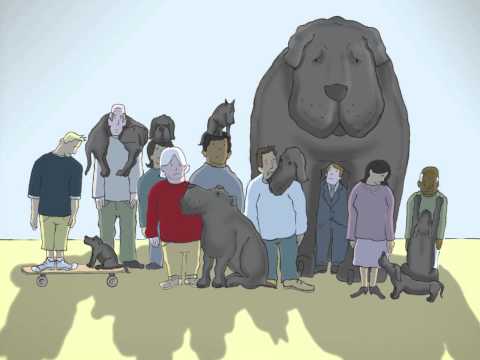
I Had A Black Dog: His Name was Depression
0
VoiceTube posted on 2020/09/24Ever wondered what it's like to live with depression? This video shares a powerful personal story using the 'black dog' metaphor, offering real coping strategies like exercise and seeking professional help. You'll gain insight into mental health and pick up practical language for discussing sensitive topics.
Learn this video on the APP!
The VoiceTube App has more in-depth practice for videos!