
affect
US /əˈfɛkt/
UK /ə'fekt/
- Transitive Verb
- To cause a change in something else
- To pretend to have or feel (something).
- Noun
- (Psychology) Emotion or feeling.
A2TOEICMorealso known as
US
UK
- Phrase
- Also called; alternatively named.
- Identified by another term; synonymous with.
A1Moreas one
US
UK
- Adverb
- Acting or moving together at the same time.
- In complete agreement or unity.
- Phrase
- With a single voice or opinion; unanimously.
- In perfect harmony or unison.
A1Moreas well as
US /æz wɛl æz/
UK /æz wel æz/
- Adverb
- Also; in addition to
- Preposition
- In addition to; and also.
A1Morebacteria
US /bækˈtɪriə/
UK /bæk'tɪərɪə/
- Noun (plural)
- The very small creatures that can cause disease
B2Morebacterial
US /bæk'tɪərɪrl/
UK /bæk'tɪərɪəl/
- Adjective
- Concerning or caused by bacteria
B2Morebarrier
US /ˈbæriɚ/
UK /'bærɪə(r)/
- Noun
- Difficult situation preventing something happening
- Structure or object that stops free movement
B1TOEICMorebeneficial
US /ˌbɛnəˈfɪʃəl/
UK /ˌbenɪˈfɪʃl/
- Adjective
- Giving an advantage, having a helpful effect
- Promoting or contributing to physical or mental well-being.
B1TOEICMoreblueprint
US /ˈbluˌprɪnt/
UK /ˈblu:prɪnt/
- Noun (Countable/Uncountable)
- Plans of how buildings will be built
- Method use to plan or organize something
B2Morebreak down
US /brek daʊn/
UK /breik daun/
- Phrasal Verb
- To forcibly break, destroy or make collapse
- (Machine) to stop working or become weaker
A1Morecolon
US /ˈkolən/
UK /'kəʊlən/
- Noun
- Lower part of intestine turning food into waste
- Symbol: used in writing e.g. before lists
B2Morecorrelate
US /ˈkɔ:rəleɪt/
UK /ˈkɒrəleɪt/
- Verb (Transitive/Intransitive)
- To have/show the relationship between two things
- To have a mutual relationship or connection; to establish a systematic connection.
- Noun
- Something that is mutually related to or associated with something else.
B1TOEICMorecrucial
US /ˈkruʃəl/
UK /'kru:ʃl/
- Adjective
- Extremely important or necessary
- Of great importance to the success of something.
B1Moredairy
US /ˈderi/
UK /ˈdeəri/
- Adjective
- Concerning or made from milk
- Noun (Countable/Uncountable)
- Building for storing milk or making cheese/butter
B2Moredecrease
US /dɪˈkris/
UK /dɪˈkri:s/
- Verb (Transitive/Intransitive)
- To reduce the size, amount or number of something
- Uncountable Noun
- Amount by which something has been reduced
B1TOEICMoredeliver
US /dɪˈlɪvɚ/
UK /dɪ'lɪvə(r)/
- Transitive Verb
- To give birth to a child; help a woman give birth
- To save someone from a problem or crisis
A2TOEICMoredie off
US /daɪ ɔf/
UK /dai ɔf/
- Phrasal Verb
- To decrease in number so few or none are left
A1Moredigest
US /daɪˈdʒest/
UK /daɪˈdʒest/
- Verb (Transitive/Intransitive)
- To convert food into energy in your stomach
- To think over facts, news etc.; take in information
- Noun
- A summary, as of the news
B2Moredigestive
US /daɪˈdʒɛstɪv, dɪ-/
UK /daɪˈdʒestɪv/
- Adjective
- Concerning processes of converting food to energy
B2Morediversity
US /dɪˈvə:sɪti, daɪ-/
UK /daɪ'vɜ:sətɪ/
- Noun (Countable/Uncountable)
- Having a range of different races, ideas etc.
- A range of different things.
B1TOEICMoreecosystem
US /ˈɛkoˌsɪstəm, ˈiko-/
UK /ˈi:kəʊsɪstəm/
- Noun (Countable/Uncountable)
- Types of plants and animals in an specific area
- A network of interconnected companies, technologies, and services that interact to create value.
B1Moreemerge
US /ɪˈmɚdʒ/
UK /ɪ'mɜ:dʒ/
- Intransitive Verb
- To rise or appear out of some background
- To become known or apparent.
A2TOEICMorefeed on
US /fid ɑn/
UK /fi:d ɔn/
- Phrasal Verb
- To eat a particular food.
- To increase or become stronger because of something.
A1Moreferment
US / fɚˈmɛnt/
UK /'fɜ:ment/
- Intransitive Verb
- To go through a chemical change to make alcohol
B2TOEICMorefermentation
US /ˌfə:mənˈteʃən, -mɛn-/
UK /ˌfɜ:men'teɪʃn/
- Uncountable Noun
- Chemical change that produces alcohol in a liquid
B2Morefiber
US /'faɪbə/
UK /'faɪbə/
- Noun (Countable/Uncountable)
- Basic character and nature of a person
- Stringy substance found in food, e.g. wholewheat
C2Morefill up
US /fɪl ʌp/
UK /fil ʌp/
- Phrase
- Verb (Transitive/Intransitive)
- To make something full.
- To become full.
A1Morefire up
US
UK
- Phrasal Verb
- To motivate or encourage someone
- Transitive Verb
- To make someone feel enthusiastic or excited.
- To make someone angry or agitated.
A1Morefor instance
US /fɔr ˈɪnstəns/
UK /fɔ: ˈinstəns/
- Adverb
- As an example.
- Phrase
- As an example.
- As an illustration or case in point
B1Morefuel
US /ˈfjuəl/
UK /'fju:əl/
- Transitive Verb
- To give power to (a mob, anger, etc.); incite
- To provide gas or petrol for something
- Uncountable Noun
- Material used to produce heat or power when burned
A2TOEICMorefungi
US /ˈfʌndʒaɪ/
UK /ˈfʌŋgi:/
- Noun (plural)
- Taxonomic kingdom including yeast
B2Moreglimpse
US /ɡlɪmps/
UK /ɡlɪmps/
- Transitive Verb
- To see or notice something very briefly
- Noun (Countable/Uncountable)
- A brief sight of something
- A brief or incomplete understanding or idea.
B1Moregut
US /ɡʌt/
UK /ɡʌt/
- Transitive Verb
- To destroy the inside of a building , e.g. by fire
- To remove the internal parts of an animal or fish
- Noun (Countable/Uncountable)
- Stomach and internal organs of digestion
B1Moreimmune
US /ɪˈmjoon/
UK /ɪˈmju:n/
- Adjective
- Having a special protection from, e.g. the law
- Protected against a particular disease or condition because of antibodies or vaccination.
B1Morein fact
US /ɪn fækt/
UK /in fækt/
- Adverb
- Used to emphasize the truth of a statement, especially one that contrasts with or contradicts something else.
- Used to introduce a more detailed or surprising piece of information.
- Phrase
- Used to emphasize the truth of a statement, especially one that is surprising or contrary to what might be expected.
C1Moreinflammation
US /ˌɪnfləˈmeʃən/
UK /ˌɪnfləˈmeɪʃn/
- Noun (Countable/Uncountable)
- Painful swelling in the body due to illness
- A condition in which a part of the body becomes reddened, swollen, hot, and often painful, especially as a reaction to injury or infection.
B2Moreingest
US /ɪn'dʒest/
UK /ɪnˈdʒest/
- Transitive Verb
- To eat, drink, or swallow something
C1TOEICMoreinside of
US /ɪnˈsaɪd ʌv/
UK /inˈsaid ɔv/
- Preposition
- Within; in the inner part of.
- Within a certain period of time.
A1Moreinteract
US /ˌɪntɚˈækt/
UK /ˌɪntər'ækt/
- Intransitive Verb
- To talk or do things with each other
A2Moreinteract with
US /ˌɪntɚˈækt wɪð/
UK /ˌɪntərˈækt wið/
- Phrase
- Verb (Transitive/Intransitive)
- To engage in communication or action involving mutual or reciprocal influence.
- To use a computer interface to achieve a specific goal.
A2Morekimchi
US /kɪmtʃhi:/
UK /kɪmtʃi:/
- Noun (Countable/Uncountable)
- Korean spicy cabbage dish
C2Morelive on
US /lɪv ɒn/
UK /lɪv ɒn/
- Phrasal Verb
- To continue to exist or be remembered.
- To eat a particular type of food as the main thing.
B2Moremaintain
US /menˈten/
UK /meɪn'teɪn/
- Transitive Verb
- To keep saying something a certain way
- To keep (machine) working by checking, repairing
A2TOEICMoremanipulate
US /məˈnɪpjəˌlet/
UK /mə'nɪpjʊleɪt/
- Transitive Verb
- To try to control others to gain an advantage
- To handle or work in a skillful manner
B1Moreoccur
US /əˈkɚ/
UK /əˈkɜ:(r)/
- Intransitive Verb
- To come to pass or to happen
- To be found to exist; to be present.
A2TOEICMoreon the other hand
US
UK
- Phrase
- Considering a different aspect of the matter; alternatively.
A1Morepreserve
US /prɪˈzɜ:rv/
UK /prɪˈzɜ:v/
- Transitive Verb
- To cook food so it can be kept for long periods
- To protect something from harm, loss or damage
- Noun (Countable/Uncountable)
- Sweet fruit spread; jam
- Protected area of land with plants and animals
B1TOEICMoreprevent
US /prɪˈvɛnt/
UK /prɪ'vent/
- Transitive Verb
- To stop something from happening or existing
A2TOEICMoreprocess
US /ˈprɑsˌɛs, ˈproˌsɛs/
UK /prə'ses/
- Transitive Verb
- To organize and use data in a computer
- To deal with official forms in the way required
- Noun (Countable/Uncountable)
- Dealing with official forms in the way required
- Set of changes that occur slowly and naturally
A2TOEICMoreraw
US /rɔ/
UK /rɔ:/
- Adjective
- Being uncontrolled or strong, as your emotions
- Being inexperienced
B1Moreregulate
US /ˈrɛɡjəˌlet/
UK /ˈregjuleɪt/
- Transitive Verb
- To control something with rules or laws
- To set/adjust (a clock, etc.); restrict motion in
A2TOEICMoreremain
US /rɪˈmen/
UK /rɪˈmeɪn/
- Intransitive Verb
- To be left behind; to continue to exist
- To stay in a place when other people have gone
A2TOEICMoreresponsible
US / rɪˈspɑnsəbəl/
UK /rɪ'spɒnsəbl/
- Adjective
- Being the cause of something that has occurred
- Having the duty of dealing with something
A2TOEICMorerobust
US /roˈbʌst, ˈroˌbʌst/
UK /rəʊˈbʌst/
- Adjective
- Having physical vigor or energetic good health
B2TOEICMorerural
US /ˈrʊrəl/
UK /ˈruərəl/
- Adjective
- Concerning the country as opposed to the city
B1Moresauerkraut
US /ˈsaʊərkraʊt/
UK /ˈsaʊəkraʊt/
- Uncountable Noun
- Shredded cabbage fermented in salt water
C2Morestarve
US /stɑ:rv/
UK /stɑ:v/
- Verb (Transitive/Intransitive)
- To (cause to) be hungry or go without food
- To need or desire very strongly
B1Moreswitch
US /swɪtʃ/
UK /swɪtʃ/
- Noun
- A change or shift from one method to another
- Thing you move to turn electrical items on or off
- Transitive Verb
- To exchange or replace something for another thing
A2TOEICMoreteem
US /tim/
UK /ti:m/
- Intransitive Verb
- To have many active living things moving inside
C2TOEICMorevariety
US /vəˈraɪɪti/
UK /və'raɪətɪ/
- Noun
- Particular type of thing or person
- The quality or state of being different or diverse; the absence of uniformity, sameness, or monotony.
A2TOEICMorevast
US /væst/
UK /vɑ:st/
- Adjective
- Being very large in size or amount
A2TOEICMoreyogurt
US /ˈjoɡət/
UK /ˈjəʊgət/
- Noun (Countable/Uncountable)
- Custard-like food made from curdled milk
B2More
Vocabulary
- inside of: Within; in the inner part of.
- live on: To continue to exist or be remembered.
- break down: To forcibly break, destroy or make collapse
- as one: Acting or moving together at the same time.
- as well as: Also; in addition to
- die off: To decrease in number so few or none are left
- in fact: Used to emphasize the truth of a statement, especially one that contrasts with or contradicts something else.
- feed on: To eat a particular food.
- on the other hand : Considering a different aspect of the matter; alternatively.
- also known as: Also called; alternatively named.
- interact with
- for instance: As an example.
- fire up: To motivate or encourage someone
- fill up
- crucial: Extremely important or necessary
- process: To organize and use data in a computer
- immune: Having a special protection from, e.g. the law
- vast: Being very large in size or amount
- manipulate: To try to control others to gain an advantage
- barrier: Difficult situation preventing something happening
- interact: To talk or do things with each other
- variety: Particular type of thing or person
- gut: To destroy the inside of a building , e.g. by fire
- bacteria: The very small creatures that can cause disease
- increase: To make or become larger in size or amount
- fuel: To give power to (a mob, anger, etc.); incite
- perform: To carry out an action well or successfully
- prevent: To stop something from happening or existing
- diversity: Having a range of different races, ideas etc.
- robust: Having physical vigor or energetic good health
- remain: To be left behind; to continue to exist
- emerge: To rise or appear out of some background
- glimpse: To see or notice something very briefly
- maintain: To keep saying something a certain way
- occur: To come to pass or to happen
- affect: To cause a change in something else
- digestive: Concerning processes of converting food to energy
- risk: To do something potentially dangerous or foolish
- deliver: To give birth to a child; help a woman give birth
- switch: A change or shift from one method to another
- introduce: To open an essay to set the scene
- regulate: To control something with rules or laws
- provide: To make available; to supply for use
- inflammation: Painful swelling in the body due to illness
- digest: To convert food into energy in your stomach
- responsible: Being the cause of something that has occurred
- lead: Wire for electricity, computer, etc.; cable
- preserve: To cook food so it can be kept for long periods
- ecosystem: Types of plants and animals in an specific area
- ingest: To eat, drink, or swallow something
- rural: Concerning the country as opposed to the city
- raw: Being uncontrolled or strong, as your emotions
- produce: Fresh foods such as fruits and vegetables
- dairy: Concerning or made from milk
- fiber: Basic character and nature of a person
- mucus: Thick liquid substance made in certain parts of the human body, such as the nose
- important: Having power or authority
- decrease: To reduce the size, amount or number of something
- starve: To (cause to) be hungry or go without food
- ferment: To go through a chemical change to make alcohol
- correlate: To have/show the relationship between two things
- protect: To defend someone or something from harm or danger
- beneficial: Giving an advantage, having a helpful effect
- fermentation: Chemical change that produces alcohol in a liquid
- fungi: Taxonomic kingdom including yeast
- group: Two or more musicians who play music together
- prepare: To make something ready for use
- healthy: In good condition physically, or financially; well
- colon: Lower part of intestine turning food into waste
- probiotic: Beneficial bacterium found in the intestinal tract of healthy mammals; often considered to be a plant
- line: Border that divides two places or regions
- teem: To have many active living things moving inside
- blueprint: Plans of how buildings will be built
- bacterial: Concerning or caused by bacteria
- sauerkraut: Shredded cabbage fermented in salt water
- yogurt: Custard-like food made from curdled milk
- kimchi: Korean spicy cabbage dish
Get the full experience in the app
Learn anywhere with detailed sentence and usage analysis
01:03
She took a brave step forward, leaving behind her comfort zone to chase her dreams.
Vocabulary
- brave
adj. Having courage
- comfort zone
phr. A familiar situation where one feels safe
Explanation
a brave step is a noun phrase, where brave is an adjective modifying the noun step, meaning "a courageous step".
forward is an adverb modifying step, meaning "ahead".
The whole phrase serves as the object, answering the "what" of took (verb) — she took a brave step forward.
Get the full experience in the app
Look up words anytime with pronunciation, part of speech, and usage
brave
US/brev/
UK/breɪv/
adj.Brave
v.t.To bravely face
A2 Elementary
Get the full experience in the app
Practice speaking anytime and get instant pronunciation feedback
Try this speaking exercise.
Try practicing with this sentence.
80
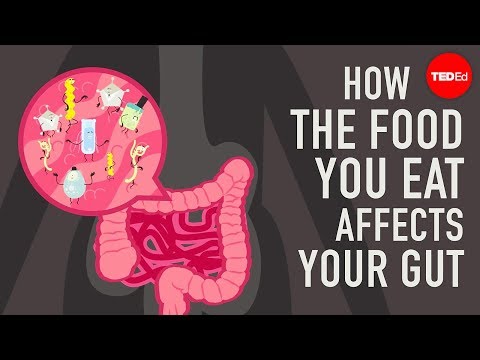
【TED-Ed】How the food you eat affects your gut - Shilpa Ravella
0
Meng-Chieh Jerry Yang posted on 2017/03/26Ever wondered how that delicious meal actually works inside you? This fascinating TED-Ed video dives deep into the amazing world of your gut microbiome and explains exactly how the food you eat shapes your internal ecosystem. You'll pick up some fantastic advanced vocabulary related to diet and health, making it a super practical way to boost your English!
Learn this video on the APP!
The VoiceTube App has more in-depth practice for videos!