
adversity
US /ædˈvə:sɪti/
UK /əd'vɜ:sətɪ/
- Uncountable Noun
- Bad or difficult situation or times; trouble
B2TOEICMoreambition
US /æmˈbɪʃən/
UK /æmˈbɪʃn/
- Noun (Countable/Uncountable)
- Desire to win or be successful in life, work
A2TOEICMoreapproach
US /əˈprəʊtʃ/
UK /ə'prəʊtʃ/
- Verb (Transitive/Intransitive)
- To get close to reaching something or somewhere
- To request someone to do something specific
- Noun (Countable/Uncountable)
- Means of reaching a place, often a road or path
- Request of someone with a specific goal in mind
A2TOEICMoreas long as
US /æz lɔŋ æz/
UK /æz lɔŋ æz/
- Conjunction
- For the period that; provided that.
- For the length of time that
- Preposition
- On the condition that; providing that.
- Having the same length as.
A1Moreattention
US /əˈtɛnʃən/
UK /əˈtenʃn/
- Noun (Countable/Uncountable)
- Taking notice of someone or something
- Noun
- (Soldiers) Standing with straight backs
A2TOEICMorebroadly
US /ˈbrɔdlɪ/
UK /ˈbrɔ:dli/
- Adverb
- In a general (not detailed) manner
B1Moreburden
US /ˈbɚdn/
UK /'bɜ:dn/
- Transitive Verb
- To weigh down with a load; impose a task upon
- Noun (Countable/Uncountable)
- Something difficult to do, manage, or accept
- Something that is carried with difficulty; an oppressive load.
B1Morecalmly
US /ˈkɑmlɪ/
UK /'kɑ:mlɪ/
- Adverb
- Without getting emotional, e.g. in times of stress
B1Morechallenge
US /ˈtʃæləndʒ/
UK /'tʃælɪndʒ/
- Noun (Countable/Uncountable)
- An activity you wish to try that may be hard to do
- Act of formally inviting someone to compete
- Transitive Verb
- To formally invite someone to compete at something
- To question the correctness of something
A2Morechildhood
US /ˈtʃaɪldˌhʊd/
UK /ˈtʃaɪldhʊd/
- Uncountable Noun
- The time when you are a child
B1Morecompetitive
US /kəmˈpɛtɪtɪv/
UK /kəmˈpetətɪv/
- Adjective
- Being strongly driven to win or be better than
- As good as or better than others.
B1Morecondemn
US /kənˈdɛm/
UK /kənˈdem/
- Transitive Verb
- To say that (a building) is too unsafe to be used
- To state strongly that person, thing is bad, wrong
B1Moreconfidence
US /ˈkɑnfɪdəns/
UK /'kɒnfɪdəns/
- Uncountable Noun
- Feeling that you can do well at something
- Feeling you can trust someone
A2Morecraziness
US /'kreɪzɪnəs/
UK /'kreɪzɪnəs/
- Uncountable Noun
- Insanity; strangeness
B2Moredeserve
US /dɪˈzɚv/
UK /dɪ'zɜ:v/
- Transitive Verb
- To be worthy of, e.g. getting praise or attention
A2TOEICMoredisappointment
US /ˌdɪsəˈpɔɪntmənt/
UK /ˌdɪsəˈpɔɪntmənt/
- Uncountable Noun
- Feeling or state of not being satisfied
- An event or situation that is not as good as you had hoped
B2Moredisgust
US /dɪsˈɡʌst/
UK /dɪs'ɡʌst/
- Uncountable Noun
- Strong feeling of dislike for something
- Something that causes a feeling of revulsion or strong disapproval.
- Transitive Verb
- To cause a strong negative reaction or feeling
B2Morefeel sorry for
US
UK
- Phrasal Verb
- To experience sympathy or pity for someone.
A1Moreflourish
US /ˈflɚrɪʃ, ˈflʌr-/
UK /'flʌrɪʃ/
- Verb (Transitive/Intransitive)
- To show and direct attention by waving something
- To add a fancy addition or decoration
- Noun
- Fancy addition or decoration
B2TOEICMorefurious
US /ˈfjʊriəs/
UK /ˈfjʊəriəs/
- Adjective
- Extremely angry
B1Moregenerate
US /ˈdʒɛnəˌret/
UK /ˈdʒenəreɪt/
- Transitive Verb
- To create or be produced or bring into existence
- To create electricity, heat, energy and power
A2TOEICMoreget through
US /ɡɛt θru/
UK /ɡet θru:/
- Phrasal Verb
- To arrive at the end of or finish something
- To succeed in contacting someone by phone
A1Moregiant
US /ˈdʒaɪənt/
UK /'dʒaɪənt/
- Countable Noun
- Tall, large, and powerful human-like creatures
- Very successful, powerful person or organization
- Adjective
- Very large, or much bigger than other things
A2Morehatred
US /ˈhetrɪd/
UK /ˈheɪtrɪd/
- Uncountable Noun
- Very strong feeling of dislike; hate
B2Morehuge
US /hjudʒ/
UK /hju:dʒ/
- Adjective
- Very very large
A2Morein mind
US /ɪn maɪnd/
UK /in maind/
- Phrase
- Being aware of or considering something.
- To remember or consider something.
A2Morein the end
US /ɪn ði ɛnd/
UK /in ðə end/
- Phrase
- Finally; after a period of time or series of events.
- Ultimately; as the final result or consequence.
A1Morelegacy
US /ˈlɛɡəsi/
UK /'leɡəsɪ/
- Noun (Countable/Uncountable)
- Literature, arts etc. from previous generations
- Something left or given by a person who has died
- Adjective
- Relating to old or outdated computer systems or software.
B2TOEICMoremessy
US /ˈmɛsi/
UK /'mesɪ/
- Adjective
- Being complex or difficult to fix
- Being untidy or dirty
A2Moreon hand
US /ɑn hænd/
UK /ɔn hænd/
- Adverb
- Present and available; in attendance.
- Phrase
- Available; readily accessible.
A1Moreout there
US /aʊt ðɛr/
UK /aut ðɛə/
- Adverb
- In or to a place that is far away
- Existing in the universe
- Adjective
- Unconventional; strange; avant-garde
- Existing or available.
A1Moreperfectionism
US /pɚˈfɛkʃəˌnɪzəm/
UK /pə'fekʃənɪzəm/
- Uncountable Noun
- Belief that only something perfect is acceptable
B1Moreproper
US /ˈprɑpɚ/
UK /'prɒpə(r)/
- Adjective
- Correct according to social or moral rules
- Behaving in a polite and socially acceptable way.
A2TOEICMorerather than
US
UK
- Adverb
- More exactly; more correctly
- Preferably; instead
- Preposition
- Instead of
A1Moreresilience
US /rɪˈzɪljəns/
UK /rɪˈzɪliəns/
- Uncountable Noun
- Ability to recover quickly from something bad
- The capacity to withstand or recover quickly from difficulties; toughness.
B2TOEICMoreresist
US /rɪˈzɪst/
UK /rɪ'zɪst/
- Verb (Transitive/Intransitive)
- To not be affected by e.g. a force or an effect
- To fight or prevent something from happening
A2TOEICMoresabotage
US /ˈsæbəˌtɑʒ/
UK /'sæbətɑ:ʒ/
- Transitive Verb
- To destroy or damage, often secretly, to weaken
- Noun (Countable/Uncountable)
- Destroying or damaging so as to weaken enemy, etc.
B2Moreseek
US /sik/
UK /si:k/
- Transitive Verb
- To ask someone for help
- To search for; try to find or do; look for
A2TOEICMorespoil
US /spɔɪl/
UK /spɔɪl/
- Transitive Verb
- To damage something, usually by treating it poorly
- To overindulge and harm the character of a child
- Intransitive Verb
- (Of food) to go bad
A2Morestuff
US /stʌf/
UK /stʌf/
- Uncountable Noun
- Generic description for things, materials, objects
- Transitive Verb
- To push material inside something, with force
B1Moresuspicious
US /səˈspɪʃəs/
UK /səˈspɪʃəs/
- Adjective
- Doubtful about someone's honesty
- Feeling that something is wrong; causing suspicion
B1Moretherapy
US /ˈθɛrəpi/
UK /'θerəpɪ/
- Noun (Countable/Uncountable)
- Treatment to help cure an illness
- Psychological counseling to help resolve personal or emotional problems.
B2Moreundermine
US /ˌʌndərˈmaɪn/
UK /ˌʌndəˈmaɪn/
- Transitive Verb
- To weaken or destroy secretly and usually slowly
- To excavate the foundation or supporting material of (a building, cliff, etc.).
B2TOEICMoreuniverse
US /ˈjunəˌvɚs/
UK /ˈju:nɪvɜ:s/
- Noun (Countable/Uncountable)
- All of space that contains planets and stars
- Things surrounding a person, affecting their life
B2Moreupset
US /ʌpˈsɛt/
UK /ʌpˈset/
- Adjective
- (Of stomach, etc.) not functioning well; sick
- Troubled, worried, or angry
- Transitive Verb
- To turn upside down or on its side
- To trouble, worry, or anger someone
A2Morewatch out
US /wɑtʃ aʊt/
UK /wɔtʃ aut/
- Phrasal Verb
- To be careful; to be alert to danger
A1Moreweird
US /wɪrd/
UK /wɪəd/
- Adjective
- Odd or unusual; surprising; strange
- Eerily strange or disturbing.
B1More
Vocabulary
- on hand: Present and available; in attendance.
- get through: To arrive at the end of or finish something
- out there: In or to a place that is far away
- as long as: For the period that; provided that.
- in the end: Finally; after a period of time or series of events.
- in mind: Being aware of or considering something.
- watch out: To be careful; to be alert to danger
- feel sorry for: To experience sympathy or pity for someone.
- rather than: More exactly; more correctly
- stuff: Generic description for things, materials, objects
- weird: Odd or unusual; surprising; strange
- sort: To organize things by putting them into groups
- approach: To get close to reaching something or somewhere
- resilience: Ability to recover quickly from something bad
- deserve: To be worthy of, e.g. getting praise or attention
- completely: In every way or as much as possible
- therapy: Treatment to help cure an illness
- confidence: Feeling that you can do well at something
- legacy: Literature, arts etc. from previous generations
- imagine: To think creatively about; form mental picture of
- proper: Correct according to social or moral rules
- suspicious: Doubtful about someone's honesty
- burden: To weigh down with a load; impose a task upon
- bit: Device put in a horse's mouth to control it
- exist: To be present, alive or real
- resist: To not be affected by e.g. a force or an effect
- sabotage: To destroy or damage, often secretly, to weaken
- universe: All of space that contains planets and stars
- furious: Extremely angry
- upset: (Of stomach, etc.) not functioning well; sick
- explain: To make clear or easy to understand by describing
- messy: Being complex or difficult to fix
- attention: Taking notice of someone or something
- plain: Obvious; clearly so, true
- form: Sports team or person's current winning record
- huge: Very very large
- generate: To create or be produced or bring into existence
- spoil: To damage something, usually by treating it poorly
- challenge: An activity you wish to try that may be hard to do
- seek: To ask someone for help
- ambition: Desire to win or be successful in life, work
- giant: Tall, large, and powerful human-like creatures
- undermine: To weaken or destroy secretly and usually slowly
- adversity: Bad or difficult situation or times; trouble
- accept: To agree to receive or take something offered
- flourish: To show and direct attention by waving something
- competitive: Being strongly driven to win or be better than
- mind: To be bothered or upset by something
- hatred: Very strong feeling of dislike; hate
- receive: To get something someone has given or sent to you
- condemn: To say that (a building) is too unsafe to be used
- kind: In a caring and helpful manner
- pain: Strong feeling of hurt or discomfort
- system: Set of organized, planned ideas that work together
- chance: The way something happens without planning
- disgust: Strong feeling of dislike for something
- disappointment: Feeling or state of not being satisfied
- broadly: In a general (not detailed) manner
- childhood: The time when you are a child
- perfectionism: Belief that only something perfect is acceptable
- calmly: Without getting emotional, e.g. in times of stress
- craziness: Insanity; strangeness
Get the full experience in the app
Learn anywhere with detailed sentence and usage analysis
01:03
She took a brave step forward, leaving behind her comfort zone to chase her dreams.
Vocabulary
- brave
adj. Having courage
- comfort zone
phr. A familiar situation where one feels safe
Explanation
a brave step is a noun phrase, where brave is an adjective modifying the noun step, meaning "a courageous step".
forward is an adverb modifying step, meaning "ahead".
The whole phrase serves as the object, answering the "what" of took (verb) — she took a brave step forward.
Get the full experience in the app
Look up words anytime with pronunciation, part of speech, and usage
brave
US/brev/
UK/breɪv/
adj.Brave
v.t.To bravely face
A2 Elementary
Get the full experience in the app
Practice speaking anytime and get instant pronunciation feedback
Try this speaking exercise.
Try practicing with this sentence.
80
0
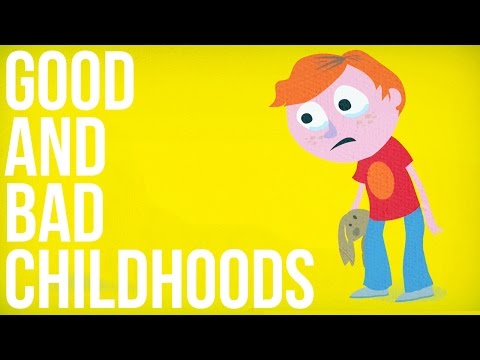
Zoey posted on 2020/12/13Ever wondered how childhood experiences shape us? This video dives deep into the lasting impact of good and bad childhoods, exploring concepts like attachment issues and the inner child. You'll pick up advanced vocabulary related to psychology and gain insights into healing strategies, making it a fantastic watch for understanding yourself and others better!
Learn this video on the APP!
The VoiceTube App has more in-depth practice for videos!