
affect
US /əˈfɛkt/
UK /ə'fekt/
- Transitive Verb
- To cause a change in something else
- To pretend to have or feel (something).
- Noun
- (Psychology) Emotion or feeling.
A2TOEICMorearound the world
US /əˈraʊnd ði wɜrld/
UK /əˈraund ðə wɜː(r)ld/
- Phrase
- In or to many countries.
- In various places throughout the world.
A2Moreas much a
US
UK
- Adverb
- To the same degree or extent.
B1Moreas one
US
UK
- Adverb
- Acting or moving together at the same time.
- In complete agreement or unity.
- Phrase
- With a single voice or opinion; unanimously.
- In perfect harmony or unison.
A1Moreas soon as
US /æz sun æz/
UK /æz su:n æz/
- Phrase
- In a short time after (something happens)
- Without any delay; immediately
- Conjunction
- At the moment that, or immediately after.
A1Moreas well as
US /æz wɛl æz/
UK /æz wel æz/
- Adverb
- Also; in addition to
- Preposition
- In addition to; and also.
A1Morebiological
US /ˌbaɪəˈlɑdʒɪkəl/
UK /ˌbaɪəˈlɒdʒɪkl/
- Adjective
- Being related to life and living things
- A substance, such as a detergent, that contains enzymes.
B1Morebuck up
US /bʌk ʌp/
UK /bʌk ʌp/
- Phrasal Verb
- To (cause to) feel stronger or more confident
B1Moreby definition
US /baɪ ˌdɛfəˈnɪʃən/
UK /bai ˌdefiˈniʃən/
- Phrase
- Inherently; as an essential quality or characteristic.
B2Morecancer
US /ˈkænsɚ/
UK /'kænsə(r)/
- Noun
- Any growth caused by abnormal cell division
B1Morecause
US /kɔz/
UK /kɔ:z/
- Noun
- Belief, goal or organization that people support
- Reason for
- Transitive Verb
- To make something happen; create effect or result
A2Morecoming and going
US /ˈkʌmɪŋ ənd ˈɡoɪŋ/
UK /ˈkʌmɪŋ ænd ˈgəʊɪŋ/
- Uncountable Noun
- The activity of people arriving and departing from a place.
- Adjective
- Intermittent; not constant or reliable.
A1Morecontemplating
US
UK
- Verb (Transitive/Intransitive)
- To consider whether you will do something
- To think deeply or carefully about something.
B1Moreconversion
US /kənˈvɜ:rʒn/
UK /kənˈvɜ:ʃn/
- Noun
- Switch from one thing (e.g. religion) to another
- Means of scoring additional points in rugby
B1Morecounterintuitive
US /ˌkaʊntərɪn'tju:ɪtɪv/
UK /kaʊntərɪn'tju:ɪtɪv/
- Adjective
- Contrary to what common sense would suggest
C2Moredeprivation
US /ˌdɛprəˈveʃən/
UK /ˌdeprɪˈveɪʃn/
- Uncountable Noun
- State of lacking something needed
- The state of lacking or being denied something considered necessary.
B2Morediagnose
US /ˌdaɪəgˈnoʊs/
UK /ˈdaɪəgnəʊz/
- Transitive Verb
- To determine the cause of an illness or problem
B1Morediagnosis
US /ˌdaɪəgˈnoʊsɪs/
UK /ˌdaɪəgˈnəʊsɪs/
- Noun (plural)
- Judgments by a doctor about a person's illness
- Noun
- The identification of a disease or condition.
B1Morediscover
US /dɪˈskʌvɚ/
UK /dɪˈskʌvə(r)/
- Transitive Verb
- To find something new that was not known before
- To learn or find out (something previously unknown or secret).
A2TOEICMoredisease
US /dɪˈziz/
UK /dɪˈzi:z/
- Noun (Countable/Uncountable)
- Illness that affects a person, animal, or plant
- A disorder of structure or function in a plant, especially one caused by a pathogen.
- Transitive Verb
- To affect with disease; to corrupt or sicken.
A2TOEICMoredisorder
US /dɪsˈɔrdɚ/
UK /dɪs'ɔ:də(r)/
- Uncountable Noun
- State of confusion or a lack of organization
- Illness when the body is not functioning well
- Transitive Verb
- To disrupt the order or arrangement of something.
B2Moredisproportionately
US /ˌdɪsprə'pɔ:ʃənətlɪ/
UK /ˌdɪsprə'pɔ:ʃənətlɪ/
- Adverb
- To too great a degree when compared to something
- To an excessive degree; in a way that is not properly balanced.
B2Moredizzy
US /ˈdɪzi/
UK /ˈdɪzi/
- Adjective
- Feeling light-headed and as if you might fall
- Causing someone to feel unsteady, confused, or amazed.
- Transitive Verb
- To act in a giddy light-headed manner
B1Moredo in
US
UK
- Phrasal Verb
- To make completely tired out and exhausted
- To destroy or cause damage to someone
A1Moredry up
US /draɪ ʌp/
UK /drai ʌp/
- Phrasal Verb
- (Of money etc.) to vanish or be nothing left of it
A1Moreepilepsy
US /'epɪlepsɪ/
UK /'epɪlepsɪ/
- Noun
- Medical condition involving fits or seizures
C1Moreeven once
US
UK
- Phrase
- At least one time; even a single time.
- Used to emphasize the infrequency or absence of something.
A2Moreeventually
US /ɪˈvɛntʃuəli/
UK /ɪˈventʃuəli/
- Adverb
- After a long time; after many attempts; in the end
- At some later time; in the future
A2Moreevery kind of
US
UK
- Determiner
- Each and all types of something; all varieties of.
- A wide assortment or range of something.
A1Moreevidence of
US
UK
- Phrase
- Facts, objects, or signs that make you believe that something is true.
- Something that shows that something else exists or is true.
A1Moreexert
US /ɪgˈzɜ:rt/
UK /ɪgˈzɜ:t/
- Transitive Verb
- To make something have an effect on something else
B2TOEICMoreexperiment
US /ɪkˈspɛrəmənt/
UK /ɪk'sperɪmənt/
- Noun (Countable/Uncountable)
- Test performed to assess new ideas or theories
- A course of action tentatively adopted without being sure of the eventual outcome.
- Verb (Transitive/Intransitive)
- To create and perform tests to research something
- To try something new that you haven't tried before
A2TOEICMorefalling apart
US
UK
- Phrasal Verb
- To suffer a nervous breakdown
- To break into pieces; stop functioning
A1Morefever
US /ˈfivɚ/
UK /'fi:və(r)/
- Noun (Countable/Uncountable)
- A high body temperature, indicating illness
- State of excited emotion or activity
- Transitive Verb
- To cause to have a fever.
B1Morehave to
US /hæv tu/
UK /ˈhæv tə/
- Auxiliary Verb
- Must do
A1Morehysteria
US /hɪˈstɛriə, -ˈstɪr-/
UK /hɪ'stɪərɪə/
- Uncountable Noun
- A case of wild, uncontrollable behavior or panic
- A psychological disorder (now largely discredited) once believed to be common in women, characterized by emotional excitability and various physical symptoms.
B2Morehysterical
US /hɪˈstɛrɪkəl/
UK /hɪˈsterɪkl/
- Adjective
- Being out of control mentally; violently emotional
- Extremely funny.
B2Moreillness
US /ˈɪlnɪs/
UK /ˈɪlnəs/
- Uncountable Noun
- Unhealthy condition of the mind or body
- A particular instance or type of disease.
A2Moreimmune
US /ɪˈmjoon/
UK /ɪˈmju:n/
- Adjective
- Having a special protection from, e.g. the law
- Protected against a particular disease or condition because of antibodies or vaccination.
B1Morein good health
US /ɪn ɡʊd hɛlθ/
UK /in ɡud helθ/
- Adjective
- Being in a state of physical and mental well-being; not sick or injured.
- Phrase
- In a healthy condition; showing no signs of illness.
A1Morein time
US /ɪn taɪm/
UK /in taim/
- Adverb
- Eventually; after a period of time.
- Not late; with enough time to spare.
- Phrase
- Eventually; before it is too late.
- According to the scheduled time; punctual.
A1Moreinfection
US /ɪnˈfɛkʃən/
UK /ɪnˈfekʃn/
- Noun
- (Computers) Having a computer virus
- Making or becoming sick with a bacteria/virus
A2Moreinfectious
US /ɪnˈfɛkʃəs/
UK /ɪnˈfekʃəs/
- Adjective
- Capable of transmitting disease to others
- Making others feel like laughing
A2Moreinvoke
US /ɪnˈvok/
UK /ɪn'vəʊk/
- Transitive Verb
- To appeal for help/protection to higher authority
- To use a law, concept, or right to achieve a goal
B1Morelineage
US /ˈlɪniɪdʒ/
UK /ˈlɪniɪdʒ/
- Noun
- People in someone's family who lived in the past
B2Morelive for
US /liv fɔr/
UK /liv fɔ:/
- Phrasal Verb
- To consider something the most important thing in your life; to find purpose or great pleasure in something.
A1Moremeditate
US /ˈmɛdɪˌtet/
UK /ˈmedɪteɪt/
- Intransitive Verb
- To think deeply and quietly to calm your spirit
- To think deeply or focus one's mind for a period of time.
B2Moremenopause
US /ˈmɛnəˌpɔz/
UK /ˈmenəpɔ:z/
- Noun
- Mid-life period when women's periods stop
B2Moremultiple
US /ˈmʌltəpəl/
UK /ˈmʌltɪpl/
- Adjective
- Having or involving more than one of something
- Having or involving several parts, elements, or members.
- Countable Noun
- Number produced by multiplying a smaller number
- A number of identical circuit elements connected in parallel or series.
B1Moreneurological
US /ˌnjʊrəˈlɑdʒɪkəl/
UK /ˌnjʊərəˈlɒdʒɪkl/
- Adjective
- Concerning, used in or practicing neurology
B2Moreneurologist
US /nʊˈrɑ:lədʒɪst/
UK /njʊəˈrɒlədʒɪst/
- Noun
- Doctor specializing in the nervous system
B2Morenuance
US /ˈnu:ɑ:ns/
UK /ˈnju:ɑ:ns/
- Noun
- Small, not obvious difference in meaning, etc.
B2TOEICMoreobscure
US /əbˈskjʊr/
UK /əbˈskjʊə(r)/
- Transitive Verb
- To hide something to make it difficult to be seen
- Make unclear, vague, or difficult to understand.
- Adjective
- Being confusing and difficult to understand
- Not famous; unknown by most people
B2Moreof course
US /ʌv kɔː(r)s/
UK /ɔv kɔː(r)s/
- Adverb
- Sure ; Certainly
- Phrase
- For sure; certainly
A2Moreof old
US /ʌv oʊld/
UK /əv əuld/
- other
- From a long time ago; in the past.
B2Moreon the other side of
US /ɑn ði ˈʌðɚ ˈsaɪd ʌv/
UK /ɒn ði ˈʌðə ˈsaɪd ɒv/
- Preposition
- Located across something from a given point.
A2Moreonline
US /ˌɑ:nˈlaɪn/
UK /ˌɒnˈlaɪn/
- Adjective
- Connected to the internet
- Adverb
- Via the internet.
B1Moreparalysis
US /pəˈrælɪsɪs/
UK /pəˈræləsɪs/
- Noun (plural)
- Inability to move or feel all or part of the body
C1Morepatient
US /ˈpeʃənt/
UK /'peɪʃnt/
- Adjective
- Not getting annoyed when things take a long time
- Bearing or enduring pain or trials without complaint; exhibiting forbearance.
- Countable Noun
- Person who receives medical treatment or care
A2Moreper year
US
UK
- Phrase
- For each year; annually.
A2Morephysical
US /ˈfɪzɪkəl/
UK /ˈfɪzɪkl/
- Countable Noun
- Health check at the doctors' or hospital
- Adjective
- Concerning the body of a person
- Concerning things that can be seen or touched
A2Morepsychiatrist
US /saɪ'kaɪətrɪst/
UK /saɪˈkaɪətrɪst/
- Countable Noun
- Doctor who treats psychological disorders
- Doctor who treats psychological disorders
B2Morepsychological
US /ˌsaɪkəˈlɑdʒɪkəl/
UK /ˌsaɪkəˈlɒdʒɪkl/
- Adjective
- Concerning the study of the mind
- Relating to or involving the use of propaganda, threats, or other psychological techniques to subdue an opponent.
A2Morerather than
US
UK
- Adverb
- More exactly; more correctly
- Preferably; instead
- Preposition
- Instead of
A1Moreresearch
US /rɪˈsɚtʃ, ˈriˌsɚtʃ/
UK /rɪ'sɜ:tʃ/
- Verb (Transitive/Intransitive)
- To study in order to discover new ideas and facts
- To study the market relating to marketing products and services.
- Noun (Countable/Uncountable)
- Study done to discover new ideas and facts
- A particular area or topic of study.
A2TOEICMoreroughly
US /ˈrʌflɪ/
UK /ˈrʌfli/
- Adverb
- Approximately; (of numbers) about; around
- In a manner that is violent or not careful
B1Morescience
US /ˈsaɪəns/
UK /'saɪəns/
- Uncountable Noun
- Study of the physical world, based on facts
A2TOEICMoresclerosis
US /skləˈroʊsɪs/
UK /skləˈrəʊsɪs/
- Uncountable Noun
- (Medical) process in which a soft tissue becomes hard
C1Moreshow up
US /ʃo ʌp/
UK /ʃəu ʌp/
- Phrasal Verb
- To arrive or be seen at a place, e.g. a party
- To be noticeably better than (someone else)
A1Morestay home
US
UK
- Intransitive Verb
- To remain in one's house or residence.
A1Morestiffness
US /ˈstɪfnɪs/
UK /stɪfnəs/
- Uncountable Noun
- Firm resoluteness in purpose or opinion or action
C2Moretheory
US /ˈθiəri, ˈθɪri/
UK /ˈθiəri/
- Noun (Countable/Uncountable)
- Ideas or principles that explain facts or events
- An idea or belief about something
A2TOEICMoreto do with
US
UK
- Phrasal Verb
- To be about something; concern
A1Moretogether with
US /təˈɡɛðɚ wɪð/
UK /təˈɡeðə wið/
- Preposition
- In addition to; along with.
- Including; as well as.
A1Moretolerate
US /ˈtɑ:ləreɪt/
UK /ˈtɒləreɪt/
- Transitive Verb
- To be able to adjust to changes of various kinds
- To be able to survive under specific conditions
B1Moretriple
US /ˈtrɪpəl/
UK /ˈtrɪpl/
- Noun
- Group or set of three
- A hit in baseball that enables the batter to reach third base.
- Transitive Verb
- To multiply by three; to increase threefold.
B2Moreused to
US /juzd tu/
UK /ˈju:st tə/
- Adjective
- Did regularly before, but don't do now
- Auxiliary Verb
- Have done before, but do not do now
A1Morevirus
US /ˈvaɪrəs/
UK /'vaɪrəs/
- Noun
- File secretly put on computers to cause harm
- Living organism that causes disease or sickness
B1More
Vocabulary
- around the world: In or to many countries.
- to do with: To be about something; concern
- used to: Did regularly before, but don't do now
- in good health: Being in a state of physical and mental well-being; not sick or injured.
- stay home: To remain in one's house or residence.
- have to: Must do
- on the other side of: Located across something from a given point.
- every kind of: Each and all types of something; all varieties of.
- as soon as: In a short time after (something happens)
- show up: To arrive or be seen at a place, e.g. a party
- as well as: Also; in addition to
- live for: To consider something the most important thing in your life; to find purpose or great pleasure in something.
- dry up: (Of money etc.) to vanish or be nothing left of it
- of course: Sure ; Certainly
- in time: Eventually; after a period of time.
- by definition: Inherently; as an essential quality or characteristic.
- per year: For each year; annually.
- falling apart: To suffer a nervous breakdown
- of old: From a long time ago; in the past.
- as one: Acting or moving together at the same time.
- coming and going: The activity of people arriving and departing from a place.
- buck up: To (cause to) feel stronger or more confident
- evidence of: Facts, objects, or signs that make you believe that something is true.
- together with: In addition to; along with.
- do in: To make completely tired out and exhausted
- even once: At least one time; even a single time.
- as much a: To the same degree or extent.
- rather than: More exactly; more correctly
- eventually: After a long time; after many attempts; in the end
- deprivation: State of lacking something needed
- immune: Having a special protection from, e.g. the law
- multiple: Having or involving more than one of something
- evidence: Factual proof that helps to establish the truth
- physical: Health check at the doctors' or hospital
- disorder: State of confusion or a lack of organization
- psychological: Concerning the study of the mind
- experiment: Test performed to assess new ideas or theories
- treat: To pay for the food or enjoyment of someone else
- meditate: To think deeply and quietly to calm your spirit
- disease: Illness that affects a person, animal, or plant
- roughly: Approximately; (of numbers) about; around
- cause: Belief, goal or organization that people support
- brain: To strike someone forcefully on the head
- theory: Ideas or principles that explain facts or events
- mean: Average of a set of numbers
- research: To study in order to discover new ideas and facts
- affect: To cause a change in something else
- tolerate: To be able to adjust to changes of various kinds
- explain: To make clear or easy to understand by describing
- complete: To finish or reach the end of doing something
- obscure: To hide something to make it difficult to be seen
- counterintuitive: Contrary to what common sense would suggest
- infection: (Computers) Having a computer virus
- hysterical: Being out of control mentally; violently emotional
- patient: Not getting annoyed when things take a long time
- nuance: Small, not obvious difference in meaning, etc.
- illness: Unhealthy condition of the mind or body
- mind: To be bothered or upset by something
- normal: Standard or regular way of doing something
- paralysis: Inability to move or feel all or part of the body
- neurological: Concerning, used in or practicing neurology
- science: Study of the physical world, based on facts
- pain: Strong feeling of hurt or discomfort
- biological: Being related to life and living things
- diagnose: To determine the cause of an illness or problem
- infectious: Capable of transmitting disease to others
- exert: To make something have an effect on something else
- kind: In a caring and helpful manner
- virus: File secretly put on computers to cause harm
- sound: Sensible, dependable and reliable
- wrong: Action that is harmful, unjust or illegal
- fever: A high body temperature, indicating illness
- discover: To find something new that was not known before
- diagnosis: Judgments by a doctor about a person's illness
- dizzy: Feeling light-headed and as if you might fall
- find: To become aware of something that is happening
- think: To have an idea about something without certainty
- hysteria: A case of wild, uncontrollable behavior or panic
- esophagus: The passage between the pharynx and the stomach
- epilepsy: Medical condition involving fits or seizures
- psychiatrist: Doctor who treats psychological disorders
- invoke: To appeal for help/protection to higher authority
- conversion: Switch from one thing (e.g. religion) to another
- cancer: Any growth caused by abnormal cell division
- disproportionately: To too great a degree when compared to something
- lineage: People in someone's family who lived in the past
- stiffness: Firm resoluteness in purpose or opinion or action
- triple: Group or set of three
- menopause: Mid-life period when women's periods stop
- contemplating: To consider whether you will do something
- neurologist: Doctor specializing in the nervous system
- sclerosis: (Medical) process in which a soft tissue becomes hard
- online: Connected to the internet
Get the full experience in the app
Learn anywhere with detailed sentence and usage analysis
01:03
She took a brave step forward, leaving behind her comfort zone to chase her dreams.
Vocabulary
- brave
adj. Having courage
- comfort zone
phr. A familiar situation where one feels safe
Explanation
a brave step is a noun phrase, where brave is an adjective modifying the noun step, meaning "a courageous step".
forward is an adverb modifying step, meaning "ahead".
The whole phrase serves as the object, answering the "what" of took (verb) — she took a brave step forward.
Get the full experience in the app
Look up words anytime with pronunciation, part of speech, and usage
brave
US/brev/
UK/breɪv/
adj.Brave
v.t.To bravely face
A2 Elementary
Get the full experience in the app
Practice speaking anytime and get instant pronunciation feedback
Try this speaking exercise.
Try practicing with this sentence.
80
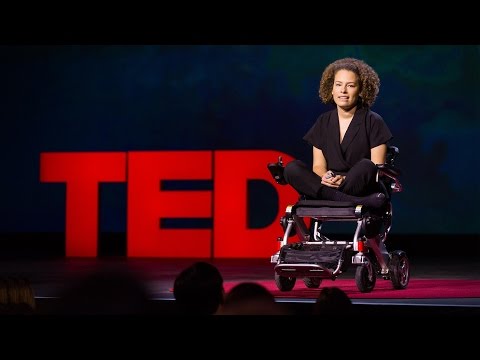
【TED】Jennifer Brea: What happens when you have a disease doctors can't diagnose (What happens when you have a disease doctors can't diagnose | Jennifer Brea)
0
SherlockHolmes posted on 2017/02/12Ever wondered what it's like to have an illness doctors can't diagnose? Jennifer Brea shares her powerful story of invisible illness and medical gaslighting, giving you a chance to learn advanced vocabulary related to health and patient advocacy. This is a fantastic opportunity to dive into a real-life situation and boost your understanding of complex medical terms!
Learn this video on the APP!
The VoiceTube App has more in-depth practice for videos!