
ability
US /əˈbɪlɪti/
UK /ə'bɪlətɪ/
- Noun (Countable/Uncountable)
- The power, resources or skill to do something
- A particular skill or talent.
A2TOEICMoreabstract
US /ˈæbˌstrækt/
UK /'æbstrækt/
- Noun (Countable/Uncountable)
- Passage of text from an article or book
- Something that doesn't exist physically
- Adjective
- Concerning something that doesn't exist physically
- Relating to abstract art.
B1Moreahead of time
US
UK
- Phrase
- Before the scheduled time; early.
A1Morealgorithm
US /ˈælɡəˌrɪðəm/
UK /'ælɡərɪðəm/
- Noun
- A step-by-step problem-solving feature
B2Moreanalysis
US /əˈnælɪsɪs/
UK /əˈnæləsɪs/
- Uncountable Noun
- Careful study to better understand something
B1TOEICMoreanalyze
US /ˈænəˌlaɪz/
UK /'ænəlaɪz/
- Transitive Verb
- To study carefully to find out the meaning of
B1TOEICMoreancient
US /ˈenʃənt/
UK /'eɪnʃənt/
- Adjective
- Very old; having lived a very long time ago
- Relating to a period in history, especially in the distant past.
- Noun
- A person who lived in ancient times.
A2Morearchaeological
US /ˌɑ:kɪr'lɒdʒɪkl/
UK /ˌɑ:kɪə'lɒdʒɪkl/
- Adjective
- Concerning the study of ancient societies
C1Moreas one
US
UK
- Adverb
- Acting or moving together at the same time.
- In complete agreement or unity.
- Phrase
- With a single voice or opinion; unanimously.
- In perfect harmony or unison.
A1Moreastronomical
US /ˌæstrəˈnɑmɪkəl/
UK /ˌæstrəˈnɒmɪkl/
- Adjective
- Extremely large or high
- Of the study of stars and other bodies in space
B2Moreastronomy
US /əˈstrɑ:nəmi/
UK /əˈstrɒnəmi/
- Uncountable Noun
- Study of stars and other bodies in space
B2Moreat least
US /æt list/
UK /æt li:st/
- Adverb
- As a minimum
- Not less than
- Phrase
- No less than; at the minimum
- Used to indicate that something is positive in a bad situation.
C2Moreautomate
US /ˈɔtəˌmet/
UK /'ɔ:təmeɪt/
- Transitive Verb
- To make automatic by using machines
B2TOEICMorebased on
US
UK
- Phrasal Verb
- To use something as the foundation or starting point for something else.
- Preposition
- Using something as the main idea or foundation.
- Relying on something as evidence or justification.
A1Morebetween the lines
US
UK
- Phrase
- To understand the hidden meaning or intention in something.
A1Morebreak down
US /brek daʊn/
UK /breik daun/
- Phrasal Verb
- To forcibly break, destroy or make collapse
- (Machine) to stop working or become weaker
A1Moreclinical
US /ˈklɪnɪkəl/
UK /ˈklɪnɪkl/
- Adjective
- Concerning the treatment or observing patients
- Using scientific techniques and precision
B1Morecoherence
US /koˈhɪrəns, -ˈhɛr-/
UK /kəʊˈhɪərəns/
- Uncountable Noun
- State in which all of the parts are connected
B2Morecomputational
US /ˌkɑ:mpjuˈteɪʃənl/
UK /ˌkɒmpjuˈteɪʃənl/
- Adjective
- Involving computation or computers
B1Moreconcept
US /ˈkɑnˌsɛpt/
UK /'kɒnsept/
- Noun (Countable/Uncountable)
- Abstract idea of something or how it works
- A plan or intention; a conception.
A2TOEICMoreconsciousness
US /ˈkɑnʃəsnɪs/
UK /'kɒnʃəsnəs/
- Uncountable Noun
- Process by which thoughts, ideas are processed
- A person's awareness or perception of something.
A2Moredetect
US /dɪˈtɛkt/
UK /dɪˈtekt/
- Transitive Verb
- To discover or identify the presence of something
A2TOEICMoredevelopment
US /dɪˈvɛləpmənt/
UK /dɪ'veləpmənt/
- Noun (Countable/Uncountable)
- Act or process of growing bigger or more advanced
- A new event related to a previous event
A2TOEICMoredistinguish
US /dɪˈstɪŋɡwɪʃ/
UK /dɪˈstɪŋgwɪʃ/
- Transitive Verb
- To make something clearly different from others
- To make noticeable or different; to set apart.
A2TOEICMoreexamine
US /ɪɡˈzæmɪn/
UK /ɪgˈzæmɪn/
- Transitive Verb
- (Medical) to test to find out what is wrong
- To test your knowledge or ability
A2Morefor instance
US /fɔr ˈɪnstəns/
UK /fɔ: ˈinstəns/
- Adverb
- As an example.
- Phrase
- As an example.
- As an illustration or case in point
B1Moregeneralize
US /ˈdʒɛnərəˌlaɪz/
UK /'dʒenrəlaɪz/
- Verb (Transitive/Intransitive)
- To apply a particular idea to a large group
B2Morego on
US /ɡo ɑn/
UK /ɡəu ɔn/
- Phrasal Verb
- To continue doing something
- To happen (usually negative)
- Interjection
- Used to encourage someone
A1Moregrapefruit
US /ˈɡrepˌfrut/
UK /ˈgreɪpfru:t/
- Noun (Countable/Uncountable)
- Large sour yellowish fruit with sour juice
C1Morehave to
US /hæv tu/
UK /ˈhæv tə/
- Auxiliary Verb
- Must do
A1Morehierarchy
US /ˈhaɪəˌrɑrki, ˈhaɪˌrɑr-/
UK /'haɪərɑ:kɪ/
- Noun (Countable/Uncountable)
- Group that manages and controls an organization
- A system for organizing according to importance
B1Morehunch
US /hʌntʃ/
UK /hʌntʃ/
- Noun
- Premonition or suspicion; guess
- Intransitive Verb
- To raise one's shoulders and bend the top of the body forward; to curve the back.
B2Morehypothesis
US /haɪˈpɑθɪsɪs/
UK /haɪˈpɒθəsɪs/
- Noun
- A theory trying to explain something
- A supposition or proposed explanation made on the basis of limited evidence as a starting point for further investigation.
B1Morein fact
US /ɪn fækt/
UK /in fækt/
- Adverb
- Used to emphasize the truth of a statement, especially one that contrasts with or contradicts something else.
- Used to introduce a more detailed or surprising piece of information.
- Phrase
- Used to emphasize the truth of a statement, especially one that is surprising or contrary to what might be expected.
C1Morein the books
US /ɪn ði bʊks/
UK /ɪn ði bʊks/
- other
- Finished, completed, or officially recorded.
B2Morein the future
US /ɪn ði ˈfjutʃɚ/
UK /in ðə ˈfju:tʃə/
- Phrase
- At a later time; in times to come.
A1Morein the neighborhood of
US /ɪn ðə ˈneɪbɚˌhʊd ʌv/
UK /in ðə ˈneibəhʊd ɔv/
- other
- Approximately or about a certain amount or distance.
B2Morein the way
US /ɪn ði we/
UK /in ðə wei/
- Phrase
- Obstructing someone or something; hindering progress.
- Stored or placed so as to be available or ready when needed.
A1Moreinstance
US /ˈɪnstəns/
UK /'ɪnstəns/
- Noun (Countable/Uncountable)
- An example of something; case
- An occurrence of something.
- Transitive Verb
- To give as an example of something else
A2TOEICMoreintrospection
US /ˌɪntrəˈspɛkʃən/
UK /ˌɪntrəˈspekʃn/
- Uncountable Noun
- Thinking deeply within yourself, about yourself
- A process of self-examination of one's thoughts, feelings and motives.
C2TOEICMoreintuition
US /ˌɪntuˈɪʃən, -tju-/
UK /ˌɪntjuˈɪʃn/
- Noun (Countable/Uncountable)
- Natural ability to guess or feel things
B2Moreneighborhood
US /ˈnebɚˌhʊd/
UK /'neɪbəhʊd/
- Noun (Countable/Uncountable)
- Area of a town or city that people live in
- People who live in a particular area
- Adjective
- Relating to a neighborhood.
B1Moreobjective
US /əbˈdʒɛktɪv/
UK /əbˈdʒektɪv/
- Adjective
- Being real, rather than simply being an idea
- Not influenced by personal feelings or opinions; impartial.
- Noun
- Something you decide you want to do; goal
A2TOEICMoreobvious
US /ˈɑbviəs/
UK /ˈɒbviəs/
- Adjective
- Easily understood and clear; plain to see
- Easy to see or notice.
A2TOEICMoreof course
US /ʌv kɔː(r)s/
UK /ɔv kɔː(r)s/
- Adverb
- Sure ; Certainly
- Phrase
- For sure; certainly
A2Moreonset
US /ˈɑnˌsɛt, ˈɔn-/
UK /ˈɒnset/
- Noun
- When something, e.g. an illness, starts; beginning
B2TOEICMoreperceive
US /pɚˈsiv/
UK /pə'si:v/
- Transitive Verb
- To notice or become aware of something
- To think of someone or something in a certain way
B1TOEICMorepersistence
US /pərˈsɪstəns/
UK /pəˈsɪstəns/
- Uncountable Noun
- Determination to keep doing even if it is hard
- The fact of continuing to exist for a long time.
C1TOEICMorephilosophical
US /ˌfɪləˈsɑ:fɪkl/
UK /ˌfɪləˈsɒfɪkl/
- Adjective
- Reacting calmly/reasonably if things are difficult
- Concerning philosophy
C1TOEICMorepolo
US /ˈpolo/
UK /'pəʊləʊ/
- Noun
- Game in which horseback riders try to score goals
B2Morepredict
US /prɪˈdɪkt/
UK /prɪ'dɪkt/
- Transitive Verb
- To guess or estimate what will or might happen
A2TOEICMoreramp
US /ræmp/
UK /ræmp/
- Noun
- Path that increases in height as you walk up it
- Transitive Verb
- To slope or incline; (phrasal: ramp up) to increase the level or amount of something sharply; to furnish with a sloping surface.
B2Morerapidly
US /ˈræpɪdlɪ/
UK /'ræpɪdlɪ/
- Adverb
- With great speed; quickly
B1TOEICMorerelate
US /rɪˈlet/
UK /rɪ'leɪt/
- Transitive Verb
- To demonstrate a logical relationship between
- To understand or sympathize with, e.g. a problem
A2TOEICMorerespiration
US /ˌrɛspəˈreʃən/
UK /ˌrespəˈreɪʃn/
- Uncountable Noun
- Taking air in and out of the lungs; breathing
C1Moresaint
US /sent/
UK /seɪnt/
- Noun (Countable/Uncountable)
- Person who is very good, kind or patient
- Person of exceptional holiness
B2Morescientific
US /ˌsaɪənˈtɪfɪk/
UK /ˌsaɪənˈtɪfɪk/
- Adjective
- Concerning academic study of the physical world
- Systematic and precise, following a methodology.
- Noun
- Relating to or used in science.
A2Moresemantic
US /sɪˈmæntɪk/
UK /sɪˈmæntɪk/
- Adjective
- Concerning the different meanings of words
B1Moresuch as
US /sʌtʃ æz/
UK /sʌtʃ æz/
- Preposition
- For example; like
A1Moretestament
US /ˈtɛstəmənt/
UK /ˈtestəmənt/
- Noun
- Evidence or proof (usually of something good)
- A person's will, especially regarding the disposal of their property.
B1Moretheory
US /ˈθiəri, ˈθɪri/
UK /ˈθiəri/
- Noun (Countable/Uncountable)
- Ideas or principles that explain facts or events
- An idea or belief about something
A2TOEICMorethink about
US /θɪŋk əˈbaʊt/
UK /θiŋk əˈbaut/
- Phrasal Verb
- To consider something carefully.
- To remember or call to mind.
A1Moreto do with
US
UK
- Phrasal Verb
- To be about something; concern
A1Moretradition
US /trəˈdɪʃən/
UK /trəˈdɪʃn/
- Noun (Countable/Uncountable)
- An event, custom or way common to a people or race
- Way of thinking or behaving used for a long time
B1TOEICMoreturned out
US
UK
- Phrasal Verb
- To arrive for a public event or entertainment
- To happen to be in the end
- Transitive Verb
- To extinguish or switch off lights.
A1Morevague
US /veɡ/
UK /veɪɡ/
- Adjective
- Not clearly stated or expressed; rough; unclear
- Being not clearly visible
B1Morevirtue
US /ˈvɜ:rtʃu:/
UK /'vɜ:tʃu:/
- Noun (Countable/Uncountable)
- Benefit, advantage, or good result of something
- Morally good quality
B1Morevividly
US /ˈvɪvɪdlɪ/
UK /'vɪvɪdlɪ/
- Adverb
- In a strongly, bright, lively or colorful manner
B2More
Vocabulary
- based on: To use something as the foundation or starting point for something else.
- for instance: As an example.
- in fact: Used to emphasize the truth of a statement, especially one that contrasts with or contradicts something else.
- have to: Must do
- such as: For example; like
- think about: To consider something carefully.
- at least: As a minimum
- in the way: Obstructing someone or something; hindering progress.
- in the books: Finished, completed, or officially recorded.
- to do with: To be about something; concern
- break down: To forcibly break, destroy or make collapse
- go on: To continue doing something
- in the neighborhood of: Approximately or about a certain amount or distance.
- as one: Acting or moving together at the same time.
- of course: Sure ; Certainly
- ahead of time: Before the scheduled time; early.
- turned out: To arrive for a public event or entertainment
- between the lines: To understand the hidden meaning or intention in something.
- in the future: At a later time; in times to come.
- perceive: To notice or become aware of something
- obvious: Easily understood and clear; plain to see
- concept: Abstract idea of something or how it works
- term: Conditions applying to an agreement, contract
- ancient: Very old; having lived a very long time ago
- intuition: Natural ability to guess or feel things
- instance: An example of something; case
- effective: Working efficiently to produce a desired result
- vague: Not clearly stated or expressed; rough; unclear
- failure: When things go wrong; lack of function
- ability: The power, resources or skill to do something
- measure: Plan to achieve a desired result
- increase: To make or become larger in size or amount
- hierarchy: Group that manages and controls an organization
- abstract: Passage of text from an article or book
- hypothesis: A theory trying to explain something
- theory: Ideas or principles that explain facts or events
- distinguish: To make something clearly different from others
- consciousness: Process by which thoughts, ideas are processed
- bit: Device put in a horse's mouth to control it
- virtue: Benefit, advantage, or good result of something
- predict: To guess or estimate what will or might happen
- form: Sports team or person's current winning record
- scientific: Concerning academic study of the physical world
- algorithm: A step-by-step problem-solving feature
- project: To predict what will happen in the future
- examine: (Medical) to test to find out what is wrong
- objective: Being real, rather than simply being an idea
- development: Act or process of growing bigger or more advanced
- relate: To demonstrate a logical relationship between
- detect: To discover or identify the presence of something
- clinical: Concerning the treatment or observing patients
- analyze: To study carefully to find out the meaning of
- organize: To arrange and plan things, e.g. a party
- rapidly: With great speed; quickly
- important: Having power or authority
- persistence: Determination to keep doing even if it is hard
- analysis: Careful study to better understand something
- hunch: Premonition or suspicion; guess
- fact: Something that is known or proved to be true
- philosophical: Reacting calmly/reasonably if things are difficult
- question: To ask for or try to get information
- ramp: Path that increases in height as you walk up it
- build: Your physical shape; physique
- simple: Not hard to understand or do; not complex
- space: Empty area kept for a specific reason, like a car
- introspection: Thinking deeply within yourself, about yourself
- neighborhood: Area of a town or city that people live in
- onset: When something, e.g. an illness, starts; beginning
- tradition: An event, custom or way common to a people or race
- respiration: Taking air in and out of the lungs; breathing
- astronomical: Extremely large or high
- testament: Evidence or proof (usually of something good)
- semantic: Concerning the different meanings of words
- automate: To make automatic by using machines
- saint: Person who is very good, kind or patient
- astronomy: Study of stars and other bodies in space
- vividly: In a strongly, bright, lively or colorful manner
- computational: Involving computation or computers
- archaeological: Concerning the study of ancient societies
- coherence: State in which all of the parts are connected
- grapefruit: Large sour yellowish fruit with sour juice
- generalize: To apply a particular idea to a large group
- polo: Game in which horseback riders try to score goals
Get the full experience in the app
Learn anywhere with detailed sentence and usage analysis
01:03
She took a brave step forward, leaving behind her comfort zone to chase her dreams.
Vocabulary
- brave
adj. Having courage
- comfort zone
phr. A familiar situation where one feels safe
Explanation
a brave step is a noun phrase, where brave is an adjective modifying the noun step, meaning "a courageous step".
forward is an adverb modifying step, meaning "ahead".
The whole phrase serves as the object, answering the "what" of took (verb) — she took a brave step forward.
Get the full experience in the app
Look up words anytime with pronunciation, part of speech, and usage
brave
US/brev/
UK/breɪv/
adj.Brave
v.t.To bravely face
A2 Elementary
Get the full experience in the app
Practice speaking anytime and get instant pronunciation feedback
Try this speaking exercise.
Try practicing with this sentence.
80
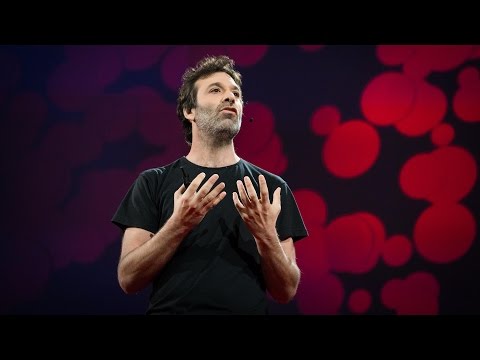
【TED】Mariano Sigman: Your words may predict your future mental health (Your words may predict your future mental health | Mariano Sigman)
0
clara.english.0001 posted on 2017/02/10Ever wonder if your words could hint at your future mental health? This fascinating talk explores how analyzing language can actually predict psychological well-being, diving into topics like consciousness history and semantic coherence. You'll pick up advanced vocabulary and gain a deeper understanding of cognitive science!
Learn this video on the APP!
The VoiceTube App has more in-depth practice for videos!