
absorb
US /əbˈsɔrb, -ˈzɔrb/
UK /əb'sɔ:b/
- Transitive Verb
- To take up all attention / energy of something
- To take in a liquid; soak up
B1TOEICMoreactual
US /ˈæktʃuəl/
UK /ˈæktʃuəl/
- Adjective
- Real or existing in fact, not imagined; real
- Current; existing at the present time.
A2TOEICMoreadapt
US /əˈdæpt/
UK /ə'dæpt/
- Transitive Verb
- To change something for a different function
- To change something to fit or suit a new purpose
- Intransitive Verb
- To change your behaviour so that it is easier to live in a new place or situation
B1TOEICMoreany sort of
US
UK
- Determiner
- Any kind of; any type of
- Phrase
- Somewhat; to some extent
A2Moreappeal
US /əˈpil/
UK /ə'pi:l/
- Uncountable Noun
- Ability to attract interest, attention, or desire
- Verb (Transitive/Intransitive)
- To attract interest, attention, or desire
- To request a judge or others to change a decision
A2TOEICMoreaquatic
US /əˈkwætɪk/
UK /əˈkwætɪk/
- Adjective
- Living or growing near or in water
B2Moreas long as
US /æz lɔŋ æz/
UK /æz lɔŋ æz/
- Conjunction
- For the period that; provided that.
- For the length of time that
- Preposition
- On the condition that; providing that.
- Having the same length as.
A1Moreawhile
US /əˈhwaɪl, əˈwaɪl/
UK /əˈwaɪl/
- Adverb
- For a while; for a short time
B2Moreback out
US /bæk aʊt/
UK /bæk aut/
- Phrasal Verb
- To say you will now not do something you promised
A1Morebelly
US /ˈbɛli/
UK /'belɪ/
- Noun (Countable/Uncountable)
- Middle part of the body; the stomach
- A bulging or rounded part of something.
- Verb (Transitive/Intransitive)
- To expand outward; swell
- To swell like a balloon
B2Morebladder
US /ˈblædɚ/
UK /ˈblædə(r)/
- Noun
- Soft bag which holds liquid or air
- Part of the body that holds urine
B1Morebreak down
US /brek daʊn/
UK /breik daun/
- Phrasal Verb
- To forcibly break, destroy or make collapse
- (Machine) to stop working or become weaker
A1Morebreaks down
US
UK
- Phrasal Verb
- To forcibly break, destroy or make collapse
- (Machine) to stop working or become weaker
A1Morecapable
US /ˈkepəbəl/
UK /'keɪpəbl/
- Adjective
- Being able to do something very well; proficient
- Having the ability, fitness, or quality necessary to do or achieve a specified thing.
A2Morecarnivorous
US /kɑrˈnɪvərəs/
UK /kɑ:'nɪvərəs/
- Adjective
- Concerning or characteristic of eating meat
C1Morecategory
US /ˈkætɪˌɡɔri, -ˌɡori/
UK /ˈkætəgəri/
- Noun
- Groups of things that are similar in some way
B1Moreclip
US /klɪp/
UK /klɪp/
- Countable Noun
- A metal holder used for keeping things together
- Brief part of a television show or movie
- Transitive Verb
- To attach things together using a metal pin
- To cut a small section or piece out from something
B1Morecompensate
US /ˈkɑ:mpenseɪt/
UK /ˈkɒmpenseɪt/
- Transitive Verb
- To give (money) to as a form of correcting a loss
- To reduce or counteract (something unwelcome or unpleasant); offset.
A2Moredemographic
US /ˌdemə'ɡræfɪk/
UK /ˌdemə'ɡræfɪk/
- Noun
- Group of people with similar characteristics
- A particular sector of a population.
- Adjective
- Characterizing human populations
C2Moredetrimental
US /ˌdɛtrəˈmɛntl/
UK /ˌdetrɪˈmentl/
- Adjective
- Harmful
B2Moredigest
US /daɪˈdʒest/
UK /daɪˈdʒest/
- Verb (Transitive/Intransitive)
- To convert food into energy in your stomach
- To think over facts, news etc.; take in information
- Noun
- A summary, as of the news
B2Moredigestive
US /daɪˈdʒɛstɪv, dɪ-/
UK /daɪˈdʒestɪv/
- Adjective
- Concerning processes of converting food to energy
B2Moredivide
US /dɪˈvaɪd/
UK /dɪ'vaɪd/
- Verb (Transitive/Intransitive)
- To split numbers by another number, e.g. 6 / 2 = 3
- To separate something into equal pieces
- Noun
- A separation or distinction.
A2TOEICMoreenzyme
US /ˈɛnzaɪm/
UK /ˈenzaɪm/
- Noun
- A protein made by cells
B2TOEICMoreevolution
US /ˌɛvəˈluʃən, ˌivə-/
UK /ˌi:və'lu:ʃn/
- Uncountable Noun
- Theory that living things change over time
- Process by which something develops over time
B1Moreevolve
US /ɪˈvɑlv/
UK /ɪ'vɒlv/
- Verb (Transitive/Intransitive)
- To develop certain features
- To develop or change slowly over time
B1Moreexpand
US /ɪkˈspænd/
UK /ɪk'spænd/
- Verb (Transitive/Intransitive)
- To make something larger in size, number, amount
A2TOEICMoreexpend
US /ɪkˈspɛnd/
UK /ɪk'spend/
- Transitive Verb
- To use a lot of something, such as time or energy
B2Morefascinating
US /ˈfæsəˌnetɪŋ/
UK /ˈfæsɪneɪtɪŋ/
- Transitive Verb
- To attract or interest greatly
- To hold someone captive with a gaze or other means.
- Adjective
- Having your attention fixated as though by a spell
B1Morefeature
US /ˈfitʃɚ/
UK /'fi:tʃə(r)/
- Noun (Countable/Uncountable)
- Special report in a magazine or paper
- Distinctive or important point of something
- Transitive Verb
- To highlight or give special importance to
- To give prominence to; to present or promote as a special or important item.
A2TOEICMorefiction
US /ˈfɪkʃən/
UK /ˈfɪkʃn/
- Uncountable Noun
- Made-up stories; imagined events
- False statement or account about something
B1Morefootage
US /ˈfʊtɪdʒ/
UK /ˈfʊtɪdʒ/
- Uncountable Noun
- A certain amount of film or video of something
- The length or amount of something measured in feet.
B2Morefor example
US
UK
- Phrase
- As an illustration or instance.
for nothing
US
UK
- Phrase
- Without payment or reward; to no purpose or effect; in vain
- Free; without cost
A1Morehave to
US /hæv tu/
UK /ˈhæv tə/
- Auxiliary Verb
- Must do
A1Morein exchange for
US /ɪn ɪksˈtʃendʒ fɔr/
UK /in iksˈtʃeindʒ fɔ:/
- Phrase
- Given or done as an equivalent or substitute for.
B1Morein half
US /ɪn hæf/
UK /in hɑ:f/
- Adverb
- Divided into two equal parts.
- Partially; to some extent.
A1Morein real life
US /ɪn ˈriəl laɪf/
UK /in riəl laif/
- Phrase
- In the physical world; not online or in a fictional setting.
- Actually; genuinely; not made up or fictional.
A2Morein return
US /ɪn rɪˈtɚn/
UK /in riˈtə:n/
- Adverb
- As a reciprocal action or gesture; in exchange or repayment.
- Phrase
- As compensation or consideration for something.
- As a reaction or response to something.
A1Morein terms of
US
UK
- Phrase
- With regard to; concerning a particular aspect.
A1Morelobster
US /ˈlɑ:bstə(r)/
UK /ˈlɒbstə(r)/
- Countable Noun
- Large hard-shelled sea crustacean, prized as food
B2Moremovement
US /ˈmuvmənt/
UK /ˈmu:vmənt/
- Noun (Countable/Uncountable)
- Part of a piece of classical music
- Group with a shared interest or goal
A2Moremultiple
US /ˈmʌltəpəl/
UK /ˈmʌltɪpl/
- Adjective
- Having or involving more than one of something
- Having or involving several parts, elements, or members.
- Countable Noun
- Number produced by multiplying a smaller number
- A number of identical circuit elements connected in parallel or series.
B1Morenectar
US /ˈnɛktɚ/
UK /ˈnektə(r)/
- Noun (Countable/Uncountable)
- Sweet liquid found in plants
- A delicious or delightful drink.
B2Morenickname
US /ˈnɪkˌnem/
UK /ˈnɪkneɪm/
- Noun
- Name given by friends or family
- Transitive Verb
- To give someone an informal name or title
B2Moreoctopus
US /ˈɑ:ktəpəs/
UK /ˈɒktəpəs/
- Noun (Countable/Uncountable)
- Sea creature with eight arms or tentacles
B2Moreon the inside
US /ɑn ði ɪnˈsaɪd/
UK /ɔn ðə inˈsaid/
- Phrase
- Having a position of authority or influence within an organization or system.
- In prison; incarcerated.
- Adjective
- Possessing secret or confidential information.
A1Morepassive
US /ˈpæsɪv/
UK /ˈpæsɪv/
- Adjective
- Allowing things to happen with quiet acceptance
- With sentence's subject being what verb acts on
- Noun
- A person who is passive; one who does not actively participate or resist.
B1Moreprey
US /pre/
UK /preɪ/
- Intransitive Verb
- To hunt (other animals) in order to eat them
- Noun (Countable/Uncountable)
- The victim of another person's aggression
- The victim of another person's aggression
B1Moreprimarily
US /praɪˈmɛrəli, -ˈmɛr-/
UK /praɪˈmerəli/
- Adverb
- In the most basic or important way
A2TOEICMoreresearch
US /rɪˈsɚtʃ, ˈriˌsɚtʃ/
UK /rɪ'sɜ:tʃ/
- Verb (Transitive/Intransitive)
- To study in order to discover new ideas and facts
- To study the market relating to marketing products and services.
- Noun (Countable/Uncountable)
- Study done to discover new ideas and facts
- A particular area or topic of study.
A2TOEICMorerespond
US /rɪˈspɑnd/
UK /rɪ'spɒnd/
- Verb (Transitive/Intransitive)
- To answer something or someone
- To have a good reaction to e.g. medical treatment
A2TOEICMoreretrieve
US /rɪˈtriv/
UK /rɪˈtri:v/
- Transitive Verb
- To find and bring in animals during a hunt
- To get information from a computer
B2TOEICMoreroster
US /ˈrɑstɚ, ˈrɔstɚ/
UK /ˈrɒstə(r)/
- Noun
- List of people's names who have some duty to do
C1Morerush
US /rʌʃ/
UK /rʌʃ/
- Verb (Transitive/Intransitive)
- To attack someone suddenly in a group
- To perform or finish with speed and urgency
- Noun (Countable/Uncountable)
- Actions performed or finishes with speed, urgency
- State of hurried action
A2TOEICMoreseparate
US /'sepəreɪt/
UK /'sepəreɪt/
- Adjective
- Being different from or unrelated to another
- Not connected; different.
- Transitive Verb
- To divide two things by being in between them
- To move things away from each other
A2TOEICMoreshow off
US /ʃo ɔf/
UK /ʃəu ɔf/
- Phrasal Verb
- To show your ability/possessions to try to impress
A1Moresnap
US /snæp/
UK /snæp/
- Verb (Transitive/Intransitive)
- To close your mouth quickly like biting something
- To break something dry and thin, e.g. a branch
- Countable Noun
- An informal word for a photograph
B1Moresuch as
US /sʌtʃ æz/
UK /sʌtʃ æz/
- Preposition
- For example; like
A1Moresuck
US /sʌk/
UK /sʌk/
- Intransitive Verb
- To be very bad, undesirable or unpleasant
- Transitive Verb
- To pull or remove something with great power
- To attract someone; make someone interested
B1Moresuffer
US / ˈsʌfɚ/
UK /'sʌfə(r)/
- Verb (Transitive/Intransitive)
- To experience pain, illness, or injury
- To allow or permit something, especially something unpleasant.
A2Moresustain
US /səˈsten/
UK /sə'steɪn/
- Transitive Verb
- To lengthen or continue to do something
- To support or maintain someone or something
B2TOEICMoretrap
US /træp/
UK /træp/
- Countable Noun
- Device used for catching animals
- Vehicle pulled by a single horse
- Transitive Verb
- To use a device to catch animals or people
- To hold, e.g. a nerve, so that it cannot move
A2Moretrigger
US /ˈtrɪɡɚ/
UK /'trɪɡə(r)/
- Noun
- Lever on a gun that you pull to fire
- Device that starts a process
- Transitive Verb
- To start a process off e.g. a memory
- To cause something to begin or happen.
B1Morewith it
US /wɪð ɪt/
UK /wið it/
- Adjective
- Intelligent, alert, and up-to-date.
- Understanding and knowledgeable about current trends or information.
A1Morezoom out
US /zum aʊt/
UK /zu:m aut/
- Phrasal Verb
- To decrease the magnification of an image, showing more of the scene.
- To take a broader perspective; to consider the overall context.
Vocabulary
- such as: For example; like
- on the inside: Having a position of authority or influence within an organization or system.
- for nothing: Without payment or reward; to no purpose or effect; in vain
- have to: Must do
- in real life: In the physical world; not online or in a fictional setting.
- for example: As an illustration or instance.
- in terms of
- in return: As a reciprocal action or gesture; in exchange or repayment.
- break down: To forcibly break, destroy or make collapse
- breaks down: To forcibly break, destroy or make collapse
- in half: Divided into two equal parts.
- in exchange for: Given or done as an equivalent or substitute for.
- show off: To show your ability/possessions to try to impress
- with it: Intelligent, alert, and up-to-date.
- back out: To say you will now not do something you promised
- zoom out: To decrease the magnification of an image, showing more of the scene.
- as long as: For the period that; provided that.
- any sort of: Any kind of; any type of
- sort: To organize things by putting them into groups
- multiple: Having or involving more than one of something
- trigger: Lever on a gun that you pull to fire
- category: Groups of things that are similar in some way
- fascinating: To attract or interest greatly
- feature: Special report in a magazine or paper
- capable: Being able to do something very well; proficient
- separate: Being different from or unrelated to another
- suck: To be very bad, undesirable or unpleasant
- divide: To split numbers by another number, e.g. 6 / 2 = 3
- evolve: To develop certain features
- absorb: To take up all attention / energy of something
- appeal: Ability to attract interest, attention, or desire
- belly: Middle part of the body; the stomach
- sustain: To lengthen or continue to do something
- suffer: To experience pain, illness, or injury
- research: To study in order to discover new ideas and facts
- trap: Device used for catching animals
- passive: Allowing things to happen with quiet acceptance
- snap: To close your mouth quickly like biting something
- prey: To hunt (other animals) in order to eat them
- detrimental: Harmful
- digestive: Concerning processes of converting food to energy
- primarily: In the most basic or important way
- expand: To make something larger in size, number, amount
- evolution: Theory that living things change over time
- compensate: To give (money) to as a form of correcting a loss
- actual: Real or existing in fact, not imagined; real
- digest: To convert food into energy in your stomach
- clip: A metal holder used for keeping things together
- adapt: To change something for a different function
- fiction: Made-up stories; imagined events
- footage: A certain amount of film or video of something
- respond: To answer something or someone
- demographic: Group of people with similar characteristics
- bladder: Soft bag which holds liquid or air
- movement: Part of a piece of classical music
- rush: To attack someone suddenly in a group
- retrieve: To find and bring in animals during a hunt
- enzyme: A protein made by cells
- catch: Amount of something that has been caught
- type: Printed letters or blocks used for printing them
- lobster: Large hard-shelled sea crustacean, prized as food
- widely: To a large degree; over a large range
- travel: To go to a place that is far away
- aquatic: Living or growing near or in water
- live: To be alive
- awhile: For a while; for a short time
- show: To be easily seen or displayed
- nectar: Sweet liquid found in plants
- carnivorous: Concerning or characteristic of eating meat
- octopus: Sea creature with eight arms or tentacles
- fly: Common flying insect, sometimes blue in color
- call: A order or request for action
- move: To cause someone to have certain emotions
- large: Big; of great size; broad, tall, wide, or fat
- nickname: Name given by friends or family
- small: Little in size; not big
- fun: Amusing and enjoyable
- water: Clear liquid that forms the seas, rivers and rain
- venus: The second nearest planet to the sun; it is peculiar in that its rotation is slow and retrograde (in the opposite sense of the Earth and all other planets except Uranus); it is visible from Earth as an early 'morning star' or an 'evening star'
- roster: List of people's names who have some duty to do
- expend: To use a lot of something, such as time or energy
Get the full experience in the app
Learn anywhere with detailed sentence and usage analysis
01:03
She took a brave step forward, leaving behind her comfort zone to chase her dreams.
Vocabulary
- brave
adj. Having courage
- comfort zone
phr. A familiar situation where one feels safe
Explanation
a brave step is a noun phrase, where brave is an adjective modifying the noun step, meaning "a courageous step".
forward is an adverb modifying step, meaning "ahead".
The whole phrase serves as the object, answering the "what" of took (verb) — she took a brave step forward.
Get the full experience in the app
Look up words anytime with pronunciation, part of speech, and usage
brave
US/brev/
UK/breɪv/
adj.Brave
v.t.To bravely face
A2 Elementary
Get the full experience in the app
Practice speaking anytime and get instant pronunciation feedback
Try this speaking exercise.
Try practicing with this sentence.
80
0
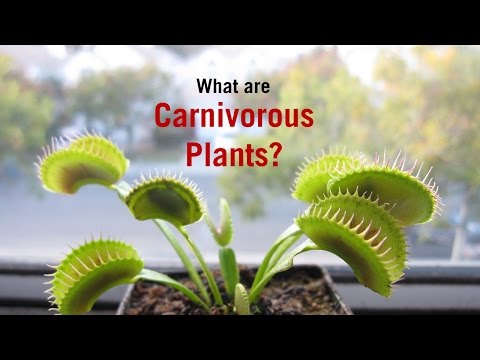
Yang Jerry posted on 2017/01/18Ever wondered how plants eat bugs? This video dives into the fascinating world of carnivorous plants like the Venus flytrap and pitcher plant, explaining their unique survival strategies. You'll pick up some awesome scientific vocabulary and learn cool facts about these amazing natural wonders!
Learn this video on the APP!
The VoiceTube App has more in-depth practice for videos!