
adverse
US /ædˈvɚs, ˈædˌvɚs/
UK /ˈædvɜ:s/
- Adjective
- Negative or harmful
B1TOEICMoreantibiotic
US /ˌæntibaɪˈɑ:tɪk/
UK /ˌæntibaɪˈɒtɪk/
- Adjective
- (Drug) used to fight certain kinds of diseases
- Noun
- Medicine that kills bacteria to fight infections
B1Moreantidepressant
US /ˌæntidɪˈprɛsənt, ˌæntaɪ-/
UK /ˌæntidɪˈpresnt/
- Noun
- Medicine used to treat depression
C2Moreas opposed to
US
UK
- Preposition
- In contrast to; rather than.
- Instead of; in place of.
A1Moreat least
US /æt list/
UK /æt li:st/
- Adverb
- As a minimum
- Not less than
- Phrase
- No less than; at the minimum
- Used to indicate that something is positive in a bad situation.
C2Moreat risk
US
UK
- Phrase
- In danger; likely to be harmed
bacteria
US /bækˈtɪriə/
UK /bæk'tɪərɪə/
- Noun (plural)
- The very small creatures that can cause disease
B2Morebased on
US
UK
- Phrasal Verb
- To use something as the foundation or starting point for something else.
- Preposition
- Using something as the main idea or foundation.
- Relying on something as evidence or justification.
A1Morebias
US /ˈbaɪəs/
UK /'baɪəs/
- Noun (Countable/Uncountable)
- Preference to believe things even if incorrect
- A systematic error in a statistical result
- Transitive Verb
- To unfairly favor one view over another
- To cause someone to have prejudice
B1TOEICMorebounce back
US /baʊns bæk/
UK /bauns bæk/
- Phrasal Verb
- To return quickly to a normal condition after a difficult situation or illness.
B2Moreby accident
US /baɪ ˈæksɪdənt/
UK /bai ˈæksidənt/
- Phrase
- Without intending to; unintentionally.
challenge
US /ˈtʃæləndʒ/
UK /'tʃælɪndʒ/
- Noun (Countable/Uncountable)
- An activity you wish to try that may be hard to do
- Act of formally inviting someone to compete
- Transitive Verb
- To formally invite someone to compete at something
- To question the correctness of something
A2Morecheck out
US /tʃɛk aʊt/
UK /tʃek aut/
- Phrase
- Phrasal Verb
- To find out information about something
- To take books out of a library
A1Morechronic
US /ˈkrɑnɪk/
UK /'krɒnɪk/
- Adjective
- Always or often doing something, e.g. lying
- (Of disease) over a long time; serious
B1Moreconfirm
US /kənˈfɜ:rm/
UK /kənˈfɜ:m/
- Transitive Verb
- To formally approve or check something
- To provide evidence to establish the truth of
A2Morecure
US /kjʊr/
UK /kjʊə(r)/
- Noun
- Something that solves a problem or makes it better
- Medical treatment making a sick person healthy
- Transitive Verb
- To fix or improve a problem
- To make someone healthy or make a disease go away
B1Moredepression
US /dɪˈprɛʃən/
UK /dɪ'preʃn/
- Noun (Countable/Uncountable)
- Medical condition of a lack of vitality
- Period of unemployment and low economic activity
B2Moredespite the fact
US
UK
- Preposition
- In spite of; notwithstanding.
- Conjunction
- Even though; although.
A2Moredisease
US /dɪˈziz/
UK /dɪˈzi:z/
- Noun (Countable/Uncountable)
- Illness that affects a person, animal, or plant
- A disorder of structure or function in a plant, especially one caused by a pathogen.
- Transitive Verb
- To affect with disease; to corrupt or sicken.
A2TOEICMoredisorder
US /dɪsˈɔrdɚ/
UK /dɪs'ɔ:də(r)/
- Uncountable Noun
- State of confusion or a lack of organization
- Illness when the body is not functioning well
- Transitive Verb
- To disrupt the order or arrangement of something.
B2Moredo in
US
UK
- Phrasal Verb
- To make completely tired out and exhausted
- To destroy or cause damage to someone
A1Moreenhance
US /ɛnˈhæns/
UK /ɪn'hɑ:ns/
- Transitive Verb
- To improve; make bigger or better
B1TOEICMoreepidemic
US /ˌɛpɪˈdɛmɪk/
UK /ˌepɪ'demɪk/
- Adjective
- Disease that spreads quickly affecting many
- Noun (Countable/Uncountable)
- Something that spreads suddenly and widely
B2Moreeuphoria
US /juˈfɔriə, -ˈfor-/
UK /ju:ˈfɔ:riə/
- Uncountable Noun
- Extreme happiness, sometimes more than reasonable
C1TOEICMoreexplore
US /ɪkˈsplɔr/
UK /ɪk'splɔ:(r)/
- Transitive Verb
- To examine something in detail to learn about it
- To travel to a place to discover more about it
A2TOEICMoreexpose
US /ɪkˈspoʊz/
UK /ɪk'spəʊz/
- Transitive Verb
- To make visible, without covering or protection
- To allow light through a cameras lens onto film
A2TOEICMorefraction
US /ˈfrækʃən/
UK /ˈfrækʃn/
- Noun (Countable/Uncountable)
- Small part of something
- A numerical quantity that is not a whole number (e.g., 1/2, 0.5).
B1TOEICMoreframework
US /ˈfreɪmwɜ:rk/
UK /ˈfreɪmwɜ:k/
- Noun
- Skeleton structure of a building or construction
- Basic structure of something
B1TOEICMoregain
US /ɡen/
UK /ɡeɪn/
- Verb (Transitive/Intransitive)
- To increase in something, such as weight
- To get something wanted, needed or valued
- Noun (Countable/Uncountable)
- An increase in something, such as weight
A2TOEICMoregeneric
US /dʒəˈnɛrɪk/
UK /dʒə'nerɪk/
- Adjective
- Concerning a product without a brand name
- Concerning an entire class, category, or group
B2Moregoing on
US /ˈɡoɪŋ ɑn/
UK /ˈgəʊɪŋ ɔn/
- Phrasal Verb
- To continue doing something
- To happen (usually negative)
A1Morehave to
US /hæv tu/
UK /ˈhæv tə/
- Auxiliary Verb
- Must do
A1Morehypothesis
US /haɪˈpɑθɪsɪs/
UK /haɪˈpɒθəsɪs/
- Noun
- A theory trying to explain something
- A supposition or proposed explanation made on the basis of limited evidence as a starting point for further investigation.
B1Moreillness
US /ˈɪlnɪs/
UK /ˈɪlnəs/
- Uncountable Noun
- Unhealthy condition of the mind or body
- A particular instance or type of disease.
A2Moreimmune
US /ɪˈmjoon/
UK /ɪˈmju:n/
- Adjective
- Having a special protection from, e.g. the law
- Protected against a particular disease or condition because of antibodies or vaccination.
B1Morein terms of
US
UK
- Phrase
- With regard to; concerning a particular aspect.
A1Morein the middle of
US
UK
- Phrase
- In the central part or point of something.
- Engaged or occupied with something.
A2Morein the past
US
UK
- Phrase
- During a former period of time; previously.
A1Moreinfection
US /ɪnˈfɛkʃən/
UK /ɪnˈfekʃn/
- Noun
- (Computers) Having a computer virus
- Making or becoming sick with a bacteria/virus
A2Moreinteract with
US /ˌɪntɚˈækt wɪð/
UK /ˌɪntərˈækt wið/
- Phrase
- Verb (Transitive/Intransitive)
- To engage in communication or action involving mutual or reciprocal influence.
- To use a computer interface to achieve a specific goal.
A2Moreinterfere
US /ˌɪntɚˈfɪr/
UK /ˌɪntə'fɪə(r)/
- Intransitive Verb
- To get involved in something not your business
- Transitive Verb
- To prevent a process or activity from continuing or being carried out properly.
B1TOEICMorejust kind of
US
UK
- Phrase
- Used to express a feeling or state in a vague or hesitant way.
- Used to indicate something is approximately or generally similar to something else.
A2Morelead to
US /lid tu/
UK /li:d tu:/
- Phrasal Verb
- To result in some action
- Verb (Transitive/Intransitive)
- To have something as a consequence or result.
A1Morelike anything
US /laɪk ˈɛniθɪŋ/
UK /laɪk ˈeniθɪŋ/
- other
- Used to emphasize strong intensity or effort.
B2Morelook at
US /lʊk æt/
UK /luk æt/
- Phrasal Verb
- To use your eyes to focus on something
- To focus your eyes on something carefully
A1Morelook back
US /lʊk bæk/
UK /luk bæk/
- Phrasal Verb
- To think about past events
A1Moremania
US /ˈmeniə,ˈmenjə/
UK /ˈmeɪniə/
- Uncountable Noun
- Mental illness marked by high energy or excitement
- Extreme interest in, or excitement about
B2Moremental
US /ˈmɛntl/
UK /ˈmentl/
- Adjective
- Concerning the mind
A2TOEICMorenecessarily
US /ˌnɛsɪˈsɛrəli, -ˈsɛr-/
UK /ˌnesəˈserəli/
- Adverb
- In a way that is needed/required/is unavoidable
A2TOEICMoreno matter
US
UK
- Conjunction
- Regardless of; it does not matter.
- Adverb
- Regardless of; it is not important
A1Moreof choice
US /əv tʃɔɪs/
UK /əv tʃɔɪs/
- other
- Indicating something is preferred or selected deliberately.
B2Moreof course
US /ʌv kɔː(r)s/
UK /ɔv kɔː(r)s/
- Adverb
- Sure ; Certainly
- Phrase
- For sure; certainly
A2Moreon the floor
US
UK
- Phrase
- Located on the ground or bottom surface of a room.
- Actively participating in dancing or other floor-based activities.
A1Moreoptimize
US /ˈɑ:ptɪmaɪz/
UK /ˈɒptɪmaɪz/
- Transitive Verb
- To make as effective as possible
B2Morepainkiller
US /ˈpenˌkɪlɚ/
UK /'peɪnkɪlə(r)/
- Noun (Countable/Uncountable)
- Medicine used to relieve pain
C2Morepalliative
US /ˈpæliˌetɪv, -iətɪv/
UK /ˈpæliətɪv/
- Adjective
- Moderating suffering by making it easier to bear
C1Moreprevent
US /prɪˈvɛnt/
UK /prɪ'vent/
- Transitive Verb
- To stop something from happening or existing
A2TOEICMorepsychiatry
US /sɪˈkaɪətri, saɪ-/
UK /saɪˈkaɪətri/
- Uncountable Noun
- Study and treatment of mental illness
B2Morerecognize
US /ˈrek.əɡ.naɪz/
UK /ˈrek.əɡ.naɪz/
- Transitive Verb
- To accept the truth or reality of something
- To consider something as important or special
A2TOEICMoreresilience
US /rɪˈzɪljəns/
UK /rɪˈzɪliəns/
- Uncountable Noun
- Ability to recover quickly from something bad
- The capacity to withstand or recover quickly from difficulties; toughness.
B2TOEICMorerise up
US /raɪz ʌp/
UK /raiz ʌp/
- Phrasal Verb
- To attempt to defeat government or ruler
A1Morescience
US /ˈsaɪəns/
UK /'saɪəns/
- Uncountable Noun
- Study of the physical world, based on facts
A2TOEICMoresee in
US /si ɪn/
UK /si: in/
- Phrasal Verb
- To accompany someone to the entrance of a building or room.
A1Moreserotonin
US /ˌserəˈtoʊnɪn/
UK /ˌserəˈtəʊnɪn/
- Uncountable Noun
- A neurotransmitter in the brain that helps regulate mood, sleep, appetite, and emotional well-being; often referred to as the "feel-good" hormone.
C2Moreshare in
US /ʃɛr ɪn/
UK /ʃɛə in/
- Phrasal Verb
- To participate in something; to have a part or interest in something.
- To receive a portion of something, such as profits or losses.
A1Moresignal
US /ˈsɪɡnəl/
UK /'sɪɡnəl/
- Verb (Transitive/Intransitive)
- To be evidence/an indication something will happen
- To make a noise or motion to tell someone to start
- Noun (Countable/Uncountable)
- Evidence or an indication something will happen
- Movement of a hand or other means to send messages
A2Moreskeptical
US /'skeptɪkəl/
UK /'skeptɪkəl/
- Adjective
- Doubting that something is true/probable/useful
C2Morestress
US / strɛs/
UK /stres/
- Transitive Verb
- To emphasize one or more parts of a word, sentence
- To put pressure on something or someone
- Noun (Countable/Uncountable)
- Emphasis on part of a word or sentence
- Pressure on something or someone
A2TOEICMoresuppress
US /səˈprɛs/
UK /səˈpres/
- Transitive Verb
- To prevent the display of emotion or feeling
- To use force to prevent something happening
B1TOEICMoretalk about it
US /tɔk əˈbaʊt ɪt/
UK /tɔ:k əˈbaut it/
- Verb (Transitive/Intransitive)
- To discuss a particular subject.
A1Morethe leading cause
US
UK
- Phrase
- The most significant or primary reason for something.
A1Morethink of
US /θɪŋk ʌv/
UK /θiŋk ɔv/
- Phrasal Verb
- To look on as (being something specific); consider
- To consider or remember something.
- Verb (Transitive/Intransitive)
- To imagine or call something to mind
A1Moreto the exclusion of
US /tu ði ɪksˈkluzjən əv/
UK /tu ði ɪksˈklu:ʒən əv/
- other
- Including only one thing and leaving out others.
C1Moretraumatic
US /traʊˈmætɪk/
UK /trɔ:ˈmætɪk/
- Adjective
- Causing upsetting emotional effects over time
- Causing an injury
B2Moretuberculosis
US /tu:ˌbɜ:rkjəˈloʊsɪs/
UK /tju:ˌbɜ:kjuˈləʊsɪs/
- Uncountable Noun
- Disease affecting especially the lungs
C2Moretv show
US /ˈtiˈvi ʃo/
UK /ˈti:ˈvi: ʃəu/
- Noun
- A television program.
underlie
US /ˌʌndərˈlaɪ/
UK /ˌʌndəˈlaɪ/
- Verb (Transitive/Intransitive)
- To be the basis, foundation or cause of something
- To lie or exist beneath
B1Moreused to
US /juzd tu/
UK /ˈju:st tə/
- Adjective
- Did regularly before, but don't do now
- Auxiliary Verb
- Have done before, but do not do now
A1Morevaccine
US /vækˈsin,ˈvækˌsin/
UK /'væksi:n/
- Noun (Countable/Uncountable)
- Shot using weak disease cells to stop same disease
- A preparation of weakened or killed microorganisms, or of antigenic proteins derived from them, used to induce protective immunity in animals.
B2Morewalk around
US
UK
- Phrasal Verb
- To stroll or wander in a leisurely way.
- To move about in order to inspect something.
A2Moreward
US /wɔ:rd/
UK /wɔ:d/
- Proper Noun
- Person's name
- Noun
- Child legally protected and cared for by a court
- Section or part of a town or city
B1Moreweird
US /wɪrd/
UK /wɪəd/
- Adjective
- Odd or unusual; surprising; strange
- Eerily strange or disturbing.
B1Morework at
US /wɚk æt/
UK /wə:k æt/
- Phrasal Verb
- To have a job at a particular place or organization.
- To make an effort to improve something.
A1Morework on
US /wɚk ɑn/
UK /wə:k ɔn/
- Phrasal Verb
- To devote effort to improve or develop something
- To try to persuade or influence someone.
A1More
Vocabulary
- have to: Must do
- used to: Did regularly before, but don't do now
- do in: To make completely tired out and exhausted
- at least: As a minimum
- in the middle of: In the central part or point of something.
- talk about it: To discuss a particular subject.
- the leading cause: The most significant or primary reason for something.
- by accident: Without intending to; unintentionally.
- of course: Sure ; Certainly
- think of: To look on as (being something specific); consider
- in terms of
- tv show: A television program.
- to the exclusion of: Including only one thing and leaving out others.
- no matter: Regardless of; it does not matter.
- lead to: To result in some action
- in the past: During a former period of time; previously.
- work on: To devote effort to improve or develop something
- despite the fact: In spite of; notwithstanding.
- work at: To have a job at a particular place or organization.
- based on: To use something as the foundation or starting point for something else.
- look at: To use your eyes to focus on something
- walk around: To stroll or wander in a leisurely way.
- interact with
- going on: To continue doing something
- check out
- just kind of: Used to express a feeling or state in a vague or hesitant way.
- on the floor: Located on the ground or bottom surface of a room.
- share in: To participate in something; to have a part or interest in something.
- bounce back: To return quickly to a normal condition after a difficult situation or illness.
- like anything: Used to emphasize strong intensity or effort.
- see in: To accompany someone to the entrance of a building or room.
- at risk: In danger; likely to be harmed
- rise up: To attempt to defeat government or ruler
- of choice: Indicating something is preferred or selected deliberately.
- as opposed to: In contrast to; rather than.
- look back: To think about past events
- weird: Odd or unusual; surprising; strange
- sort: To organize things by putting them into groups
- chronic: Always or often doing something, e.g. lying
- mental: Concerning the mind
- recognize: To accept the truth or reality of something
- resilience: Ability to recover quickly from something bad
- epidemic: Disease that spreads quickly affecting many
- immune: Having a special protection from, e.g. the law
- depression: Medical condition of a lack of vitality
- disorder: State of confusion or a lack of organization
- bias: Preference to believe things even if incorrect
- treat: To pay for the food or enjoyment of someone else
- necessarily: In a way that is needed/required/is unavoidable
- skeptical: Doubting that something is true/probable/useful
- stress: To emphasize one or more parts of a word, sentence
- disease: Illness that affects a person, animal, or plant
- develop: To explain something in steps and in detail
- explore: To examine something in detail to learn about it
- interfere: To get involved in something not your business
- bacteria: The very small creatures that can cause disease
- traumatic: Causing upsetting emotional effects over time
- hypothesis: A theory trying to explain something
- brain: To strike someone forcefully on the head
- prevent: To stop something from happening or existing
- vaccine: Shot using weak disease cells to stop same disease
- challenge: An activity you wish to try that may be hard to do
- effect: An advantage, benefit
- risk: To do something potentially dangerous or foolish
- generic: Concerning a product without a brand name
- fraction: Small part of something
- suppress: To prevent the display of emotion or feeling
- pretty: Being attractive to the eye in a simple way
- expose: To make visible, without covering or protection
- social: Involving activity with people, e.g. in free time
- serotonin: A neurotransmitter in the brain that helps regulate mood, sleep, appetite, and emotional well-being; often referred to as the "feel-good" hormone.
- enhance: To improve; make bigger or better
- mood: Emotion or a state of mind; how you feel
- framework: Skeleton structure of a building or construction
- infection: (Computers) Having a computer virus
- signal: To be evidence/an indication something will happen
- gain: To increase in something, such as weight
- cure: Something that solves a problem or makes it better
- illness: Unhealthy condition of the mind or body
- neurotransmitter: Chemical released by nerves that boost signals within the body
- euphoria: Extreme happiness, sometimes more than reasonable
- science: Study of the physical world, based on facts
- confirm: To formally approve or check something
- kind: In a caring and helpful manner
- antibiotic: (Drug) used to fight certain kinds of diseases
- accident: Sudden unplanned event causing damage, injury etc.
- protect: To defend someone or something from harm or danger
- optimize: To make as effective as possible
- set: Prepared for something; ready
- mania: Mental illness marked by high energy or excitement
- ward: Person's name
- tuberculosis: Disease affecting especially the lungs
- underlie: To be the basis, foundation or cause of something
- adverse: Negative or harmful
- painkiller: Medicine used to relieve pain
- antidepressant: Medicine used to treat depression
- palliative: Moderating suffering by making it easier to bear
- psychiatry: Study and treatment of mental illness
Get the full experience in the app
Learn anywhere with detailed sentence and usage analysis
01:03
She took a brave step forward, leaving behind her comfort zone to chase her dreams.
Vocabulary
- brave
adj. Having courage
- comfort zone
phr. A familiar situation where one feels safe
Explanation
a brave step is a noun phrase, where brave is an adjective modifying the noun step, meaning "a courageous step".
forward is an adverb modifying step, meaning "ahead".
The whole phrase serves as the object, answering the "what" of took (verb) — she took a brave step forward.
Get the full experience in the app
Look up words anytime with pronunciation, part of speech, and usage
brave
US/brev/
UK/breɪv/
adj.Brave
v.t.To bravely face
A2 Elementary
Get the full experience in the app
Practice speaking anytime and get instant pronunciation feedback
Try this speaking exercise.
Try practicing with this sentence.
80
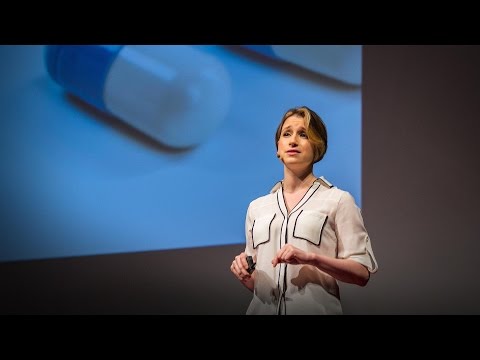
【TED】Rebecca Brachman: Could a drug prevent depression and PTSD? (Could a drug prevent depression and PTSD? | Rebecca Brachman)
0
Bảo Châu posted on 2017/01/14Ever wonder if we could prevent depression and PTSD before they even start? This fascinating TED talk dives into the science behind stress resilience, exploring how drugs like ketamine and even repurposed medications could offer new hope. You'll pick up advanced vocabulary related to neuroscience and mental health while learning about groundbreaking research!
Learn this video on the APP!
The VoiceTube App has more in-depth practice for videos!