
achieve
US /əˈtʃiv/
UK /ə'tʃi:v/
- Transitive Verb
- To succeed in doing good, usually by working hard
- To succeed in reaching a particular goal, status, or standard, often after effort or perseverance.
A2TOEICMoreactivate
US /ˈæktəˌvet/
UK /ˈæktɪveɪt/
- Transitive Verb
- To cause to happen; cause a chemical reaction
- To make something start working
B1Moreanalysis
US /əˈnælɪsɪs/
UK /əˈnæləsɪs/
- Uncountable Noun
- Careful study to better understand something
B1TOEICMoreautonomous
US /ɔ:ˈtɑ:nəməs/
UK /ɔ:ˈtɒnəməs/
- Adjective
- Able to control or decide matters by itself
B2Moreaversion
US /əˈvɜ:rʒn/
UK /əˈvɜ:ʃn/
- Noun (Countable/Uncountable)
- Strong feeling of dislike
B2TOEICMorecivilian
US /sɪˈvɪljən/
UK /sə'vɪlɪən/
- Countable Noun
- Ordinary person who is not in the army
- Adjective
- Relating to civilians; not military.
B2Moreclip
US /klɪp/
UK /klɪp/
- Countable Noun
- A metal holder used for keeping things together
- Brief part of a television show or movie
- Transitive Verb
- To attach things together using a metal pin
- To cut a small section or piece out from something
B1Morecollaborate
US /kəˈlæbəˌret/
UK /kəˈlæbəreɪt/
- Verb (Transitive/Intransitive)
- To cooperate with or help an enemy
- To work together to complete a task
B1Morecollateral
US /kəˈlætərəl/
UK /kəˈlætərəl/
- Uncountable Noun
- Property you offer as security against a loan
C1Morecollision
US /kəˈlɪʒən/
UK /kəˈlɪʒn/
- Noun
- Act of crashing into someone or something else
- A clash of opposing ideas or interests.
B2Morecomplex
US /kəmˈplɛks, ˈkɑmˌplɛks/
UK /'kɒmpleks/
- Countable Noun
- Group of buildings all used for the same purpose
- Adjective
- Not being simple; having many parts or aspects
A2Morecondemn
US /kənˈdɛm/
UK /kənˈdem/
- Transitive Verb
- To say that (a building) is too unsafe to be used
- To state strongly that person, thing is bad, wrong
B1Moreconflict
US /ˈkɑnˌflɪkt/
UK /'kɒnflɪkt/
- Noun (Countable/Uncountable)
- Argument or struggle between two or more parties
- A serious disagreement or argument.
- Verb (Transitive/Intransitive)
- To have opposite ideas; to disagree; To not match
A2Moreconscious
US /ˈkɑnʃəs/
UK /ˈkɒnʃəs/
- Adjective
- Aware of what is going on around you
- Intentionally done; deliberate.
A2Moreconsistent
US /kənˈsɪstənt/
UK /kənˈsɪstənt/
- Adjective
- Agreeing with or being similar to another part
- In agreement; reliable
A2Morecriticize
US /ˈkrɪtɪˌsaɪz/
UK /ˈkrɪtɪsaɪz/
- Transitive Verb
- To assess the work of others
- To say that someone or something is bad
B1Moredeliberately
US /dɪˈlɪbərɪtlɪ/
UK /dɪˈlɪbərətli/
- Adverb
- In a careful, considered manner; on purpose
- Purposely; on purpose
B2TOEICMoredepend
US /dɪˈpend/
UK /dɪˈpend/
- Verb (Transitive/Intransitive)
- Be controlled or determined by (someone/something)
- To rely on someone or something for support, help, or existence.
B1TOEICMoredilemma
US /dɪˈlɛmə/
UK /dɪ'lemə/
- Noun
- Position in which you must make difficult choices
- An argument forcing an opponent to choose between two unfavorable alternatives.
B1Moredivert
US /daɪˈvɜ:rt/
UK /daɪˈvɜ:t/
- Transitive Verb
- To attract someone's attention from something
- To redirect something, such as a river or road
B2TOEICMoreemotional
US /ɪˈmoʃənəl/
UK /ɪˈməʊʃənl/
- Adjective
- Causing, feeling, or appealing to the emotions
- Relating to or characterized by emotion
A2Moreescape
US /ɪˈskep/
UK /ɪ'skeɪp/
- Noun (Countable/Uncountable)
- Act to briefly ignoring boring or bad things
- The 'esc key' on a keyboard
- Verb (Transitive/Intransitive)
- To avoid something undesirable, dangerous or bad
- To get away from a place where you are being kept
A2Moreethical
US /ˈɛθɪkəl/
UK /ˈeθɪkl/
- Adjective
- Morally right; following principles of goodness
B1Moreexperiment
US /ɪkˈspɛrəmənt/
UK /ɪk'sperɪmənt/
- Noun (Countable/Uncountable)
- Test performed to assess new ideas or theories
- A course of action tentatively adopted without being sure of the eventual outcome.
- Verb (Transitive/Intransitive)
- To create and perform tests to research something
- To try something new that you haven't tried before
A2TOEICMoreflip
US /flɪp/
UK /flɪp/
- Verb (Transitive/Intransitive)
- To turn your body in the air, as in gymnastics
- To move into a different position quickly
- Noun
- Act of turning your body in the air; somersault
- Movement of something from one position to another
B2Morefor example
US
UK
- Phrase
- As an illustration or instance.
goes to show
US
UK
- Phrase
- To demonstrate or prove something.
A1Morehave to
US /hæv tu/
UK /ˈhæv tə/
- Auxiliary Verb
- Must do
A1Morehypothetical
US /ˌhaɪpəˈθɛtɪkəl/
UK /ˌhaɪpəˈθetɪkl/
- Adjective
- Thought up, as an example; not being a real case
- Of the nature of a hypothesis; conjectural; provisional.
- Noun
- A hypothetical example or case.
- A hypothetical situation or scenario.
B2Morein advance
US /ɪn ædˈvæns/
UK /in ədˈvɑ:ns/
- Phrase
- Ahead of time; before something happens
- Noun
- A payment made before it is due, especially for work to be done
A2Moreinternal
US /ɪnˈtɚnəl/
UK /inˈtə:nəl/
- Adjective
- Being or happening in the body
- Being, happening in a country, state, organization
B1TOEICMoreintersection
US /ˌɪntɚˈsɛkʃən/
UK /ˌɪntə'sekʃn/
- Noun (Countable/Uncountable)
- Place where two things cross
- A point or line common to two or more lines or surfaces that cross or meet.
B2Moremilitary
US /ˈmɪlɪˌtɛri/
UK /'mɪlətrɪ/
- Noun
- Army or armed forces
- Adjective
- Concerning the army or navy
B1Morenext to
US /nɛkst tu/
UK /nekst tu:/
- Preposition
- Being located along side another
- In comparison with
- Adverb
- Almost; nearly
A1Morenumber of people
US /ˈnʌmbɚ ʌv ˈpipəl/
UK /ˈnʌmbə ɔv ˈpi:pl/
- Phrase
- The total count of individuals within a group or gathering.
- A statistical figure representing the population size or a subset thereof.
A1Moreother than
US
UK
- Preposition
- Except for; apart from.
- Conjunction
- Different from.
A1Moreoutweigh
US /aʊtˈwe/
UK /ˌaʊtˈweɪ/
- Transitive Verb
- To be greater than in value or importance
B2Morephilosopher
US /fɪˈlɑsəfɚ/
UK /fəˈlɒsəfə(r)/
- Noun (Countable/Uncountable)
- Person studying the meaning of truth and life
- A person who is calm and wise; someone who lives by philosophical principles.
C1Morephilosophical
US /ˌfɪləˈsɑ:fɪkl/
UK /ˌfɪləˈsɒfɪkl/
- Adjective
- Reacting calmly/reasonably if things are difficult
- Concerning philosophy
C1TOEICMorepremise
US /ˈprɛmɪs/
UK /'premɪs/
- Noun (Countable/Uncountable)
- Foundation idea in an argument/discussion
- A previous statement or proposition from which another is inferred or follows as a conclusion.
- Transitive Verb
- To base your argument on
- State or assume as a premise.
B1TOEICMoreprevent
US /prɪˈvɛnt/
UK /prɪ'vent/
- Transitive Verb
- To stop something from happening or existing
A2TOEICMoreprocess
US /ˈprɑsˌɛs, ˈproˌsɛs/
UK /prə'ses/
- Transitive Verb
- To organize and use data in a computer
- To deal with official forms in the way required
- Noun (Countable/Uncountable)
- Dealing with official forms in the way required
- Set of changes that occur slowly and naturally
A2TOEICMorepsychology
US /saɪˈkɑlədʒi/
UK /saɪ'kɒlədʒɪ/
- Uncountable Noun
- The study of the mind and how it affects behavior
- Way in which a person or group thinks and behaves
C2Morereality
US /riˈælɪti/
UK /rɪ'ælətɪ/
- Noun (Countable/Uncountable)
- What is true, as opposed to what is imagined
- The state of things as they actually exist, rather than as they may appear or might be imagined.
A2Moreresearch
US /rɪˈsɚtʃ, ˈriˌsɚtʃ/
UK /rɪ'sɜ:tʃ/
- Verb (Transitive/Intransitive)
- To study in order to discover new ideas and facts
- To study the market relating to marketing products and services.
- Noun (Countable/Uncountable)
- Study done to discover new ideas and facts
- A particular area or topic of study.
A2TOEICMorereveal
US /rɪˈvil/
UK /rɪ'vi:l/
- Transitive Verb
- To show something that was hidden before
A2TOEICMorerunaway
US /ˈrʌnəˌwe/
UK /ˈrʌnəweɪ/
- Adjective
- (Of a victory) easy; hardly contested
- Unhappy child who runs away from home
- Noun
- Unhappy child who runs away from home
C2Moresacrifice
US /ˈsækrəˌfaɪs/
UK /'sækrɪfaɪs/
- Noun
- Person/animal killed in a sacrifice (to a god)
- Person/animal killed to please a god
- Transitive Verb
- To kill an animal or human to please a god
- To give up your life for others, for a cause etc.
B1Morethink about
US /θɪŋk əˈbaʊt/
UK /θiŋk əˈbaut/
- Phrasal Verb
- To consider something carefully.
- To remember or call to mind.
A1Moreto death
US /tu dɛθ/
UK /tu: deθ/
- Phrase
- Extremely; to a great degree
- Until death
B1Moretrack
US /træk/
UK /træk/
- Transitive Verb
- To use marks to follow a wild animal
- To move a certain way/follow a particular course
- Noun
- A circular course for running
- Course or way someone takes, e.g. in education
A2TOEICMoretrolley
US /ˈtrɑ:li/
UK /ˈtrɒli/
- Noun (Countable/Uncountable)
- Cart with wheels, e.g. in a supermarket or airport
B2Moreunrealistic
US /ˌʌnri:əˈlɪstɪk/
UK /ˌʌnrɪəˈlɪstɪk/
- Adjective
- Not seeing or interpreting things as they are
B1Moreutilitarian
US /juˌtɪlɪˈtɛriən/
UK /ˌju:tɪlɪˈteəriən/
- Adjective
- Intended to be useful; plain; practical
- Noun
- One thinking that worth comes from usefulness
B2Moreversion
US /ˈvɚʒən, -ʃən/
UK /ˈvə:ʃən/
- Noun
- Different way that someone interprets something
- New or different form of something
A2TOEICMorevirtual
US /ˈvɚtʃuəl/
UK /ˈvɜ:tʃuəl/
- Adjective
- Existing only on the internet or on a computer
- Existing only in a digital world
B1TOEICMorewind up
US //ˈwaɪndˌʌp//
UK //ˈwaɪndˌʌp//
- Phrasal Verb
- To be brought to a state of great tension
- To close or finalize something
- Verb (Transitive/Intransitive)
- To arrive or end up in a particular state, situation, or place, especially unintentionally.
- To bring something to an end; to conclude or finish something.
A1More
Vocabulary
- next to: Being located along side another
- for example: As an illustration or instance.
- have to: Must do
- wind up: To be brought to a state of great tension
- think about: To consider something carefully.
- number of people: The total count of individuals within a group or gathering.
- to death: Extremely; to a great degree
- other than: Except for; apart from.
- in advance: Ahead of time; before something happens
- goes to show: To demonstrate or prove something.
- conscious: Aware of what is going on around you
- process: To organize and use data in a computer
- reveal: To show something that was hidden before
- deliberately: In a careful, considered manner; on purpose
- flip: To turn your body in the air, as in gymnastics
- conflict: Argument or struggle between two or more parties
- consistent: Agreeing with or being similar to another part
- experiment: Test performed to assess new ideas or theories
- achieve: To succeed in doing good, usually by working hard
- emotional: Causing, feeling, or appealing to the emotions
- hypothetical: Thought up, as an example; not being a real case
- complex: Group of buildings all used for the same purpose
- psychology: The study of the mind and how it affects behavior
- track: To use marks to follow a wild animal
- version: Different way that someone interprets something
- research: To study in order to discover new ideas and facts
- reality: What is true, as opposed to what is imagined
- sacrifice: Person/animal killed in a sacrifice (to a god)
- prevent: To stop something from happening or existing
- military: Army or armed forces
- escape: Act to briefly ignoring boring or bad things
- brain: To strike someone forcefully on the head
- dilemma: Position in which you must make difficult choices
- address: Exact street location of a place
- virtual: Existing only on the internet or on a computer
- decision: Choice made after thinking; final judgment
- risk: To do something potentially dangerous or foolish
- autonomous: Able to control or decide matters by itself
- clip: A metal holder used for keeping things together
- internal: Being or happening in the body
- criticize: To assess the work of others
- unrealistic: Not seeing or interpreting things as they are
- ethical: Morally right; following principles of goodness
- intersection: Place where two things cross
- collision: Act of crashing into someone or something else
- activate: To cause to happen; cause a chemical reaction
- activity: An action or task, e.g. sports, washing clothes
- condemn: To say that (a building) is too unsafe to be used
- depend: Be controlled or determined by (someone/something)
- premise: Foundation idea in an argument/discussion
- analysis: Careful study to better understand something
- collaborate: To cooperate with or help an enemy
- philosopher: Person studying the meaning of truth and life
- philosophical: Reacting calmly/reasonably if things are difficult
- civilian: Ordinary person who is not in the army
- allow: To admit the validity or truth of something
- accident: Sudden unplanned event causing damage, injury etc.
- argue: To fight or disagree over something
- stand: To be a candidate in an election
- aversion: Strong feeling of dislike
- wrong: Action that is harmful, unjust or illegal
- outweigh: To be greater than in value or importance
- great: Very good; better than before
- trolley: Cart with wheels, e.g. in a supermarket or airport
- person: Man, woman or child
- make: To arrange or prepare something e.g. dinner
- wind: A current of air moving approximately horizontally, especially one strong enough to be felt
- life: All the living things e.g. animals, plants, humans
- divert: To attract someone's attention from something
- utilitarian: Intended to be useful; plain; practical
- collateral: Property you offer as security against a loan
- runaway: (Of a victory) easy; hardly contested
Get the full experience in the app
Learn anywhere with detailed sentence and usage analysis
01:03
She took a brave step forward, leaving behind her comfort zone to chase her dreams.
Vocabulary
- brave
adj. Having courage
- comfort zone
phr. A familiar situation where one feels safe
Explanation
a brave step is a noun phrase, where brave is an adjective modifying the noun step, meaning "a courageous step".
forward is an adverb modifying step, meaning "ahead".
The whole phrase serves as the object, answering the "what" of took (verb) — she took a brave step forward.
Get the full experience in the app
Look up words anytime with pronunciation, part of speech, and usage
brave
US/brev/
UK/breɪv/
adj.Brave
v.t.To bravely face
A2 Elementary
Get the full experience in the app
Practice speaking anytime and get instant pronunciation feedback
Try this speaking exercise.
Try practicing with this sentence.
80
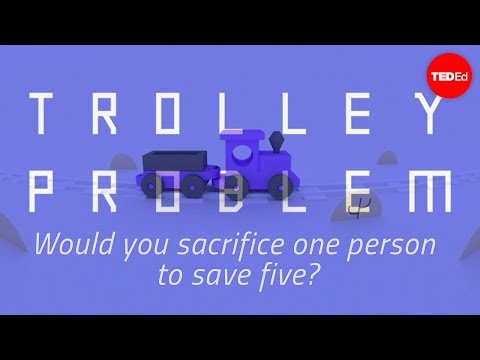
Would you sacrifice one person to save five? - Eleanor Nelsen
0
Sabrina Hsu posted on 2022/07/10Ever wondered if you'd pull the lever to save five lives at the cost of one? This fascinating video dives deep into the famous 'trolley problem,' exploring the complex ethical dilemmas and moral psychology behind such tough choices. You'll pick up advanced vocabulary related to philosophy and ethics while pondering these thought-provoking scenarios!
Learn this video on the APP!
The VoiceTube App has more in-depth practice for videos!