
abundant
US /əˈbʌndənt/
UK /əˈbʌndənt/
- Adjective
- Being in very great supply; plentiful
B2TOEICMoreabundant in
US
UK
- Adjective
- Present in great quantity; plentiful in.
- Well-supplied with something.
after all
US /ˈæftɚ ɔl/
UK /ˈɑ:ftə ɔ:l/
- Adverb
- In spite of what was expected; used to introduce a statement that supports a previous statement or explains why it was made
- Considering everything; used to indicate that something is happening or is true despite some difficulty or obstacle
- Phrase
- Despite what was expected or thought; in spite of everything.
- Taking everything into consideration; considering that.
B1Morealong with
US /əˈlɔŋ wɪð/
UK /əˈlɔŋ wið/
- Preposition
- In addition to; together with.
- Adverb
- In company or together with someone or something.
- Including; in addition to.
A2Moreapproximately
US /əˈprɑksəmɪtlɪ/
UK /əˈprɒksɪmətli/
- Adverb
- Around; nearly; almost; about (a number)
A2TOEICMoreasap
US
UK
- Adverb
- Shortened form of 'As soon as possible'
C2Moreaudible
US /ˈɔdəbəl/
UK /ˈɔ:dəbl/
- Adjective
- Capable of being heard; loud enough to be heard
B2Moreauditory
US /ˈɔ:dətɔ:ri/
UK /ˈɔ:dətri/
- Adjective
- Of the process of hearing
B2Morebacteria
US /bækˈtɪriə/
UK /bæk'tɪərɪə/
- Noun (plural)
- The very small creatures that can cause disease
B2Morebased on
US
UK
- Phrasal Verb
- To use something as the foundation or starting point for something else.
- Preposition
- Using something as the main idea or foundation.
- Relying on something as evidence or justification.
A1Morebc
US
UK
- Abbreviation
- Before Christ; used after dates/years
C1Morecannabis
US /ˈkænəbɪs/
UK /'kænəbɪs/
- Noun (Countable/Uncountable)
- Type of plant that is a drug when smoked
- A drug, also known as marijuana, that is made from the dried leaves and flowers of the Cannabis plant, often used for recreational or medicinal purposes.
C1Morecellphone
US /ˈselfoʊn/
UK /ˈselfəʊn/
- Countable Noun
- Phone you can take with you everywhere
C2Morecognition
US /kɑ:gˈnɪʃn/
UK /kɒgˈnɪʃn/
- Uncountable Noun
- Recognition involved in thought processing
C1Morecombination
US /ˌkɑmbəˈneʃən/
UK /ˌkɒmbɪ'neɪʃn/
- Noun
- Series of letters or numbers needed to open a lock
- Act or result of mixing things together
B1Morecomplement
US /ˈkɑ:mplɪment/
UK /ˈkɒmplɪment/
- Transitive Verb
- To go with so as to make the whole complete
- To combine genetically to produce a normal phenotype.
- Noun
- (Linguistics) set of words completing a sentence
- Something needed to complete or make perfect
B1Morecomponent
US /kəmˈponənt/
UK /kəmˈpəʊnənt/
- Noun (Countable/Uncountable)
- One of the parts that something is made up of
- A constituent part; ingredient.
- Adjective
- Being a part of something
A2Morecondition
US /kənˈdɪʃən/
UK /kənˈdɪʃn/
- Transitive Verb
- To improve something to make it better
- To cause to behave automatically in a certain way
- Noun (Countable/Uncountable)
- Disease or other medical problem
- The state of living you are in, e.g. good health
A2Moreconsciousness
US /ˈkɑnʃəsnɪs/
UK /'kɒnʃəsnəs/
- Uncountable Noun
- Process by which thoughts, ideas are processed
- A person's awareness or perception of something.
A2Moreconspiracy
US /kənˈspɪrəsi/
UK /kən'spɪrəsɪ/
- Noun
- Plan made in secret to do something illegal
B2Morecontribute
US /kənˈtrɪbjut/
UK /kən'trɪbju:t/
- Verb (Transitive/Intransitive)
- To be a factor in causing something to happen
- To donate, give (money) or help to something
A2Morecut away
US /kʌt əˈwe/
UK /kʌt əˈwei/
- Phrasal Verb
- To do something different, as to change direction
A1Morecut down
US /kʌt daʊn/
UK /kʌt daun/
- Phrasal Verb
- To reduce your use of something
- To fell a tree.
A1Moredepression
US /dɪˈprɛʃən/
UK /dɪ'preʃn/
- Noun (Countable/Uncountable)
- Medical condition of a lack of vitality
- Period of unemployment and low economic activity
B2Morediagnosis
US /ˌdaɪəgˈnoʊsɪs/
UK /ˌdaɪəgˈnəʊsɪs/
- Noun (plural)
- Judgments by a doctor about a person's illness
- Noun
- The identification of a disease or condition.
B1Moredialogue
US /ˈdaɪəˌlɔɡ, -ˌlɑɡ/
UK /'daɪəlɒɡ/
- Noun (Countable/Uncountable)
- Conversation between two or more individuals
- A discussion or series of discussions between people or groups, especially ones aimed at resolving a problem.
B1Moredisease
US /dɪˈziz/
UK /dɪˈzi:z/
- Noun (Countable/Uncountable)
- Illness that affects a person, animal, or plant
- A disorder of structure or function in a plant, especially one caused by a pathogen.
- Transitive Verb
- To affect with disease; to corrupt or sicken.
A2TOEICMoredisorder
US /dɪsˈɔrdɚ/
UK /dɪs'ɔ:də(r)/
- Uncountable Noun
- State of confusion or a lack of organization
- Illness when the body is not functioning well
- Transitive Verb
- To disrupt the order or arrangement of something.
B2Moreexaggerate
US /ɪgˈzædʒəreɪt/
UK /ɪgˈzædʒəreɪt/
- Verb (Transitive/Intransitive)
- To makes things seem more extreme than reality
- To speak or write about something in a way that overemphasizes or magnifies its qualities.
B1TOEICMorefor example
US
UK
- Phrase
- As an illustration or instance.
function
US /ˈfʌŋkʃən/
UK /'fʌŋkʃn/
- Noun
- Social event, or party such as a wedding
- Mathematical operation used in calculations
- Intransitive Verb
- To serve a certain purpose or role
- To be operating, working or achieving its purpose
A2TOEICMoregene
US /dʒin/
UK /dʒi:n/
- Noun
- Part of cell controlling development of a thing
B1Moregenetic
US /dʒəˈnɛtɪk/
UK /dʒəˈnetɪk/
- Adjective
- Of, relating to, or controlled by genes
- Relating to genes or heredity.
B1Moreglucose
US /ˈɡluˌkos/
UK /'ɡlu:kəʊs/
- Uncountable Noun
- Natural type of sugar found in fruits and plants
- The concentration of glucose in the blood, often measured to monitor metabolic health.
C1Moregut
US /ɡʌt/
UK /ɡʌt/
- Transitive Verb
- To destroy the inside of a building , e.g. by fire
- To remove the internal parts of an animal or fish
- Noun (Countable/Uncountable)
- Stomach and internal organs of digestion
B1Morehemisphere
US /ˈhɛmɪˌsfɪr/
UK /ˈhemɪsfɪə(r)/
- Noun (Countable/Uncountable)
- One half of a rounded, ball-like object
- One of the two masses forming the brain
B2Morehostile
US /ˈhɑstəl, -ˌtaɪl/
UK /ˈhɔstail/
- Adjective
- Unwelcoming; showing ill will, as to an enemy
- Very difficult to live due to harsh conditions
B1Moreimmune
US /ɪˈmjoon/
UK /ɪˈmju:n/
- Adjective
- Having a special protection from, e.g. the law
- Protected against a particular disease or condition because of antibodies or vaccination.
B1Moreinvolve
US /ɪnˈvɑlv/
UK /ɪn'vɒlv/
- Transitive Verb
- To have or be included as a part of something
- To cause (a person or group) to take part in an event or activity.
A2TOEICMoremassive
US /ˈmæsɪv/
UK /ˈmæsɪv/
- Adjective
- Very big; large; too big
- Large or imposing in scale or scope.
B1Moremedication
US /ˌmɛdɪˈkeʃən/
UK /ˌmedɪˈkeɪʃn/
- Noun (Countable/Uncountable)
- Substance to relieve pain or cure sickness
B2Moremental
US /ˈmɛntl/
UK /ˈmentl/
- Adjective
- Concerning the mind
A2TOEICMoreminority
US /məˈnɔrɪti, -ˈnɑr-, maɪ-/
UK /maɪ'nɒrətɪ/
- Noun (Countable/Uncountable)
- Group that is smaller and different from the rest
- Part that is less than half the whole; small part
- Adjective
- Being part of a smaller group within a larger one.
B1TOEICMoreof course
US /ʌv kɔː(r)s/
UK /ɔv kɔː(r)s/
- Adverb
- Sure ; Certainly
- Phrase
- For sure; certainly
A2Moreon the go
US /ɑn ði ɡo/
UK /ɔn ðə ɡəu/
- Adjective
- Very busy and active.
A1Moreperceive
US /pɚˈsiv/
UK /pə'si:v/
- Transitive Verb
- To notice or become aware of something
- To think of someone or something in a certain way
B1TOEICMoreprevalence
US /ˈprɛvələns/
UK /'prevələns/
- Uncountable Noun
- Fact of being widespread or common
B2Moreprune
US /prun/
UK /pru:n/
- Countable Noun
- A dried plum
- Transitive Verb
- To cut off branches of trees to aid better growth
B2TOEICMorepsychologist
US /saɪˈkɑlədʒɪst/
UK /saɪˈkɒlədʒɪst/
- Noun (Countable/Uncountable)
- An expert who studies the mind and behavior
- A therapist specializing in mental health.
C2Morepsychotic
US /saɪˈkɑ:tɪk/
UK /saɪˈkɒtɪk/
- Adjective
- Concerning or affected by psychosis; unbalanced
- Noun
- Person afflicted with psychosis
B2Morerecognize
US /ˈrek.əɡ.naɪz/
UK /ˈrek.əɡ.naɪz/
- Transitive Verb
- To accept the truth or reality of something
- To consider something as important or special
A2TOEICMoreresearch
US /rɪˈsɚtʃ, ˈriˌsɚtʃ/
UK /rɪ'sɜ:tʃ/
- Verb (Transitive/Intransitive)
- To study in order to discover new ideas and facts
- To study the market relating to marketing products and services.
- Noun (Countable/Uncountable)
- Study done to discover new ideas and facts
- A particular area or topic of study.
A2TOEICMoreresponse
US /rɪˈspɑns/
UK /riˈspɔns/
- Noun
- Something said/written as an answer to something
- Reaction to something that has occurred
A2TOEICMorerevert
US /rɪˈvɜ:rt/
UK /rɪˈvɜ:t/
- Intransitive Verb
- To return to the original owner again
B1Moresignificantly
US /sɪɡˈnɪfəkəntlɪ/
UK /sɪgˈnɪfɪkəntli/
- Adverb
- In a way that is important or noticeable
- In a way that is meaningful
A2Morestigma
US /ˈstɪɡmə/
UK /'stɪɡmə/
- Noun
- Mark of shame or disgrace
B2TOEICMoresuch as
US /sʌtʃ æz/
UK /sʌtʃ æz/
- Preposition
- For example; like
A1Moresynaptic
US /sɪ'næptɪk/
UK /sɪ'næptɪk/
- Adjective
- Concerning or involving synapses
C2Morethanks to
US /θæŋks tu/
UK /θæŋks tu:/
- Preposition
- Because of; as a result of.
A1Moretheory
US /ˈθiəri, ˈθɪri/
UK /ˈθiəri/
- Noun (Countable/Uncountable)
- Ideas or principles that explain facts or events
- An idea or belief about something
A2TOEICMoretrauma
US /ˈtraʊmə/
UK /'trɔ:mə/
- Noun (Countable/Uncountable)
- A very severe or upsetting experience
- Serious injury to part of the body
B2Moretrial
US /ˈtraɪəl, traɪl/
UK /ˈtraɪəl/
- Noun (Countable/Uncountable)
- Hearing and judgment of a case in court
- Act or process of testing or experimenting
- Transitive Verb
- To be made or done as a test or experiment
A2TOEICMoretrim
US /trɪm/
UK /trɪm/
- Transitive Verb
- To cut (hair, etc.) to make it neater/shorter
B2Moreundergo
US /ˌʌndərˈgoʊ/
UK /ˌʌndəˈgəʊ/
- Verb (Transitive/Intransitive)
- To experience or endure something (bad)
- To experience a change or transformation.
B1More
Vocabulary
- such as: For example; like
- cut away: To do something different, as to change direction
- for example: As an illustration or instance.
- cut down: To reduce your use of something
- after all: In spite of what was expected; used to introduce a statement that supports a previous statement or explains why it was made
- abundant in: Present in great quantity; plentiful in.
- based on: To use something as the foundation or starting point for something else.
- along with: In addition to; together with.
- of course: Sure ; Certainly
- thanks to: Because of; as a result of.
- on the go: Very busy and active.
- perceive: To notice or become aware of something
- massive: Very big; large; too big
- exaggerate: To makes things seem more extreme than reality
- mental: Concerning the mind
- recognize: To accept the truth or reality of something
- immune: Having a special protection from, e.g. the law
- depression: Medical condition of a lack of vitality
- trauma: A very severe or upsetting experience
- disorder: State of confusion or a lack of organization
- realize: To become aware of or understand mentally
- stigma: Mark of shame or disgrace
- disease: Illness that affects a person, animal, or plant
- combination: Series of letters or numbers needed to open a lock
- trial: Hearing and judgment of a case in court
- psychologist: An expert who studies the mind and behavior
- contribute: To be a factor in causing something to happen
- gut: To destroy the inside of a building , e.g. by fire
- bacteria: The very small creatures that can cause disease
- significantly: In a way that is important or noticeable
- component: One of the parts that something is made up of
- brain: To strike someone forcefully on the head
- function: Social event, or party such as a wedding
- condition: To improve something to make it better
- approximately: Around; nearly; almost; about (a number)
- state: Region within a country, with its own government
- theory: Ideas or principles that explain facts or events
- consciousness: Process by which thoughts, ideas are processed
- response: Something said/written as an answer to something
- research: To study in order to discover new ideas and facts
- involve: To have or be included as a part of something
- minority: Group that is smaller and different from the rest
- behavior: The way a person or thing acts; manner
- dialogue: Conversation between two or more individuals
- nervous: Concerning the system of nerves in the body
- genetic: Of, relating to, or controlled by genes
- hemisphere: One half of a rounded, ball-like object
- conspiracy: Plan made in secret to do something illegal
- glucose: Natural type of sugar found in fruits and plants
- belief: Being sure that something exists or is true
- abundant: Being in very great supply; plentiful
- auditory: Of the process of hearing
- hostile: Unwelcoming; showing ill will, as to an enemy
- support: To give assistance or advice to someone
- audible: Capable of being heard; loud enough to be heard
- medication: Substance to relieve pain or cure sickness
- complement: To go with so as to make the whole complete
- diagnosis: Judgments by a doctor about a person's illness
- undergo: To experience or endure something (bad)
- revert: To return to the original owner again
- prevalence: Fact of being widespread or common
- gene: Part of cell controlling development of a thing
- trim: To cut (hair, etc.) to make it neater/shorter
- cognition: Recognition involved in thought processing
- psychotic: Concerning or affected by psychosis; unbalanced
- hear: To be aware of sound; to perceive with the ear
- schizophrenia: Any of several psychotic disorders characterized by distortions of reality and disturbances of thought and language and withdrawal from social contact
- report: Account of the necessary facts and information
- study: To focus on learning something usually at school
- prune: A dried plum
- people: Persons sharing culture, country, background, etc.
- health: (Person, company) being in a good condition; well
- lipid: Fatty substance forming structure of living cells
- cut: Act/instance of reducing the size or amount of
- cannabis: Type of plant that is a drug when smoked
- synaptic: Concerning or involving synapses
- asap: Shortened form of 'As soon as possible'
- cellphone: Phone you can take with you everywhere
- bc: Before Christ; used after dates/years
Get the full experience in the app
Learn anywhere with detailed sentence and usage analysis
01:03
She took a brave step forward, leaving behind her comfort zone to chase her dreams.
Vocabulary
- brave
adj. Having courage
- comfort zone
phr. A familiar situation where one feels safe
Explanation
a brave step is a noun phrase, where brave is an adjective modifying the noun step, meaning "a courageous step".
forward is an adverb modifying step, meaning "ahead".
The whole phrase serves as the object, answering the "what" of took (verb) — she took a brave step forward.
Get the full experience in the app
Look up words anytime with pronunciation, part of speech, and usage
brave
US/brev/
UK/breɪv/
adj.Brave
v.t.To bravely face
A2 Elementary
Get the full experience in the app
Practice speaking anytime and get instant pronunciation feedback
Try this speaking exercise.
Try practicing with this sentence.
80
0
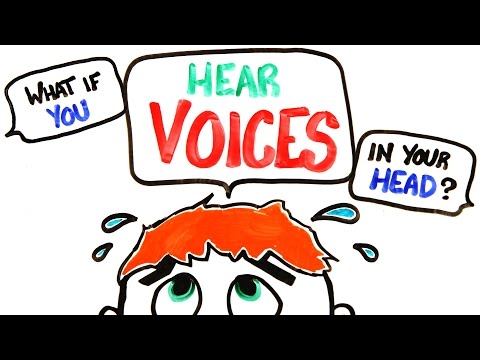
韓澐 posted on 2016/12/28Ever wondered about those voices some people hear? This video dives deep into schizophrenia, exploring auditory hallucinations, the fascinating C4 gene, and the crucial topic of mental health stigma. You'll pick up advanced vocabulary and gain a richer cultural understanding while exploring complex ideas!
Learn this video on the APP!
The VoiceTube App has more in-depth practice for videos!