
amuse
US /əˈmjuz/
UK /ə'mju:z/
- Transitive Verb
- To make someone laugh by entertaining them
B2Moreannoying
US /əˈnɔɪɪŋ/
UK /əˈnɔɪɪŋ/
- Transitive Verb
- To make someone angry
- Adjective
- A little angry; upset
B1TOEICMoreas anything
US /əz ˈɛnɪθɪŋ/
UK /əz ˈeniθɪŋ/
- other
- Used to emphasize intensity or degree of a quality or action.
B2Moreas soon as
US /æz sun æz/
UK /æz su:n æz/
- Phrase
- In a short time after (something happens)
- Without any delay; immediately
- Conjunction
- At the moment that, or immediately after.
A1Moreaside from
US /əˈsaɪd frʌm/
UK /əˈsaid frɔm/
- Phrase
A1Moreassignment
US /əˈsaɪnmənt/
UK /ə'saɪnmənt/
- Noun
- Task you are given to do (as in the armed forces)
- A homework task or report
A2TOEICMoreassumption
US /əˈsʌmpʃən/
UK /ə'sʌmpʃn/
- Noun (Countable/Uncountable)
- Something you believe to be so, but aren't sure of
A2Moreauthoritative
US /əˈθɔ:rəteɪtɪv/
UK /ɔ:ˈθɒrətətɪv/
- Adjective
- Being or from a knowledgeable or reliable source
B2Morecapable
US /ˈkepəbəl/
UK /'keɪpəbl/
- Adjective
- Being able to do something very well; proficient
- Having the ability, fitness, or quality necessary to do or achieve a specified thing.
A2Morecompetition
US /ˌkɑmpɪˈtɪʃən/
UK /ˌkɒmpəˈtɪʃn/
- Noun (Countable/Uncountable)
- Fighting against others to win something
- A situation in which people or organizations compete with each other for something that not everyone can have.
A2Morecompetitive
US /kəmˈpɛtɪtɪv/
UK /kəmˈpetətɪv/
- Adjective
- Being strongly driven to win or be better than
- As good as or better than others.
B1Morededication
US /ˌdɛdɪˈkeʃən/
UK /ˌdedɪ'keɪʃn/
- Noun
- Addressing book, song to someone to show respect
- Commitment to work hard for something important
B1TOEICMoredichotomy
US /daɪˈkɑtəmi/
UK /daɪ'kɒtəmɪ/
- Noun
- Difference between two completely opposite ideas
C1Moredo without
US
UK
- Phrasal Verb
- To manage without having or doing something
A1Moredull
US /dʌl/
UK /dʌl/
- Adjective
- Not exciting or interesting; boring; lifeless
- Being dim, not so bright and hard to see
- Transitive Verb
- To cause a thing to become less sharp/less bright
A2Moreembed
US /ɛmˈbɛd/
UK /ɪm'bed/
- Transitive Verb
- To place or set inside rock, etc.
- To integrate (something) into something else.
B2Moreemerge
US /ɪˈmɚdʒ/
UK /ɪ'mɜ:dʒ/
- Intransitive Verb
- To rise or appear out of some background
- To become known or apparent.
A2TOEICMoreessay
US /ˈɛsˌe, ɛˈse/
UK /'eseɪ/
- Noun (Countable/Uncountable)
- Short piece of written opinion on a subject
- A test of the quality of a metal or ore.
- Verb (Transitive/Intransitive)
- To attempt or try.
- To test or evaluate the quality of something.
B1Moreextent
US /ɪkˈstɛnt/
UK /ɪkˈstent/
- Noun (Countable/Uncountable)
- Point, level or limit to which something reaches
- Range or space included in something
A2TOEICMoreextraordinary
US /ɪkˈstrɔ:rdəneri/
UK /ɪkˈstrɔ:dnri/
- Adjective
- Beyond what is ordinary; very unusual; remarkable
- Additional to or different from what is usual or regular.
B1TOEICMorefold
US /fold/
UK /fəʊld/
- Transitive Verb
- To bend one part of something against another
- (Of business) to fail or close down
- Countable Noun
- Pen where sheep are kept
- Group of people who have a common belief
B1TOEICMorefrustrating
US /frʌˈstretɪŋ/
UK /frʌˈstreɪtɪŋ/
- Transitive Verb
- To make annoyed because things don't go well
- To prevent (someone) from accomplishing something.
- Adjective
- Annoying because things don't go the way you want
- Serving to frustrate.
B1Moregive up
US /ɡɪv ʌp/
UK /ɡiv ʌp/
- Phrasal Verb
- To lose hope or admit defeat
- To decide to not start to try solving a problem
A1Morego on
US /ɡo ɑn/
UK /ɡəu ɔn/
- Phrasal Verb
- To continue doing something
- To happen (usually negative)
- Interjection
- Used to encourage someone
A1Moreguarantee
US /ˌɡærənˈti/
UK /ˌɡærən'ti:/
- Transitive Verb
- To promise to repair a broken product
- To promise that something will happen or be done
- Countable Noun
- A promise to repair a broken product
- Promise that something will be done as expected
A2TOEICMorehave to
US /hæv tu/
UK /ˈhæv tə/
- Auxiliary Verb
- Must do
A1Morehomework
US /ˈhomˌwɚk/
UK /ˈhəumwə:k/
- Noun
- Work that a student is given to do at home
B2Morehunt out
US
UK
- Phrasal Verb
- To search for and find something, often with difficulty.
B1Moreideology
US /ˌaɪdiˈɑlədʒi, ˌɪdi-/
UK /ˌaɪdɪ'ɒlədʒɪ/
- Uncountable Noun
- Ideas or beliefs which form theory and policy
B1TOEICMoreimmense
US /ɪˈmɛns/
UK /ɪˈmens/
- Adjective
- Very great in size or amount
- Extremely great in degree; vast.
B1Moreimperative
US /ɪmˈpɛrətɪv/
UK /ɪm'perətɪv/
- Noun
- The state of demanding notice or attention
- Adjective
- Absolutely necessary; that must be done
B2TOEICMorein fact
US /ɪn fækt/
UK /in fækt/
- Adverb
- Used to emphasize the truth of a statement, especially one that contrasts with or contradicts something else.
- Used to introduce a more detailed or surprising piece of information.
- Phrase
- Used to emphasize the truth of a statement, especially one that is surprising or contrary to what might be expected.
C1Morein other words
US
UK
- Phrase
- Stating something in a different way, often to make it clearer or more understandable.
ingredient
US /ɪnˈɡridiənt/
UK /ɪnˈgri:diənt/
- Noun (Countable/Uncountable)
- Food item used when making a meal or drink
- Quality necessary to be something to work well
B1TOEICMoreinsight
US /ˈɪnˌsaɪt/
UK /'ɪnsaɪt/
- Noun (Countable/Uncountable)
- Power to understand people and things very well
- Very good understanding of something
B1Moreintimidate
US /ɪnˈtɪmɪˌdet/
UK /ɪnˈtɪmɪdeɪt/
- Transitive Verb
- To make someone feel afraid
B2Morelack
US /læk/
UK /læk/
- Verb (Transitive/Intransitive)
- To not have, or not have enough, of something
- Uncountable Noun
- The state of not having or not having enough of
A2TOEICMorelimp
US /lɪmp/
UK /lɪmp/
- Adjective
- Being soft, not hard, not rigid
- Intransitive Verb
- To walk an awkward, slow way due to injured leg
B2TOEICMoremotivated
US /ˈmotɪvetɪd/
UK /'məʊtɪveɪtɪd/
- Transitive Verb
- To give someone a reason, the will to do something
- Adjective
- Being enthusiastic to do something
- Having a strong reason or desire to do something.
A2Morenext to
US /nɛkst tu/
UK /nekst tu:/
- Preposition
- Being located along side another
- In comparison with
- Adverb
- Almost; nearly
A1Moreoccasionally
US /əˈkeɪʒən(ə)li/
UK /əˈkeɪʒnəli/
- Adverb
- Not very often; sometimes; seldom
- Happening or appearing irregularly.
A2Moreof a sudden
US
UK
- Phrase
- Quickly and unexpectedly; suddenly.
B2Moreon earth
US /ɑn ɚθ/
UK /ɔn ə:θ/
- Phrase
- Used to emphasize a question expressing surprise or anger.
- Used to emphasize that something is not possible or will not happen.
A1Moreperceive
US /pɚˈsiv/
UK /pə'si:v/
- Transitive Verb
- To notice or become aware of something
- To think of someone or something in a certain way
B1TOEICMoreprestige
US /prɛˈstiʒ, -ˈstidʒ/
UK /preˈsti:ʒ/
- Uncountable Noun
- High respect and status, as from being successful
- The power to impress or influence, often due to a high reputation.
- Adjective
- having or showing success, rank, wealth, etc.
- Having or showing high status.
B2Moreprevail
US /prɪˈvel/
UK /prɪˈveɪl/
- Intransitive Verb
- To be successful against enemy/problem
- To exist at a certain time; to be common
- Transitive Verb
- Persuade (someone) to do something.
B2TOEICMoreprimary
US /ˈpraɪˌmɛri, -məri/
UK /'praɪmərɪ/
- Adjective
- Most important, most basic or essential
- Happening first; earliest
B2Moreprospect
US /ˈprɑsˌpɛkt/
UK /'prɒspekt/
- Noun
- Opportunity or chance for success
- Person who is considered for a particular position
- Transitive Verb
- To search for minerals such as gold or diamonds
- To consider or explore something; examine.
A2TOEICMorepursue
US /pɚˈsu/
UK /pə'sju:/
- Transitive Verb
- To follow and try to catch, or to reach a goal
- To try to achieve or get something over time
B1TOEICMorerely
US /rɪˈlaɪ/
UK /rɪ'laɪ/
- Intransitive Verb
- Depend on with full trust or confidence
- To trust or have confidence in someone.
B2TOEICMoreremain
US /rɪˈmen/
UK /rɪˈmeɪn/
- Intransitive Verb
- To be left behind; to continue to exist
- To stay in a place when other people have gone
A2TOEICMorereputation
US /ˌrɛpjəˈteʃən/
UK /ˌrepjuˈteɪʃn/
- Noun (Countable/Uncountable)
- Common opinion that people have about someone
- A widespread belief that someone or something has a particular characteristic.
B1TOEICMoresecond nature
US /ˈsɛkənd ˈnetʃɚ/
UK /ˈsekənd ˈneitʃə/
- Noun
- A behavior that has become automatic or habitual.
A2Moreset aside
US
UK
- Phrasal Verb
- To reject or throw away, e.g. an idea
- To separate and save for another use or time
- Transitive Verb
- To keep or save something for use at a later time.
- To designate or allocate something for a specific purpose or group.
A1Moresheer
US /ʃɪr/
UK /ʃɪə(r)/
- Intransitive Verb
- To suddenly turn or change direction
- Adverb
- Straight up and down; steeply
B1Moresociety
US /səˈsaɪɪti/
UK /sə'saɪətɪ/
- Noun (Countable/Uncountable)
- A group who meet to share values or interests
- Group of people living together
A2TOEICMorespeak to
US /spik tu/
UK /spi:k tu:/
- Verb (Transitive/Intransitive)
- To address or communicate with someone.
- To indicate or suggest something; to be relevant to.
A1Morespur
US /spɚ/
UK /spɜ:(r)/
- Transitive Verb
- To make your horse go faster
- To make someone want to do something
- Noun
- Rock that sticks out from the side of a mountain
- Something that makes a person act
B2Morestand out
US /stænd aʊt/
UK /stænd aut/
- Phrasal Verb
- To be noticeably better than other similar ones
A1Morestart off
US /stɑrt ɔf/
UK /stɑ:t ɔf/
- Phrasal Verb
- To begin or commence something.
- To begin a journey.
B2Morestick with
US /stɪk wɪð/
UK /stik wið/
- Phrasal Verb
- To continue to support or stay loyal to someone or something.
- To continue doing or using something; to persevere.
A1Moresubstantially
US /səbˈstænʃəlɪ/
UK /səbˈstænʃəli/
- Adverb
- In a basic, general manner
- To a very large, significant degree
C2Morethink of
US /θɪŋk ʌv/
UK /θiŋk ɔv/
- Phrasal Verb
- To look on as (being something specific); consider
- To consider or remember something.
- Verb (Transitive/Intransitive)
- To imagine or call something to mind
A1Moreto a large extent
US /tə ə ˌlɑrdʒ ɪkˈstɛnt/
UK /tə ə ˌlɑ:dʒ ikˈstent/
- other
- Mostly or for the most part; primarily.
B2Moreto do with
US
UK
- Phrasal Verb
- To be about something; concern
A1Moreunder the rule
US /ˈʌndɚ ðə rul/
UK /ˈʌndə ðə ru:l/
- other
- Being governed or controlled by someone or some system.
A2Morevantage
US /ˈvæntɪdʒ/
UK /ˈvɑːntɪdʒ/
- Noun (Countable/Uncountable)
- (usually vantage point) A place or position affording a good view of something
- A particular perspective or viewpoint.
B2Morevigorously
US /ˈvɪɡərəslɪ/
UK /'vɪɡərəslɪ/
- Adverb
- With a lot of energy or strength
- In a way that involves physical strength, effort, or energy; forcefully.
B2Morevirtue
US /ˈvɜ:rtʃu:/
UK /'vɜ:tʃu:/
- Noun (Countable/Uncountable)
- Benefit, advantage, or good result of something
- Morally good quality
B1More
Vocabulary
- start off: To begin or commence something.
- hunt out: To search for and find something, often with difficulty.
- give up: To lose hope or admit defeat
- as soon as: In a short time after (something happens)
- as anything: Used to emphasize intensity or degree of a quality or action.
- of a sudden: Quickly and unexpectedly; suddenly.
- go on: To continue doing something
- speak to: To address or communicate with someone.
- set aside: To reject or throw away, e.g. an idea
- aside from
- to do with: To be about something; concern
- on earth: Used to emphasize a question expressing surprise or anger.
- second nature: A behavior that has become automatic or habitual.
- in fact: Used to emphasize the truth of a statement, especially one that contrasts with or contradicts something else.
- to a large extent: Mostly or for the most part; primarily.
- stand out
- next to: Being located along side another
- in other words: Stating something in a different way, often to make it clearer or more understandable.
- do without: To manage without having or doing something
- have to: Must do
- stick with: To continue to support or stay loyal to someone or something.
- think of: To look on as (being something specific); consider
- under the rule: Being governed or controlled by someone or some system.
- extraordinary: Beyond what is ordinary; very unusual; remarkable
- perceive: To notice or become aware of something
- ingredient: Food item used when making a meal or drink
- guarantee: To promise to repair a broken product
- pursue: To follow and try to catch, or to reach a goal
- assumption: Something you believe to be so, but aren't sure of
- intimidate: To make someone feel afraid
- reputation: Common opinion that people have about someone
- imperative: The state of demanding notice or attention
- capable: Being able to do something very well; proficient
- prospect: Opportunity or chance for success
- annoying: To make someone angry
- insight: Power to understand people and things very well
- assignment: Task you are given to do (as in the armed forces)
- sheer: To suddenly turn or change direction
- lack: To not have, or not have enough, of something
- society: A group who meet to share values or interests
- motivated: To give someone a reason, the will to do something
- occasionally: Not very often; sometimes; seldom
- frustrating: To make annoyed because things don't go well
- remain: To be left behind; to continue to exist
- emerge: To rise or appear out of some background
- competition: Fighting against others to win something
- virtue: Benefit, advantage, or good result of something
- primary: Most important, most basic or essential
- extent: Point, level or limit to which something reaches
- dull: Not exciting or interesting; boring; lifeless
- simply: In an easy or clear manner
- immense: Very great in size or amount
- essay: Short piece of written opinion on a subject
- introduce: To open an essay to set the scene
- ideology: Ideas or beliefs which form theory and policy
- dedication: Addressing book, song to someone to show respect
- scary: Causing fear; frightening
- prestige: High respect and status, as from being successful
- fold: To bend one part of something against another
- competitive: Being strongly driven to win or be better than
- rely: Depend on with full trust or confidence
- basic: At the most important or easiest (beginner) level
- bring: To take or go with someone to a place
- prevail: To be successful against enemy/problem
- point: An item to be discussed
- vantage: (usually vantage point) A place or position affording a good view of something
- hide: To go to, or put a thing where it can't be found
- substantially: In a basic, general manner
- grow: To get bigger and more mature; make plants do this
- limp: Being soft, not hard, not rigid
- start: First time or place that a thing exists; beginning
- spur: To make your horse go faster
- embed: To place or set inside rock, etc.
- income: Earned money from work, investments or business
- world: All the humans, events, activities on the earth
- work: The product of some artistic or literary endeavor
- nature: Person's character or particular way of behaving
- expensive: Costing a lot of money
- vigorously: With a lot of energy or strength
- authoritative: Being or from a knowledgeable or reliable source
- dichotomy: Difference between two completely opposite ideas
- amuse: To make someone laugh by entertaining them
- homework: Work that a student is given to do at home
Get the full experience in the app
Learn anywhere with detailed sentence and usage analysis
01:03
She took a brave step forward, leaving behind her comfort zone to chase her dreams.
Vocabulary
- brave
adj. Having courage
- comfort zone
phr. A familiar situation where one feels safe
Explanation
a brave step is a noun phrase, where brave is an adjective modifying the noun step, meaning "a courageous step".
forward is an adverb modifying step, meaning "ahead".
The whole phrase serves as the object, answering the "what" of took (verb) — she took a brave step forward.
Get the full experience in the app
Look up words anytime with pronunciation, part of speech, and usage
brave
US/brev/
UK/breɪv/
adj.Brave
v.t.To bravely face
A2 Elementary
Get the full experience in the app
Practice speaking anytime and get instant pronunciation feedback
Try this speaking exercise.
Try practicing with this sentence.
80
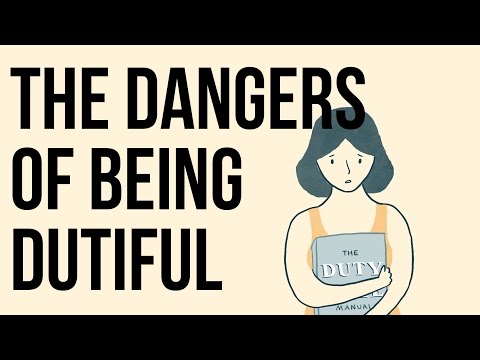
The Dangers Of Being Dutiful
0
g2 posted on 2016/12/06Ever feel like you're doing the 'right' thing but not enjoying it? This video dives into the surprising dangers of being overly dutiful, exploring how finding joy in your work can actually lead to greater success and fulfillment. You'll pick up advanced vocabulary and complex sentence structures while reflecting on your own life purpose!
Learn this video on the APP!
The VoiceTube App has more in-depth practice for videos!