
as soon as
US /æz sun æz/
UK /æz su:n æz/
- Phrase
- In a short time after (something happens)
- Without any delay; immediately
- Conjunction
- At the moment that, or immediately after.
A1Morebase
US /bes/
UK /beɪs/
- Noun (Countable/Uncountable)
- Place military personnel live, train, and operate
- Bottom part of an object that touches a surface
- Transitive Verb
- To use as the starting point or origin for
- To have as the main location for (company, etc.)
A2TOEICMorecheck out
US /tʃɛk aʊt/
UK /tʃek aut/
- Phrase
- Phrasal Verb
- To find out information about something
- To take books out of a library
A1Moreconfusing
US /kənˈfjuzɪŋ/
UK /kənˈfju:zɪŋ/
- Transitive Verb
- To make something unclear or hard to understand
- Adjective
- Being hard to understand
A2Morecount
US /kaʊnt/
UK /kaʊnt/
- Verb (Transitive/Intransitive)
- To add things together to find the total number
- To matter or be important
- Countable Noun
- Number of things added together, e.g. votes
- With the number of crimes, knockouts, as stated
A2Morecount in
US /kaʊnt ɪn/
UK /kaunt in/
- Phrasal Verb
- To include someone in an activity or plan.
B1Morecountable
US /'kaʊntəbl/
UK /'kaʊntəbl/
- Adjective
- (Of nouns) that can exist in the plural
B1Morecouple
US /ˈkʌpəl/
UK /'kʌpl/
- Transitive Verb
- To join something to something else
- (Two animals) to engage in sexual relations
- Noun (Countable/Uncountable)
- Two people in a romantic relationship
- Two of something; two people; a pair
A2Morecrucial
US /ˈkruʃəl/
UK /'kru:ʃl/
- Adjective
- Extremely important or necessary
- Of great importance to the success of something.
B1Morecute
US /kjut/
UK /kju:t/
- Adjective
- Attractive in a pretty or endearing way
B2Moreexception
US /ɪkˈsɛpʃən/
UK /ɪkˈsepʃn/
- Noun (Countable/Uncountable)
- Something different or not included
- An objection or feeling of disapproval.
B1TOEICMoreexcuse
US /ɪkˈskjuz/
UK /ɪk'skju:s/
- Transitive Verb
- To allow someone not to do (jury service, etc.)
- To explain acting in a bad or impolite manner
- Noun
- Note explaining why someone cannot do or attend
- Reason why you did or didn't do something
A2Morefavour
US /ˈfevɚ/
UK /ˈfeɪvə(r)/
- Noun
- What someone asks of you; helpful act; a kindness
- Transitive Verb
- To prefer or promote over another
A2Morefor example
US
UK
- Phrase
- As an illustration or instance.
grammar
US /ˈɡræmɚ/
UK /ˈgræmə(r)/
- Uncountable Noun
- Book describing the syntactic rules of a language
- Rules explaining how words are used in a language
B1Morehave to
US /hæv tu/
UK /ˈhæv tə/
- Auxiliary Verb
- Must do
A1Moreinstead of
US /ɪnˈstɛd ʌv/
UK /inˈsted ɔv/
- Preposition
- When one thing is replaced by another
- Adverb
- As a substitute or alternative.
A1Moreinvite
US /ɪnˈvaɪt/
UK /ɪnˈvaɪt/
- Transitive Verb
- To ask someone to go somewhere or do something
- Noun
- An invitation
A2TOEICMorelook at
US /lʊk æt/
UK /luk æt/
- Phrasal Verb
- To use your eyes to focus on something
- To focus your eyes on something carefully
A1Moremeow
US /miˈaʊ/
UK /mɪ'aʊ/
- Noun
- Cry like a cat
- Intransitive Verb
- To cry like a cat
C1Morenegative
US /ˈnɛɡətɪv/
UK /'neɡətɪv/
- Noun
- The opposite to a positive electrical charge
- In grammar, containing words such as 'no' or 'not'
- Adjective
- Being harmful, unwanted or unhelpful
- In mathematics, being less than zero
A2Moreopinion
US /əˈpɪnjən/
UK /əˈpɪnjən/
- Noun
- Court judge's statement why a decision was made
- A person's thoughts on a topic
A2TOEICMorephysically
US /ˈfɪzɪkəlɪ/
UK /'fɪzɪklɪ/
- Adverb
- In a manner related to the body
- Concerning reality or the laws of nature
A2Moreplural
US /ˈplʊrəl/
UK /ˈpluərəl/
- Adjective
- Being more than one person or thing
B1Moreportion
US /ˈpɔrʃən, ˈpor-/
UK /'pɔ:ʃn/
- Noun (Countable/Uncountable)
- Serving of food that is intended for one person
- Part of something shared that belongs to a whole
- Transitive Verb
- To separate something to divide among people
B1Morepositive
US /ˈpɑzɪtɪv/
UK /ˈpɒzətɪv/
- Adjective
- Showing agreement or support for something
- Being sure about something; knowing the truth
- Noun
- A photograph in which light areas are light and dark areas are dark
A2Morepronunciation
US /prəˌnʌnsiˈeʃən/
UK /prəˌnʌnsiˈeɪʃn/
- Noun (Countable/Uncountable)
- How a word is said; how a word sounds
- The manner in which someone utters a word.
B1Morereference
US /ˈrɛfərəns, ˈrɛfrəns/
UK /'refrəns/
- Noun
- A letter of recommendation, e.g. for a job
- Note in a book, etc. giving source of information
- Transitive Verb
- To cite a piece of research in speech or writing
- Mention or refer to.
A2TOEICMorerule
US /ruːl/
UK /ruːl/
- Noun (Countable/Uncountable)
- Something that is normal and usually happens
- Governmental control or power over a region
- Verb (Transitive/Intransitive)
- To decide legally, especially in court
- To have control or influence
A2TOEICMoreshare
US /ʃɛr/
UK /ʃeə(r)/
- Noun (Countable/Uncountable)
- Part-ownership in a property, business or company
- Part of a company you own, shown by a certificate
- Transitive Verb
- To divide something between two or more people
- To allow others to use your things equally
A2TOEICMoresheep
US /ʃip/
UK /ʃi:p/
- Noun (Countable/Uncountable)
- Animal with a woolly coat raised for meat or wool
- Noun
- Person who behaves as others do, without thinking
B1Moresingular
US /ˈsɪŋɡjəlɚ/
UK /ˈsɪŋgjələ(r)/
- Noun
- Form of a word referring to only one person/thing
- Adjective
- Seeming odd or unusual
- One of
B2Moreterrible
US /ˈtɛrəbəl/
UK /ˈterəbl/
- Adjective
- Very bad; horrible
- Causing great fear; frightening
A2TOEICMoreuncountable
US /ʌnˈkaʊntəbəl/
UK /ʌnˈkaʊntəbl/
- Adjective
- (Of nouns) that cannot exist in the plural
- Uncountable Noun
- A noun that cannot be counted and does not have a plural form.
B1Morewith the exception of
US
UK
- Phrase
- Excluding; not including.
A1More
Vocabulary
- have to: Must do
- for example: As an illustration or instance.
- look at: To use your eyes to focus on something
- instead of: When one thing is replaced by another
- with the exception of: Excluding; not including.
- count in: To include someone in an activity or plan.
- as soon as: In a short time after (something happens)
- check out
- crucial: Extremely important or necessary
- pronunciation: How a word is said; how a word sounds
- positive: Showing agreement or support for something
- matter: To be of great importance; to count
- negative: The opposite to a positive electrical charge
- sense: Certain mental feeling or emotion
- opinion: Court judge's statement why a decision was made
- portion: Serving of food that is intended for one person
- brain: To strike someone forcefully on the head
- reference: A letter of recommendation, e.g. for a job
- bit: Device put in a horse's mouth to control it
- grammar: Book describing the syntactic rules of a language
- physically: In a manner related to the body
- couple: To join something to something else
- subject: The person, thing, or idea that is being discussed, described, or studied.
- count: To add things together to find the total number
- guess: To give an answer without knowing if it is correct
- exception: Something different or not included
- singular: Form of a word referring to only one person/thing
- plural: Being more than one person or thing
- excuse: To allow someone not to do (jury service, etc.)
- important: Having power or authority
- verb: Word that expresses an action or state
- terrible: Very bad; horrible
- invite: To ask someone to go somewhere or do something
- rule: Something that is normal and usually happens
- remember: To give someone a gift, e.g. birthday, wedding
- dictionary: Book with the spellings and meanings of many words
- group: Two or more musicians who play music together
- noun: The subject or object of a sentence
- understand: To know the meaning of language, what someone says
- type: Printed letters or blocks used for printing them
- base: Place military personnel live, train, and operate
- problem: Something difficult to deal with or causes trouble
- share: Part-ownership in a property, business or company
- confusing: To make something unclear or hard to understand
- favour: What someone asks of you; helpful act; a kindness
- countable: (Of nouns) that can exist in the plural
- uncountable: (Of nouns) that cannot exist in the plural
- sheep: Animal with a woolly coat raised for meat or wool
- cute: Attractive in a pretty or endearing way
- meow: Cry like a cat
Get the full experience in the app
Learn anywhere with detailed sentence and usage analysis
01:03
She took a brave step forward, leaving behind her comfort zone to chase her dreams.
Vocabulary
- brave
adj. Having courage
- comfort zone
phr. A familiar situation where one feels safe
Explanation
a brave step is a noun phrase, where brave is an adjective modifying the noun step, meaning "a courageous step".
forward is an adverb modifying step, meaning "ahead".
The whole phrase serves as the object, answering the "what" of took (verb) — she took a brave step forward.
Get the full experience in the app
Look up words anytime with pronunciation, part of speech, and usage
brave
US/brev/
UK/breɪv/
adj.Brave
v.t.To bravely face
A2 Elementary
Get the full experience in the app
Practice speaking anytime and get instant pronunciation feedback
Try this speaking exercise.
Try practicing with this sentence.
80
0
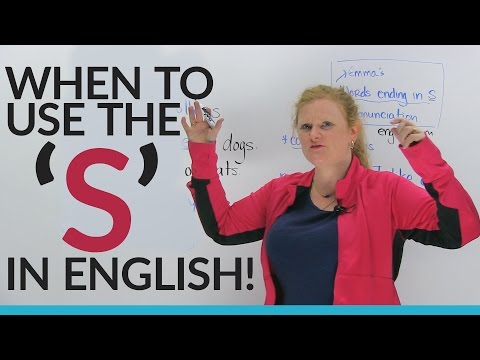
HQQ posted on 2016/11/28Ever mix up your plurals or forget that crucial 's'? This video dives into a super common mistake that trips up many ESL learners, focusing on plural nouns and countable nouns so you can sound more natural! You'll pick up practical grammar tips and simple sentence structures that you can use in daily conversations right away.
Learn this video on the APP!
The VoiceTube App has more in-depth practice for videos!