
acne
US /ˈækni/
UK /ˈækni/
- Uncountable Noun
- Red spots or pimples on your face
B2Moreactivate
US /ˈæktəˌvet/
UK /ˈæktɪveɪt/
- Transitive Verb
- To cause to happen; cause a chemical reaction
- To make something start working
B1Moreanimate
US /ˈænəˌmet/
UK /'ænɪmeɪt/
- Transitive Verb
- To give life, energy, or motion to something
B2Moreantibody
US /ˈæntibɑ:di/
UK /ˈæntibɒdi/
- Countable Noun
- Substance produced by the body to fight disease
B1Moreantigen
US /ˈæntɪdʒən/
UK /ˈæntɪdʒən/
- Noun
- Substance that produces antibodies in the body
B2Moreat least
US /æt list/
UK /æt li:st/
- Adverb
- As a minimum
- Not less than
- Phrase
- No less than; at the minimum
- Used to indicate that something is positive in a bad situation.
C2Morebacteria
US /bækˈtɪriə/
UK /bæk'tɪərɪə/
- Noun (plural)
- The very small creatures that can cause disease
B2Morebarrier
US /ˈbæriɚ/
UK /'bærɪə(r)/
- Noun
- Difficult situation preventing something happening
- Structure or object that stops free movement
B1TOEICMorebasically
US /ˈbesɪkəli,-kli/
UK /ˈbeɪsɪkli/
- Adverb
- Used before you explain something simply, clearly
- In essence; when you consider the most important aspects of something.
A2Morebreach
US /britʃ/
UK /bri:tʃ/
- Transitive Verb
- To break laws or barriers (e.g. walls)
B1TOEICMorebreak it down
US
UK
- Phrasal Verb
- To simplify something complex into smaller, more manageable parts.
- To explain something in a detailed and understandable way.
A2Morebunch
US /bʌntʃ/
UK /bʌntʃ/
- Noun (Countable/Uncountable)
- A group of things of the same kind
- A group of people.
- Transitive Verb
- To group people or things closely together
B1Morechop up
US
UK
- Phrasal Verb
- To cut something into small pieces.
- To sample and rearrange a piece of music.
B2Moreconquer
US /ˈkɑŋkɚ/
UK /'kɒŋkə(r)/
- Transitive Verb
- To take possession of (land, city) with an army
- To beat something difficult, e.g. a fear; overcome
B2Morecrowd out
US /kraʊd aʊt/
UK /kraud aut/
- Phrasal Verb
- To take the place of someone or something
- In economics, to reduce private investment by government borrowing.
A1Moredefend
US /dɪˈfɛnd/
UK /dɪ'fend/
- Transitive Verb
- To protect and explain your position in court
- To protect against an attack
B1TOEICMoredevastate
US /ˈdɛvəˌstet/
UK /'devəsteɪt/
- Transitive Verb
- To cause extensive destruction or ruin utterly
- To cause (someone) to feel extreme emotional pain.
B1Moredigest
US /daɪˈdʒest/
UK /daɪˈdʒest/
- Verb (Transitive/Intransitive)
- To convert food into energy in your stomach
- To think over facts, news etc.; take in information
- Noun
- A summary, as of the news
B2Moredisrupt
US /dɪsˈrʌpt/
UK /dɪsˈrʌpt/
- Transitive Verb
- To cause a disturbance in an activity in progress
B2TOEICMoredock
US /dɑ:k/
UK /dɒk/
- Transitive Verb
- To take away a part of an animal's tail
- To take away a part of someone's salary
- Noun
- Area in a harbor where boats arrive and are kept
B1Moreessentially
US /ɪˈsenʃəli/
UK /ɪˈsenʃəli/
- Adverb
- Basically; (said when stating the basic facts)
- Used to emphasize the basic truth or fact of a situation.
A2Moreeventually
US /ɪˈvɛntʃuəli/
UK /ɪˈventʃuəli/
- Adverb
- After a long time; after many attempts; in the end
- At some later time; in the future
A2Moreexpose
US /ɪkˈspoʊz/
UK /ɪk'spəʊz/
- Transitive Verb
- To make visible, without covering or protection
- To allow light through a cameras lens onto film
A2TOEICMorefight off
US /faɪt ɔf/
UK /fait ɔf/
- Phrasal Verb
- To defend a position, often violently
- To resist or struggle to get rid of an illness or negative feeling.
A1Morefigure out
US /ˈfɪɡjɚ aʊt/
UK /ˈfiɡə aut/
- Phrasal Verb
- To understand the behavior of someone
- To think through logically to find a solution
- Verb (Transitive/Intransitive)
- To understand or find an answer to something.
- To find a solution to a problem or understand something.
A1Morefluid
US /ˈfluɪd/
UK /'flu:ɪd/
- Noun (Countable/Uncountable)
- A material that can easily flow, e.g. water
- Liquid that flows smoothly, such as water
- Adjective
- Able to move smoothly or gracefully
- Liable to change; unstable.
B2Morefor one thing
US /fɔr wʌn θɪŋ/
UK /fɔ: wʌn θiŋ/
- Phrase
- Used to introduce a reason for something.
A1Morefor the rest
US /fɔr ði rɛst/
UK /fɔ: ðə rest/
- Phrase
- Concerning the remaining people or things.
- During the remaining part of a period of time.
A1Moregain
US /ɡen/
UK /ɡeɪn/
- Verb (Transitive/Intransitive)
- To increase in something, such as weight
- To get something wanted, needed or valued
- Noun (Countable/Uncountable)
- An increase in something, such as weight
A2TOEICMoregenerate
US /ˈdʒɛnəˌret/
UK /ˈdʒenəreɪt/
- Transitive Verb
- To create or be produced or bring into existence
- To create electricity, heat, energy and power
A2TOEICMoregland
US /ɡlænd/
UK /ɡlænd/
- Noun
- Organ that produces substances for the body to use
B2Moregoing on
US /ˈɡoɪŋ ɑn/
UK /ˈgəʊɪŋ ɔn/
- Phrasal Verb
- To continue doing something
- To happen (usually negative)
A1Moregrab
US /ɡræb/
UK /ɡræb/
- Transitive Verb
- To take and hold something quickly
A2Morehanging out
US
UK
- Phrasal Verb
- To spend time with your friends
- To spend times with friends or relax doing nothing
A2Morehave to
US /hæv tu/
UK /ˈhæv tə/
- Auxiliary Verb
- Must do
A1Moreimmune
US /ɪˈmjoon/
UK /ɪˈmju:n/
- Adjective
- Having a special protection from, e.g. the law
- Protected against a particular disease or condition because of antibodies or vaccination.
B1Moreimmunity
US /ɪˈmjunɪti/
UK /ɪˈmju:nəti/
- Uncountable Noun
- State of not being able to catch a disease
B1Moreimplant
US /ɪmˈplænt/
UK /ɪmˈplɑ:nt/
- Transitive Verb
- To put something into, an idea in someone's mind
- To put medical material in, as to improve teeth
- Noun
- Medical material, thing to improve the teeth, body
B2Morein other words
US
UK
- Phrase
- Stating something in a different way, often to make it clearer or more understandable.
in the future
US /ɪn ði ˈfjutʃɚ/
UK /in ðə ˈfju:tʃə/
- Phrase
- At a later time; in times to come.
A1Moreinfect
US /ɪnˈfɛkt/
UK /ɪn'fekt/
- Transitive Verb
- To introduce a computer virus to
- To give a disease, bacteria or virus to
B1Moreinfection
US /ɪnˈfɛkʃən/
UK /ɪnˈfekʃn/
- Noun
- (Computers) Having a computer virus
- Making or becoming sick with a bacteria/virus
A2Moreinfinite
US /ˈɪnfənɪt/
UK /'ɪnfɪnət/
- Adjective
- Being very large in amount
- Without an end; limitless; endless
B2Moreinflammation
US /ˌɪnfləˈmeʃən/
UK /ˌɪnfləˈmeɪʃn/
- Noun (Countable/Uncountable)
- Painful swelling in the body due to illness
- A condition in which a part of the body becomes reddened, swollen, hot, and often painful, especially as a reaction to injury or infection.
B2Moreinvader
US /ɪnˈvedɚ/
UK /ɪnˈveɪdə(r)/
- Countable Noun
- Someone who enters to cause harm
B1Morelive on
US
UK
- Phrasal Verb
- To continue to exist or be remembered.
- To eat a particular type of food as the main thing.
look over
US
UK
- Phrasal Verb
- To check something to see it works well; inspect
- To examine or inspect something quickly.
A1Morelymph
US /lɪmf/
UK /lɪmf/
- Uncountable Noun
- Clear fluid containing white blood cells
C1Moremajor
US /ˈmedʒɚ/
UK /'meɪdʒə(r)/
- Countable Noun
- High-ranking officer in the army
- Main subject you study at university
- Adjective
- Main league; esp. referring to American baseball
- Important, serious, or large in scope, size
A2TOEICMoremarrow
US /ˈmæro/
UK /'mærəʊ/
- Uncountable Noun
- A soft, fatty tissue inside bones
C2Moremoat
US /mot/
UK /məʊt/
- Countable Noun
- Water-filled ditch surrounding a castle
C1Moremutate
US /ˈmjutet,mjuˈtet/
UK /mju:'teɪt/
- Intransitive Verb
- To develop into another thing; change
B2Morenaive
US /nɑˈiv/
UK /naɪˈi:v/
- Adjective
- Unsophisticated; innocent and unknowing
- (Of art) produced in a simple, unaffected style, typically by someone who has not had formal training.
B2Morenext to
US /nɛkst tu/
UK /nekst tu:/
- Preposition
- Being located along side another
- In comparison with
- Adverb
- Almost; nearly
A1Moreoccasionally
US /əˈkeɪʒən(ə)li/
UK /əˈkeɪʒnəli/
- Adverb
- Not very often; sometimes; seldom
- Happening or appearing irregularly.
A2Moreof itself
US /ʌv ɪtˈself/
UK /əv ɪtˈself/
- other
- Happening automatically without external cause or help.
B1Moreon the surface
US /ɑn ði ˈsɚfəs/
UK /ɔn ðə ˈsə:fis/
- Phrase
- Appearing to be true or real until examined more closely.
- Located on the outer part or uppermost layer of something.
B2Moreon to
US /ɑn tu/
UK /ɔn tu:/
- Preposition
- Toward something; forward
- Aware of someone's activities.
- Adjective
- Aware of someone's deception or illegal activities.
A1Moreout of luck
US
UK
- Adjective
- To not have any luck; to be unfortunate
A2Morepox
US /pɑks/
UK /pɒks/
- Noun
- A disease that leaves marks on the skin
C1Moreprick
US /prɪk/
UK /prɪk/
- Transitive Verb
- To pierce slightly with a sharp point
- Noun
- A sharp pierce of something e.g. a balloon
C2Moreresponse
US /rɪˈspɑns/
UK /riˈspɔns/
- Noun
- Something said/written as an answer to something
- Reaction to something that has occurred
A2TOEICMoreresponsible
US / rɪˈspɑnsəbəl/
UK /rɪ'spɒnsəbl/
- Adjective
- Being the cause of something that has occurred
- Having the duty of dealing with something
A2TOEICMorerid
US /rɪd/
UK /rɪd/
- Transitive Verb
- To cause to no longer have (pest, problem)
- Adjective
- Freed or delivered from something.
A2Moresecrete
US /sɪˈkrit/
UK /sɪ'kri:t/
- Transitive Verb
- To hide something so it will not be seen or found
- To produce a liquid from a bodily organ
B1Morespecific
US /spɪˈsɪfɪk/
UK /spəˈsɪfɪk/
- Adjective
- Precise; particular; just about that thing
- Concerning one particular thing or kind of thing
A2Moresurface
US /ˈsɚfəs/
UK /'sɜ:fɪs/
- Transitive Verb
- To give (road) a top layer
- Intransitive Verb
- To appear after being hidden, unseen, or unknown
- To come to the top of something; emerge
A2TOEICMoreswell
US /swɛl/
UK /swel/
- Intransitive Verb
- To feel overcome due to a strong emotion
- To increase in size or number larger than normal
- Uncountable Noun
- Being overcome from feeling a strong emotion
- Act of growing in size or increasing in number
B1Moretalking about
US
UK
- Phrasal Verb
- To discuss a particular topic.
- To be constantly mentioning or bringing up a subject.
A1Morethink about
US /θɪŋk əˈbaʊt/
UK /θiŋk əˈbaut/
- Phrasal Verb
- To consider something carefully.
- To remember or call to mind.
A1Morethink of
US /θɪŋk ʌv/
UK /θiŋk ɔv/
- Phrasal Verb
- To look on as (being something specific); consider
- To consider or remember something.
- Verb (Transitive/Intransitive)
- To imagine or call something to mind
A1Moreto arms
US /tə ɑrmz/
UK /tə ɑ:mz/
- other
- A call to take up weapons and fight.
B2Moretransplant
US /trænsˈplænt/
UK /trænsˈplɑ:nt/
- Noun
- A medical operation to replace organs of the body
- Transitive Verb
- To replace organ in the body by an operation
B2Morevirus
US /ˈvaɪrəs/
UK /'vaɪrəs/
- Noun
- File secretly put on computers to cause harm
- Living organism that causes disease or sickness
B1More
Vocabulary
- have to: Must do
- in other words: Stating something in a different way, often to make it clearer or more understandable.
- think about: To consider something carefully.
- fight off: To defend a position, often violently
- in the future: At a later time; in times to come.
- of itself: Happening automatically without external cause or help.
- going on: To continue doing something
- figure out: To understand the behavior of someone
- on to: Toward something; forward
- talking about: To discuss a particular topic.
- on the surface: Appearing to be true or real until examined more closely.
- crowd out: To take the place of someone or something
- live on: To continue to exist or be remembered.
- to arms: A call to take up weapons and fight.
- for one thing: Used to introduce a reason for something.
- for the rest: Concerning the remaining people or things.
- next to: Being located along side another
- look over: To check something to see it works well; inspect
- chop up: To cut something into small pieces.
- out of luck: To not have any luck; to be unfortunate
- break it down: To simplify something complex into smaller, more manageable parts.
- hanging out: To spend time with your friends
- think of: To look on as (being something specific); consider
- at least: As a minimum
- specific: Precise; particular; just about that thing
- essentially: Basically; (said when stating the basic facts)
- eventually: After a long time; after many attempts; in the end
- bunch: A group of things of the same kind
- immune: Having a special protection from, e.g. the law
- grab: To take and hold something quickly
- present: Being in attendance; being there; having turned up
- basically: Used before you explain something simply, clearly
- sense: Certain mental feeling or emotion
- barrier: Difficult situation preventing something happening
- rid: To cause to no longer have (pest, problem)
- conquer: To take possession of (land, city) with an army
- bacteria: The very small creatures that can cause disease
- increase: To make or become larger in size or amount
- fluid: A material that can easily flow, e.g. water
- occasionally: Not very often; sometimes; seldom
- response: Something said/written as an answer to something
- bit: Device put in a horse's mouth to control it
- generate: To create or be produced or bring into existence
- infinite: Being very large in amount
- disrupt: To cause a disturbance in an activity in progress
- surface: To give (road) a top layer
- equal: Same in shape, size, or number
- inflammation: Painful swelling in the body due to illness
- digest: To convert food into energy in your stomach
- break: To create a new record e.g. running the 100m dash
- devastate: To cause extensive destruction or ruin utterly
- expose: To make visible, without covering or protection
- shape: The outer form of something, what it looks like
- responsible: Being the cause of something that has occurred
- gland: Organ that produces substances for the body to use
- naive: Unsophisticated; innocent and unknowing
- infection: (Computers) Having a computer virus
- swell: To feel overcome due to a strong emotion
- major: High-ranking officer in the army
- gain: To increase in something, such as weight
- normal: Standard or regular way of doing something
- produce: Fresh foods such as fruits and vegetables
- breach: To break laws or barriers (e.g. walls)
- acne: Red spots or pimples on your face
- animate: To give life, energy, or motion to something
- system: Set of organized, planned ideas that work together
- kind: In a caring and helpful manner
- virus: File secretly put on computers to cause harm
- defend: To protect and explain your position in court
- build: Your physical shape; physique
- activate: To cause to happen; cause a chemical reaction
- part: Division of a book
- find: To become aware of something that is happening
- future: Time that is to come after the present
- immunity: State of not being able to catch a disease
- mutate: To develop into another thing; change
- secrete: To hide something so it will not be seen or found
- invader: Someone who enters to cause harm
- implant: To put something into, an idea in someone's mind
- marrow: A soft, fatty tissue inside bones
- dock: To take away a part of an animal's tail
- infect: To introduce a computer virus to
- transplant: A medical operation to replace organs of the body
- prick: To pierce slightly with a sharp point
- antibody: Substance produced by the body to fight disease
- antigen: Substance that produces antibodies in the body
- moat: Water-filled ditch surrounding a castle
- lymph: Clear fluid containing white blood cells
- pox: A disease that leaves marks on the skin
Get the full experience in the app
Learn anywhere with detailed sentence and usage analysis
01:03
She took a brave step forward, leaving behind her comfort zone to chase her dreams.
Vocabulary
- brave
adj. Having courage
- comfort zone
phr. A familiar situation where one feels safe
Explanation
a brave step is a noun phrase, where brave is an adjective modifying the noun step, meaning "a courageous step".
forward is an adverb modifying step, meaning "ahead".
The whole phrase serves as the object, answering the "what" of took (verb) — she took a brave step forward.
Get the full experience in the app
Look up words anytime with pronunciation, part of speech, and usage
brave
US/brev/
UK/breɪv/
adj.Brave
v.t.To bravely face
A2 Elementary
Get the full experience in the app
Practice speaking anytime and get instant pronunciation feedback
Try this speaking exercise.
Try practicing with this sentence.
80
0
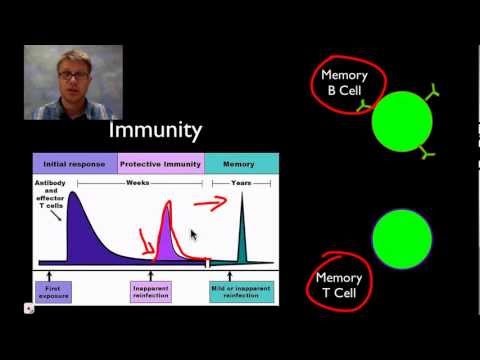
yenping, Hsieh posted on 2016/11/15Ever wondered how your body fights off invaders? This video uses a cool castle analogy to explain the amazing immune system, diving into antibodies, T cells, and macrophages! You'll pick up some fantastic vocabulary while learning how this incredible defense system works, with a fascinating look at its history too.
Learn this video on the APP!
The VoiceTube App has more in-depth practice for videos!