
admire
US /ædˈmaɪr/
UK /əd'maɪə(r)/
- Transitive Verb
- To feel respect or wonder toward someone
A2Moreanalogous
US /əˈnæləɡəs/
UK /əˈnæləgəs/
- Adjective
- Similar and comparable to
B2Moreas soon as
US /æz sun æz/
UK /æz su:n æz/
- Phrase
- In a short time after (something happens)
- Without any delay; immediately
- Conjunction
- At the moment that, or immediately after.
A1Moreas well as
US /æz wɛl æz/
UK /æz wel æz/
- Adverb
- Also; in addition to
- Preposition
- In addition to; and also.
A1Moreat least
US /æt list/
UK /æt li:st/
- Adverb
- As a minimum
- Not less than
- Phrase
- No less than; at the minimum
- Used to indicate that something is positive in a bad situation.
C2Moreat times
US /æt taɪmz/
UK /æt taɪmz/
- Phrase
- Sometimes; occasionally.
A1Moreback into
US /bæk ˈɪntu/
UK /bæk ˈɪntuː/
- Phrasal Verb
- To drive a vehicle backwards into a space or area.
- To accidentally collide with something while moving backwards.
A1Moreback to work
US
UK
- Phrase
- Returning to one's job or professional duties after a period of absence.
- Interjection
- An expression used to urge or remind people to resume working.
A1Morebeach ball
US /bitʃ bɔl/
UK /bi:tʃ bɔ:l/
- Countable Noun
- A large, inflatable ball used for recreation at the beach or pool.
A1Moreblaster
US /'bla:stɚ/
UK /'bla:stɚ/
- Countable Noun
- Workman employed to blast with explosives
B1Morebob
US /bɑ:b/
UK /bɒb/
- Intransitive Verb
- To move up and down repeatedly
- Proper Noun
- Person's name
B2Morebrainstorm
US /ˈbreɪnstɔ:rm/
UK /ˈbreɪnstɔ:m/
- Verb (Transitive/Intransitive)
- To discuss concepts, ideas or solutions
- Countable Noun
- Group discussion about concepts or ideas
C1Morebring to
US /brɪŋ tu/
UK /briŋ tu:/
- Phrasal Verb
- To make someone to wake up from being unconscious
A1Morecategorize
US /'kætəɡəraɪz/
UK /ˈkætəgəraɪz/
- Transitive Verb
- To distribute into classes or the same type
B1Morecome along
US /kʌm əˈlɔŋ/
UK /kʌm əˈlɔŋ/
- Phrasal Verb
- To go with someone who takes the lead
- To make progress toward a goal
A1Morecome back
US /kʌm bæk/
UK /kʌm bæk/
- Phrasal Verb
- To reply to someone, often forcefully
- To be remembered
A1Morecommercial
US /kəˈmɚʃəl/
UK /kəˈmə:ʃəl/
- Noun
- Radio or television advertisement
- Adjective
- A notice, picture, or film telling people about a product, job, or service.
- Designed for or primarily concerned with financial success.
B1Moreconstruction
US /kənˈstrʌkʃən/
UK /kən'strʌkʃn/
- Noun (Countable/Uncountable)
- Act of building something; thing that is built
- Something that is made using different parts
A2Moreembarrassed
US /ɪmˈbærəst/
UK /ɪmˈbærəst/
- Transitive Verb
- To cause someone to feel ashamed
- Feeling awkward, self-conscious, or ashamed.
- Adjective
- Ashamed
- Showing signs of embarrassment.
A2Moreembarrassment
US /ɛmˈbærəsmənt/
UK /ɪmˈbærəsmənt/
- Uncountable Noun
- Shame you feel when you did something wrong
- A person, thing, or situation that causes someone to feel ashamed, self-conscious, or uncomfortable.
B1Moreempathy
US /ˈɛmpəθi/
UK /ˈempəθi/
- Uncountable Noun
- Understanding how other people feel/suffer
- The ability to understand and share the feelings of another, especially when those feelings are negative or painful
B2TOEICMoreexercise
US /ˈɛksɚˌsaɪz/
UK /'eksəsaɪz/
- Verb (Transitive/Intransitive)
- To work out to become stronger and healthier
- To retain your ability or practice your skills
- Noun (Countable/Uncountable)
- Physical activity to increase health and strength
- Set of questions in a text book
A2Moreexperiment
US /ɪkˈspɛrəmənt/
UK /ɪk'sperɪmənt/
- Noun (Countable/Uncountable)
- Test performed to assess new ideas or theories
- A course of action tentatively adopted without being sure of the eventual outcome.
- Verb (Transitive/Intransitive)
- To create and perform tests to research something
- To try something new that you haven't tried before
A2TOEICMoreexperimentation
US /ɪkˌspɛrəmɛnˈteʃən/
UK /ɪkˌsperɪmenˈteɪʃn/
- Uncountable Noun
- Act of making and performing experiments or tests
- The act of trying out new ideas or methods in order to innovate or improve something.
B1Moreexplore
US /ɪkˈsplɔr/
UK /ɪk'splɔ:(r)/
- Transitive Verb
- To examine something in detail to learn about it
- To travel to a place to discover more about it
A2TOEICMorefeel like
US
UK
- Intransitive Verb
- To have a desire or inclination for something.
- To have a particular quality or sensation; resemble.
A1Morefigure out
US /ˈfɪɡjɚ aʊt/
UK /ˈfiɡə aut/
- Phrasal Verb
- To understand the behavior of someone
- To think through logically to find a solution
- Verb (Transitive/Intransitive)
- To understand or find an answer to something.
- To find a solution to a problem or understand something.
A1Morefill in
US /fɪl ɪn/
UK /fil in/
- Phrasal Verb
- To put earth in e.g. a hole
- To explain the context so that someone understands
- Verb (Transitive/Intransitive)
- To write or type information in a blank space.
- To temporarily do someone else's job.
A1Morefirefighter
US /ˈfaɪərfaɪtə(r)/
UK /ˈfaɪəfaɪtə(r)/
- Countable Noun
- Person whose job is stopping and putting out fires
C2Moreget a sense
US
UK
- Verb (Transitive/Intransitive)
- To understand or perceive something intuitively.
A1Moreget back to
US /ɡɛt bæk tu/
UK /ɡet bæk tu:/
- Phrasal Verb
- To get in contact with someone again
- To return to someone or something; to respond at a later time.
A1Morego away
US /ɡo əˈwe/
UK /ɡəu əˈwei/
- Phrasal Verb
- To go on vacation
- To leave; depart.
A1Morego for it
US /ɡo fɔr ɪt/
UK /ɡəu fɔ: it/
- Interjection
- An expression of encouragement or approval.
- Intransitive Verb
- To try to achieve something; to make an attempt.
A1Morego out
US /ɡo aʊt/
UK /ɡəu aut/
- Phrase
- To leave a building (e.g. a house)
- Phrasal Verb
- (Of a fire) to burn out; be extinguished
- Go out of fashion to stop being fashionable
A1Moregoing on
US /ˈɡoɪŋ ɑn/
UK /ˈgəʊɪŋ ɔn/
- Phrasal Verb
- To continue doing something
- To happen (usually negative)
A1Moregrab
US /ɡræb/
UK /ɡræb/
- Transitive Verb
- To take and hold something quickly
A2Morehave to
US /hæv tu/
UK /ˈhæv tə/
- Auxiliary Verb
- Must do
A1Morein fact
US /ɪn fækt/
UK /in fækt/
- Adverb
- Used to emphasize the truth of a statement, especially one that contrasts with or contradicts something else.
- Used to introduce a more detailed or surprising piece of information.
- Phrase
- Used to emphasize the truth of a statement, especially one that is surprising or contrary to what might be expected.
C1Morein mind
US /ɪn maɪnd/
UK /in maind/
- Phrase
- Being aware of or considering something.
- To remember or consider something.
A2Morein order to
US /ɪn ˈɔrdɚ tu/
UK /in ˈɔ:də tu:/
- Preposition
- For the purpose of; with the aim of.
- Phrase
- In a specific sequence or arrangement.
- With the aim of; for the purpose of.
C1Morein quantity
US /ɪn ˈkwɑntəti/
UK /ɪn ˈkwɒntɪti/
- other
- In large amounts or numbers.
B2Morein the end
US /ɪn ði ɛnd/
UK /in ðə end/
- Phrase
- Finally; after a period of time or series of events.
- Ultimately; as the final result or consequence.
A1Morein the way
US /ɪn ði we/
UK /in ðə wei/
- Phrase
- Obstructing someone or something; hindering progress.
- Stored or placed so as to be available or ready when needed.
A1Moreinstead of
US /ɪnˈstɛd ʌv/
UK /inˈsted ɔv/
- Preposition
- When one thing is replaced by another
- Adverb
- As a substitute or alternative.
A1Moreinteraction
US /ˌɪntɚˈækʃən/
UK /ˌɪntər'ækʃn/
- Noun (Countable/Uncountable)
- Process of people or things affecting each other
- The activity of talking to other people, working together etc
A2Morejump out
US /dʒʌmp aʊt/
UK /dʒʌmp aut/
- Phrasal Verb
- To suddenly appear or move forward, often to surprise someone.
- To be very obvious or easily noticeable.
A2Morelead to
US /lid tu/
UK /li:d tu:/
- Phrasal Verb
- To result in some action
- Verb (Transitive/Intransitive)
- To have something as a consequence or result.
A1Moreleft out
US
UK
- Phrasal Verb
- To forget; omit
- To exclude someone or something; to not include.
A1Morelook at
US /lʊk æt/
UK /luk æt/
- Phrasal Verb
- To use your eyes to focus on something
- To focus your eyes on something carefully
A1Morenecessarily
US /ˌnɛsɪˈsɛrəli, -ˈsɛr-/
UK /ˌnesəˈserəli/
- Adverb
- In a way that is needed/required/is unavoidable
A2TOEICMoreneighbor
US /ˈnebɚ/
UK /'neɪbə/
- Noun (Countable/Uncountable)
- Person who lives, or is near, you
- A country or area next to another.
- Adjective
- Situated near or next to something.
B1Morenext to
US /nɛkst tu/
UK /nekst tu:/
- Preposition
- Being located along side another
- In comparison with
- Adverb
- Almost; nearly
A1Moreof a sudden
US
UK
- Phrase
- Quickly and unexpectedly; suddenly.
B2Moreof course
US /ʌv kɔː(r)s/
UK /ɔv kɔː(r)s/
- Adverb
- Sure ; Certainly
- Phrase
- For sure; certainly
A2Moreon to
US /ɑn tu/
UK /ɔn tu:/
- Preposition
- Toward something; forward
- Aware of someone's activities.
- Adjective
- Aware of someone's deception or illegal activities.
A1Moreone up
US /wʌn ʌp/
UK /wʌn ʌp/
- Adjective
- In a better or more advantageous position.
- Countable Noun
- An extra life or chance in a video game.
A1Moreout of it
US /aʊt ʌv ɪt/
UK /aut ɔv it/
- Adjective
- Unconscious or not completely alert; dazed or confused.
- Not able to think clearly or react quickly; not with it.
A1Moreout of play
US /aʊt əv pleɪ/
UK /aut əv pleɪ/
- other
- No longer in active play or action, especially in sports.
B2Moreout of the way
US /aʊt ʌv ði we/
UK /aut ɔv ðə wei/
- Adjective
- Remote; isolated.
- No longer obstructing or hindering.
- Phrase
- Not obstructing or impeding progress; in a position where one does not cause an obstruction.
- Completed; finished; no longer needing attention.
B1Moreout there
US /aʊt ðɛr/
UK /aut ðɛə/
- Adverb
- In or to a place that is far away
- Existing in the universe
- Adjective
- Unconventional; strange; avant-garde
- Existing or available.
A1Moreover time
US /ˈovɚ taɪm/
UK /ˈəuvə taim/
- Phrase
- Gradually; as time passes.
- During a long period.
- Adverb
- Gradually; as time passes.
B1Morepass it up
US
UK
- Phrasal Verb
- To decline an opportunity or offer.
A1Morephysical objects
US
UK
- Noun (plural)
- Tangible items that can be touched or seen; material things.
pick it up
US
UK
- Phrasal Verb
- To lift something from a surface.
- To collect something or someone.
A2Moreplay in
US
UK
- Phrasal Verb
- To participate or compete in a game or competition.
- To have a role in a theatrical production.
A1Morepoint out
US /pɔɪnt aʊt/
UK /pɔint aut/
- Phrasal Verb
- To make others aware of an idea
- To draw attention to something or someone
A1Moreproductive
US /prəˈdʌktɪv, pro-/
UK /prəˈdʌktɪv/
- Adjective
- Producing things in large quantities; fertile
- Doing a lot of work and achieving a lot
B1Moreproductive conversation
US
UK
- Phrase
- A conversation that yields useful results or advances understanding.
- A conversation that is fruitful and leads to positive outcomes.
A1Moreprototype
US /ˈproʊ.t̬ə.taɪp/
UK /ˈprəʊ.tə.taɪp/
- Countable Noun
- A first or preliminary version of a device or vehicle from which other forms are developed
B2Morepsychedelic
US /ˌsaɪkɪˈdɛlɪk/
UK /ˌsaɪkəˈdelɪk/
- Adjective
- Having very bright contrasting colors and shapes
- Relating to or denoting drugs that produce hallucinations and apparent expansion of consciousness.
C2Morequantity
US /ˈkwɑntɪti/
UK /ˈkwɒntəti/
- Noun (Countable/Uncountable)
- A large amount of something
- Amount or number of something
A2TOEICMorerole
US /rol/
UK /rəʊl/
- Noun
- Character played by an actor
- Part you play in an activity; job; responsibility
A2Moreroll on
US /rol ɑn/
UK /rəul ɔn/
- Phrasal Verb
- For time to pass
- To continue or proceed
B1Moresecure
US /sɪˈkjʊr/
UK /sɪ'kjʊə(r)/
- Transitive Verb
- To get or achieve something with certainty
- To firmly attach something to something else
- Adjective
- Being attached to something tightly and surely
- (Place that is) locked, guarded and safe
A2TOEICMoresecurity
US /sɪˈkjʊrɪti/sə'kjurətɪ/
UK /sɪ'kjʊərətɪ/
- Noun
- Department in a company in charge of protection
- Financial document, like stocks, bonds and notes
A2TOEICMoresee out
US /si aʊt/
UK /si: aut/
- Phrasal Verb
- To continue doing something until it ends, especially something difficult or unpleasant.
- To accompany someone to the door when they are leaving a place.
A1Moresettle on
US /ˈsɛtl ɑn/
UK /ˈsetl ɔn/
- Phrasal Verb
- To decide definitely to do or have something.
B2Moresketch
US /skɛtʃ/
UK /sketʃ/
- Noun
- Brief account of something without many details
- A drawing made quickly that lacks detail
- Transitive Verb
- To make a rough plan or idea of something
- To draw images roughly with a pencil
B1Moresolution
US /səˈluʃən/
UK /səˈlu:ʃn/
- Noun (Countable/Uncountable)
- Mix of a liquid and a solid or a gas
- Way to solve or deal with a problem
A2Morestuff
US /stʌf/
UK /stʌf/
- Uncountable Noun
- Generic description for things, materials, objects
- Transitive Verb
- To push material inside something, with force
B1Moresuch as
US /sʌtʃ æz/
UK /sʌtʃ æz/
- Preposition
- For example; like
A1Moresuppose
US /səˈpoʊz/
UK /sə'pəʊz/
- Verb (Transitive/Intransitive)
- To imagine or guess what might happen
- Conjunction
- What if
A2TOEICMoretake a piece
US
UK
- Phrase
- To remove a portion of something.
- Idiom
- To gain an advantage or share of something, especially in business.
A1Moretask
US /tæsk/
UK /tɑ:sk/
- Noun (Countable/Uncountable)
- Big or small piece of work someone has to do
- Transitive Verb
- To be given something to do, e.g. wash dishes
A2TOEICMorethink about
US /θɪŋk əˈbaʊt/
UK /θiŋk əˈbaut/
- Phrasal Verb
- To consider something carefully.
- To remember or call to mind.
A1Morethink of
US /θɪŋk ʌv/
UK /θiŋk ɔv/
- Phrasal Verb
- To look on as (being something specific); consider
- To consider or remember something.
- Verb (Transitive/Intransitive)
- To imagine or call something to mind
A1Moretime after time
US /taɪm ˈæftɚ taɪm/
UK /taim ˈɑ:ftə taim/
- Phrase
- Repeatedly; on many occasions.
A1Moreto hand
US
UK
- Transitive Verb
- To give or pass something to someone using your hand.
- To offer assistance or help.
A1Moretransition
US /trænˈzɪʃən, -ˈsɪʃ-/
UK /trænˈzɪʃn/
- Noun
- Change from one state, movement, place to another
- Intransitive Verb
- To change state, movement, place, or subject
B1Moretry on
US
UK
- Phrasal Verb
- To wear something briefly to check it fits, etc.
A1Moreturn out
US /tɚn aʊt/
UK /tə:n aut/
- Phrasal Verb
- To arrive for a public event or entertainment
- To happen to be in the end
A1Morevaluable
US /ˈvæljuəbəl, ˈvæljə-/
UK /ˈvæljuəbl/
- Adjective
- Being useful or important
- Being worth a lot of money
B1TOEICMorewith it
US /wɪð ɪt/
UK /wið it/
- Adjective
- Intelligent, alert, and up-to-date.
- Understanding and knowledgeable about current trends or information.
A1Morework at
US /wɚk æt/
UK /wə:k æt/
- Phrasal Verb
- To have a job at a particular place or organization.
- To make an effort to improve something.
A1Morework in
US /wɚk ɪn/
UK /wə:k in/
- Phrasal Verb
- To make an opening for something in your schedule
- To fit person/thing into a schedule or sequence
A1Morework on
US /wɚk ɑn/
UK /wə:k ɔn/
- Phrasal Verb
- To devote effort to improve or develop something
- To try to persuade or influence someone.
A1Moreworkplace
US /ˈwɚkˌples/
UK /ˈwɜ:kpleɪs/
- Noun (Countable/Uncountable)
- Place where work is done
B2More
Vocabulary
- of course: Sure ; Certainly
- figure out: To understand the behavior of someone
- in fact: Used to emphasize the truth of a statement, especially one that contrasts with or contradicts something else.
- next to: Being located along side another
- think of: To look on as (being something specific); consider
- going on: To continue doing something
- have to: Must do
- over time: Gradually; as time passes.
- in order to: For the purpose of; with the aim of.
- come back: To reply to someone, often forcefully
- feel like: To have a desire or inclination for something.
- out there: In or to a place that is far away
- take a piece: To remove a portion of something.
- look at: To use your eyes to focus on something
- time after time: Repeatedly; on many occasions.
- beach ball: A large, inflatable ball used for recreation at the beach or pool.
- work in: To make an opening for something in your schedule
- one up: In a better or more advantageous position.
- pass it up: To decline an opportunity or offer.
- see out: To continue doing something until it ends, especially something difficult or unpleasant.
- pick it up: To lift something from a surface.
- out of the way: Remote; isolated.
- settle on: To decide definitely to do or have something.
- jump out: To suddenly appear or move forward, often to surprise someone.
- at least: As a minimum
- with it: Intelligent, alert, and up-to-date.
- back to work: Returning to one's job or professional duties after a period of absence.
- get back to: To get in contact with someone again
- in quantity: In large amounts or numbers.
- fill in: To put earth in e.g. a hole
- go for it: An expression of encouragement or approval.
- come along: To go with someone who takes the lead
- work on: To devote effort to improve or develop something
- go away: To go on vacation
- in the way: Obstructing someone or something; hindering progress.
- bring to: To make someone to wake up from being unconscious
- in mind: Being aware of or considering something.
- on to: Toward something; forward
- physical objects: Tangible items that can be touched or seen; material things.
- roll on: For time to pass
- back into: To drive a vehicle backwards into a space or area.
- productive conversation: A conversation that yields useful results or advances understanding.
- of a sudden: Quickly and unexpectedly; suddenly.
- in the end: Finally; after a period of time or series of events.
- to hand: To give or pass something to someone using your hand.
- instead of: When one thing is replaced by another
- such as: For example; like
- work at: To have a job at a particular place or organization.
- point out: To make others aware of an idea
- get a sense: To understand or perceive something intuitively.
- as soon as: In a short time after (something happens)
- left out: To forget; omit
- try on: To wear something briefly to check it fits, etc.
- as well as: Also; in addition to
- lead to: To result in some action
- play in: To participate or compete in a game or competition.
- go out: To leave a building (e.g. a house)
- out of it: Unconscious or not completely alert; dazed or confused.
- out of play: No longer in active play or action, especially in sports.
- think about: To consider something carefully.
- at times: Sometimes; occasionally.
- turn out: To arrive for a public event or entertainment
- stuff: Generic description for things, materials, objects
- sort: To organize things by putting them into groups
- figure: To appear in a game, play or event
- situation: Place, position or area that something is in
- grab: To take and hold something quickly
- empathy: Understanding how other people feel/suffer
- experience: Thing a person has done or that happened to them
- sense: Certain mental feeling or emotion
- experiment: Test performed to assess new ideas or theories
- necessarily: In a way that is needed/required/is unavoidable
- suppose: To imagine or guess what might happen
- environment: Natural world in which plants and animals live
- explore: To examine something in detail to learn about it
- task: Big or small piece of work someone has to do
- commercial: Radio or television advertisement
- productive: Producing things in large quantities; fertile
- interaction: Process of people or things affecting each other
- admire: To feel respect or wonder toward someone
- security: Department in a company in charge of protection
- valuable: Being useful or important
- behavior: The way a person or thing acts; manner
- form: Sports team or person's current winning record
- create: To make, cause, or bring into existence
- exercise: To work out to become stronger and healthier
- secure: To get or achieve something with certainty
- embarrassed: To cause someone to feel ashamed
- transition: Change from one state, movement, place to another
- pretty: Being attractive to the eye in a simple way
- project: To predict what will happen in the future
- quantity: A large amount of something
- role: Character played by an actor
- construction: Act of building something; thing that is built
- solution: Mix of a liquid and a solid or a gas
- important: Having power or authority
- piece: A counter in a board game
- sketch: Brief account of something without many details
- prototype: A first or preliminary version of a device or vehicle from which other forms are developed
- brainstorm: To discuss concepts, ideas or solutions
- categorize: To distribute into classes or the same type
- embarrassment: Shame you feel when you did something wrong
- neighbor: Person who lives, or is near, you
- experimentation: Act of making and performing experiments or tests
- bob: To move up and down repeatedly
- psychedelic: Having very bright contrasting colors and shapes
- workplace: Place where work is done
- analogous: Similar and comparable to
- firefighter: Person whose job is stopping and putting out fires
- blaster: Workman employed to blast with explosives
Get the full experience in the app
Learn anywhere with detailed sentence and usage analysis
01:03
She took a brave step forward, leaving behind her comfort zone to chase her dreams.
Vocabulary
- brave
adj. Having courage
- comfort zone
phr. A familiar situation where one feels safe
Explanation
a brave step is a noun phrase, where brave is an adjective modifying the noun step, meaning "a courageous step".
forward is an adverb modifying step, meaning "ahead".
The whole phrase serves as the object, answering the "what" of took (verb) — she took a brave step forward.
Get the full experience in the app
Look up words anytime with pronunciation, part of speech, and usage
brave
US/brev/
UK/breɪv/
adj.Brave
v.t.To bravely face
A2 Elementary
Get the full experience in the app
Practice speaking anytime and get instant pronunciation feedback
Try this speaking exercise.
Try practicing with this sentence.
80
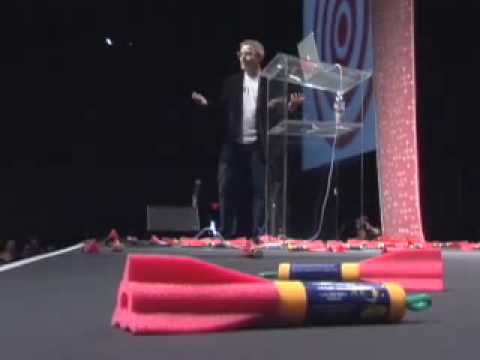
【TED】Tim Brown: Tales of creativity and play (Tim Brown: Tales of creativity and play)
0
羅楚喬 posted on 2016/11/13Ever wonder how play sparks amazing ideas? Dive into Tim Brown's talk to discover how playful culture and techniques like the 30 Circles Test can boost creativity in teams, perfect for picking up workplace practical language and advanced vocabulary!
Learn this video on the APP!
The VoiceTube App has more in-depth practice for videos!