
a couple hundred
US
UK
- Determiner
- Approximately two hundred.
- Phrase
- A small number of hundreds; more than one hundred but not many.
A2Moreadult
US / əˈdʌlt, ˈædʌlt/
UK /ˈædʌlt/
- Noun (Countable/Uncountable)
- Person or animal that is fully grown
- A fully grown animal.
- Adjective
- Being fully grown; mature; no longer a teenager
- Containing sexually explicit material.
A2TOEICMoreat a time
US /æt e taɪm/
UK /æt ə taim/
- Phrase
- Separately; one by one
- Simultaneously; together
A1Moreawful
US /ˈɔfəl/
UK /ˈɔ:fl/
- Adjective
- Very bad; horrible; terrible
A2Morebacteria
US /bækˈtɪriə/
UK /bæk'tɪərɪə/
- Noun (plural)
- The very small creatures that can cause disease
B2Morebacterium
US /bækˈtɪriəm/
UK /bæk'tɪərɪəm/
- Countable Noun
- The very small creatures that can cause disease
B2Morebasically
US /ˈbesɪkəli,-kli/
UK /ˈbeɪsɪkli/
- Adverb
- Used before you explain something simply, clearly
- In essence; when you consider the most important aspects of something.
A2Morebiomass
US /'baɪoʊmæs/
UK /'baɪəʊmæs/
- Uncountable Noun
- Number of living things in a particular area
B2Morebite
US /baɪt/
UK /baɪt/
- Noun (Countable/Uncountable)
- Amount of food taken into your mouth at one time
- Wound left from being bitten
- Intransitive Verb
- (E.g. of fish) to take bait and be caught
A2Morebug
US /bʌɡ/
UK /bʌɡ/
- Transitive Verb
- To bother someone
- To hide an electronic device to spy on someone
- Countable Noun
- An insect
- Problem in the functioning of computer code
B1Morecouple
US /ˈkʌpəl/
UK /'kʌpl/
- Transitive Verb
- To join something to something else
- (Two animals) to engage in sexual relations
- Noun (Countable/Uncountable)
- Two people in a romantic relationship
- Two of something; two people; a pair
A2Moredeadly
US /ˈdɛdli/
UK /ˈdedli/
- Adjective
- Causing or capable of causing death
- Being very accurate
- Adverb
- Extremely; intensely.
A2Moreecological
US /ˌi:kəˈlɑ:dʒɪkl/
UK /ˌi:kəˈlɒdʒɪkl/
- Adjective
- Concerning the environment, plants, or animals
B1Moreenvironmental
US /ɛnˌvaɪrənˈmɛntl:, -ˌvaɪən/
UK /ɪnˌvaɪrənˈmentl/
- Adjective
- Of the natural world of plants and animals
A2TOEICMoreeradicate
US /ɪˈrædɪˌket/
UK /ɪˈrædɪkeɪt/
- Transitive Verb
- To remove or destroy something completely
B2TOEICMoreeradication
US /ɪˌrædɪ'keɪʃn/
UK /ɪˌrædɪ'keɪʃn/
- Uncountable Noun
- Complete destruction of every trace of something
B2Moreextinct
US /ɪkˈstɪŋkt/
UK /ɪkˈstɪŋkt/
- Adjective
- (Of animal, etc.) having died out; with none left
- (E.g. of volcano) not active
B1TOEICMorefill in
US /fɪl ɪn/
UK /fil in/
- Phrasal Verb
- To put earth in e.g. a hole
- To explain the context so that someone understands
- Verb (Transitive/Intransitive)
- To write or type information in a blank space.
- To temporarily do someone else's job.
A1Morefocus
US /ˈfokəs/
UK /'fəʊkəs/
- Verb (Transitive/Intransitive)
- To see clearly by adjusting your eyes or a camera
- To keep your attention, concentration on one thing
- Noun (Countable/Uncountable)
- Main purpose or center of interest or activity
- The clarity of an image produced by a lens.
A2TOEICMorefood source
US
UK
- Noun
- A place or thing from which food is obtained.
B2Morefreely
US /ˈfrili/
UK /ˈfri:li/
- Adverb
- (Living, existing) without being controlled
A2Morefunction
US /ˈfʌŋkʃən/
UK /'fʌŋkʃn/
- Noun
- Social event, or party such as a wedding
- Mathematical operation used in calculations
- Intransitive Verb
- To serve a certain purpose or role
- To be operating, working or achieving its purpose
A2TOEICMoregene
US /dʒin/
UK /dʒi:n/
- Noun
- Part of cell controlling development of a thing
B1Moregenetically
US /dʒə'netɪklɪ/
UK /dʒə'netɪklɪ/
- Adverb
- Caused or controlled, or by genes
- By means of genes or genetic engineering.
B1Moregenus
US /ˈdʒinəs/
UK /ˈdʒi:nəs/
- Noun
- Category of particular animal or plant species
C1Moregigantic
US /dʒaɪˈɡæntɪk/
UK /dʒaɪ'ɡæntɪk/
- Adjective
- Extremely large
- Of very great size, extent, or degree.
B2Moreharmful
US /ˈhɑ:rmfl/
UK /ˈhɑ:mfl/
- Adjective
- Likely to cause damage or injury
A2TOEICMorehave been around
US /hæv bɪn əˈraʊnd/
UK /hæv bɪn əˈraund/
- Verb (Transitive/Intransitive)
- To have a lot of experience in life.
- To have existed for a period of time.
A2Morehave to
US /hæv tu/
UK /ˈhæv tə/
- Auxiliary Verb
- Must do
A1Morehistorically
US /hɪsˈtɔrɪkl:ɪ/
UK /hɪ'stɒrɪklɪ/
- Adverb
- In history; in the past
B1Moreinfect
US /ɪnˈfɛkt/
UK /ɪn'fekt/
- Transitive Verb
- To introduce a computer virus to
- To give a disease, bacteria or virus to
B1Moreinsert
US /ɪnˈsɜ:rt/
UK /ɪnˈsɜ:t/
- Transitive Verb
- To put something into a certain place or spot
- To add (writing) to something.
- Noun
- Act of putting into a certain place or spot
- A leaflet or section inserted in a magazine or newspaper.
B1TOEICMoreintentionally
US /ɪnˈtɛnʃənl:ɪ/
UK /ɪn'tenʃənəlɪ/
- Adverb
- With a plan to do or achieve something
- In a deliberate and purposeful manner.
B1Moreitchy
US /ˈɪtʃi/
UK /ˈɪtʃi/
- Adjective
- Nervous and unable to relax
- (Of skin, etc.) irritated so you want to scratch it
B1Moremake up
US /mek ʌp/
UK /meik ʌp/
- Phrasal Verb
- To invent or create a story
- To add up to
- Verb (Transitive/Intransitive)
- To invent a story, excuse, etc.
- To compensate for something lost, missed, or deficient.
A1Moremate
US /met/
UK /meɪt/
- Noun (Countable/Uncountable)
- A friend who you work, live, or go to school with
- Partner in a (sexual) relationship
- Verb (Transitive/Intransitive)
- To pair a male and female so they have children
- To join or fit two things together
B1Moremedically
US /ˈmɛdɪklɪ/
UK /'medɪklɪ/
- Adverb
- As regards medical matters
A2Moremigrate
US /ˈmaɪgreɪt/
UK /maɪˈgreɪt/
- Intransitive Verb
- To move from one country or place to live or work
B1Moremodifies
US
UK
- Transitive Verb
- To make minor change to something
B1Moremodify
US /ˈmɑ:dɪfaɪ/
UK /ˈmɒdɪfaɪ/
- Transitive Verb
- To make minor change to something
B1Moremosquito
US /məˈski:toʊ/
UK /məˈski:təʊ/
- Countable Noun
- Small flying insect which sucks blood
B1Moremutate
US /ˈmjutet,mjuˈtet/
UK /mju:'teɪt/
- Intransitive Verb
- To develop into another thing; change
B2Morenasty
US /ˈnæsti/
UK /'nɑ:stɪ/
- Adjective
- Very bad, unpleasant, or offensive
- Unkind; unpleasant.
A2Moreon to
US /ɑn tu/
UK /ɔn tu:/
- Preposition
- Toward something; forward
- Aware of someone's activities.
- Adjective
- Aware of someone's deception or illegal activities.
A1Moreoutright
US /ˈaʊtˈraɪt, -ˌraɪt/
UK /ˈaʊtraɪt/
- Adjective
- In a complete manner; totally
- Open and direct; not concealed.
- Adverb
- In a clear and direct manner
B2Moreparasite
US /ˈpærəˌsaɪt/
UK /'pærəsaɪt/
- Noun (Countable/Uncountable)
- Small animal or plant living off a bigger one
- One who depends on someone else, without working
B2Morepest
US /pɛst/
UK /pest/
- Noun (Countable/Uncountable)
- Person, often a small child, who bothers people
- Insect or small animal that ruins plants or food
B1TOEICMorepollinate
US /ˈpɑ:ləneɪt/
UK /ˈpɒləneɪt/
- Transitive Verb
- (Of bees) to put pollen on plant so it makes seed
B2Morerelease
US /rɪ'li:s/
UK /rɪ'li:s/
- Transitive Verb
- To free someone from a responsibility or burden
- To allow a film, music etc. to be sold/distributed
- Noun
- Act of freeing someone from a duty or burden
- Introduction of a new product, film, book, etc.
A2TOEICMoreresearch
US /rɪˈsɚtʃ, ˈriˌsɚtʃ/
UK /rɪ'sɜ:tʃ/
- Verb (Transitive/Intransitive)
- To study in order to discover new ideas and facts
- To study the market relating to marketing products and services.
- Noun (Countable/Uncountable)
- Study done to discover new ideas and facts
- A particular area or topic of study.
A2TOEICMoreresistance
US /rɪˈzɪstəns/
UK /rɪ'zɪstəns/
- Noun (Countable/Uncountable)
- Force that stops or slows movement of something
- Refusal to accept something new or different
A2TOEICMoreresistant
US /rɪˈzɪstənt/
UK /rɪˈzɪstənt/
- Adjective
- Not affected by something
- Being opposed to or wanting to prevent something
- Noun
- A person who resists authority or control.
A2Moreripple
US /ˈrɪpəl/
UK /'rɪpl/
- Countable Noun
- Small gentle low wave on the surface of water, etc.
- Sound/noise/laughter that changes in volume
- Intransitive Verb
- To travel or move as small, gentle waves
- To be spread through a person or group
B2TOEICMoresafe
US /sef/
UK /seɪf/
- Adjective
- Highly likely
- Being out of danger
- Countable Noun
- Metal box with a lock to keep valuable things in
A2Moreset out
US /sɛt aʊt/
UK /set aut/
- Phrasal Verb
- To arrange something in an orderly fashion
- To give in detail in writing
A1Moresmart
US /smɑ:rt/
UK /smɑ:t/
- Adjective
- Fashionable; well-dressed; well-groomed
- Looking clean, neat and stylish
- Intransitive Verb
- To feel hurt or upset
- To hurt with an unexpected sharp or burning pain
A2TOEICMoresource for
US
UK
- Noun
- A place, person, or thing from which something comes or can be obtained.
- Transitive Verb
- To obtain something from a particular source.
B2Morestrain
US /stren/
UK /streɪn/
- Transitive Verb
- To remove the water from (food) using a colander
- To injure a muscle, leg etc. by using it too much
- Noun (Countable/Uncountable)
- Injury to a muscle, leg etc. through overuse
- Type or variation of a disease or bacillus
B2Moresuck
US /sʌk/
UK /sʌk/
- Intransitive Verb
- To be very bad, undesirable or unpleasant
- Transitive Verb
- To pull or remove something with great power
- To attract someone; make someone interested
B1Moretarget
US /ˈtɑrɡɪt/
UK /'tɑ:ɡɪt/
- Noun (Countable/Uncountable)
- A goal or amount you are trying to achieve
- Group you are trying to sell to or influence
- Transitive Verb
- To try to influence; direct a message toward
- (Army) to aim an attack at something
A2TOEICMoretargeting
US /'tɑ:ɡɪtɪŋ/
UK /'tɑ:ɡɪtɪŋ/
- Verb (Transitive/Intransitive)
- To aim at; to focus on something
- To try to influence; direct a message toward
A2Moretransmission
US /trænsˈmɪʃən, trænz-/
UK /trænsˈmɪʃn/
- Noun
- Part of car including gears affecting speed of car
- Electronic signal sent by radio waves; broadcast
B1Moretransmit
US /trænsˈmɪt, trænz-/
UK /trænsˈmɪt/
- Transitive Verb
- To broadcast by using signals to a radio/TV
- To broadcast by using signals to a radio/TV
B1Moreunable
US /ʌnˈebəl/
UK /ʌnˈeɪbl/
- Adjective
- Not being able to do something
B1TOEICMorevector
US /ˈvɛktɚ/
UK /'vektə(r)/
- Noun
- Math a quantity that has both size and direction
B2Morevirus
US /ˈvaɪrəs/
UK /'vaɪrəs/
- Noun
- File secretly put on computers to cause harm
- Living organism that causes disease or sickness
B1More
Vocabulary
- on to: Toward something; forward
- a couple hundred: Approximately two hundred.
- have been around: To have a lot of experience in life.
- fill in: To put earth in e.g. a hole
- make up: To invent or create a story
- food source: A place or thing from which food is obtained.
- source for: A place, person, or thing from which something comes or can be obtained.
- have to: Must do
- set out: To arrange something in an orderly fashion
- at a time: Separately; one by one
- lot: What happens to a person in life from chance; fate
- food: What people and animals eat to live
- make: To arrange or prepare something e.g. dinner
- people: Persons sharing culture, country, background, etc.
- safe: Highly likely
- stop: To block or close something
- live: To be alive
- adult: Person or animal that is fully grown
- kill: To cause someone to experience a lot of pain
- pass: Act of giving a ball to another player in a sport
- fire: Heat and the flame produced when burning
- wish: To want something to happen or to become true
- unable: Not being able to do something
- mosquito: Small flying insect which sucks blood
- virus: File secretly put on computers to cause harm
- awful: Very bad; horrible; terrible
- bite: Amount of food taken into your mouth at one time
- fighting: To argue or quarrel with someone about something
- develop: To explain something in steps and in detail
- research: To study in order to discover new ideas and facts
- couple: To join something to something else
- historically: In history; in the past
- promise: To say you will certainly do something
- bug: To bother someone
- environmental: Of the natural world of plants and animals
- smart: Fashionable; well-dressed; well-groomed
- mate: A friend who you work, live, or go to school with
- nasty: Very bad, unpleasant, or offensive
- genetically: Caused or controlled, or by genes
- itchy: Nervous and unable to relax
- release: To free someone from a responsibility or burden
- focus: To see clearly by adjusting your eyes or a camera
- ecological: Concerning the environment, plants, or animals
- medically: As regards medical matters
- function: Social event, or party such as a wedding
- harmful: Likely to cause damage or injury
- basically: Used before you explain something simply, clearly
- targeting: To aim at; to focus on something
- strain: To remove the water from (food) using a colander
- resistant: Not affected by something
- target: A goal or amount you are trying to achieve
- deadly: Causing or capable of causing death
- freely: (Living, existing) without being controlled
- infect: To introduce a computer virus to
- transmit: To broadcast by using signals to a radio/TV
- modify: To make minor change to something
- gene: Part of cell controlling development of a thing
- bacteria: The very small creatures that can cause disease
- modifies: To make minor change to something
- insert: To put something into a certain place or spot
- bacterium: The very small creatures that can cause disease
- extinct: (Of animal, etc.) having died out; with none left
- eradication: Complete destruction of every trace of something
- eradicate: To remove or destroy something completely
- intentionally: With a plan to do or achieve something
- transmission: Part of car including gears affecting speed of car
- resistance: Force that stops or slows movement of something
- suck: To be very bad, undesirable or unpleasant
- parasite: Small animal or plant living off a bigger one
- pollinate: (Of bees) to put pollen on plant so it makes seed
- mutate: To develop into another thing; change
- migrate: To move from one country or place to live or work
- pest: Person, often a small child, who bothers people
- ripple: Small gentle low wave on the surface of water, etc.
- biomass: Number of living things in a particular area
- genus: Category of particular animal or plant species
- outright: In a complete manner; totally
- ca: CA is an acronym
- vector: Math a quantity that has both size and direction
- gigantic: Extremely large
Get the full experience in the app
Learn anywhere with detailed sentence and usage analysis
01:03
She took a brave step forward, leaving behind her comfort zone to chase her dreams.
Vocabulary
- brave
adj. Having courage
- comfort zone
phr. A familiar situation where one feels safe
Explanation
a brave step is a noun phrase, where brave is an adjective modifying the noun step, meaning "a courageous step".
forward is an adverb modifying step, meaning "ahead".
The whole phrase serves as the object, answering the "what" of took (verb) — she took a brave step forward.
Get the full experience in the app
Look up words anytime with pronunciation, part of speech, and usage
brave
US/brev/
UK/breɪv/
adj.Brave
v.t.To bravely face
A2 Elementary
Get the full experience in the app
Practice speaking anytime and get instant pronunciation feedback
Try this speaking exercise.
Try practicing with this sentence.
80
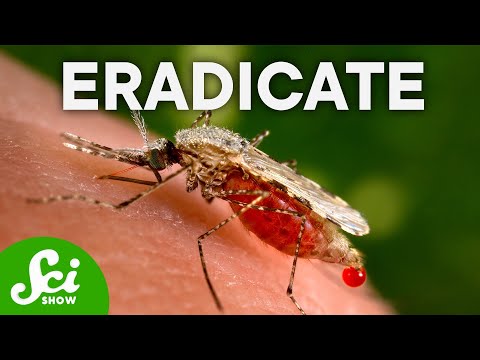
What If We Killed All the Mosquitoes?
0
g2 posted on 2016/10/26Ever wondered what would happen if we wiped out all the mosquitoes? This video dives into the fascinating science behind mosquito-borne diseases and explores cutting-edge control methods like Wolbachia and gene drives. You'll pick up some awesome advanced vocabulary related to public health and ecosystems along the way!
Learn this video on the APP!
The VoiceTube App has more in-depth practice for videos!