
admire
US /ædˈmaɪr/
UK /əd'maɪə(r)/
- Transitive Verb
- To feel respect or wonder toward someone
A2Moreaffection
US /əˈfɛkʃən/
UK /əˈfekʃn/
- Noun (Countable/Uncountable)
- Feeling of liking someone or something
- A gentle feeling of fondness or liking.
B1Moreassume
US /əˈsum/
UK /ə'sju:m/
- Transitive Verb
- To act in a false manner to mislead others
- To believe, based on the evidence; suppose
A2TOEICMoreblind
US /blaɪnd/
UK /blaɪnd/
- Adjective
- Unable to see; with eyes that cannot see
- Lacking in judgment or awareness
- Transitive Verb
- To cause someone to lose the ability to see
- To be unable to see the truth about a situation
A2Moreconvince
US /kənˈvɪns/
UK /kən'vɪns/
- Transitive Verb
- To persuade someone, or make them feel sure
A2TOEICMorecraven
US /ˈkrevən/
UK /ˈkreɪvn/
- Adjective
- With no courage at all; very cowardly
B2TOEICMoredefective
US /dɪˈfɛktɪv/
UK /dɪˈfektɪv/
- Adjective
- Having a defect; faulty
- Noun
- A person with a mental or physical disability (offensive, archaic).
B1Moredelusion
US /dɪˈluʒən/
UK /dɪˈlu:ʒn/
- Noun (Countable/Uncountable)
- False belief despite evidence to the contrary
- (Psychiatry) A persistent false belief held in the face of evidence to the contrary, especially as a symptom of mental illness.
B2Moredeserve
US /dɪˈzɚv/
UK /dɪ'zɜ:v/
- Transitive Verb
- To be worthy of, e.g. getting praise or attention
A2TOEICMoredestructive
US /dɪˈstrʌktɪv/
UK /dɪ'strʌktɪv/
- Adjective
- Causing a very large amount of damage
- Tending to demolish or tear down; negative; unhelpful.
B2Moredisgusting
US /dɪsˈɡʌstɪŋ/
UK /dɪsˈgʌstɪŋ/
- Adjective
- Having a very bad taste
- Extremely unpleasant or unacceptable.
- Transitive Verb
- To cause a strong negative reaction or feeling
B2Moredread
US /drɛd/
UK /dred/
- Verb (Transitive/Intransitive)
- To await with great fear
B2Moreentertain
US /ˌentərˈteɪn/
UK /ˌentəˈteɪn/
- Transitive Verb
- To receive someone as a guest
- To provide amusement (e.g. by singing, dancing)
A2TOEICMoreevidence of
US
UK
- Phrase
- Facts, objects, or signs that make you believe that something is true.
- Something that shows that something else exists or is true.
A1Morefamiliar
US /fəˈmɪljɚ/
UK /fəˈmɪliə(r)/
- Adjective
- Well-known or easily recognized
- Having a good knowledge of something.
- Noun
- A close friend or associate.
- (In folklore) a spirit, often in animal form, believed to attend and serve a witch.
A2TOEICMorefundamentally
US /ˌfʌndəˈmɛntl:ɪ/
UK /ˌfʌndəˈmentəli/
- Adverb
- In a basic and important way
- In a complete and thorough way
B1Moregratify
US /ˈɡrætəˌfaɪ/
UK /ˈgrætɪfaɪ/
- Transitive Verb
- To be pleased because you were right or had praise
B2Morehave to
US /hæv tu/
UK /ˈhæv tə/
- Auxiliary Verb
- Must do
A1Moreimmensely
US /ɪˈmensli/
UK /ɪˈmensli/
- Adverb
- Very much; greatly; a lot
B1Morein ways
US
UK
- Phrase
- In a manner or by methods that.
- In certain respects or aspects.
A1Moreincomprehensible
US /ɪnˌkɑ:mprɪˈhensəbl/
UK /ɪnˌkɒmprɪˈhensəbl/
- Adjective
- Impossible to understand or comprehend
B1Moreinherent
US /ɪnˈhɪrənt/
UK /ɪnˈhɪərənt/
- Adjective
- Existing as an essential part of
- Involved in the constitution or essential character of something.
B1TOEICMoreinterpret
US /ɪnˈtɚprɪt/
UK /ɪn'tɜ:prɪt/
- Verb (Transitive/Intransitive)
- To express so that others understand it
- To translate what is said into another language
A2TOEICMoreinvariably
US /ɪnˈveriəbli/
UK /ɪnˈveəriəbli/
- Adverb
- Each time without change; always
B1Moreissue
US /ˈɪʃu/
UK /'ɪʃu:/
- Transitive Verb
- To make something available to be used or sold
- To deliver a statement, etc. in an official manner
- Noun (Countable/Uncountable)
- Important topic discussed, debated or argued over
- Single edition of a magazine
A2TOEICMoreneedy
US /ˈnidi/
UK /ˈni:di/
- Adjective
- Poor; without much money
B2Moreoption
US /ˈɑpʃən/
UK /'ɒpʃn/
- Noun (Countable/Uncountable)
- A choice
- A right to buy or sell something at a particular price within a particular period.
A2TOEICMoreostensibly
US /ɒ'stensəblɪ/
UK /ɒ'stensəblɪ/
- Adverb
- Apparently true or real, but probably not
B2TOEICMoreprimary
US /ˈpraɪˌmɛri, -məri/
UK /'praɪmərɪ/
- Adjective
- Most important, most basic or essential
- Happening first; earliest
B2Morerelationship
US /rɪˈleʃənˌʃɪp/
UK /rɪˈleɪʃnʃɪp/
- Noun (Countable/Uncountable)
- Connection between two or more people or things
- Way people interact or live with each other
A2TOEICMoresee in
US /si ɪn/
UK /si: in/
- Phrasal Verb
- To accompany someone to the entrance of a building or room.
A1Moreseek
US /sik/
UK /si:k/
- Transitive Verb
- To ask someone for help
- To search for; try to find or do; look for
A2TOEICMorespend
US /spɛnd/
UK /spend/
- Transitive Verb
- To use money to pay for something
- To use time in order to do something
A2TOEICMoresuffer
US / ˈsʌfɚ/
UK /'sʌfə(r)/
- Verb (Transitive/Intransitive)
- To experience pain, illness, or injury
- To allow or permit something, especially something unpleasant.
A2Moresuspicious
US /səˈspɪʃəs/
UK /səˈspɪʃəs/
- Adjective
- Doubtful about someone's honesty
- Feeling that something is wrong; causing suspicion
B1Moretally
US /ˈtæli/
UK /'tælɪ/
- Transitive Verb
- To count or reckon up; to score a point
- Noun
- A score or amount
B2Moretenderness
US /ˈtɛndɚnɪs/
UK /'tendənɪs/
- Uncountable Noun
- Pain that is felt (as when the area is touched)
B2Morethrill
US /θrɪl/
UK /θrɪl/
- Noun (Countable/Uncountable)
- Thing/event causing sudden excitement or pleasure
- A sudden feeling of fear or excitement.
- Verb (Transitive/Intransitive)
- To feel sudden excitement or pleasure
- To cause someone to feel excited and pleased.
A2Moreto do with
US
UK
- Phrasal Verb
- To be about something; concern
A1Moretragically
US /ˈtrædʒɪkl:ɪ/
UK /'trædʒɪklɪ/
- Adverb
- In a very sad manner, usually due to a death
B1Moreturn around
US /tɚn əˈraʊnd/
UK /tə:n əˈraund/
- Phrasal Verb
- To change your body to the opposite direction
- To make something running badly into a success
- Verb (Transitive/Intransitive)
- To change direction so as to face the opposite way.
- To improve or cause to improve.
A1Moreused to
US /juzd tu/
UK /ˈju:st tə/
- Adjective
- Did regularly before, but don't do now
- Auxiliary Verb
- Have done before, but do not do now
A1More
Vocabulary
- have to: Must do
- turn around: To change your body to the opposite direction
- to do with: To be about something; concern
- used to: Did regularly before, but don't do now
- in ways: In a manner or by methods that.
- see in: To accompany someone to the entrance of a building or room.
- evidence of: Facts, objects, or signs that make you believe that something is true.
- assume: To act in a false manner to mislead others
- deserve: To be worthy of, e.g. getting praise or attention
- evidence: Factual proof that helps to establish the truth
- convince: To persuade someone, or make them feel sure
- dread: To await with great fear
- doubt: Not being sure of something; lack of certainty
- familiar: Well-known or easily recognized
- interpret: To express so that others understand it
- suspicious: Doubtful about someone's honesty
- relationship: Connection between two or more people or things
- bit: Device put in a horse's mouth to control it
- admire: To feel respect or wonder toward someone
- inherent: Existing as an essential part of
- issue: To make something available to be used or sold
- suffer: To experience pain, illness, or injury
- affection: Feeling of liking someone or something
- primary: Most important, most basic or essential
- immensely: Very much; greatly; a lot
- seek: To ask someone for help
- nervous: Concerning the system of nerves in the body
- disgusting: Having a very bad taste
- option: A choice
- thrill: Thing/event causing sudden excitement or pleasure
- ostensibly: Apparently true or real, but probably not
- destructive: Causing a very large amount of damage
- invariably: Each time without change; always
- delusion: False belief despite evidence to the contrary
- leave: To go away from; depart
- fundamentally: In a basic and important way
- receive: To get something someone has given or sent to you
- notice: To become aware by sight, touch, or hearing
- lot: What happens to a person in life from chance; fate
- sign: Indication that something exists or will happen
- kind: In a caring and helpful manner
- offer: Price you say you are willing to pay for something
- entertain: To receive someone as a guest
- spend: To use money to pay for something
- allow: To admit the validity or truth of something
- blind: Unable to see; with eyes that cannot see
- tenderness: Pain that is felt (as when the area is touched)
- point: An item to be discussed
- natural: Being as one would expect; being usual or normal
- wrong: Action that is harmful, unjust or illegal
- needy: Poor; without much money
- tally: To count or reckon up; to score a point
- defective: Having a defect; faulty
- craven: With no courage at all; very cowardly
- incomprehensible: Impossible to understand or comprehend
- tragically: In a very sad manner, usually due to a death
- gratify: To be pleased because you were right or had praise
Get the full experience in the app
Learn anywhere with detailed sentence and usage analysis
01:03
She took a brave step forward, leaving behind her comfort zone to chase her dreams.
Vocabulary
- brave
adj. Having courage
- comfort zone
phr. A familiar situation where one feels safe
Explanation
a brave step is a noun phrase, where brave is an adjective modifying the noun step, meaning "a courageous step".
forward is an adverb modifying step, meaning "ahead".
The whole phrase serves as the object, answering the "what" of took (verb) — she took a brave step forward.
Get the full experience in the app
Look up words anytime with pronunciation, part of speech, and usage
brave
US/brev/
UK/breɪv/
adj.Brave
v.t.To bravely face
A2 Elementary
Get the full experience in the app
Practice speaking anytime and get instant pronunciation feedback
Try this speaking exercise.
Try practicing with this sentence.
80
0
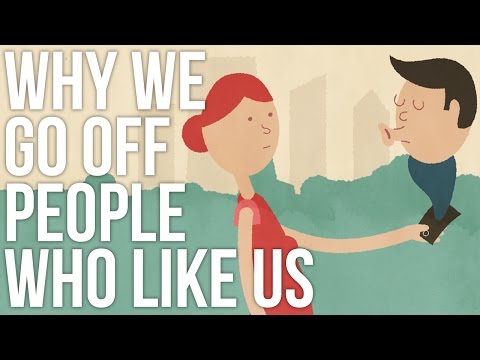
20000011 posted on 2022/05/30Ever wonder why you might push away people who genuinely like you? This video dives into the psychology behind self-sabotage in relationships, exploring how self-worth and past experiences can impact our ability to accept love. You'll pick up some fantastic advanced vocabulary along the way to help you talk about these complex feelings!
Learn this video on the APP!
The VoiceTube App has more in-depth practice for videos!